
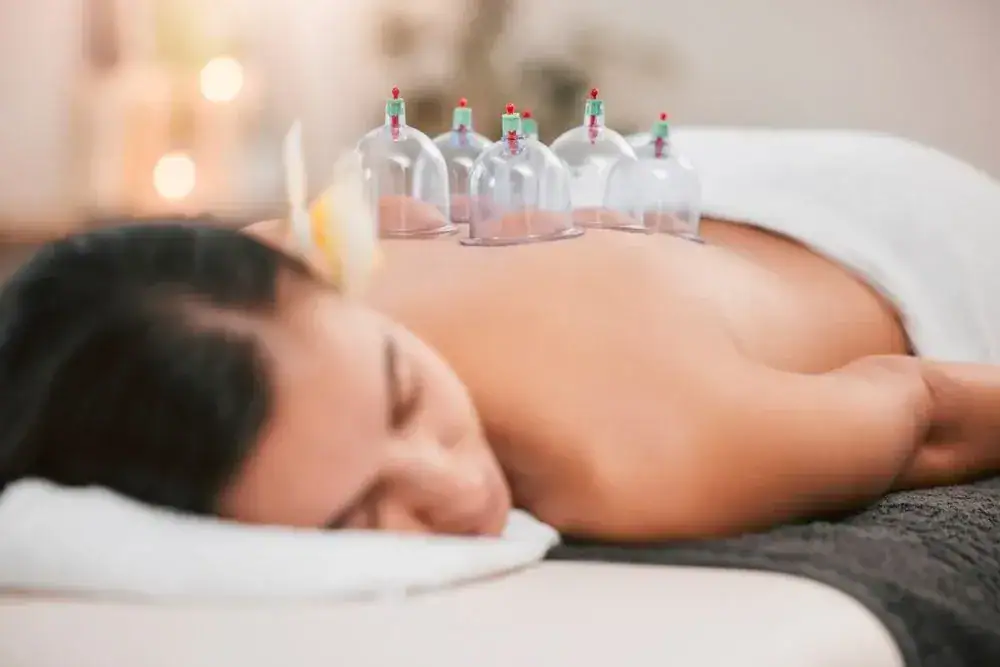

You’re not looking for temporary relief. You want to sleep through the night without waking up stiff. You want to reach for something on a high shelf without wincing. You want to get through your workday without that nagging ache in your lower back reminding you it’s there every fifteen minutes.
Cupping therapy works by creating negative pressure on your skin, which increases blood flow to the affected area. More blood means more oxygen, more nutrients, and faster healing. It loosens the fascia that’s been holding your muscles hostage and reduces the inflammation that’s been making everything worse.
The treatment itself is straightforward. Cups are placed on specific areas where you’re holding tension or experiencing pain. The suction pulls stagnant blood to the surface and makes room for fresh circulation. Most people feel looser within the first session. Some feel relief that lasts days. Others use it as part of a longer plan to address chronic issues that haven’t responded to other treatments.
This isn’t a magic cure. But it’s a proven method that works when you’re tired of masking symptoms with pills or putting off the activities you actually enjoy.
We operate multiple locations across Long Island, including our Jericho office. We’re licensed, verified, and built on the kind of trust that only comes from doing this work the right way for a long time.
Our team includes physical therapists who understand how cupping fits into a broader treatment plan. We don’t just slap cups on and call it a day. We assess your condition, talk through what’s not working, and build a plan that might include cupping along with other therapies depending on what your body actually needs.
Jericho residents come to us because we’re local, accessible, and transparent about what we can and can’t do. We don’t oversell. We don’t rush you through appointments. And we make sure every profile, every piece of patient data, and every interaction is handled with the kind of care that reflects how seriously we take this work.
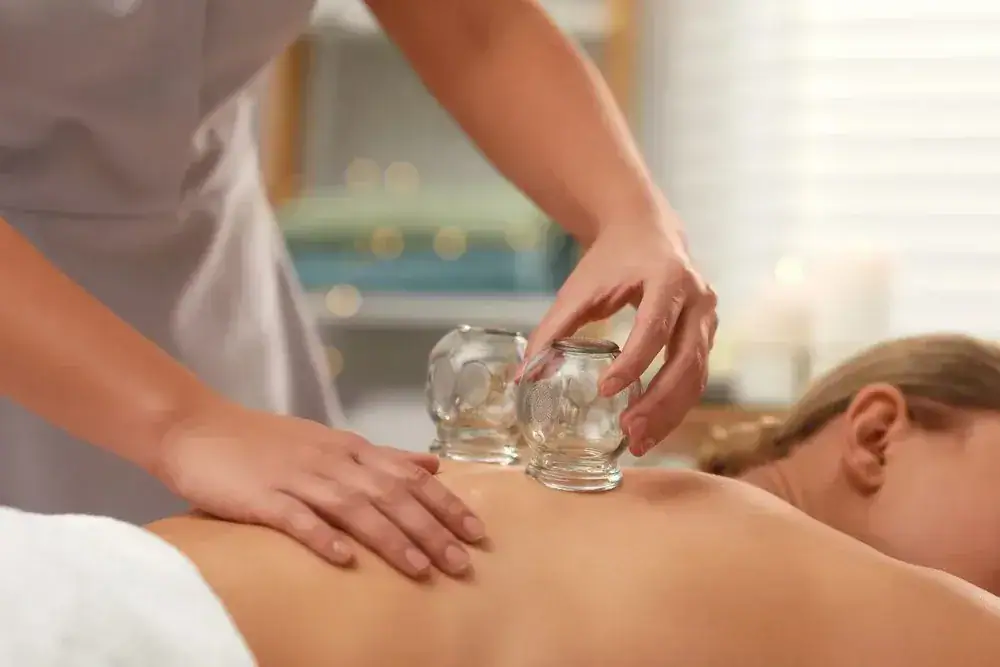
First, we talk. You tell us where it hurts, how long it’s been hurting, and what you’ve already tried. We assess your range of motion, check for areas of tightness or inflammation, and figure out whether cupping is the right move or if we need to combine it with something else.
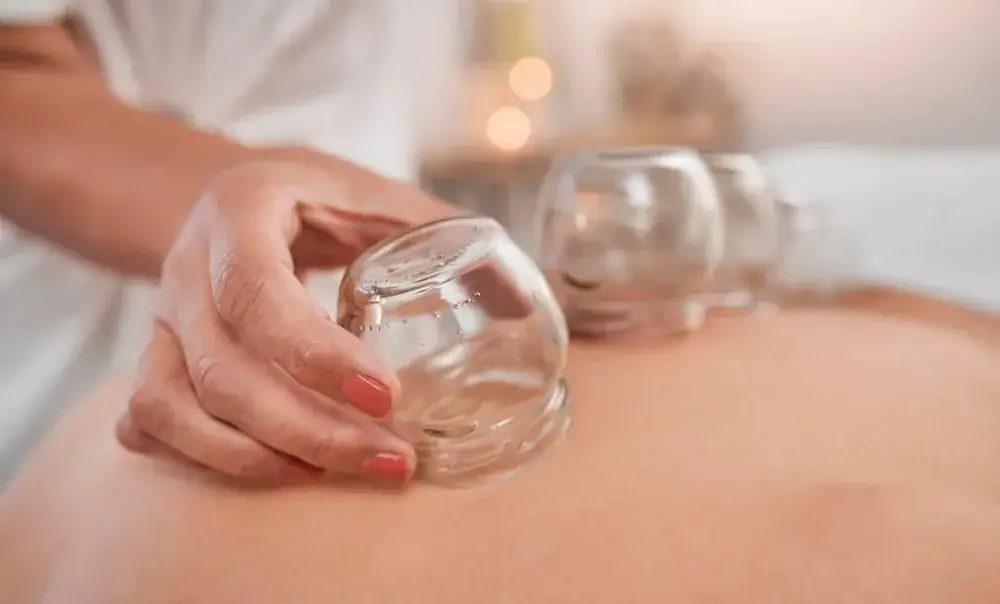
Then we prep the area. Depending on your condition, we might use dry cupping, which involves placing cups directly on the skin and creating suction. The cups stay in place for several minutes while they do their work. You’ll feel a pulling sensation, but it shouldn’t hurt. Some people find it relaxing. Others are just relieved to finally feel something happening in the right spot.
After we remove the cups, you might notice circular marks where they were placed. Those aren’t bruises in the traditional sense. They’re a sign that stagnant blood has been drawn to the surface, which is exactly what we want. They fade within a few days.
Most people feel immediate relief in terms of muscle looseness. Pain reduction can happen right away or build over the next day or two as inflammation decreases. We’ll talk about how many sessions make sense based on your goals and how your body responds to the first treatment.
Ready to get started?
Cupping therapy at our practice isn’t a standalone gimmick. It’s part of a complete physical therapy approach that might also include manual therapy, targeted exercises, or other modalities depending on what’s going on with your body.
In Jericho and across Nassau County, we see a lot of desk workers dealing with neck and shoulder tension. We see weekend athletes who overdid it and need faster recovery. We see older adults managing arthritis or chronic musculoskeletal pain who want an alternative to more medication. Cupping works for all of these situations because it addresses circulation and tissue health directly.
You’ll get a personalized assessment before we start. We’ll explain why we’re placing cups where we are, what we expect to happen, and what you should do after the session to support the treatment. You’ll also get guidance on how often to come back. Some conditions improve in two or three visits. Others benefit from ongoing maintenance.
The goal isn’t to keep you coming forever. It’s to get you functional again so you can go back to doing what matters without constantly thinking about pain.
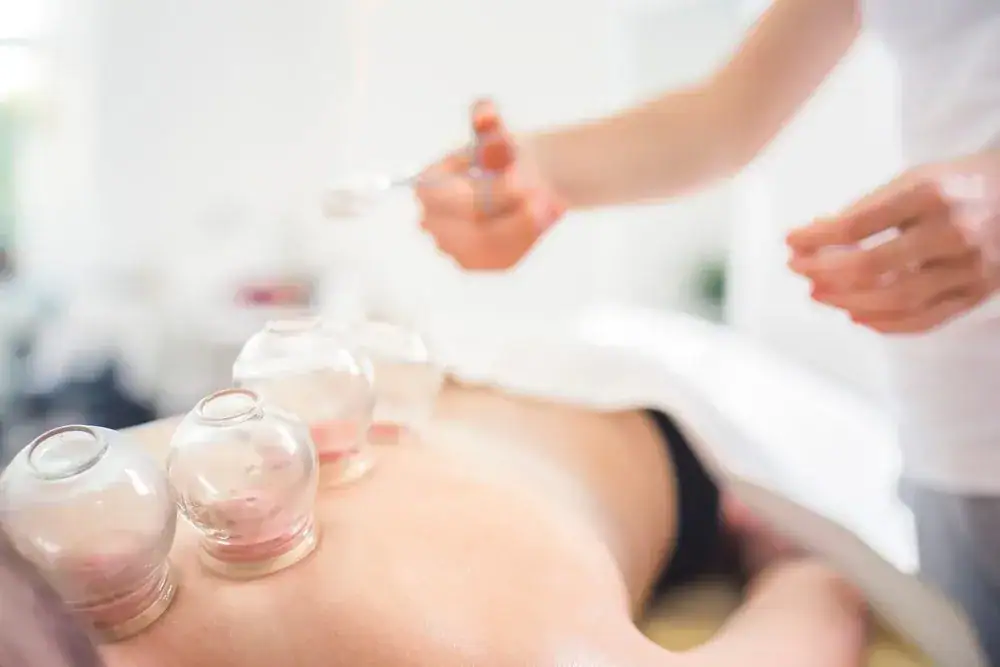
Yes, but it depends on what’s causing the pain. If your chronic back pain is related to muscle tension, poor circulation, or fascial restrictions, cupping can make a significant difference. The negative pressure created by the cups increases blood flow to the area, which helps reduce inflammation and loosen tight tissue.
Research shows that cupping is more effective for chronic musculoskeletal pain than many conventional treatments, especially when combined with other physical therapy techniques. That combination is key. Cupping alone might give you temporary relief, but pairing it with targeted exercises or manual therapy gives you a better chance at long-term improvement.
If your back pain is caused by a structural issue like a herniated disc or spinal stenosis, cupping can still help manage symptoms, but it won’t fix the underlying problem. That’s why we assess your condition first and talk honestly about what cupping can and can’t do for your specific situation.
Usually between three and seven days. The marks look like circular bruises, but they’re not the same as bruises from an impact injury. They’re caused by blood being drawn to the surface of the skin, which is part of how the treatment works.
The color and intensity of the marks can tell us something about your condition. Darker marks often indicate areas with more stagnation or poor circulation. Lighter marks suggest better blood flow in that area. As your circulation improves with repeated treatments, the marks often become lighter.
Some people don’t mind the marks. Others schedule their sessions strategically if they have an event coming up where they’ll be wearing something that shows their back or shoulders. If the appearance of the marks is a concern for you, just let us know and we can talk through timing or alternative treatments that might work better for your situation.
It depends on your plan and how the treatment is billed. When cupping is provided as part of a physical therapy session at our practice, it’s often covered under your physical therapy benefits. We bill it as part of your overall treatment, not as a separate alternative therapy service.
You’ll want to check with your insurance provider about your specific coverage for physical therapy services. Most plans cover a certain number of PT visits per year, and cupping would fall under that allocation when it’s integrated into your treatment plan.
If you’re paying out of pocket or have a high deductible, we can talk about costs upfront so there are no surprises. We’re transparent about pricing and happy to provide documentation you can submit to your insurance company for potential reimbursement. The key is making sure you understand what you’re paying for and why it’s worth it before we start.
Absolutely. Cupping helps reduce muscle soreness, improve circulation, and speed up recovery after intense training or competition. A lot of athletes use it to manage the cumulative stress their bodies take on from repetitive movements and high-impact activity.
The increased blood flow from cupping delivers more oxygen and nutrients to fatigued muscles, which helps them repair faster. It also helps clear out metabolic waste that builds up during exercise. Many athletes notice they feel less stiff the day after a cupping session compared to when they skip it.
That said, cupping works best when it’s part of a broader recovery strategy. You still need proper rest, nutrition, and smart training programming. Cupping isn’t a substitute for those things, but it’s a useful tool that can give you an edge when you’re pushing your body hard and need to bounce back quickly. We work with plenty of active people in Jericho who use cupping exactly this way.
Dry cupping is the most common type we use at our practice. It involves placing cups on your skin and creating suction, then leaving them in place for several minutes. There’s no cutting, no bloodletting, and no fire involved in the modern version we practice.
Wet cupping, by contrast, involves making small incisions in the skin before applying the cups, which draws out a small amount of blood. It’s used in some traditional practices but isn’t something we offer, and it’s not necessary for the therapeutic benefits most people are looking for.
There’s also massage cupping, where the cups are moved around on the skin after suction is applied, almost like a deep tissue massage. We sometimes use this technique depending on the area being treated and what we’re trying to accomplish. Dry cupping is usually the starting point because it’s effective, non-invasive, and well-tolerated by most people. We’ll talk through what makes sense for your specific condition during your first visit.
Most people feel some level of relief after the first session, but lasting results usually take a few visits. If you’re dealing with acute muscle tension or soreness from a recent injury, you might only need two or three sessions. Chronic pain or long-standing mobility issues typically require more.
We don’t lock you into a preset number of sessions. After your first treatment, we’ll assess how your body responded and talk about what makes sense moving forward. Some people come weekly for a month, then taper off to maintenance visits every few weeks. Others get what they need in a handful of appointments and move on.
The goal is always to get you better, not to keep you dependent on treatment. If cupping isn’t giving you the results we expected after a reasonable number of sessions, we’ll adjust the plan or explore other options. You’ll know where you stand at every step, and you’ll never feel pressured to keep coming back if it’s not working.
Other Services we provide in Jericho