
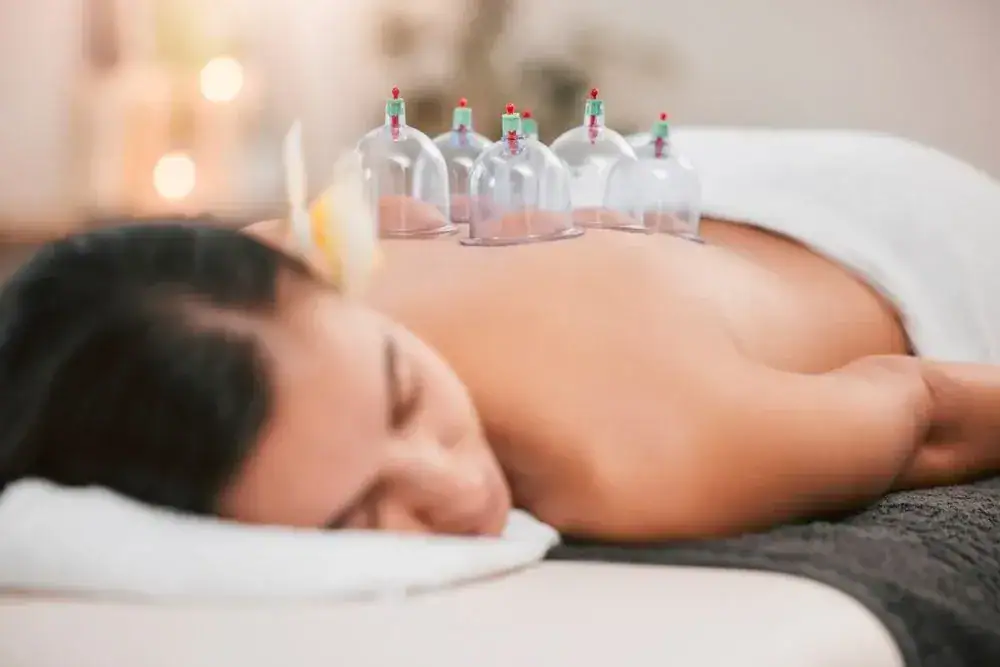

You’re not looking for temporary relief that wears off by dinner. You want to bend down without bracing yourself. Sleep through the night without repositioning every hour. Get through your day without that constant background ache reminding you it’s there.
Cupping therapy works by increasing blood flow to areas that have been tight or restricted for months—sometimes years. That improved circulation helps break up the knots, reduce inflammation, and give your muscles room to actually relax. Most people feel a difference after the first session. Not a cure, but enough relief to think, “okay, maybe this is actually helping.”
It’s not magic. It’s targeted pressure that your body responds to. And when it’s done correctly, as part of a real treatment plan that includes movement and strengthening, the results tend to stick. You’re not just masking the problem—you’re giving your body what it needs to heal.
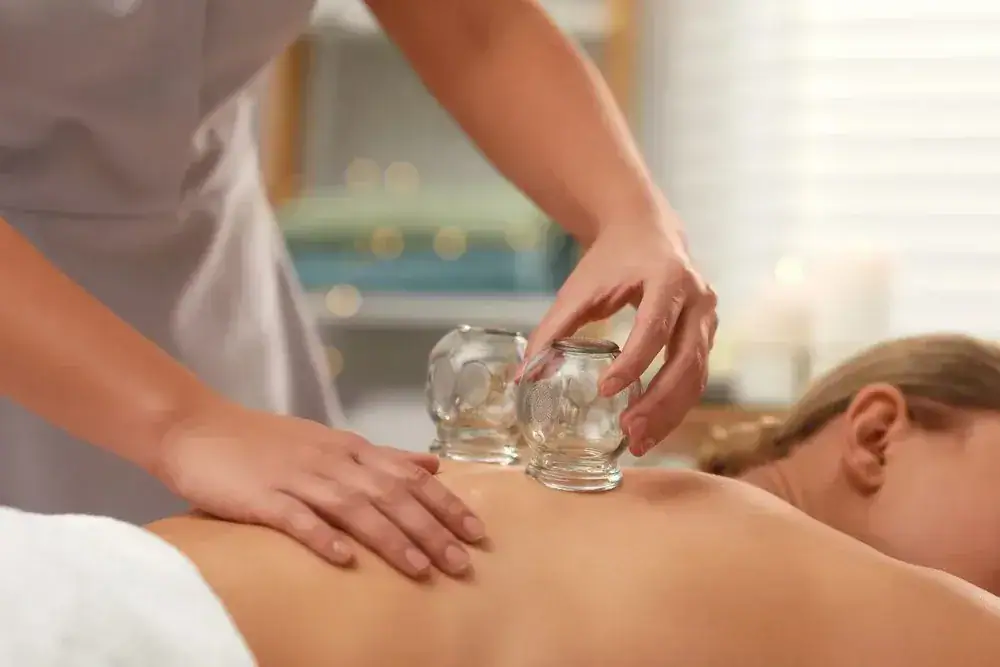
First visit starts with an evaluation. We ask about your pain—where it is, how long you’ve had it, what makes it worse. We’ll test your range of motion and check for areas of tightness or restriction. This isn’t a quick chat. We’re building a full picture so the treatment actually addresses what’s wrong.
During cupping, we place specialized cups on targeted areas of your body. The suction pulls blood to the surface, which increases circulation and helps release muscle tension. You’ll feel pressure, but it shouldn’t hurt. Most people say it’s more relieving than uncomfortable. We leave the cups on for several minutes, then remove them and follow up with stretching or strengthening exercises depending on your condition.
Sessions typically last 45 to 60 minutes. Cupping is almost never used alone—it’s part of a broader plan that might include manual therapy, movement training, or home exercises. The goal isn’t just to feel better for a day. It’s to improve function, reduce pain long-term, and get you back to doing what you need to do. We track progress and adjust the plan as you improve.
Ready to get started?
Cupping therapy at Medcare isn’t a standalone service. It’s integrated into your full physical therapy plan, which means you’re getting a complete approach to pain management and recovery. We use dry cupping—no needles, no incisions—to target chronic pain in your back, neck, shoulders, or legs.
Here’s what’s included: an initial evaluation to assess your condition, a personalized treatment plan that combines cupping with other therapies, hands-on sessions in your home, and ongoing adjustments based on how you respond. We also teach you exercises and stretches you can do between sessions to keep progress moving.
In Jamesport and across Long Island, back pain and joint issues are incredibly common. Whether it’s from years of physical work, old injuries that never fully healed, or just the wear and tear of getting older—you’re not alone in dealing with this. The difference is in how it’s treated. Cupping improves blood flow to areas that aren’t getting enough circulation. It reduces muscle tightness and helps restore range of motion. And because we come to you, there’s no added stress of driving to appointments or sitting in a waiting room when you’re already in pain.
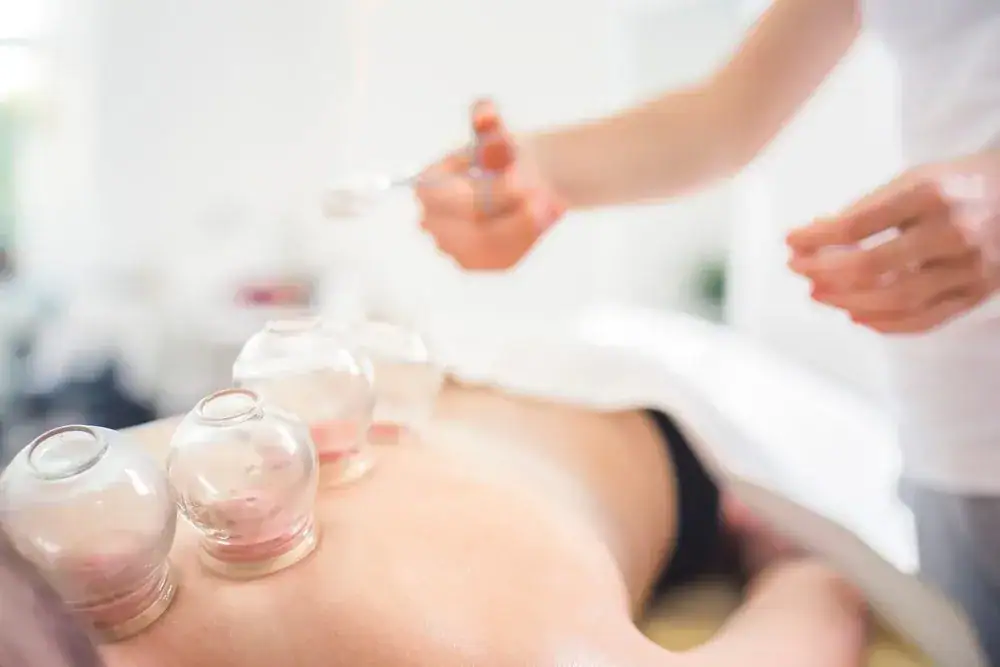
Yes, and there’s clinical evidence backing it up. Studies show that cupping is more effective than sham therapy for reducing pain and improving function in people with persistent low back pain. It’s not a miracle cure, but it’s a proven tool that works especially well when combined with other treatments like stretching and strengthening exercises.
Here’s why it helps: chronic back pain often comes from tight, restricted muscles that aren’t getting enough blood flow. Cupping increases circulation to those areas, which helps reduce inflammation and allows the tissue to start healing. Many patients feel immediate relief after a single session—not because the problem is solved, but because the muscle tension finally gets a chance to release.
That said, cupping works best as part of a complete plan. If you’re only doing cupping and nothing else, the relief might not last. But when it’s paired with movement therapy and exercises that address the root cause, the results tend to stick. That’s how we approach it—cupping is one tool in a bigger strategy to get you functioning better long-term.
Yes, usually. The suction from the cups pulls blood to the surface, which often leaves circular marks that can look like bruises. They’re not painful, and they typically fade within a few days to a week. The marks are actually a sign that the therapy is working—increased blood flow is the whole point.
If you’re concerned about visible marks for an event or something coming up, let your therapist know ahead of time. We can adjust the suction pressure or choose areas that are easier to cover with clothing. But in general, the marks aren’t something to worry about. They’re temporary and harmless.
Some people don’t bruise much at all, while others see darker marks depending on their skin type and how much tension was in the area. Either way, it’s a normal part of the process and not an indication that anything went wrong.
In most cases, yes—when it’s provided as part of a physical therapy treatment plan. We accept Medicare and nearly all commercial insurance plans. Cupping itself is billed under physical therapy services, so if your plan covers PT, it typically covers cupping as one of the modalities we use during your session.
We recommend calling your insurance provider to confirm your specific coverage and any copay or deductible requirements. When you schedule with us, we’ll also verify your benefits upfront so there are no surprises. Our goal is to make this as straightforward as possible.
If you’re paying out of pocket, we can discuss rates during your initial consultation. But for most patients in Jamesport, insurance takes care of the majority of the cost, especially if you’re dealing with a chronic condition that’s been documented by your doctor.
It depends on your condition, but many people notice some improvement after the first session. That might be less pain, better range of motion, or just a feeling that the area is looser than it’s been in a while. Real, lasting results usually take several sessions—typically anywhere from four to eight over the course of a few weeks.
Chronic pain doesn’t develop overnight, and it doesn’t disappear overnight either. Cupping helps jumpstart the healing process by improving circulation and releasing tension, but your body still needs time to respond and rebuild. That’s why we combine cupping with exercises and other therapies that reinforce the progress you’re making.
We’ll reassess your condition regularly and adjust the treatment plan as you improve. Some patients need ongoing maintenance sessions every few weeks. Others get to a point where they don’t need cupping anymore and can manage with exercise alone. It’s not a one-size-fits-all answer—it’s based on how your body responds and what your goals are.
Cupping is most commonly used for musculoskeletal pain—things like chronic low back pain, neck pain, shoulder tension, and tight muscles from overuse or injury. It’s also helpful for conditions like knee osteoarthritis, myofascial pain, and sports-related muscle strains. Research supports its use for these types of issues, particularly when combined with other physical therapy techniques.
Beyond pain relief, cupping can improve range of motion and help reduce stiffness in areas that have been restricted for a long time. Some patients also report feeling more relaxed after sessions, which makes sense given that muscle tension and stress often go hand in hand.
That said, cupping isn’t appropriate for every condition. If you have certain skin conditions, blood clotting disorders, or are pregnant, we’ll need to discuss whether it’s safe for you. During your evaluation, we’ll go over your medical history and determine if cupping is a good fit. If it’s not, we’ll recommend other therapies that can still help you reach your goals.
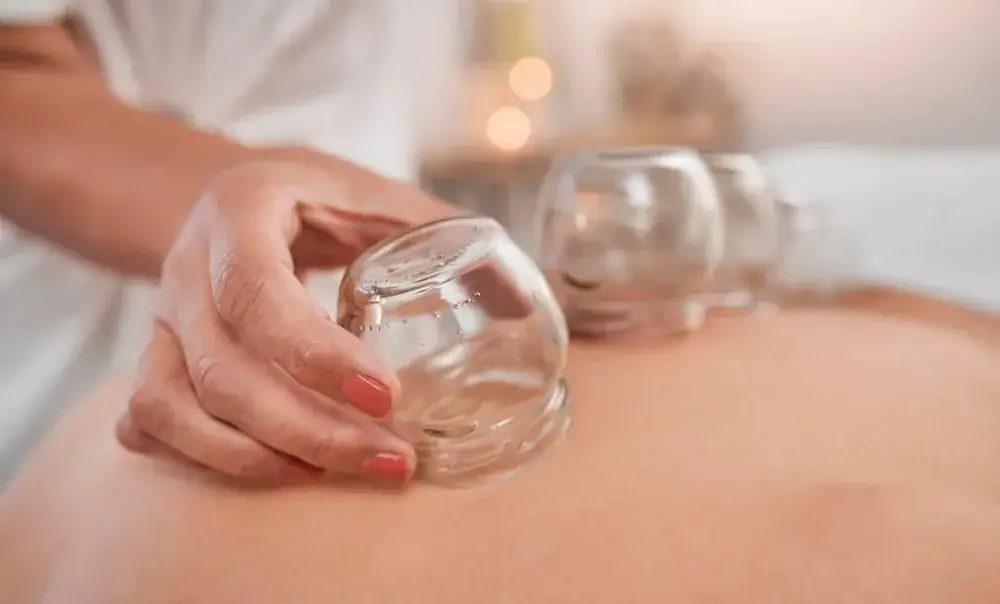
Dry cupping is what we use at Medcare. It involves placing cups on your skin and creating suction—no needles, no blood, no incisions. The cups stay in place for several minutes to increase circulation and release muscle tension. It’s non-invasive and generally well-tolerated by most patients.
Wet cupping, on the other hand, involves making small cuts in the skin and using the suction to draw out a small amount of blood. It’s more common in traditional medicine practices and requires specific training and licensing. We don’t offer wet cupping, and for most musculoskeletal conditions, dry cupping is just as effective without the added complexity.
There’s also something called “moving cupping” or “massage cupping,” where the therapist applies oil to your skin and slides the cups around to target larger areas. We use this technique occasionally depending on the treatment plan. The key difference is that dry cupping focuses on stationary suction, while moving cupping adds a massage-like element. Both fall under the same category of therapy and are billed the same way through insurance.
Other Services we provide in Jamesport