
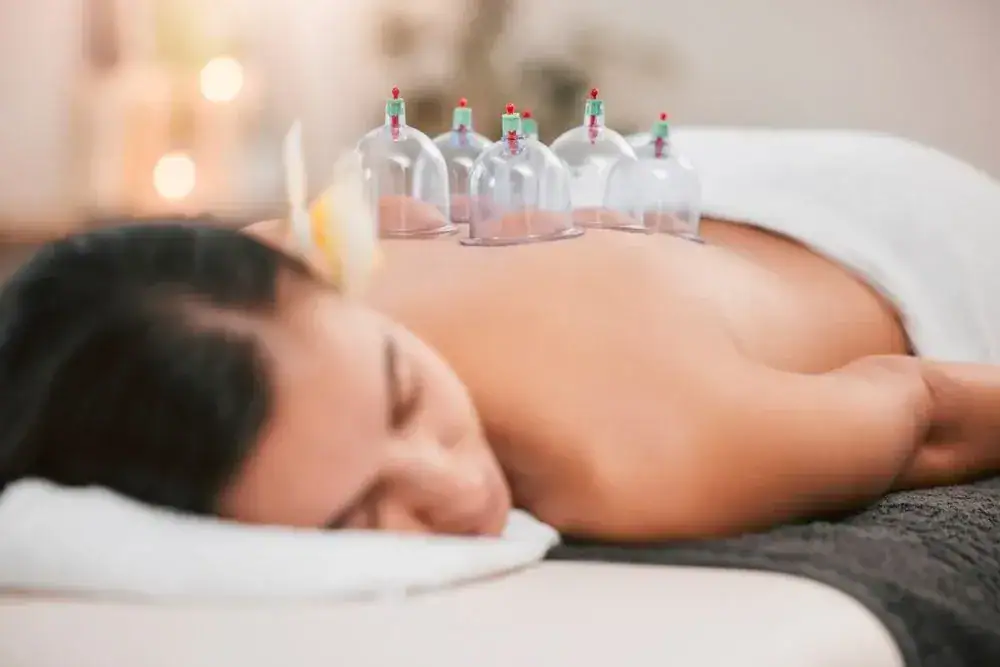

You’ve been dealing with it long enough. That nagging back pain that makes getting out of bed feel like a negotiation. The shoulder tension that’s always there, whether you’re at your desk or trying to sleep. The stiffness that’s stolen your flexibility and made simple movements complicated.
Cupping therapy works by increasing blood flow to the areas that hurt most. When circulation improves, inflammation drops. When inflammation drops, your body can actually heal instead of just coping.
Most people notice the difference within the first session. Not because cupping is magic, but because your muscles finally get what they’ve been missing: oxygen-rich blood, reduced tension, and space to recover. Some patients with chronic myofascial pain report complete resolution after just one treatment. Others need a few sessions to address deeper issues.
Either way, you’re not masking symptoms. You’re addressing what’s causing them. That’s the difference between temporary relief and actually getting better.
We’ve been helping people in Islandia, NY and across Long Island recover from pain and injury for over a decade. Our licensed physical therapists don’t just know cupping therapy—we understand how to integrate it with other treatment modalities to get you the best possible outcome.
Every treatment plan starts with a comprehensive evaluation. We look at your medical history, your current condition, and your goals. Then we build a plan that actually fits your life, not a cookie-cutter protocol that ignores what you’re dealing with.
You’re not sharing your session with three other patients. You’re not getting passed off to an aide. You’re working directly with a licensed therapist who remembers your name, your history, and what you’re working toward. That’s how it should be.
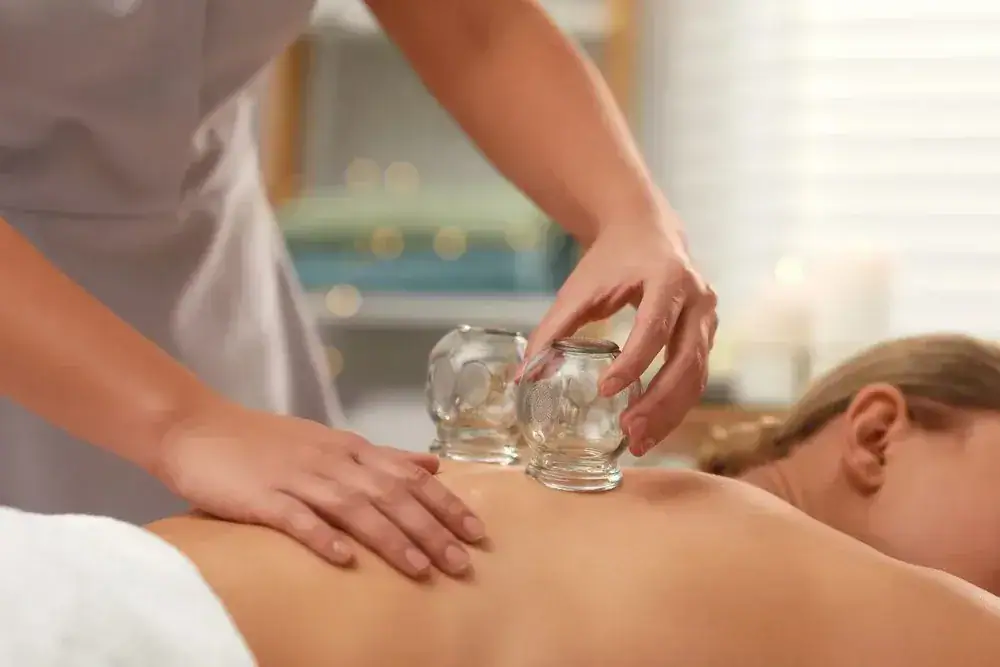
Your first visit starts with an evaluation. We need to understand what’s causing your pain, how long you’ve been dealing with it, and what you’ve already tried. This isn’t a formality—it’s how we determine if cupping therapy is right for you and how to customize your treatment.
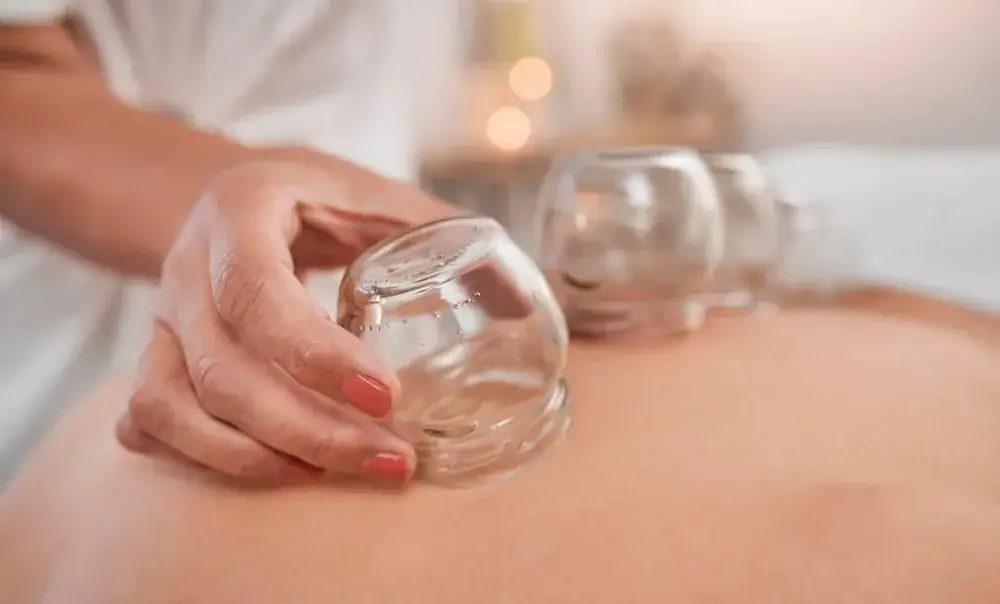
During the actual cupping session, we place specialized cups on targeted areas of your body. The suction created by these cups pulls blood to the surface, which increases circulation and helps release tight fascia and muscle tissue. Most people describe the sensation as a firm pull, not pain. Sessions typically last between 15 and 30 minutes depending on what we’re treating.
After treatment, you might notice circular marks where the cups were placed. These aren’t bruises—they’re a sign that blood flow increased to those areas. They fade within a few days to a week. Some patients feel immediate relief. Others notice gradual improvement over the next 24 to 48 hours as inflammation decreases and mobility improves.
We’ll talk through what to expect, how many sessions you might need, and what you should do between appointments. No guessing. No vague timelines. Just honest communication about your recovery.
Ready to get started?
We use dry cupping, which means no incisions and no bloodletting—just suction-based therapy that’s non-invasive and evidence-backed. Each cup is thoroughly cleaned and sterilized using chemical sanitation and steam between every patient. You’re not getting reused equipment that’s been wiped down. You’re getting clinical-grade sterilization.
Your treatment plan might include cupping alone, or we might combine it with other physical therapy techniques depending on what your body needs. Some patients benefit from pairing cupping with manual therapy or targeted exercises. We don’t force a one-size-fits-all approach because your pain isn’t one-size-fits-all.
For athletes and active individuals in Islandia, NY, cupping therapy has become a go-to for faster muscle recovery and managing exercise-induced soreness. We’ve worked with runners dealing with IT band pain, weekend warriors with chronic shoulder issues, and desk workers whose necks have been locked up for years. The common thread? They all needed better circulation and muscle release, and cupping delivered both.
You’ll leave each session knowing what we did, why we did it, and what to expect next. Transparency isn’t optional here—it’s how we operate.
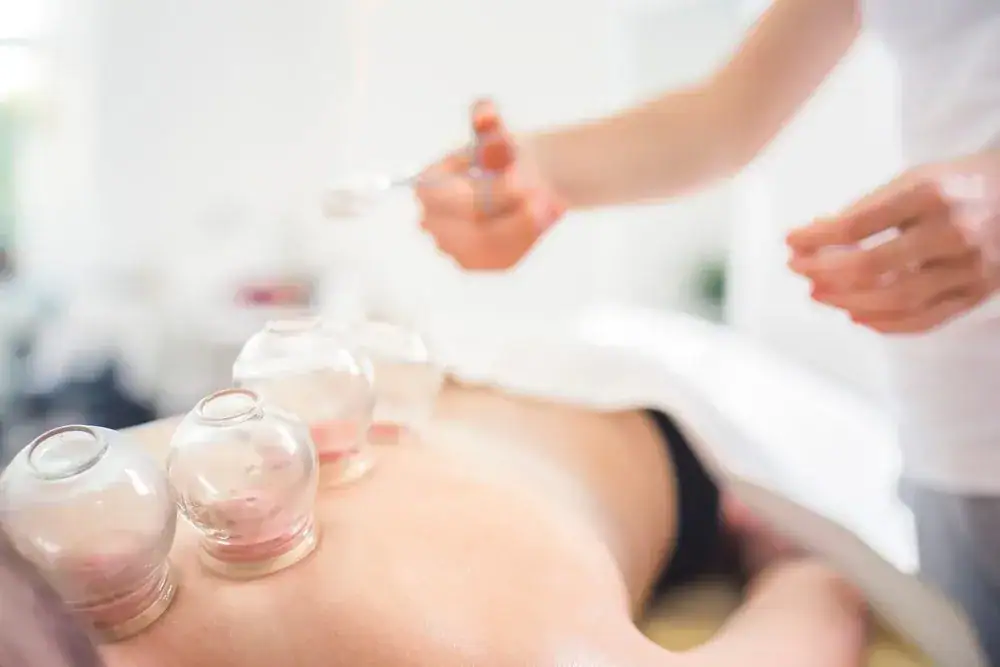
Yes, and the research backs it up. Studies show that cupping therapy is effective for chronic neck pain, low back pain, and fibromyalgia when compared to conventional treatments. Patients with chronic musculoskeletal pain experience significantly improved pain relief and functional capability, especially when cupping is combined with other physical therapy treatments.
Here’s why it works: chronic back pain often stems from tight muscles, restricted fascia, and poor circulation in the affected area. Cupping addresses all three by increasing blood flow, releasing trigger points, and loosening tissue that’s been locked up for months or years.
That said, cupping isn’t a standalone miracle. It works best as part of a complete treatment plan that might include strengthening exercises, posture correction, and lifestyle adjustments. We’ve seen patients who’ve been to multiple physical therapy clinics without relief finally get better because we took the time to address the root cause, not just the symptoms.
Some people feel relief immediately. One athlete with over a year of IT band pain reported instant relief after a three-minute cupping session and was symptom-free after just two treatments. That’s not unusual for acute muscle issues or localized tension.
For chronic conditions like long-term back pain or fibromyalgia, you’re looking at a few sessions before you notice significant improvement. Most patients start feeling better within two to four treatments, but everyone’s different. Your timeline depends on how long you’ve been in pain, what’s causing it, and how your body responds to increased circulation.
We’ll give you a realistic expectation during your evaluation. If we think you’ll need six sessions, we’ll tell you. If we think you’ll feel better after two, we’ll tell you that too. No one benefits from vague promises or dragged-out treatment plans.
Cupping therapy is safe when performed by a licensed physical therapist who understands anatomy and proper technique. The circular marks you see after treatment aren’t bruises—they’re a result of increased blood flow to the surface of your skin. They typically fade within three to seven days and don’t cause any lasting damage.
We maintain the highest standards of cleanliness. Every cup is sterilized using chemical sanitation and steam between patients. You’re not at risk of infection or cross-contamination. We also evaluate your medical history before starting treatment to make sure cupping is appropriate for your specific condition.
There are some situations where cupping isn’t recommended—like if you’re on blood thinners, have certain skin conditions, or are pregnant. That’s why the evaluation matters. We’re not just going through the motions. We’re making sure this treatment is right for you before we start.
Absolutely. Athletes and active individuals use cupping therapy to speed up muscle recovery, reduce exercise-induced soreness, and improve range of motion. The increased circulation helps flush out metabolic waste that builds up in your muscles after intense training, which means less soreness and faster recovery between workouts.
Cupping also helps release tight fascia and trigger points that limit your mobility. If you’ve ever felt like your muscles are locked up or your flexibility has disappeared, that’s often fascial restriction. Cupping addresses that by creating space in the tissue and improving blood flow to areas that aren’t getting enough oxygen.
We’ve worked with runners, CrossFit athletes, tennis players, and gym-goers in Islandia, NY who’ve all seen improvements in performance and recovery. It’s not about giving you an edge—it’s about helping your body do what it’s supposed to do without being held back by tension and restricted movement.
The difference is clinical expertise and treatment goals. At a spa, cupping is usually part of a relaxation service. At a physical therapy clinic like ours, cupping is a targeted treatment designed to address specific musculoskeletal issues and pain conditions.
Our licensed physical therapists understand anatomy, biomechanics, and how to integrate cupping with other evidence-based therapies. We’re not just placing cups randomly—we’re targeting the exact areas that need increased circulation, fascial release, or trigger point therapy based on your evaluation and diagnosis.
You also get a comprehensive treatment plan, not a one-off session. We track your progress, adjust your therapy as needed, and make sure you’re actually getting better, not just feeling temporarily relaxed. If cupping isn’t working, we’ll tell you and pivot to something that will. That level of accountability doesn’t exist in a spa setting.
In many cases, yes—if cupping is performed as part of a physical therapy treatment plan. Insurance companies typically cover cupping when it’s deemed medically necessary and provided by a licensed physical therapist, which is exactly how we operate.
Coverage varies depending on your specific plan, so we recommend calling your insurance provider to confirm your benefits before your first appointment. We can also help verify your coverage and provide documentation if needed. Our goal is to make treatment accessible, not to surprise you with unexpected costs.
If you don’t have insurance or your plan doesn’t cover cupping, we’ll discuss transparent pricing upfront. You’ll know what you’re paying before we start treatment. No hidden fees, no billing surprises. Just straightforward communication about what your care will cost and what you’re getting for it.
Other Services we provide in Islandia