
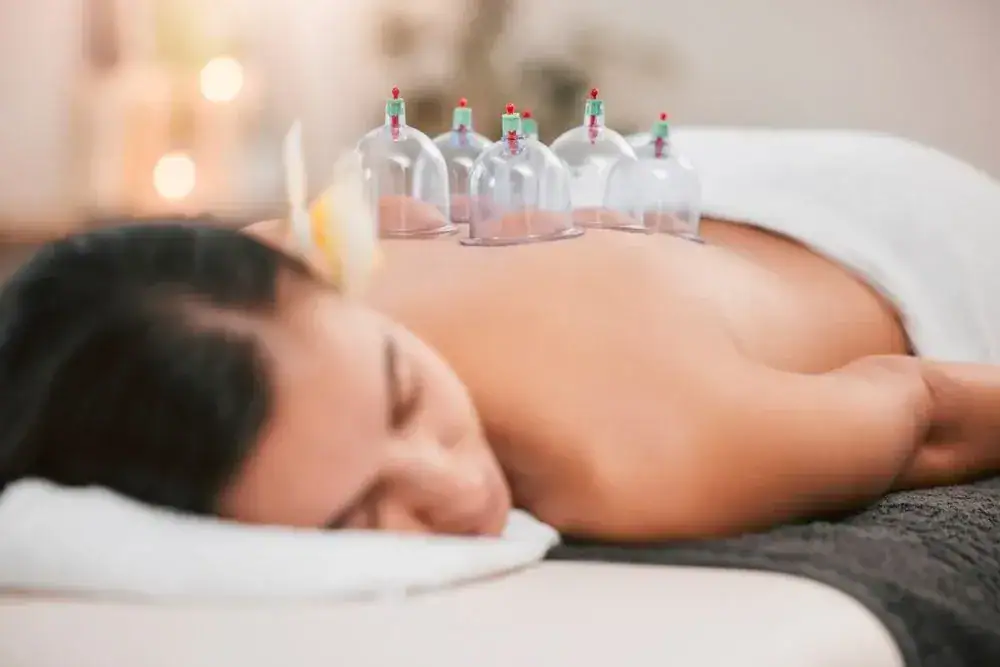

You’ve probably tried heat, ice, stretching, maybe even medications that barely touch the pain. Cupping therapy works differently—it increases blood flow to tight, painful areas and helps your body actually heal the underlying tension instead of just masking symptoms.
The suction gently lifts tissue away from muscle, creating space for fresh blood and oxygen to reach areas that have been locked up for weeks or months. That means less stiffness when you get out of bed, better range of motion when you reach overhead, and the ability to move through your day without constantly thinking about your back, neck, or shoulders.
Most people notice looser muscles after the first session. Over time, you’ll likely find you’re bending easier, sleeping better, and relying less on ibuprofen to get through the day. It’s not a magic cure, but it’s a real tool that helps your body do what it’s supposed to do—recover.
We’ve been providing home-based physical therapy across Long Island for over a decade. We cover Island Park and surrounding Nassau County communities with licensed therapists who understand how to integrate modern techniques like cupping therapy into comprehensive treatment plans.
You’re not getting a massage therapist dabbling in wellness trends. You’re working with physical therapy professionals who’ve trained in myofascial decompression and know how to combine dry cupping with other evidence-based treatments to address your specific condition.
Every therapist on our team is licensed, insured, and experienced in treating the types of chronic pain and mobility issues common among Island Park residents—whether that’s lower back pain from years of desk work, shoulder tension from repetitive strain, or knee pain that’s limiting your ability to walk the boardwalk.
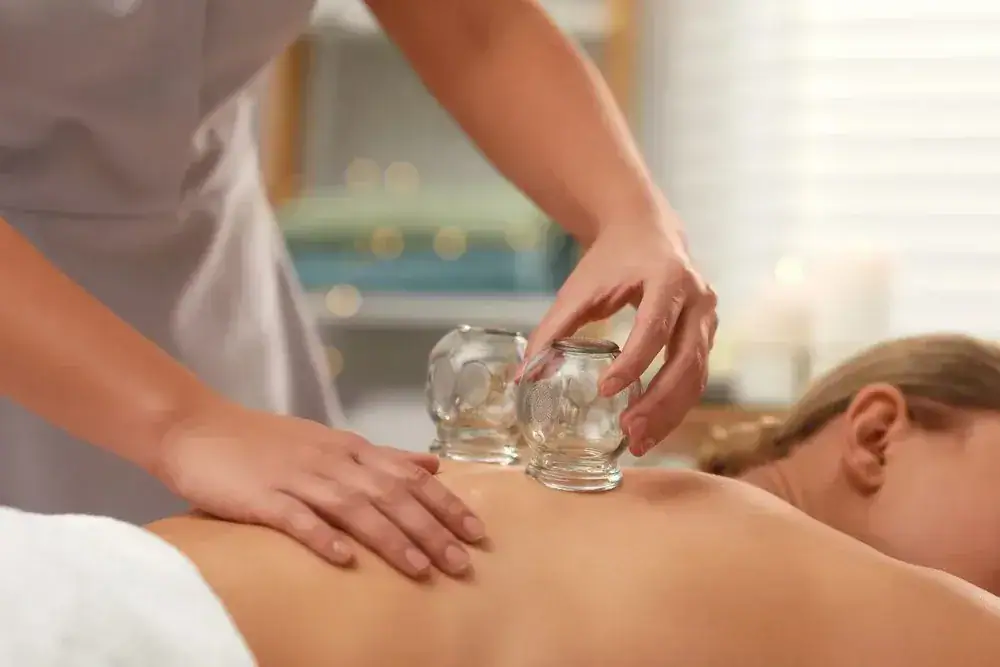
Your therapist starts with an assessment—asking about your pain, testing your range of motion, and identifying which muscles are contributing to your discomfort. This isn’t a one-size-fits-all approach.
During dry cupping, small cups are placed on your skin over the affected area. A pump creates suction that gently pulls tissue upward, increasing circulation and releasing fascial restrictions. You’ll feel a tight pulling sensation, but it shouldn’t hurt. Most people find it surprisingly relaxing.
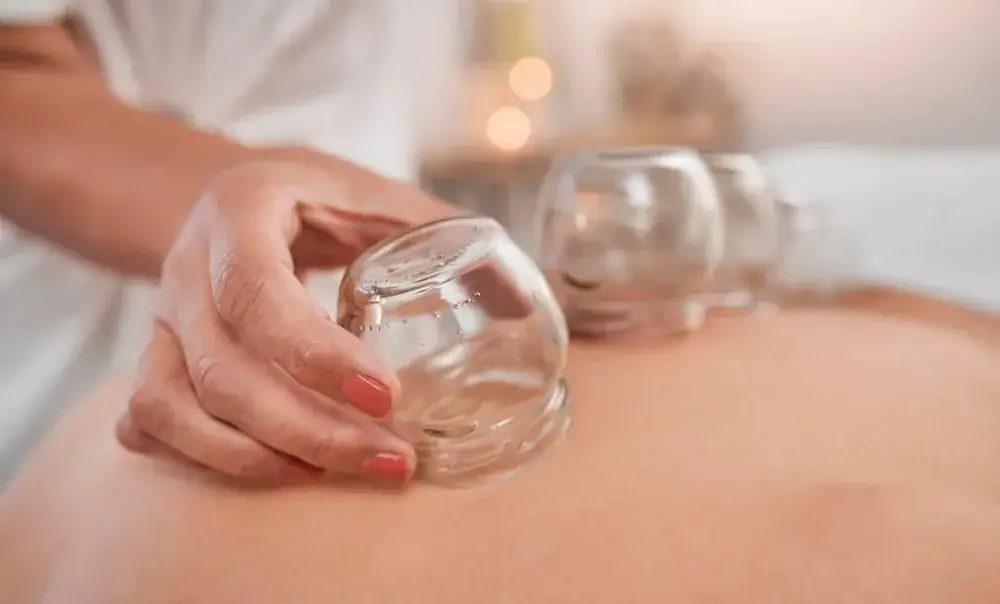
The cups typically stay in place for 5 to 15 minutes, depending on the treatment area and your response. Some therapists use stationary cupping, while others glide the cups across muscle groups to release broader areas of tension. You might see circular marks afterward—that’s normal and they fade within a few days.
After the cups come off, your therapist may follow up with stretching, manual therapy, or exercises to reinforce the benefits. The goal is to give you immediate relief while building lasting improvements in how your muscles function. Most treatment plans involve multiple sessions over several weeks, with adjustments based on how your body responds.
Ready to get started?
Cupping therapy works well for chronic lower back pain, neck stiffness, shoulder tension, and tight muscles that limit your mobility. It’s particularly effective when combined with other physical therapy techniques as part of a complete treatment plan.
Island Park residents dealing with arthritis pain, post-injury recovery, or muscle tension from stress often see noticeable improvement. Athletes use it to speed recovery between workouts. Office workers use it to undo the damage from sitting hunched over a computer all day.
You don’t need to be in crisis to benefit. If you’ve been dealing with nagging discomfort that won’t go away, or if you’re trying to avoid more invasive interventions, cupping offers a low-risk option with minimal side effects. It’s safe, non-pharmaceutical, and can be done right in your living room.
Because we come to you, there’s no need to arrange transportation or navigate stairs at a clinic when you’re already in pain. Your therapist brings everything needed and sets up wherever you’re comfortable. That convenience matters when you’re dealing with limited mobility or a packed schedule.
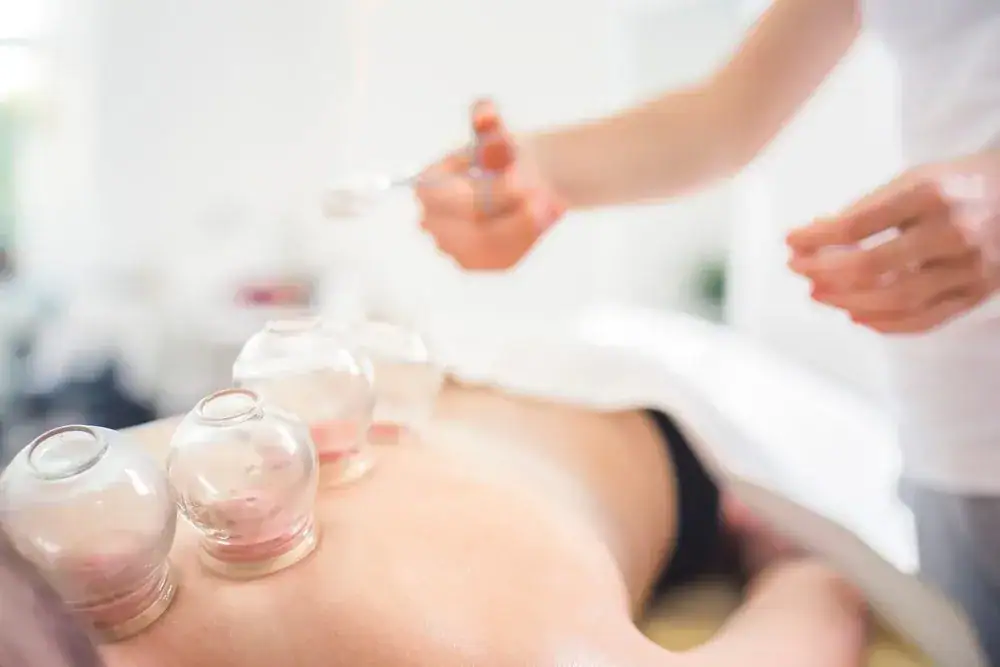
Yes, but let’s be clear about what the research shows. Cupping therapy has low to moderate evidence for reducing musculoskeletal pain and improving range of motion. That means it’s not a miracle cure, but it does help many people when used correctly.
The suction increases blood flow to targeted areas, which helps reduce inflammation and speeds tissue repair. It also releases fascial adhesions—those tight, stuck-together layers of tissue that restrict movement and cause pain. When you combine cupping with stretching and strengthening exercises, you’re addressing both the symptoms and the underlying muscle dysfunction.
Most people notice their muscles feel looser after a session, and over time, that translates to less pain and better movement. It won’t fix a herniated disc or reverse arthritis, but it can significantly reduce the muscle tension and stiffness that make those conditions worse.
You’ll likely see circular marks where the cups were placed, but they’re not exactly bruises. The discoloration comes from increased blood flow to the area, not from broken blood vessels like a typical bruise.
These marks are usually dark red or purple and can last anywhere from a few days to a week, depending on how tight your muscles were and how much suction was used. They don’t hurt—most people forget they’re there unless they catch a glimpse in the mirror.
If you’re concerned about visible marks for an upcoming event, let your therapist know. They can adjust the intensity or focus treatment on areas that won’t be visible. The marks are actually a sign the therapy is working, but we understand they’re not always convenient.
Massage pushes tissue down into muscle. Cupping pulls tissue up and away from muscle. That difference matters because it creates space for blood flow and releases restrictions that hands-on pressure can’t always reach.
Think of it this way: if your fascia is stuck to your muscle like plastic wrap clinging to itself, massage tries to smooth it out from the outside. Cupping lifts it up, creating separation so everything can move independently again.
We don’t use cupping instead of other physical therapy techniques—we use it alongside them. Your treatment might include cupping to release tight areas, followed by targeted stretching to restore range of motion, and exercises to strengthen supporting muscles. That combination addresses the problem from multiple angles, which tends to produce better long-term results than any single approach.
Most people feel some relief after the first session—looser muscles, less stiffness, improved range of motion. But one session won’t fix chronic tension that’s been building for months or years.
A typical treatment plan involves 6 to 12 sessions over several weeks, with frequency depending on your condition and how your body responds. Acute issues might resolve faster. Chronic pain usually requires more consistent treatment to retrain muscles and break the pain cycle.
Your therapist will reassess your progress regularly and adjust the plan as needed. Some people continue with occasional maintenance sessions after their initial symptoms improve. Others graduate to a home exercise program once they’ve regained mobility and strength. The goal is always to get you functioning well on your own, not to keep you dependent on treatment indefinitely.
When cupping is provided as part of a physical therapy treatment plan by a licensed PT, it’s often covered under your physical therapy benefits. That includes Medicare, which covers outpatient therapy services when medically necessary.
Coverage depends on your specific plan, your diagnosis, and whether you’ve met any deductibles. We verify benefits before starting treatment and can explain what your out-of-pocket costs will look like.
Because we’re a licensed physical therapy provider—not a spa or wellness center—our services are billed as medical treatment, not alternative medicine. That distinction matters for insurance purposes. We handle the paperwork and work directly with your insurance company to maximize your benefits and minimize surprise costs.
Yes. That’s exactly how we deliver it. Our therapists come to your home in Island Park with all the equipment needed to provide professional cupping therapy in your living room, bedroom, or wherever you’re most comfortable.
Home-based treatment makes sense for several reasons. You don’t have to drive when you’re in pain. You can schedule sessions around your day without losing time to travel and waiting rooms. And you can move directly into rest or your normal routine after treatment instead of getting back in the car.
We’ve been providing home therapy across Nassau County since 2010, so we know the Island Park area well. Your therapist arrives on time, sets up quickly, delivers focused treatment, and leaves your space exactly as they found it. It’s professional care without the hassle of a clinic visit.
Other Services we provide in Island Park