

Chronic muscle tension doesn’t just hurt. It limits how you move, how you sleep, and how you show up for the people and activities that matter.
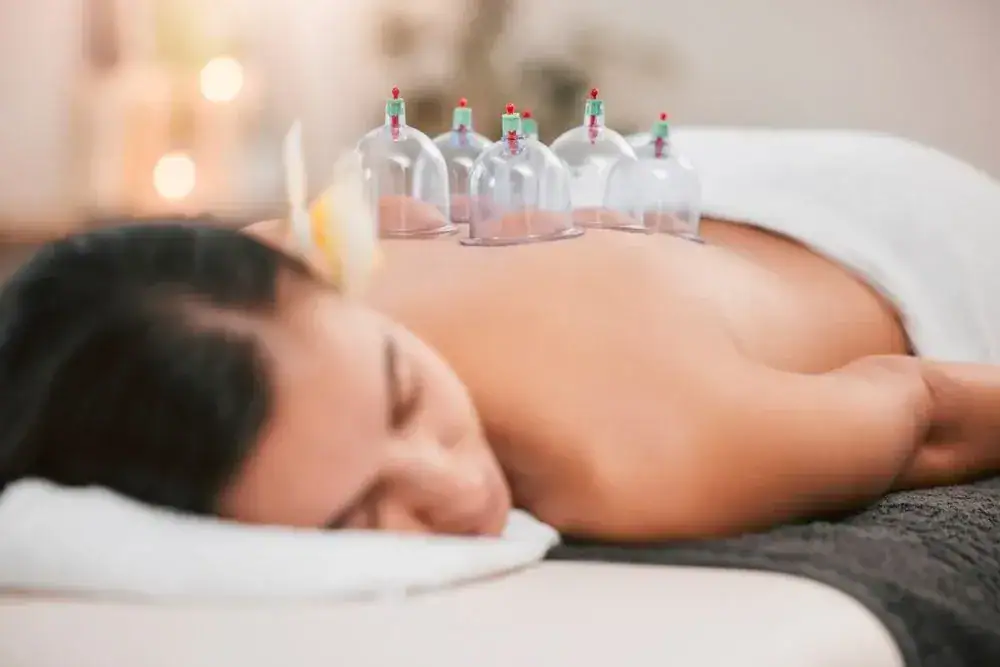
Cupping therapy works by creating suction on targeted areas of your body, increasing blood flow to muscles that have been tight for too long. That increased circulation helps release trigger points, reduce inflammation, and speed up recovery. The result isn’t just less pain—it’s better mobility, less stiffness in the morning, and the ability to get through your day without constantly adjusting how you sit or stand.
Most people notice a difference after their first session. Not because cupping is magic, but because your body responds when you give it the right kind of help. For Herricks residents dealing with work-related tension, sports injuries, or just the wear and tear of daily life, this is one of the most effective non-invasive options available.
We’ve been serving Long Island communities for years, with locations across Nassau County and beyond. Our Herricks patients come to us because they want licensed professionals who take the time to understand what’s actually going on—not just where it hurts, but why.
Every cupping session is part of a larger treatment plan. We don’t just place cups and set a timer. Our physical therapists assess your movement patterns, identify areas of restriction, and combine cupping with other therapies when it makes sense for your recovery.
We accept most major insurance plans, and our team handles the billing process so you can focus on getting better. Herricks is a community where people work hard and expect results. We get that, and we don’t waste your time.
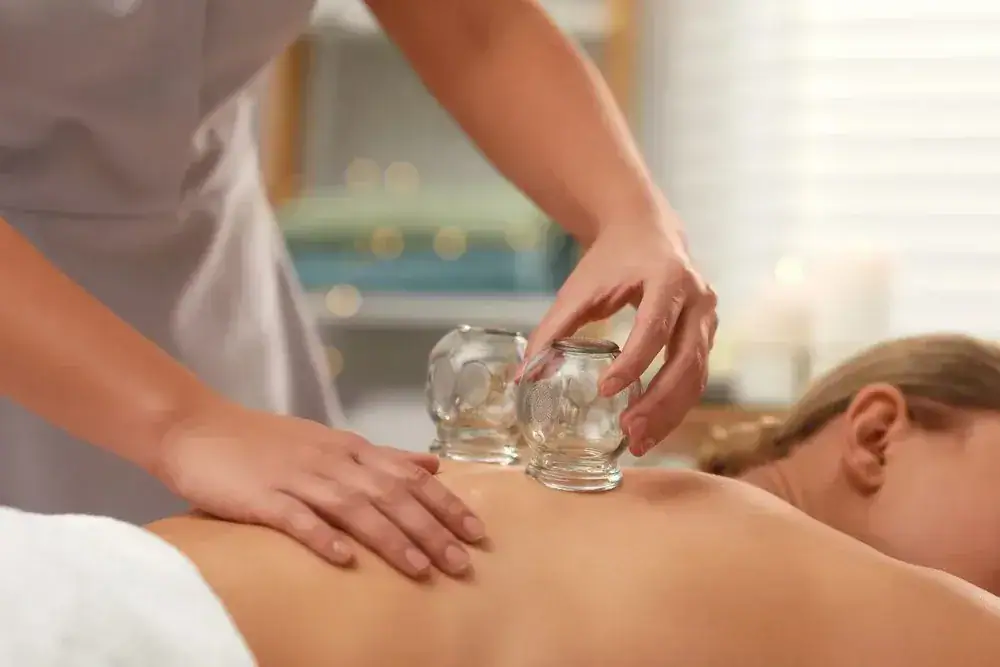
Your first visit starts with an evaluation. We ask about your pain, your daily routine, and what you’ve already tried. Then we assess your movement and identify the areas that need attention.
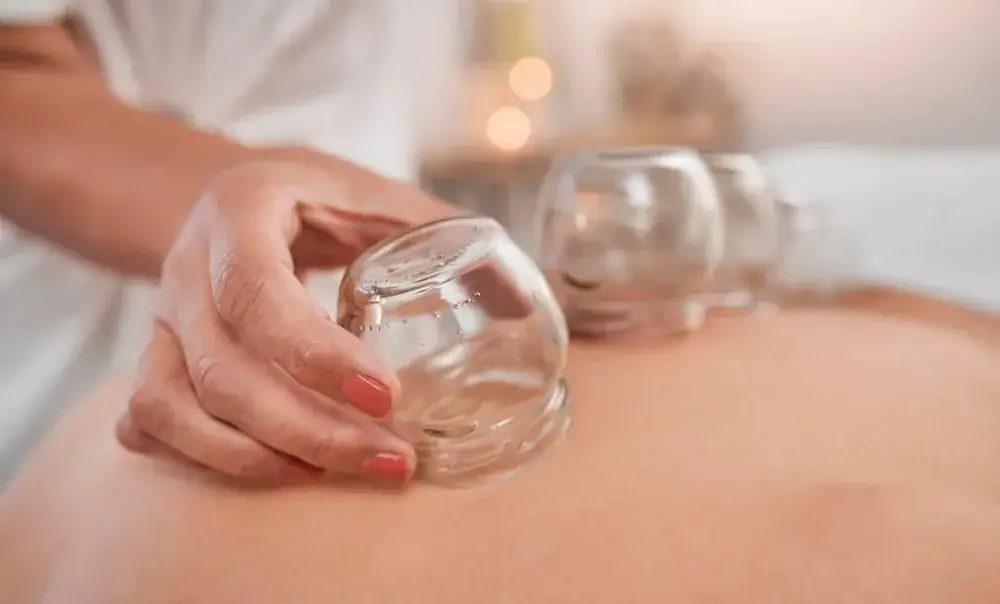
During the cupping session itself, we place specialized cups on your skin—usually on your back, shoulders, neck, or legs. The suction pulls blood to the surface, which is what creates those circular marks you might have seen. Those marks aren’t bruises and they don’t hurt. They’re a sign that stagnant blood and tension are being drawn out so fresh circulation can move in.
Most sessions last 20 to 30 minutes. Some people feel immediate relief. Others notice the difference over the next day or two as inflammation decreases and tight muscles start to release. We’ll talk through what you’re feeling and adjust your treatment plan as you progress.
Dry cupping is the most common method we use—it’s non-invasive, safe, and effective for most pain conditions. If your situation calls for a different approach, we’ll explain why and give you options. No surprises.
Ready to get started?
Cupping works well for people dealing with chronic back pain, neck and shoulder tension, and muscle tightness that doesn’t respond to stretching or rest. It’s also effective for athletes recovering from intense training or anyone dealing with stress-related muscle stiffness.
In Herricks and the surrounding Nassau County area, we see a lot of professionals who sit at desks all day and develop tension in their upper back and neck. We also treat people recovering from injuries, dealing with headaches caused by muscle tension, or managing conditions like fibromyalgia where traditional pain management hasn’t been enough.
Cupping isn’t a replacement for physical therapy—it’s a tool that enhances it. When combined with targeted exercises, manual therapy, and movement training, cupping helps you recover faster and stay pain-free longer. We customize every treatment plan based on what your body needs, not what’s easiest to bill for.
If you’ve tried massage, medication, or rest and you’re still dealing with the same pain, cupping might be the missing piece. It’s not experimental or fringe—it’s a clinically supported therapy that’s been used for thousands of years and continues to deliver results today.
Yes, and the research backs it up. Cupping therapy has been clinically shown to reduce pain, improve mobility, and calm the nervous system. It works by increasing blood flow to areas where muscles are tight or inflamed, which helps your body heal faster.
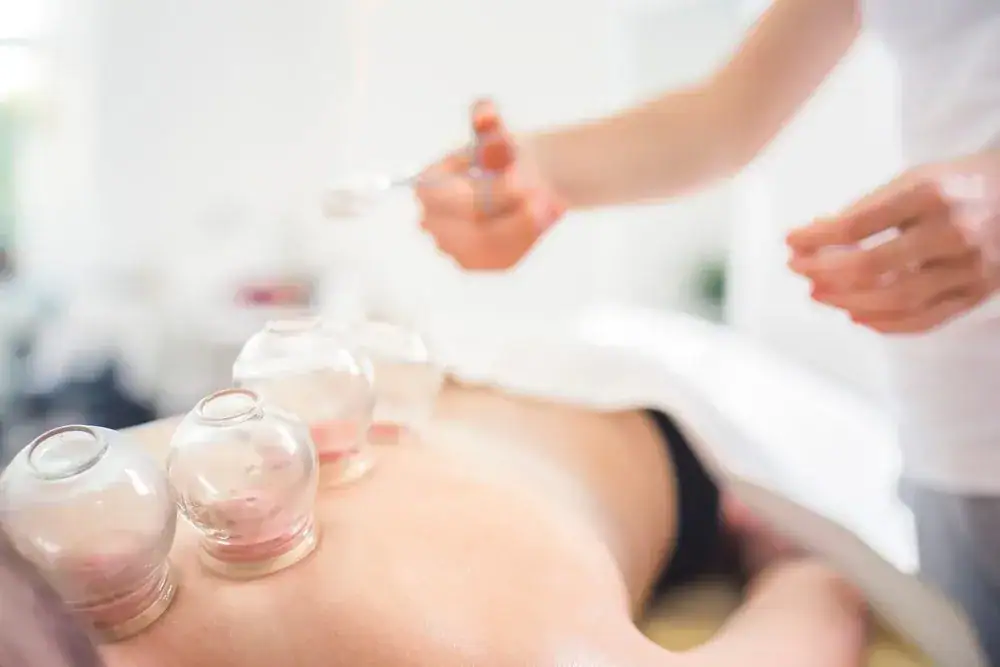
The suction created by the cups pulls stagnant blood and metabolic waste to the surface, allowing fresh oxygen and nutrients to reach the tissue. This process reduces inflammation and releases trigger points that contribute to chronic pain. For people dealing with conditions like lower back pain, neck tension, or muscle stiffness, cupping provides relief that’s often more effective than stretching or rest alone.
That said, cupping works best as part of a complete treatment plan. At Medcare, we combine it with physical therapy exercises, manual techniques, and movement training to address the root cause of your pain—not just the symptoms.
The circular marks left by cupping aren’t bruises. They’re caused by blood being drawn to the surface of your skin, which is exactly what’s supposed to happen. The darker the mark, the more stagnation was present in that area.
These marks typically fade within three to seven days and aren’t painful to the touch. Most people don’t feel any discomfort from them at all. They’re a visual sign that the therapy is working—pulling out old, stagnant blood so your body can replace it with fresh circulation.
If you’re concerned about visible marks for work or social reasons, let your therapist know. We can adjust cup placement or use lighter suction in areas that will be exposed. But for most people, the marks are a small trade-off for the relief they experience.
It depends on what you’re dealing with and how long you’ve had the problem. Some people feel significant relief after one or two sessions. Others with chronic conditions benefit from ongoing treatment over several weeks.
During your initial evaluation, we’ll give you a realistic timeline based on your specific situation. Acute muscle tension from a recent injury usually responds faster than chronic pain that’s been building for months or years. We’ll also factor in your goals—whether you’re trying to recover from an injury, manage a chronic condition, or improve athletic performance.
Most treatment plans involve weekly sessions at first, then taper off as you improve. We’re not interested in keeping you coming back longer than necessary. The goal is to get you better and give you the tools to stay that way.
In most cases, yes—when it’s performed as part of a physical therapy treatment plan. We accept most major insurance plans, and cupping is typically billed under physical therapy services.
Coverage varies depending on your specific plan, deductible, and whether you need a referral from your primary care doctor. Our billing team will verify your benefits before your first appointment so you know exactly what to expect. We handle all the paperwork and claims processing, which means less hassle for you.
If you don’t have insurance or your plan doesn’t cover cupping, we’ll discuss self-pay options. Either way, you’ll know the cost upfront—no surprise bills after the fact.
No. Most people describe the sensation as a tight pulling feeling, but not painful. The suction can feel intense at first, especially if your muscles are very tight, but it shouldn’t hurt.
If you do feel discomfort during the session, let your therapist know immediately. We can adjust the suction level or reposition the cups. The goal is therapeutic relief, not endurance. Some people find the sensation relaxing once they get used to it.
After the session, you might feel a little sore—similar to how you’d feel after a deep tissue massage. That soreness usually fades within a day. Drinking plenty of water after your session helps flush out the toxins that were released and reduces any lingering muscle tenderness.
Absolutely. In fact, that’s how we get the best results. Cupping works well alongside manual therapy, therapeutic exercise, and other physical therapy techniques. Many of our patients receive cupping as part of a broader treatment plan that addresses their specific condition.
For example, if you’re recovering from a back injury, we might use cupping to release tight muscles, then follow up with targeted exercises to strengthen the area and prevent re-injury. If you’re dealing with stress-related tension, we might combine cupping with techniques that calm your nervous system and improve your body’s stress response.
The key is customization. We don’t use a one-size-fits-all approach. Your treatment plan is based on your body, your pain, and your goals—and we adjust it as you progress.
Other Services we provide in Herricks