
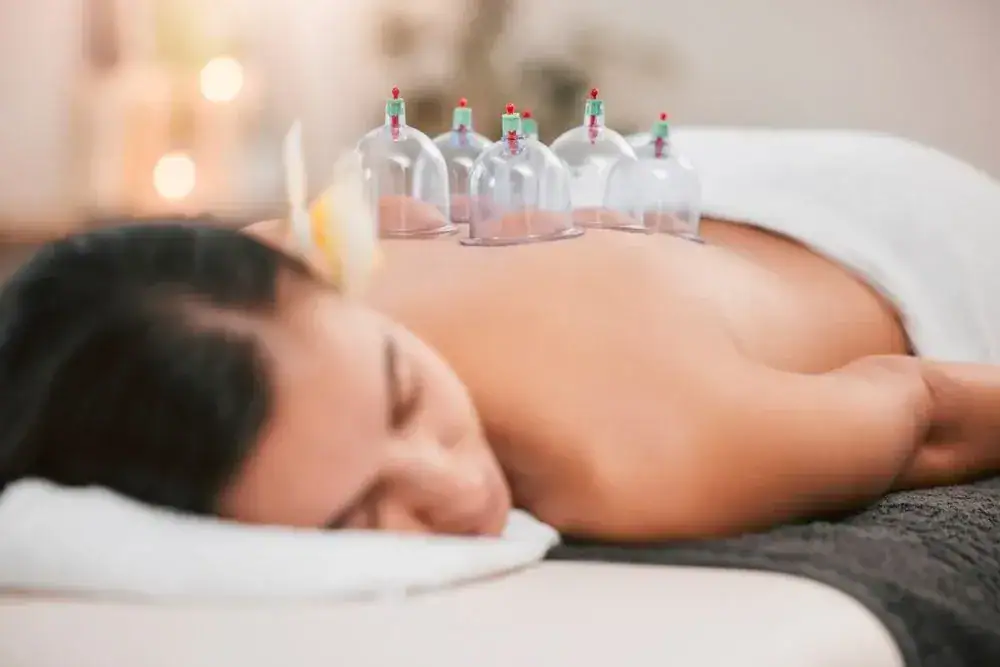

You’re dealing with back pain that won’t quit, neck tension that’s become your new normal, or muscles so tight they’re limiting what you can do. Cupping therapy uses controlled suction to pull blood toward the skin’s surface, increasing circulation to areas that need it most.
That increased blood flow does something important. It loosens muscle fibers that have been locked up, reduces inflammation that’s been causing discomfort, and helps your body move the way it’s supposed to again.
You might notice your range of motion improving—reaching overhead without wincing, turning your head to check your blind spot without that familiar catch. The tightness that’s been dictating your day starts to release. Many people in Halesite dealing with chronic conditions like arthritis or recovering from muscle strains find that cupping gives them relief when other approaches haven’t quite gotten there.
This isn’t about masking symptoms. It’s about addressing what’s actually causing the restriction and discomfort so you can get back to your regular activities without constantly thinking about pain.
Medcare Therapy Services has spent over a decade serving Nassau County communities like Halesite with home-based physical therapy. We know the local population—we’re treating your neighbors, many of whom are over 55 and dealing with mobility limitations that make getting to a clinic harder than it should be.
Our therapists are licensed professionals trained in cupping and other evidence-based techniques. We accept Medicare and work with most insurance plans, which matters when you’re trying to manage healthcare costs without sacrificing quality care.
What sets us apart in Halesite is simple: we come to you. That means no struggling with transportation, no waiting in lobbies, and no rushing through treatment because the next appointment is waiting. You get focused, personalized care in the environment where you’re most comfortable.
Your therapist starts with an assessment. They’ll ask about your pain—where it is, how long you’ve had it, what makes it better or worse. This isn’t just small talk; it determines how they’ll approach your treatment.
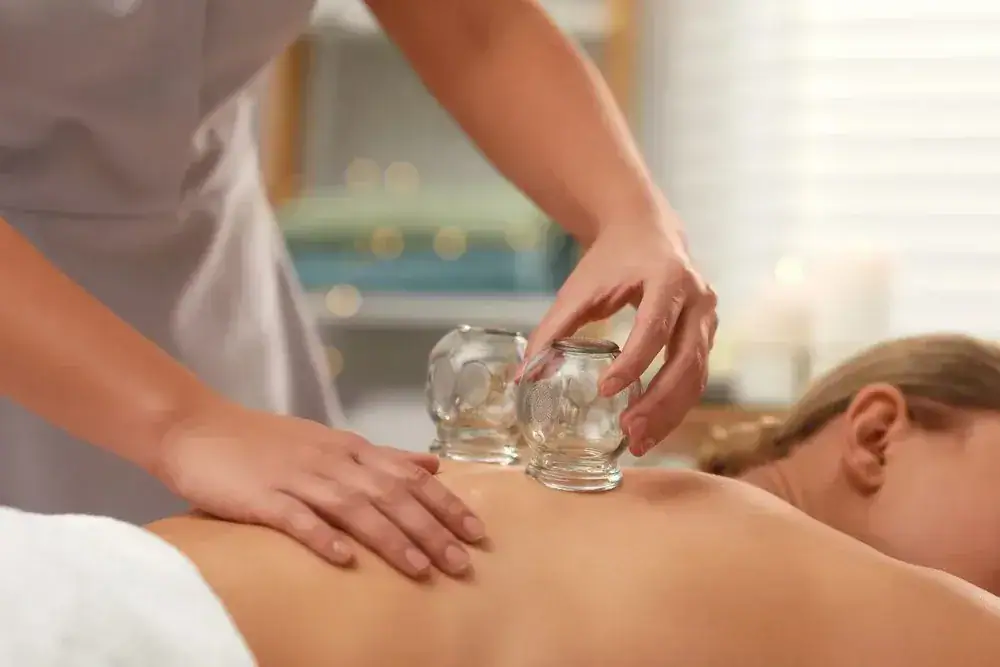
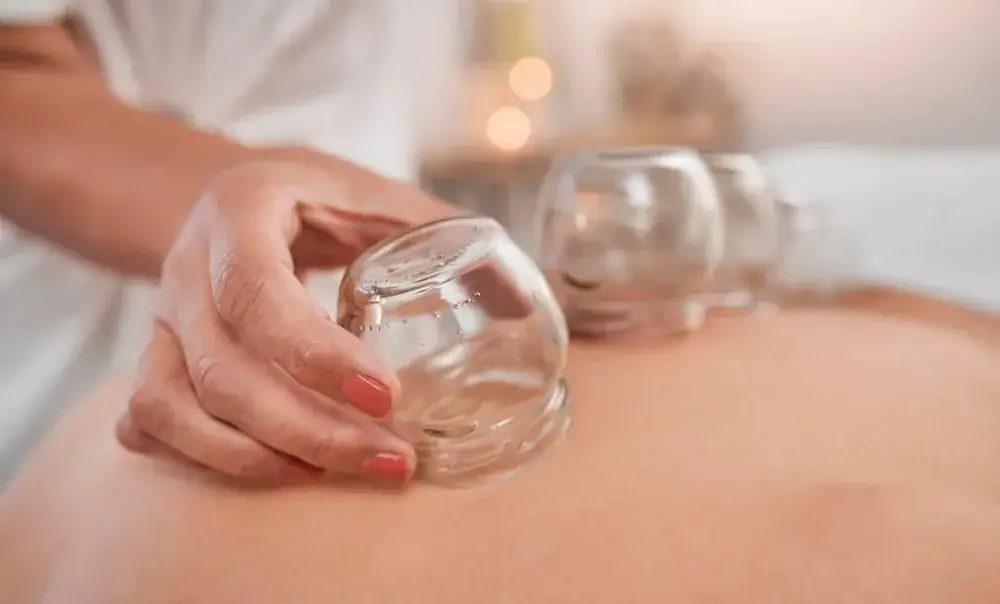
During the cupping session, your therapist places specialized cups on your skin over the affected areas. These create suction that draws your skin and underlying tissue upward into the cup. You’ll feel a pulling sensation, but it shouldn’t hurt. The suction increases blood flow to that specific spot, which is the whole point.
Most sessions last 15 to 30 minutes depending on what you’re treating. The cups might stay in one place (that’s dry cupping), or your therapist might move them across your skin to address a larger area. Afterward, you might see circular marks where the cups were—that’s normal and they fade within a few days.
Many people feel immediate relief in muscle tension. Others notice improvement over the next day or two as inflammation decreases and circulation continues doing its work. Your therapist will recommend a treatment schedule based on your specific condition and how you respond.
Ready to get started?
Cupping therapy addresses several issues at once. The suction releases fascial restrictions—that’s the connective tissue that can get stuck and limit your movement. When fascia moves properly again, your muscles can glide the way they’re designed to.
You’re also getting targeted inflammation reduction. The controlled suction creates what’s called micro-trauma, which sounds worse than it is. Your body responds by sending healing chemicals, white blood cells, and fibroblasts to the area. That’s your natural healing process getting a boost exactly where you need it.
For Halesite residents dealing with chronic conditions, this matters more than you might think. Nassau County has a rapidly aging population, and research shows that 60% of independent elderly adults experience daily pain. Many are looking for alternatives to medications that come with side effects or risks, especially NSAIDs that can cause complications in older adults.
Cupping gives you a low-risk option that’s been used for thousands of years and is now backed by modern research. Studies show it significantly improves range of motion and reduces pain, particularly for conditions like low back pain, neck pain, and knee osteoarthritis. Athletes use it for recovery. Physical therapists incorporate it into treatment plans for strains, sprains, and musculoskeletal injuries.
When we bring cupping therapy to your Halesite home, you’re getting professional treatment without the hassle of leaving your house—which is especially valuable if you’re among the 20% of Nassau County residents dealing with mobility limitations.
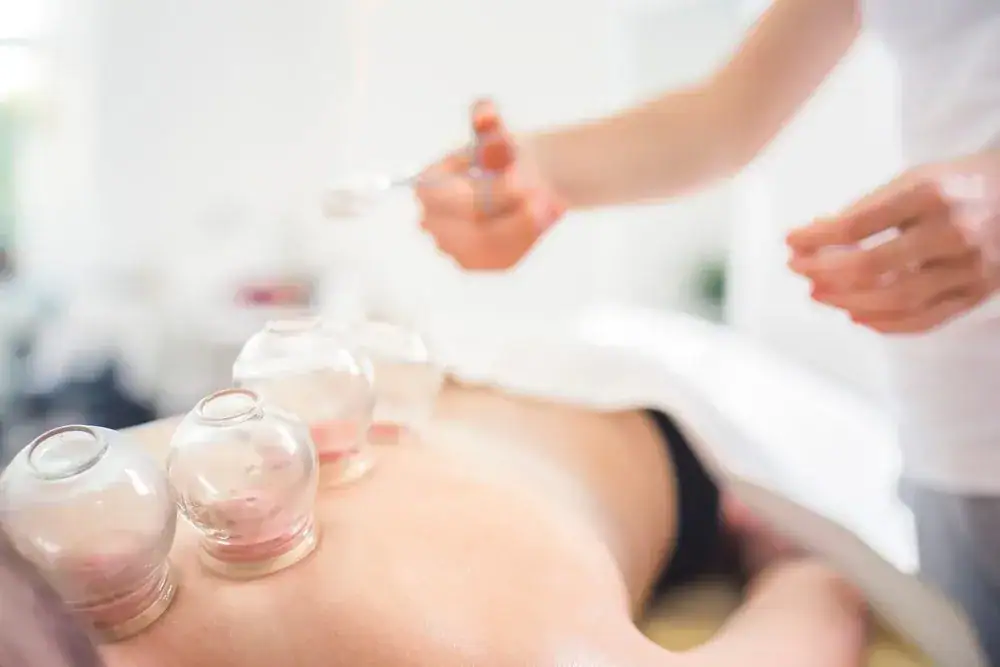
Yes, and there’s research backing this up. Multiple studies show that cupping provides moderate-quality evidence for relieving chronic low back pain. It works by increasing blood circulation to the affected area and releasing muscle tension that’s contributing to your discomfort.
Here’s what’s happening: chronic back pain often involves muscles that have been tight for so long they’re not getting adequate blood flow. Cupping creates suction that draws blood to the surface, which helps loosen those locked-up muscle fibers and reduces inflammation in the surrounding tissue.
Most people don’t get complete relief from one session. Your physical therapist will likely recommend a series of treatments combined with other techniques. But many patients notice their pain decreasing and their ability to move improving within the first few sessions. The key is consistency and working with a licensed therapist who can adjust the treatment based on how you’re responding.
If cupping is part of your physical therapy treatment plan, Medicare and most insurance plans will cover it. We accept Medicare and work with major insurance providers, so you’re likely covered for home-based physical therapy services that include cupping.
The important thing to understand is that cupping isn’t usually billed as a standalone service. It’s a technique your physical therapist uses as part of your overall treatment. When you call to schedule, our team will verify your specific coverage and let you know what to expect regarding costs.
For many Halesite residents, especially those over 65, Medicare Part B covers outpatient physical therapy services. That includes the therapy sessions where cupping is used. There may be copays or deductibles depending on your plan, but you won’t be paying out-of-pocket for the full cost of professional physical therapy.
Dry cupping is what most physical therapists use, and it’s what we’re talking about when we discuss cupping therapy for pain relief and muscle relaxation. The cups create suction on your skin without any incisions or bloodletting—that’s why it’s called “dry.”
There’s also wet cupping, which involves making small cuts in the skin and drawing out a bit of blood. That’s less common in physical therapy settings and more associated with traditional medicine practices. It’s not what you’ll typically receive during a physical therapy session focused on musculoskeletal issues.
Some therapists also use what’s called myofascial decompression, which is essentially dry cupping with movement. Instead of leaving the cups in place, your therapist might move them across your skin or have you move your body while the cups are attached. This can be particularly effective for releasing fascial restrictions and improving range of motion. Your therapist will choose the approach that makes the most sense for your specific condition.
Those circular marks usually fade within three to seven days. They look like bruises, but they’re not quite the same thing. The discoloration comes from blood being drawn to the surface and sometimes small capillaries breaking under the suction.
The marks don’t hurt. You might not even notice them unless you’re looking in a mirror. Some people get very visible marks, others barely show any discoloration at all—it depends on your skin, how much suction was used, and how your body responds.
If you’re concerned about visible marks for an upcoming event, let your therapist know before treatment. They can adjust the suction intensity or place cups in areas that will be covered by clothing. But for most people, the marks are just a temporary side effect that’s far outweighed by the pain relief and improved mobility they’re getting from treatment.
Yes, cupping can be effective for neck pain, and many people find it helps reduce tension headaches that stem from tight neck and shoulder muscles. Research shows moderate evidence supporting cupping for neck pain relief, similar to the evidence for back pain.
Tension headaches often come from muscles in your neck and upper back that have been tight for too long. When those muscles stay contracted, they can refer pain up into your head. Cupping addresses this by releasing that muscle tension and improving blood flow to the area.
Your physical therapist will place cups along your neck, shoulders, and upper back—wherever the tension is concentrated. The suction helps relax those muscles and can provide relief that lasts beyond the treatment session. Many patients dealing with chronic neck pain and recurring headaches find that regular cupping sessions, combined with other physical therapy techniques, significantly reduce both the frequency and intensity of their symptoms. It’s not a one-time fix, but it’s a legitimate tool for managing ongoing issues.
Yes, cupping is considered a low-risk therapy that’s safe for elderly patients when performed by a trained physical therapist. This matters in Halesite and across Nassau County, where the over-55 population is growing six times faster than the overall population.
Elderly patients often face complications from traditional pain medications. NSAIDs can cause kidney problems, stomach issues, and cardiovascular concerns in older adults. Cupping offers an alternative that doesn’t come with those medication-related risks.
That said, your therapist will assess your individual situation before starting treatment. If you have certain skin conditions, are on blood thinners, or have other specific health concerns, they’ll adjust the approach or recommend a different treatment. The beauty of home-based therapy is that your therapist can take the time to understand your complete health picture and provide treatment that’s truly appropriate for you—not rushed through because there’s a waiting room full of other patients.
Other Services we provide in Halesite