

You wake up without that stiffness in your lower back. You can turn your neck to check your blind spot without wincing. Your knees don’t ache after a walk around the neighborhood.
That’s what happens when cupping therapy addresses the root cause instead of just masking symptoms. The technique works by creating suction that lifts tissue, increases blood flow, and breaks up the fascial restrictions causing your pain. It’s not magic—it’s mechanical separation of layers that have gotten stuck together from injury, overuse, or chronic tension.
Most people notice reduced pain within the first few sessions. Range of motion improves. Inflammation decreases. You start moving the way you used to, without constantly adjusting your day around what hurts.
This isn’t about temporary relief that wears off in a few hours. Cupping therapy, especially when integrated with physical therapy, helps your body actually heal by improving circulation and reducing the densification in soft tissue that keeps you stuck in pain cycles.
We’ve been serving the North Fork community with professional physical therapy for years, with locations in Smithtown and Speonk. Every treatment is delivered by licensed physical therapists trained in cupping techniques—not massage therapists dabbling in wellness trends.
In Greenport West, where the median age is nearly 60 and chronic pain affects a significant portion of residents, you need providers who understand musculoskeletal conditions and how to treat them properly. We integrate cupping into comprehensive treatment plans designed around your specific condition, whether that’s osteoarthritis, chronic back pain, or recovery from injury.
We verify credentials, control access to patient information, and follow strict protocols because your trust matters. You’re not walking into a spa—you’re getting clinical-grade treatment from professionals who know anatomy, biomechanics, and evidence-based therapy techniques.
Your first session starts with an evaluation. Your physical therapist assesses your pain, reviews your medical history, and identifies which areas need treatment. This isn’t one-size-fits-all—the approach changes based on whether you’re dealing with acute injury or chronic conditions.
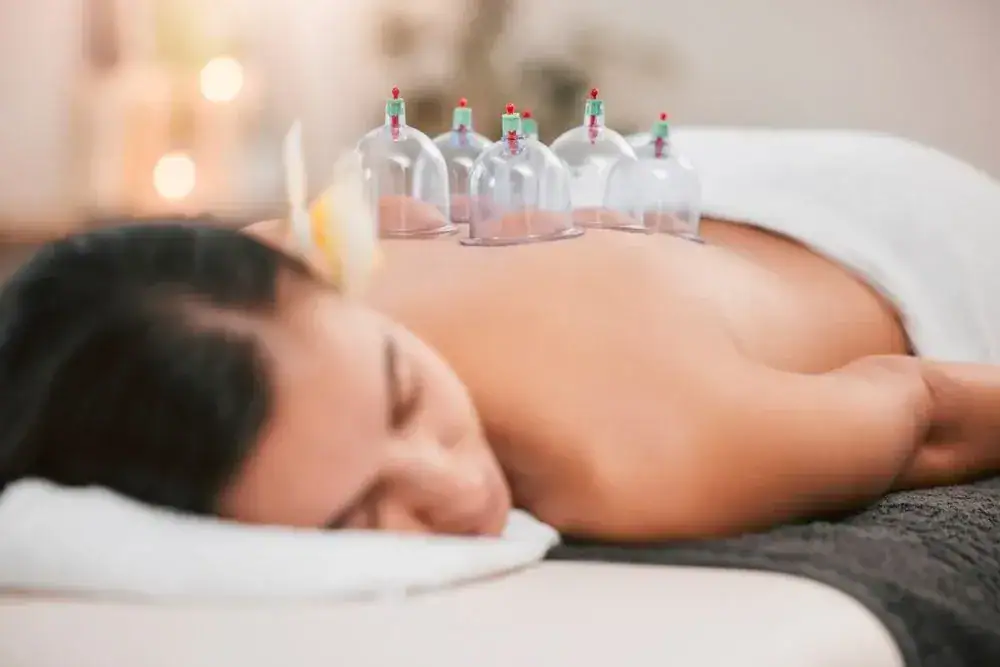
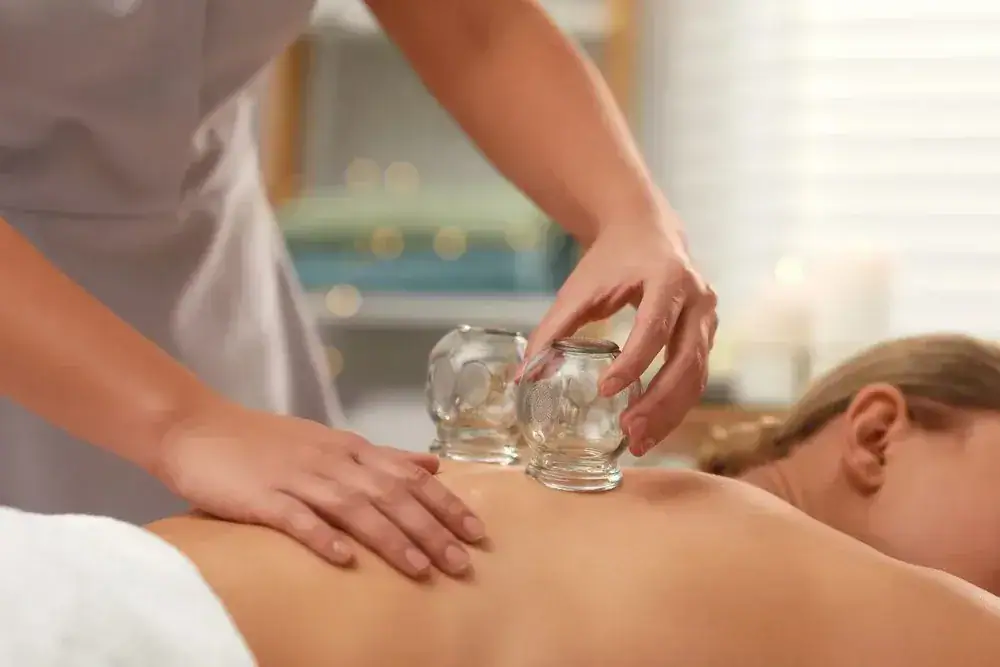
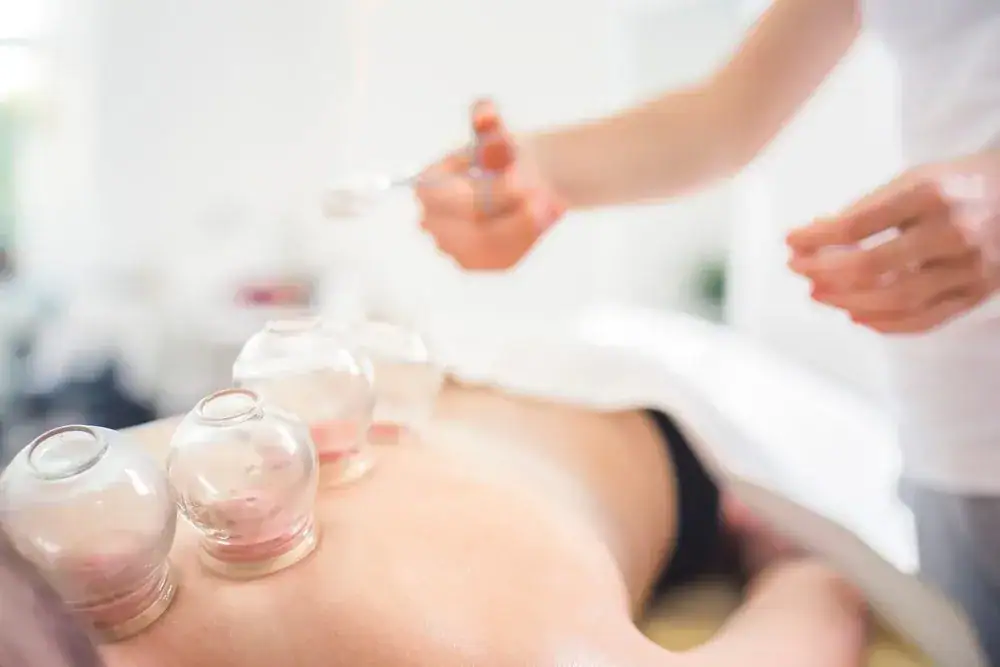
During dry cupping, your therapist places specialized cups on targeted areas of your body. These create suction that lifts the skin and underlying tissue away from the muscle. You’ll feel a pulling sensation, but it shouldn’t hurt. The cups stay in place for several minutes, or your therapist may move them across your skin to address larger areas.
The suction increases blood flow to the area, which brings oxygen and nutrients while removing metabolic waste. It mechanically separates fascial layers that have adhered together, which is often the source of restricted movement and pain. Some people see circular marks afterward—that’s normal and fades within a few days.
Most treatment plans involve multiple sessions over several weeks, often combined with other physical therapy techniques like manual therapy or therapeutic exercise. We adjust the approach based on how you respond, because recovery isn’t linear and your treatment shouldn’t be either.
Ready to get started?
Every cupping therapy session at Medcare includes a full physical therapy evaluation, not just cup placement. You get a licensed PT who understands the musculoskeletal system and can identify why you’re in pain in the first place.
We treat conditions common in Greenport West’s aging population: chronic lower back pain, neck pain from degenerative changes, knee osteoarthritis, and shoulder injuries. The therapy works particularly well for pain that hasn’t responded to medication or traditional treatments, giving you a non-pharmaceutical option that actually targets the problem.
You’re also getting integration with other proven techniques. Cupping doesn’t work in isolation—it’s most effective when combined with targeted exercises, manual therapy, and movement education. We build a complete plan that addresses strength, flexibility, and functional movement, not just pain reduction.
The demographic here skews older, with higher rates of chronic conditions and a preference for avoiding surgery when possible. Cupping therapy fits that need perfectly—it’s low-risk, non-invasive, and supported by research showing effectiveness for the exact conditions affecting this community most.
Yes, and the research backs it up. Multiple studies show cupping provides significant relief for chronic lower back pain, which is one of the most common complaints we see in Greenport West.
The mechanism is straightforward: cupping increases blood flow to restricted areas, reduces inflammation, and breaks up fascial adhesions that limit movement and cause pain. When tissue that’s been stuck together for months or years finally gets separated and receives proper circulation, pain decreases and mobility improves.
That said, cupping works best as part of a broader treatment plan. If your back pain stems from weak core muscles or poor movement patterns, cupping will help with immediate pain relief, but you’ll need strengthening exercises and movement retraining to prevent it from coming back. That’s why working with a physical therapist matters—we address the whole picture, not just the symptom.
Dry cupping uses suction alone. Wet cupping involves making small incisions in the skin before applying cups, which draws out small amounts of blood.
At Medcare, we use dry cupping exclusively. It’s safer, less invasive, and just as effective for the musculoskeletal conditions we treat. You get the same benefits—increased circulation, reduced muscle tension, improved fascial mobility—without any breaking of the skin.
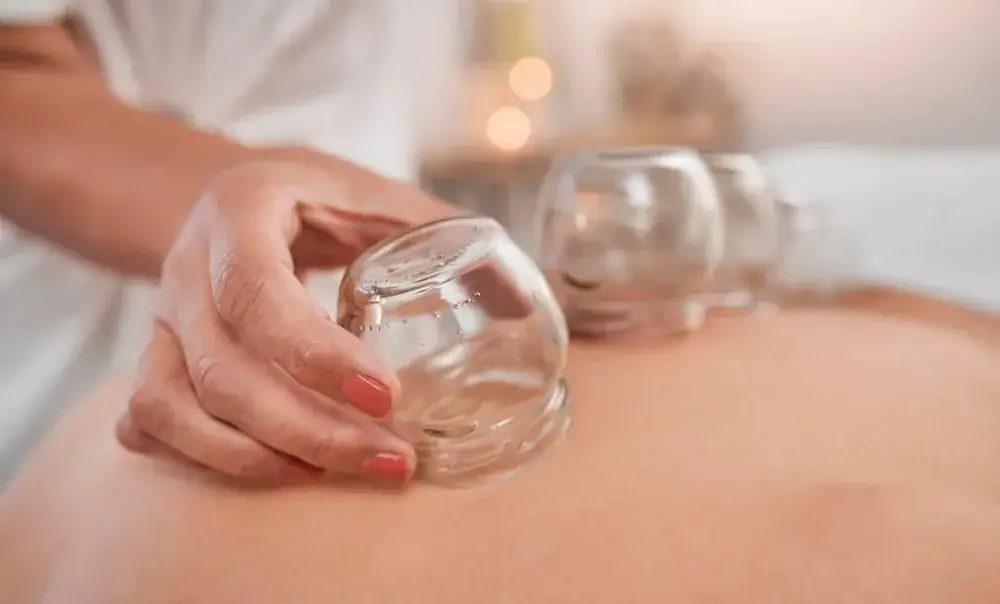
Dry cupping can be done stationary, where cups stay in one place, or with movement, where your therapist glides the cups across your skin after applying oil. Both techniques work; the choice depends on what area we’re treating and what your body responds to best. Most people tolerate it well, and the risk of side effects is minimal when performed by a licensed professional.
Most people notice some improvement within three to five sessions, but the total number depends on what we’re treating and how long you’ve had the problem.
Acute injuries—like a recent muscle strain—often respond quickly. You might feel significantly better after just a few treatments. Chronic conditions that have been building for years take longer because we’re not just reducing pain; we’re retraining tissue, improving movement patterns, and addressing compensations your body has developed.
A typical treatment plan runs six to eight weeks, with sessions one to two times per week. We reassess regularly and adjust based on your progress. Some people continue occasional maintenance sessions after their pain resolves, especially if they’re managing a chronic condition like arthritis. The goal isn’t to keep you coming forever—it’s to get you functional and give you tools to manage on your own.
When cupping is performed by a licensed physical therapist as part of your physical therapy treatment, it’s typically covered under your PT benefits. Insurance doesn’t usually cover cupping as a standalone service at a spa or wellness center.
At Medcare, cupping is integrated into your physical therapy plan, which means it falls under the same coverage as your other PT services. You’ll want to check your specific plan for details on copays, deductibles, and how many PT visits you’re allowed per year.
We handle verification and can help you understand your benefits before you start treatment. Most major insurance plans cover physical therapy when it’s medically necessary, and if you’re dealing with chronic pain or recovering from an injury, you likely qualify. The key is working with licensed professionals in a clinical setting, not a wellness spa.
Yes, usually. The suction creates circular marks that look like bruises but aren’t actually bruises. They’re caused by increased blood flow to the area and typically fade within three to seven days.
The marks don’t hurt—most people forget they’re there unless they look in a mirror. The intensity varies based on how much suction was used and how your body responds. Some people get dark purple circles; others barely show any discoloration.
If you have an event coming up where you’ll be wearing something that shows your back or shoulders, mention it to your therapist. We can adjust cup placement or timing so the marks fade before your event. The marks are a normal part of the process and actually indicate that the therapy is working—blood is moving into areas that weren’t getting proper circulation before.
Absolutely. Neck pain and tension headaches often stem from tight muscles and restricted fascia in the upper back, shoulders, and neck. Cupping addresses both by increasing blood flow and releasing tension in those exact areas.
Many people in Greenport West deal with neck pain from degenerative changes, poor posture, or old injuries that never fully healed. Cupping combined with manual therapy and corrective exercises can significantly reduce pain and improve your ability to turn your head without discomfort.
For headaches triggered by muscle tension, cupping targets the upper trapezius, suboccipital muscles, and other areas where tightness refers pain into your head. It’s not a cure for migraines or headaches caused by other medical conditions, but if your headaches are musculoskeletal in origin, cupping can make a real difference. We’ll evaluate whether your specific type of headache is likely to respond to this treatment.
Other Services we provide in Greenport West