
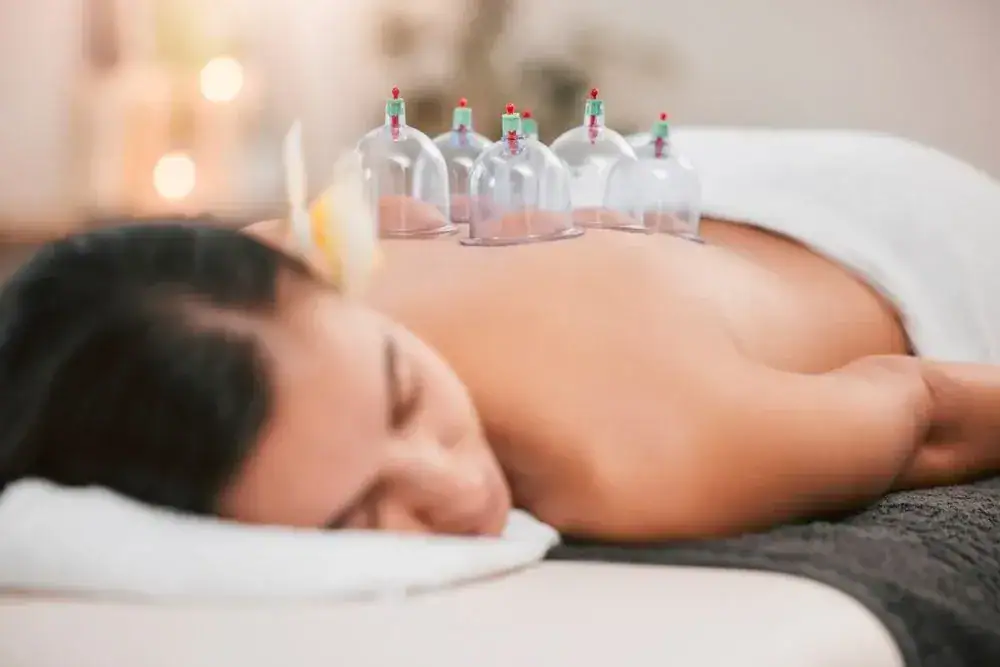
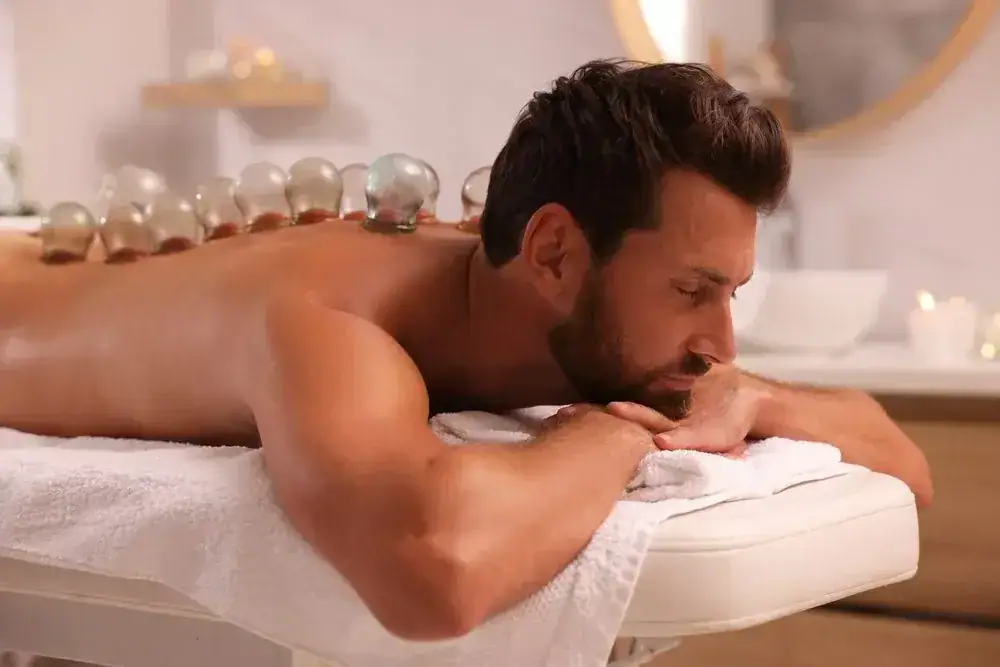
You’re not looking for temporary fixes. You want to move without wincing, sleep without waking up stiff, and get back to the activities that matter without planning your day around pain levels.
Cupping therapy works by increasing blood flow to areas that need it most. That enhanced circulation delivers oxygen and nutrients directly to injured or tense tissue, which speeds up your body’s natural healing process. The suction releases trapped muscle tension, loosens tight fibers, and reduces those stubborn trigger points that keep flaring up.
Most people notice immediate short-term pain reduction after a single session. But the real value shows up over time as muscle relaxation improves, inflammation decreases, and your range of motion comes back. You’re not just masking symptoms—you’re addressing what’s causing them.
This isn’t about believing in alternative medicine. It’s about using an evidence-based treatment that has moderate-quality research supporting its effectiveness for chronic neck pain, low back pain, knee osteoarthritis, and fibromyalgia. The kind of conditions that affect daily life in Great River, where the median age is 52 and persistent pain becomes more common with each passing year.
We’ve been serving Long Island since 2010, bringing professional physical therapy directly to your home when you need it. Our licensed therapists integrate cupping with traditional physical therapy techniques because we’ve seen how well they work together.
We’re not a wellness spa offering cupping as a trendy add-on. We’re physical therapists who use dry cupping as part of comprehensive pain management plans. That means your treatment is covered by Medicare and delivered by professionals who understand musculoskeletal conditions, not just the latest health fad.
Great River’s population skews older and more active than most communities. You’ve worked hard, stayed engaged, and you’re not ready to let pain slow you down. We get that. Our approach combines evidence-based techniques with the convenience of home-based care, so you don’t have to choose between effective treatment and your schedule.
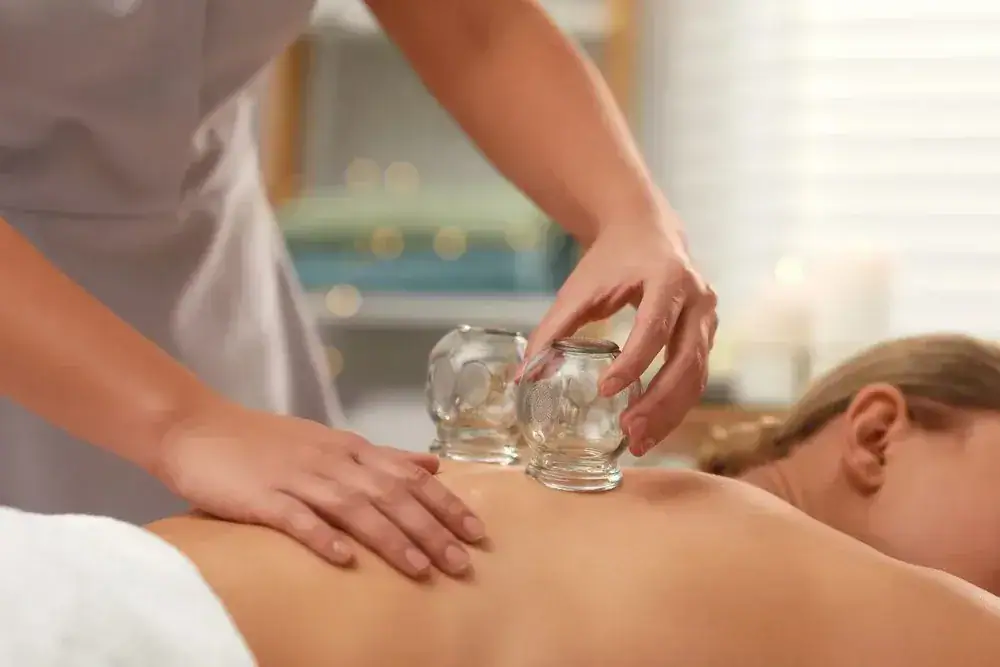
Your first session starts with an assessment. We need to understand where your pain is, what triggers it, and what you’ve already tried. This isn’t a formality—it determines which cupping technique we’ll use and how we’ll integrate it with other physical therapy methods.
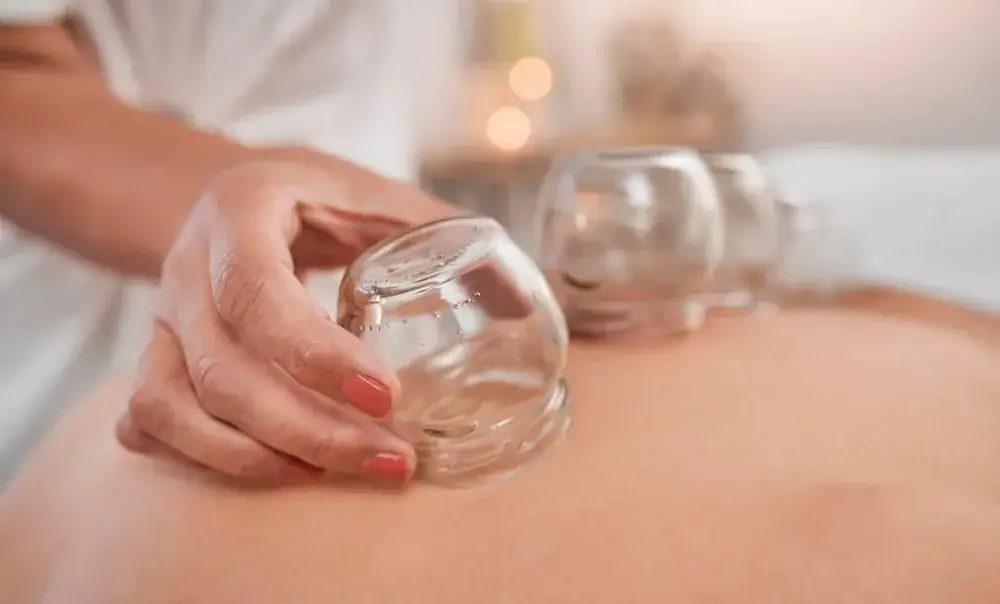
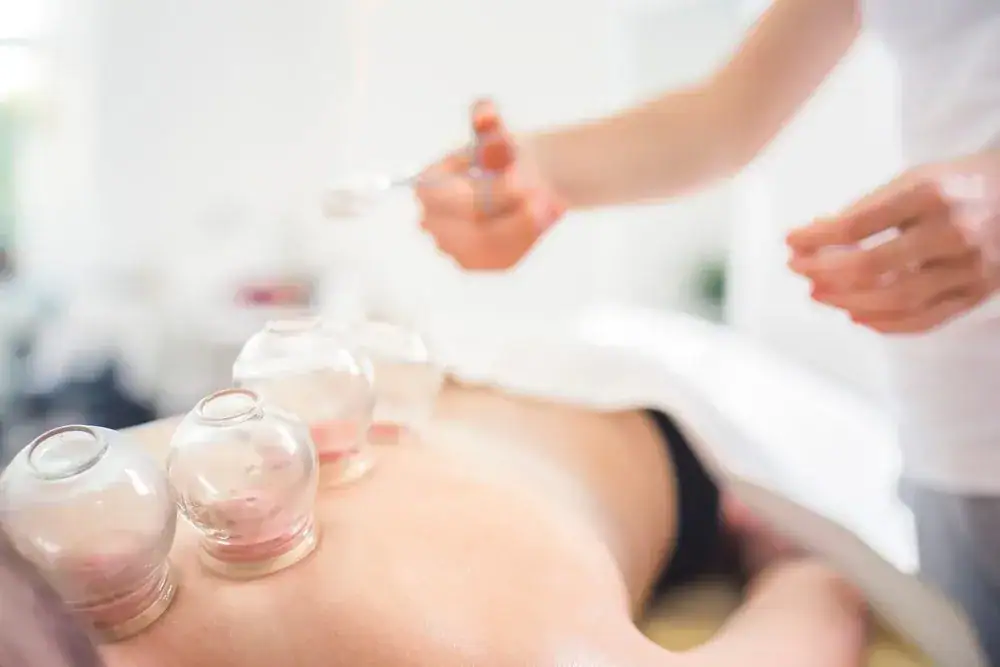
During the treatment, we place specialized cups on your skin over the affected areas. The cups create suction that draws blood to the surface and decompresses the tissue underneath. We use three main techniques depending on your condition: longitudinal cupping follows the muscle fibers, cross-fiber targets tension perpendicular to the muscle, and circular cupping addresses broader areas of tightness.
Most sessions last 15 to 30 minutes. You’ll feel the suction, but it shouldn’t hurt. Some people find it immediately relaxing. Others notice the relief more after the cups come off and blood flow returns to normal patterns.
You might see circular marks where the cups were placed. That’s normal and they fade within a few days. Those marks show where blood was drawn to the surface, which is part of how the therapy works. We often combine cupping with stretching, strength training, or manual therapy in the same session because the muscle relaxation from cupping makes other techniques more effective.
Ready to get started?
Cupping therapy works particularly well for chronic conditions that haven’t fully responded to other treatments. If you’re dealing with persistent low back pain, neck pain that won’t quit, knee osteoarthritis, or fibromyalgia, research shows cupping can provide meaningful relief.
Athletes use cupping for sports recovery and muscle tension from training. You might have seen the circular marks on Olympic athletes back in 2016—that wasn’t for show. It’s a common practice in sports medicine because it helps with muscle recovery and reduces trigger points that limit performance.
In Great River, where 60% of residents over 65 report persistent pain, we see a lot of age-related conditions. Osteoarthritic back pain, chronic joint pain, and musculoskeletal issues that come from decades of work and activity. Cupping addresses these by improving circulation to areas that aren’t getting enough blood flow and releasing muscle tension that’s been building for years.
The treatment is safe, non-invasive, and relatively low-risk compared to pharmaceutical options. We’re seeing more people look for non-pharmacological interventions for pain, especially as concerns about medication dependence grow. Cupping gives you another option that’s been used for centuries and is now backed by modern research.
There’s moderate-quality evidence supporting cupping for several chronic pain conditions, which means it’s not just placebo. Studies show effectiveness for chronic neck pain, low back pain, knee osteoarthritis, and fibromyalgia. The research isn’t perfect, but it’s strong enough that medical professionals now use cupping as a complementary treatment alongside traditional Western medicine.
The mechanism makes physiological sense. Cupping increases blood flow to targeted areas, which delivers more oxygen and nutrients to tissue that needs healing. It also creates a decompression effect that releases fascial restrictions and muscle tension. You can measure these changes—they’re not just subjective feelings.
That said, individual results vary. Some people get immediate relief after one session. Others need several treatments before noticing significant improvement. The best outcomes typically happen when cupping is combined with other physical therapy techniques like stretching and strengthening, which is how we approach it at Medcare.
Cupping creates suction that pulls tissue upward, while massage pushes tissue downward. That difference matters because some types of pain and tension respond better to decompression than compression. When muscles are extremely tight or trigger points are deeply embedded, the pulling action of cupping can release them more effectively than pushing on them.
We don’t use cupping instead of physical therapy—we use it as part of physical therapy. A typical session might include cupping to release muscle tension, followed by stretching while those muscles are relaxed, then strengthening exercises to prevent the tension from returning. Each technique serves a different purpose.
The other key difference is that cupping promotes blood flow in a way that manual therapy alone doesn’t. The suction draws blood to areas that may have restricted circulation due to chronic tension or injury. That enhanced circulation speeds up healing and reduces inflammation, which is why many people notice effects that last beyond the immediate session.
When cupping is provided as part of physical therapy treatment by a licensed physical therapist, Medicare typically covers it. That’s how we deliver cupping at Medcare—as an integrated component of your physical therapy plan, not as a standalone alternative medicine service.
Coverage depends on medical necessity and your specific plan. If your doctor has referred you for physical therapy and cupping is clinically appropriate for your condition, there’s a good chance it’s covered. We handle the documentation and billing to show that cupping is part of your prescribed treatment plan.
The advantage of receiving cupping through a physical therapy practice rather than a wellness spa is that insurance is more likely to cover it. We’re licensed healthcare providers delivering evidence-based treatment for diagnosed conditions. That’s different from elective wellness services, which insurance rarely covers. If you’re unsure about your specific coverage, we can verify your benefits before your first appointment.
Your first appointment starts with an evaluation, not treatment. We need to understand your pain history, what movements make it worse, what you’ve already tried, and what your goals are. This usually takes 20 to 30 minutes and involves some movement assessment to see how your body is compensating for pain.
Once we determine that cupping is appropriate for your condition, we’ll explain which technique we’re using and why. You’ll feel the suction when we place the cups, but it shouldn’t be painful—more like a strong pulling sensation. We typically start conservatively to see how your body responds, then adjust pressure and duration in future sessions.
After the cups come off, you’ll likely see circular marks on your skin. They’re not bruises, though they look similar. They’re caused by blood being drawn to the surface and they fade within three to seven days. Most people feel some immediate relief in muscle tension, though the full effect often develops over the next day or two as circulation improves and inflammation decreases. We’ll give you specific guidance on what to do after treatment and what to expect before your next session.
Most people notice some immediate relief after the first session, but lasting results typically require multiple treatments. For chronic conditions like persistent back pain or knee osteoarthritis, you’re looking at six to eight sessions over several weeks to see significant, sustained improvement.
The exact number depends on how long you’ve had the problem and how severe it is. Pain that’s been building for years doesn’t resolve in one session. Your body needs time to break the cycle of tension, restricted blood flow, and inflammation that’s been reinforcing itself. Each cupping session builds on the last one, gradually restoring normal circulation and muscle function.
We usually recommend starting with twice-weekly sessions for two to three weeks, then spacing them out as you improve. Some people continue with maintenance sessions once a month to prevent pain from returning. Others find that combining cupping with a home exercise program gives them enough relief that they don’t need ongoing treatment. We adjust the plan based on how you’re responding, not on a predetermined schedule.
Cupping is considered a low-risk treatment when performed by trained professionals. The most common side effect is the circular marks on your skin, which are temporary and painless. Some people experience mild soreness in the treated area for a day or two after their first session, similar to how muscles feel after a workout.
Rarely, the suction can cause skin irritation or small blisters if the pressure is too high or left on too long. That’s why we start conservatively and adjust based on how your skin responds. We also avoid cupping over areas with broken skin, rashes, or certain medical conditions that affect skin integrity.
If you’re taking blood thinners, have a bleeding disorder, or have very fragile skin, cupping might not be appropriate. That’s why the initial evaluation matters—we need to know your full medical history before starting treatment. The risks are minimal for most people, especially compared to long-term use of pain medications or more invasive procedures. We monitor your response throughout treatment and adjust our approach if any concerns come up.
Other Services we provide in Great River