
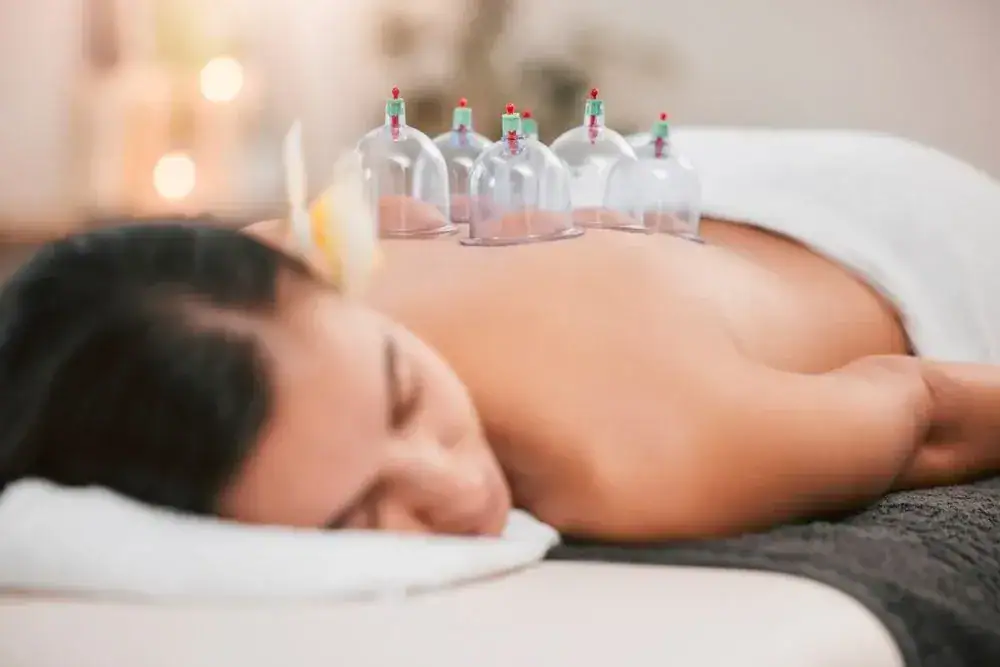

You’re dealing with pain that’s been hanging around too long. Back pain from the commute. Neck tension that won’t quit. Knee pain that makes stairs feel like a punishment. You’ve tried heat, ice, stretching, maybe even injections. Nothing’s really moved the needle.
Cupping therapy works by creating suction on your skin to pull blood into the affected area. That increased blood flow helps loosen tight muscles, reduce inflammation, and improve your range of motion. It’s not magic—it’s mechanical. The cups lift and separate the fascia, which is that connective tissue that gets dense and stuck when you’re in pain.
Most people notice less pain right after the first session. Some see their mobility improve within a few treatments. The goal isn’t just temporary relief—it’s getting you back to moving the way you used to, without constantly managing discomfort.
First, your therapist evaluates your pain. Where is it? How long has it been there? What makes it worse? This isn’t a checklist—it’s a conversation. We need to understand what’s actually going on before we start treatment.
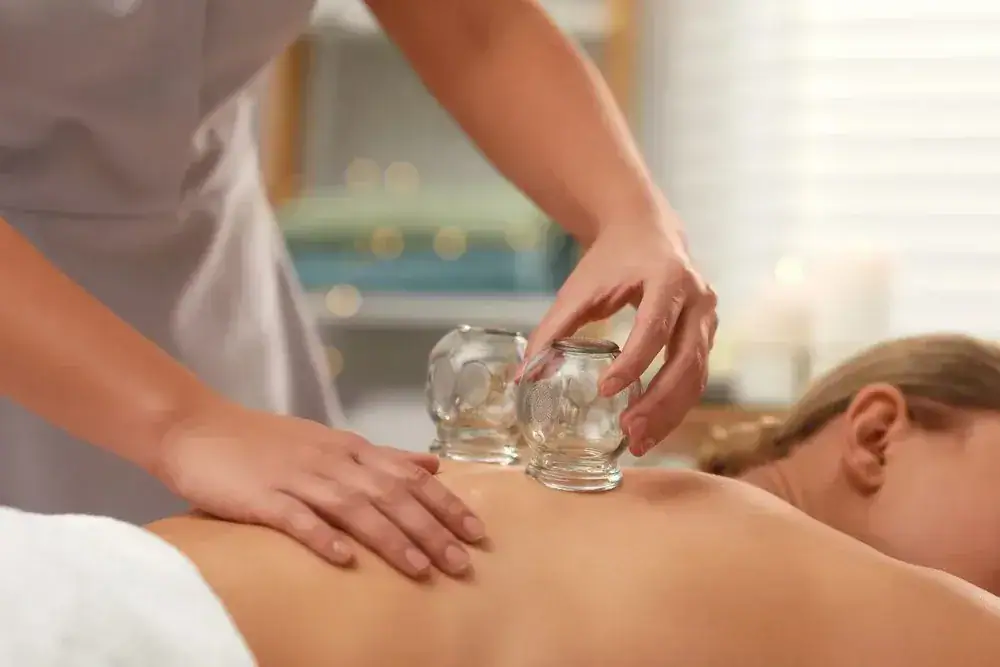
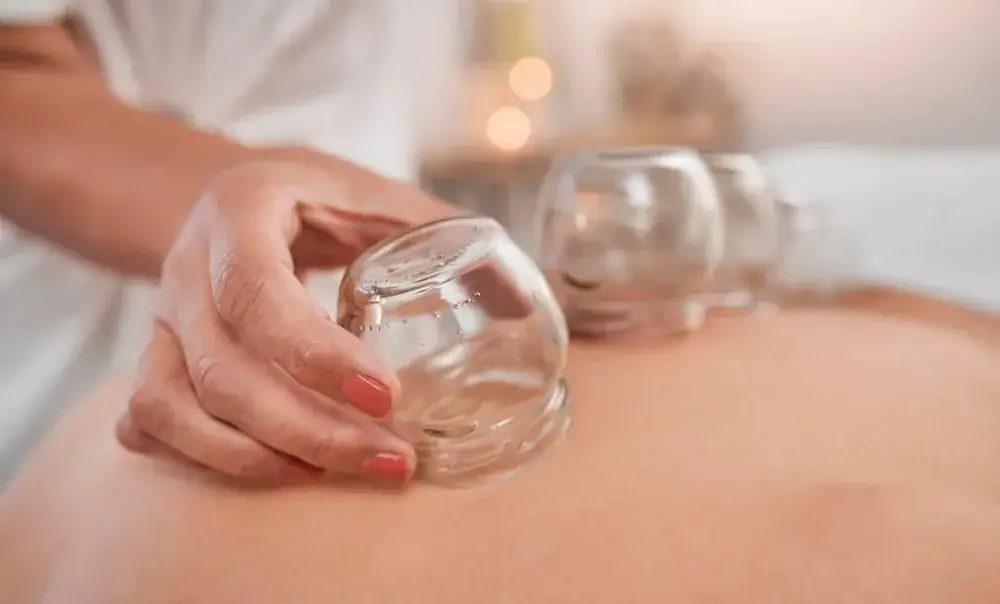
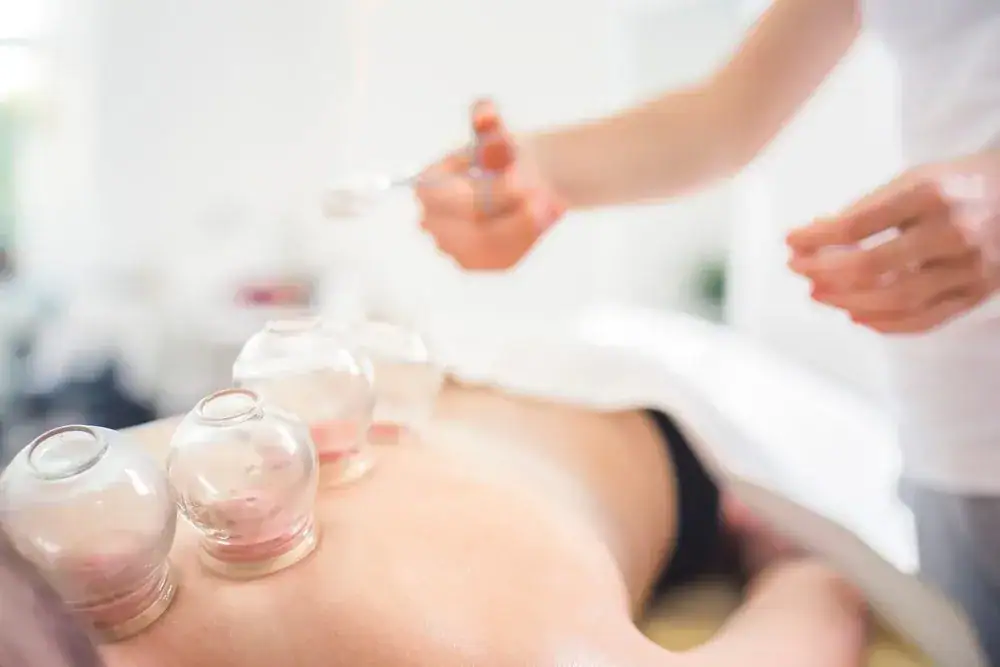
Then comes the cupping. We use dry cupping, which means no needles, no blood. The therapist places cups on your skin over the painful area and creates suction, either with a pump or by heating the air inside. You’ll feel a tight pull, but it shouldn’t hurt. The cups stay on for 5 to 15 minutes while they do their work—drawing blood to the surface, loosening fascia, and releasing tension in the muscle.
After the cups come off, your therapist may do some manual therapy or stretching to keep things moving. You might have circular marks where the cups were. They’re not bruises—they’re just blood pooling under the skin. They fade in a few days.
Most people feel looser right away. Some feel sore the next day, like after a deep massage. That’s normal. We’ll talk through what to expect and adjust the treatment based on how you respond.
Ready to get started?
You get a licensed physical therapist who comes to your home in Gilgo with everything needed for the session. No driving to Lindenhurst or Massapequa. No sitting in a waiting room. No trying to explain your pain to a front desk person who’s juggling three phone lines.
Cupping is part of a full physical therapy plan. That means we’re not just putting cups on you and calling it a day. We’re looking at your movement patterns, your muscle imbalances, and the root cause of your pain. Cupping helps with immediate relief—it reduces muscle tightness, improves blood circulation, and can trigger your body’s natural endorphin release. But we’re also working on long-term mobility and strength so the pain doesn’t just come back.
This matters in Gilgo, where a lot of residents are dealing with the physical toll of long commutes into the city or repetitive strain from work. Chronic back pain and neck pain are common here, and so are falls among older adults. Cupping therapy addresses the muscle tension and restricted movement that contribute to both. It’s a low-risk treatment with minimal side effects, and it works well alongside other therapies like manual stretching, strengthening exercises, and joint mobilization.
Yes, but it depends on what’s causing your pain. Cupping has moderate-quality evidence supporting its use for chronic pain, low back pain, neck pain, and knee osteoarthritis. It’s not a cure, but it’s effective for reducing pain and improving function when used as part of a physical therapy plan.
The suction from the cups increases blood flow to the area, which helps reduce inflammation and muscle tightness. It also stimulates your body to release endorphins, which are your natural pain relievers. For conditions like arthritis or long-term muscle tension, cupping can provide short-term relief that makes it easier to do the strengthening and mobility work that leads to long-term improvement.
It won’t fix structural problems like herniated discs or bone-on-bone arthritis. But for pain driven by tight muscles, poor circulation, or fascial restriction, cupping is one of the more effective non-invasive options available.
Cupping is considered a low-risk therapy. The most common side effect is circular marks on your skin where the cups were placed. These aren’t bruises in the traditional sense—they’re caused by blood being drawn to the surface. They don’t hurt, and they usually fade within three to seven days.
Some people feel sore the day after treatment, similar to how you might feel after a deep tissue massage. That soreness typically goes away within 24 hours. Rarely, people experience mild dizziness during the session, especially if they’re dehydrated or nervous. We monitor you throughout and adjust if needed.
Cupping isn’t recommended if you have certain skin conditions, are on blood thinners, or are pregnant. Your therapist will go over your medical history before starting treatment to make sure it’s appropriate for you. Compared to medications or injections, the risk profile is minimal.
Massage pushes into the tissue. Cupping pulls it up. That difference matters because some types of pain respond better to decompression than compression.
When fascia—the connective tissue around your muscles—gets tight or adhered, it restricts movement and causes pain. Massage can help, but it doesn’t always reach the deeper fascial layers. Cupping mechanically lifts and separates those layers, which can release restrictions that manual pressure alone won’t touch.
Cupping also brings more blood to the area than most massage techniques. That increased circulation helps flush out metabolic waste and delivers oxygen and nutrients that support healing. If you’ve tried massage and it helped but didn’t fully resolve the issue, cupping might address what’s left. Many therapists use both in the same session for a more complete treatment.
Most people notice some relief after the first session, but lasting improvement usually takes a series of treatments. For acute pain—something that just started—you might need three to five sessions. For chronic pain that’s been around for months or years, expect closer to eight to twelve sessions.
It’s not about the cups alone. Cupping is part of a broader physical therapy plan that includes movement training, strengthening, and addressing the habits or mechanics that caused the pain in the first place. The cupping helps reduce pain and improve mobility so you can actually do the exercises that create long-term change.
We reassess after every few sessions. If you’re improving, we keep going. If something’s not working, we adjust. The goal is to get you to a place where you don’t need ongoing treatment—not to keep you coming back indefinitely.
If cupping is part of a physical therapy treatment plan, Medicare and most private insurance plans will cover it. The key is that it’s being performed by a licensed physical therapist as part of a documented plan of care—not as a standalone spa service.
We handle the insurance verification and billing. We’ll confirm your coverage before we start treatment so there are no surprises. For Medicare patients, in-home physical therapy is typically covered when you have difficulty leaving your home due to pain, mobility issues, or another medical condition.
If you’re not sure about your coverage, call us. We’ll walk you through what your plan covers and what your out-of-pocket cost will be. We’ve been doing this since 2010, so we know how to navigate the insurance side without making it a headache for you.
Because the drive to the clinic might be making your pain worse. If you’re dealing with chronic back pain or neck pain, sitting in a car for 20 or 30 minutes each way isn’t doing you any favors. For a lot of people in Gilgo, the commute to a clinic in Babylon, Bay Shore, or even farther west is physically draining—especially when you’re already in pain.
In-home therapy eliminates that. Your therapist comes to you with all the equipment needed for a full session. You get the same quality of care without the travel, the waiting room, or the stress of navigating parking and check-in when you’re hurting.
There’s also a practical benefit: your therapist sees how you move in your actual environment. If you’re having trouble with stairs, getting in and out of a chair, or doing daily tasks, we can address those issues in real time. That’s harder to replicate in a clinic setting. You’re more comfortable, more relaxed, and more likely to stick with the treatment plan when it fits into your life instead of disrupting it.
Other Services we provide in Gilgo