
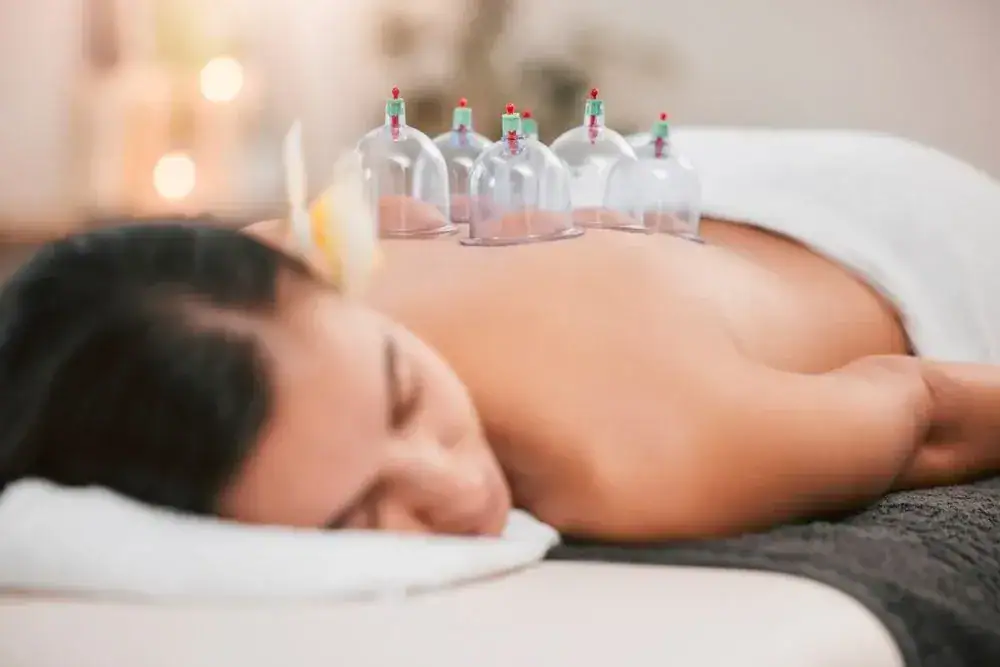

You’ve tried stretching, foam rolling, maybe even massage. The tension keeps coming back. Cupping therapy works differently—it uses controlled suction to lift fascia away from muscle, increasing blood flow to areas that have been tight for months or even years.
That increased circulation brings oxygen and nutrients while flushing out metabolic waste that builds up in overworked tissue. The result is less pain, better range of motion, and relief that actually lasts beyond the treatment table.
Whether you’re dealing with chronic back pain from sitting at a desk, shoulder tension from repetitive work, or muscle soreness that’s slowing down your workouts, cupping targets the root cause. It’s not about masking symptoms. It’s about giving your body what it needs to heal properly and function the way it should.
We’ve been serving Long Island communities with physical therapy that’s grounded in evidence and built on trust. Our team includes licensed physical therapists with years of clinical experience treating everything from sports injuries to chronic pain conditions.
We’re not a spa. We’re a physical therapy practice that uses cupping as part of a comprehensive treatment approach. That means your session is based on an evaluation of your specific condition, your movement patterns, and your goals—not a one-size-fits-all protocol.
Garden City South residents come to us because we take the time to explain what’s happening in your body and why certain treatments work. You’ll know exactly what we’re doing and why it matters for your recovery.
Your first visit starts with an evaluation. We assess your pain, test your range of motion, and talk through what’s been going on. This isn’t a quick chat—it’s a real conversation about your symptoms, your daily activities, and what’s getting in the way of feeling normal again.
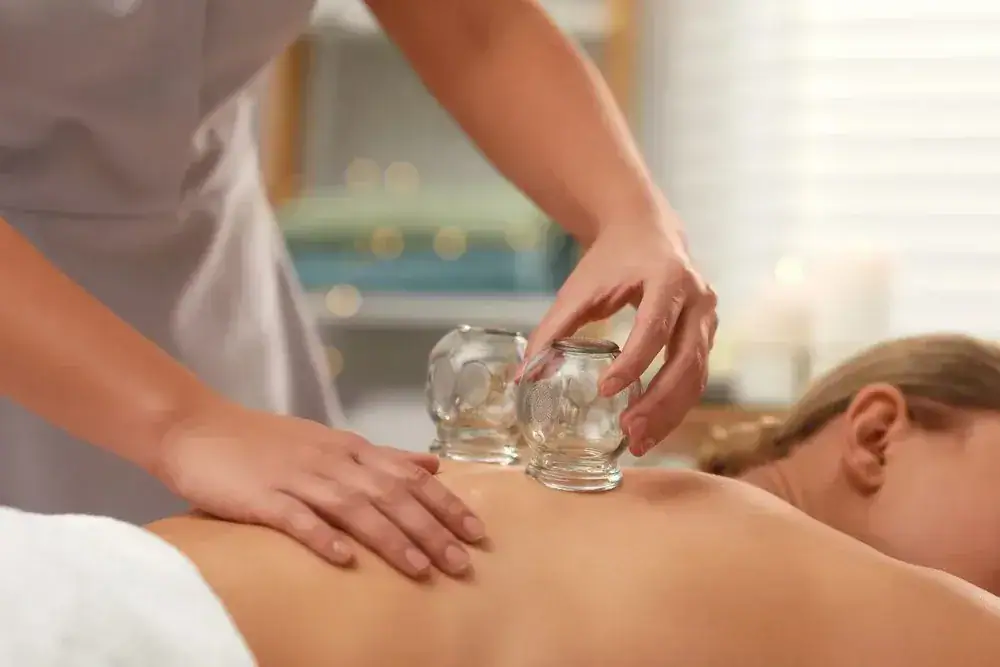
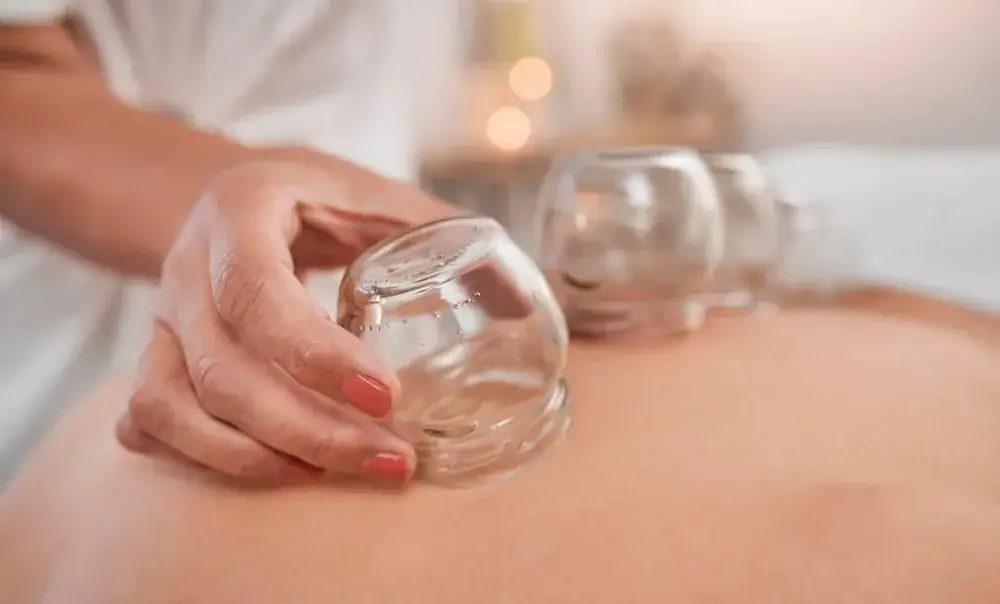
Once we determine that cupping therapy is appropriate for your condition, we’ll explain the technique. We place specialized cups on targeted areas of your body. The suction creates negative pressure that lifts the skin and fascia away from the underlying muscle tissue. You’ll feel a pulling sensation, but it shouldn’t be painful.
Most sessions last between 15 and 30 minutes, depending on the treatment area and your specific needs. Some people see immediate relief—that instant release when the cups come off. Others notice gradual improvement over a few sessions as circulation improves and tissue quality changes.
We often combine cupping with other physical therapy techniques like manual therapy, therapeutic exercise, or dry needling. The goal is always the same: get you moving better and feeling better as quickly as possible.
Ready to get started?
You’re getting more than just cups on your back. Every cupping therapy session at Medcare includes a focused evaluation of the treatment area, hands-on assessment of tissue quality, and a customized approach based on what your body needs that day.
We use dry cupping, which means no incisions and no blood—just controlled suction that works with your body’s natural healing processes. For Long Island residents dealing with the physical demands of commuting, desk work, or active lifestyles, this approach offers a practical way to address muscle tension without downtime.
You might notice circular marks after treatment. That’s normal. They’re not bruises—they’re a result of increased blood flow to the area. They typically fade within a few days to a week. Many of our Garden City South patients schedule sessions weekly or biweekly, depending on their condition and response to treatment.
The cost typically ranges from $50 to $150 per session in the New York area, and many insurance plans cover cupping when it’s provided as part of physical therapy treatment. We’ll verify your coverage and explain your options before you start.
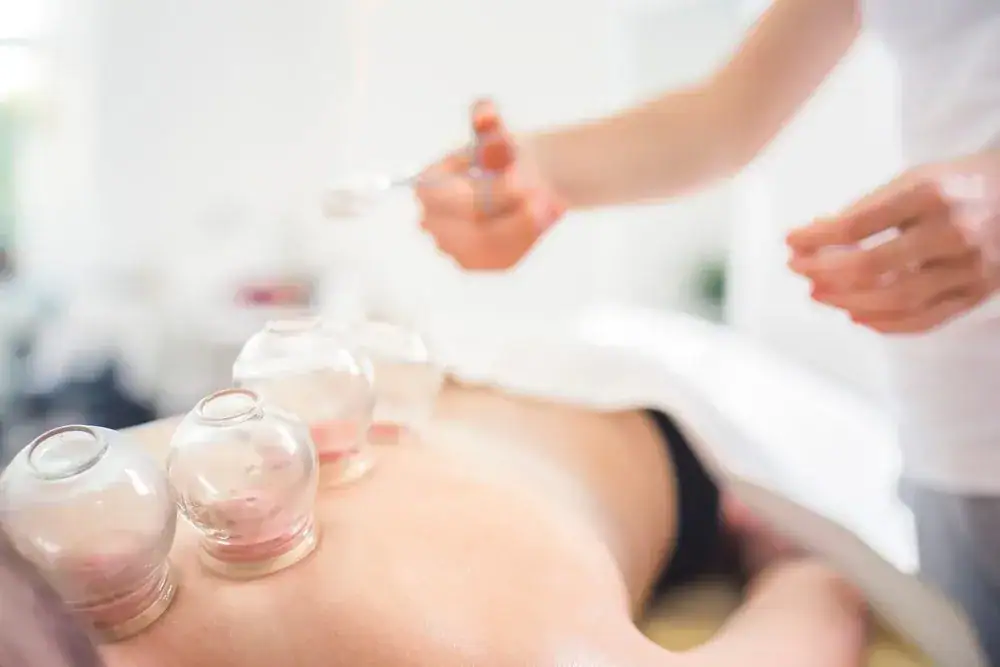
Yes, and the research backs it up. Multiple peer-reviewed studies show that cupping therapy effectively reduces pain in patients with chronic musculoskeletal conditions—often more effectively than conventional treatments alone.
The mechanism makes sense when you understand what’s happening. Chronic pain often involves restricted blood flow, fascial adhesions, and trigger points in muscle tissue. Cupping addresses all three by creating negative pressure that lifts tissue, increases local circulation, and releases areas that have been stuck for months or years.
That said, cupping works best as part of a complete treatment plan. If you’re dealing with chronic back pain, neck tension, or shoulder problems, you’ll likely see better results when we combine cupping with targeted exercises, manual therapy, and movement education. The therapy gets blood flowing and releases tight tissue, but you need to reinforce those changes with proper movement patterns and strengthening.
Cupping is most effective for musculoskeletal issues—the kind of pain and tension that comes from tight muscles, poor posture, overuse, or injury. We commonly use it for chronic back pain, neck and shoulder tension, IT band tightness, plantar fasciitis, and post-exercise muscle soreness.
Research also suggests benefits for conditions like migraines, anxiety-related muscle tension, and limited range of motion from fascial restrictions. Athletes use it for faster recovery between training sessions. Office workers use it for tension that builds up from sitting and computer work.
Here’s what cupping won’t do: it won’t fix structural problems like herniated discs, arthritis, or nerve compression. It’s a soft tissue technique, which means it works on muscles, fascia, and connective tissue. If your pain is coming from something else, we’ll tell you during the evaluation and recommend the appropriate treatment or referral.
Massage uses compression—pushing down into tissue to release tension. Cupping does the opposite. It uses suction to lift tissue up and away from underlying structures. That difference matters because some types of tension and fascial restriction respond better to decompression than compression.
Think about a tight muscle that’s been overworked. Massage can help release surface tension, but if the fascia is adhered to the muscle or if there’s restricted blood flow deep in the tissue, you need a different approach. Cupping creates space between layers of tissue, allowing blood and lymph to flow into areas that have been restricted.
We’re not saying one is better than the other. They work differently, and sometimes you need both. At Medcare, we integrate cupping into physical therapy treatment plans that might also include hands-on manual therapy, which shares some similarities with massage but is more targeted and technique-specific. The goal is always to use whatever works best for your specific condition.
Yes, usually. The suction brings blood to the surface, which creates circular marks that look like bruises but aren’t actually bruises. They don’t hurt like bruises do, and they fade on their own within a few days to a week.
The marks are more noticeable in areas with restricted blood flow or significant muscle tension. Some people see dark purple circles after their first session, then lighter marks as their tissue quality improves with regular treatment. Others have minimal marking from the start.
If you have an event coming up where you’ll be wearing something that shows your back or shoulders, just let us know. We can adjust the treatment area or timing. But for most people, the marks aren’t a concern—they’re just a temporary side effect of a treatment that’s actually working. Many of our patients wear them as a badge of honor, especially after the relief they feel when the cups come off.
That depends entirely on what you’re dealing with. Acute muscle tension from a recent workout or a stressful week might respond in one or two sessions. Chronic conditions that have been building for months or years typically need consistent treatment over several weeks.
Most of our patients who get the best results come in once a week for four to six weeks, then space out sessions as their symptoms improve. We’re not interested in keeping you coming forever—we want to get you better and give you the tools to stay better.
During your evaluation, we’ll give you a realistic timeline based on your specific condition, how long you’ve had symptoms, and how your body responds to the first session or two. Some people feel immediate relief and maintain it with occasional tune-up sessions. Others need more time to retrain movement patterns and rebuild tissue quality. We’ll be straight with you about what to expect.
Often, yes—when it’s provided as part of physical therapy treatment. Most insurance plans that cover physical therapy will cover cupping as a therapeutic modality within your PT sessions. It’s billed as part of your overall physical therapy treatment, not as a separate service.
Coverage varies by plan, so we verify your benefits before you start treatment. We’ll let you know what your copay or coinsurance will be, whether you’ve met your deductible, and how many visits your plan typically authorizes. No surprises.
If you’re paying out of pocket, sessions typically range from $50 to $150 in the New York area, depending on session length and whether cupping is combined with other physical therapy techniques. We’ll always discuss costs upfront so you can make an informed decision about your care.
Other Services we provide in Garden City South