
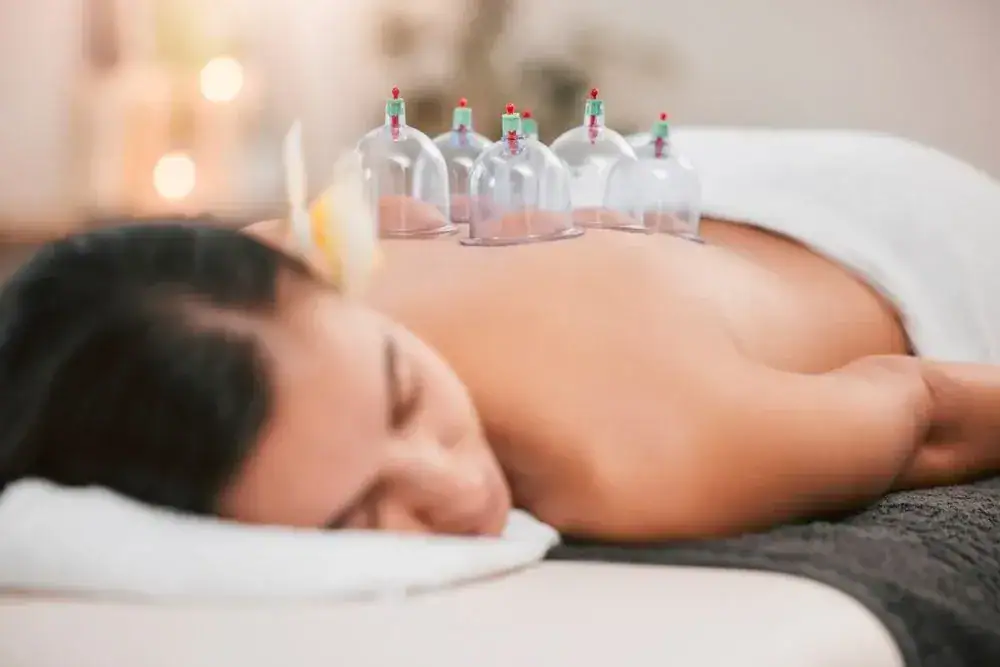

You wake up stiff. Your lower back tightens by mid-morning. That nagging shoulder pain makes simple tasks frustrating.
Cupping therapy addresses pain at its source by increasing blood flow to tight, overworked muscles. The suction created during treatment lifts and separates fascial layers, releasing trapped tension that’s been building for months or years. Your muscles get the oxygen and nutrients they need to actually heal, not just mask symptoms.
Most people notice improved range of motion after their first session. That persistent tightness in your neck loosens. Bending down doesn’t send shooting pain through your back. You’re not constantly adjusting your position to find comfort.
This isn’t about temporary relief that fades by tomorrow. Cupping stimulates your body’s natural endorphin production, giving you pain control that builds over time. Combined with physical therapy, it helps break the cycle of chronic pain that’s been limiting what you can do.
We’ve been treating Fire Island residents for over a decade at Medcare Therapy Services. We understand the active lifestyle many people maintain here, from beach walks to water activities, and how frustrating it is when pain gets in the way.
Our licensed physical therapists are trained in cupping therapy techniques that integrate with your overall treatment plan. We don’t just apply cups and call it done. Every session is built around your specific pain points, mobility goals, and daily activities.
Fire Island’s small community of 445 residents means we often see the same faces, treat family members, and become part of your healthcare team. That matters when you’re trusting someone with your recovery. We keep your information secure, your appointments consistent, and your treatment focused on getting you back to what you love doing.
Your first visit starts with a conversation about where you’re hurting and what’s not working. We assess your range of motion, identify tight areas, and explain exactly what cupping can do for your specific situation.
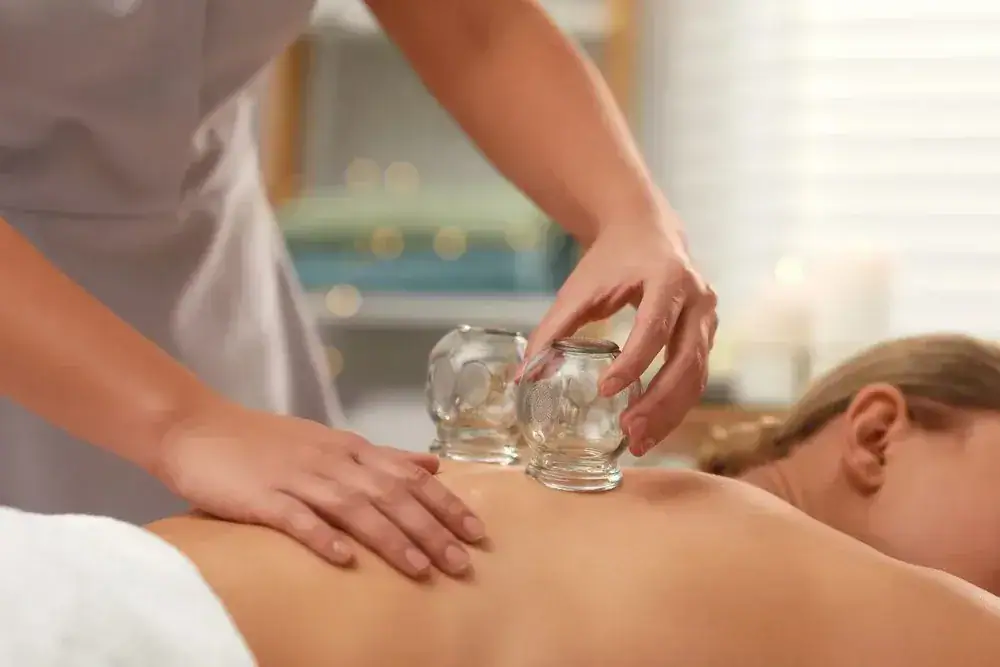
During treatment, we place specialized cups on targeted areas of your body. These cups create suction that draws blood to the surface, lifting skin and fascia away from muscle tissue. You’ll feel a pulling sensation, not pain. Most people find it surprisingly relaxing once they adjust to the feeling.
We use dry cupping, which means no incisions or blood removal. The cups stay in place for several minutes while they work to release muscle tension and improve circulation. Some practitioners move the cups across your skin for a massage-like effect, depending on what your body needs.
After we remove the cups, you might see circular marks where they were placed. These aren’t bruises, they’re a sign of increased blood flow to areas that needed it. The marks fade within a few days to a week. Many people feel immediate relief in treated areas, though the full benefits build over multiple sessions as your body responds to improved circulation and reduced inflammation.
Ready to get started?
Cupping works best as part of a complete physical therapy approach. We combine it with targeted exercises, manual therapy, and movement training that addresses why you’re in pain, not just where it hurts.
Fire Island’s median age of 48.7 means many residents are dealing with age-related muscle tension, arthritis pain, or injuries that haven’t healed properly. The island’s active outdoor lifestyle can aggravate these issues. Cupping therapy helps by reducing inflammation in overworked joints and muscles, making it easier to stay active without constant discomfort.
Your treatment plan might include cupping once or twice a week, depending on severity. Between sessions, we’ll give you specific exercises and stretches that maintain the benefits. Most Medicare plans cover physical therapy services, including cupping when it’s part of your treatment plan.
We schedule appointments that respect your time. You’re not sitting in a waiting room for 45 minutes. You’re not rushed through a cookie-cutter protocol. Each session is built around your progress, your questions, and your goals for getting back to normal life.
Yes, and there’s research backing it up. Fourteen separate meta-analyses have examined cupping therapy’s effectiveness for pain-related conditions, including chronic back pain. The evidence shows moderate-quality support for pain reduction and improved function.
Here’s what happens in your back when you get cupping therapy. Chronic pain often comes from fascial densification, where the connective tissue surrounding your muscles gets tight and stuck. Cupping mechanically lifts and separates these fascial layers, restoring proper glide between tissue planes. Blood flow increases to areas that have been starved of oxygen and nutrients.
Your body also releases endorphins during treatment, which are your natural pain-relieving chemicals. This isn’t a placebo effect. It’s a measurable physiological response that provides pain control beyond the treatment session itself. Most people with chronic back pain notice reduced stiffness and better range of motion after consistent cupping sessions combined with targeted physical therapy exercises.
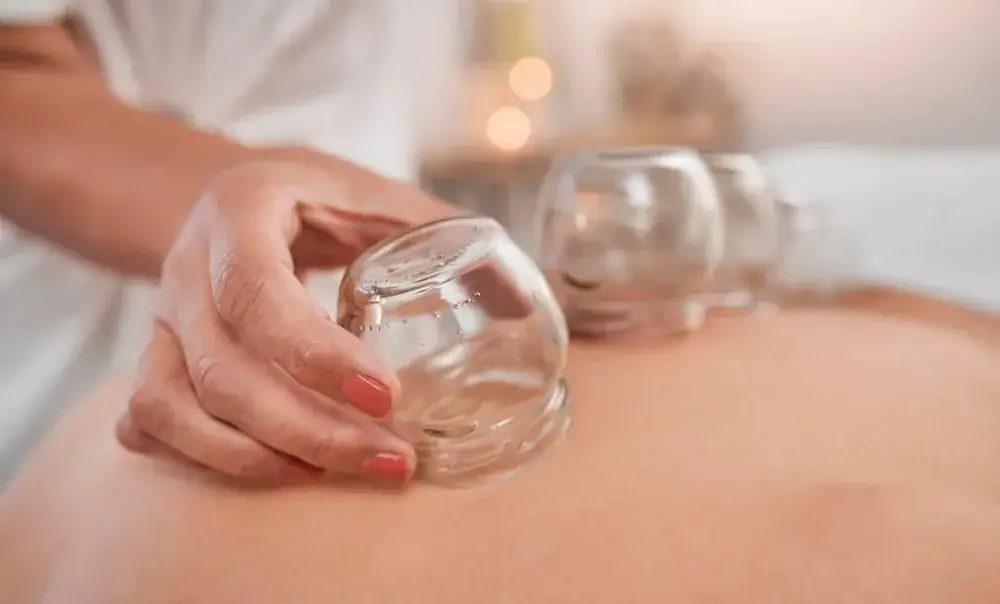
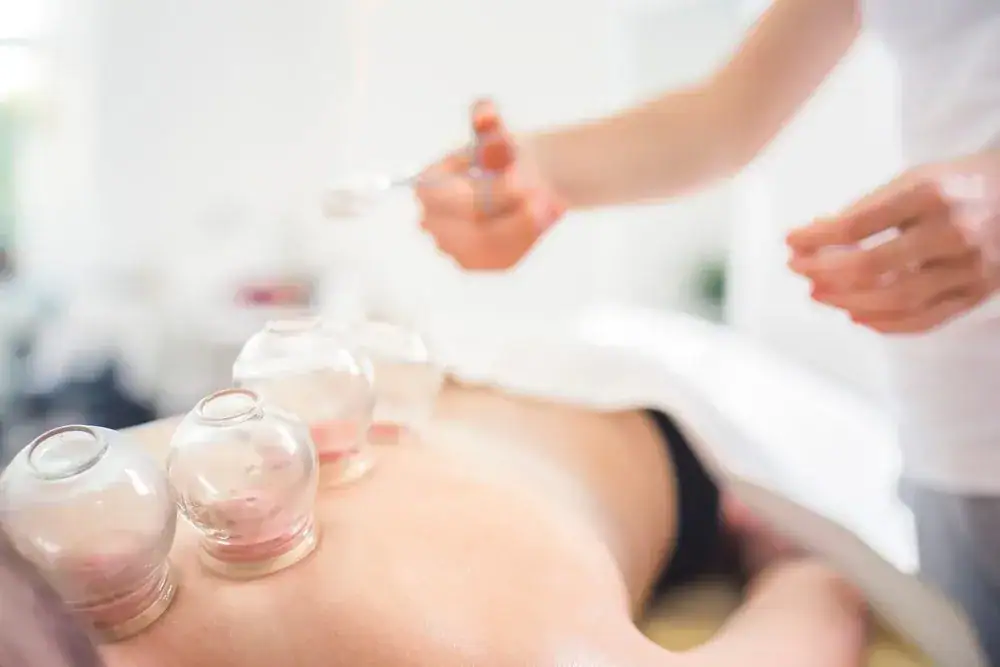
Dry cupping is what we use at Medcare, and it’s the safest, most common form. We place cups on your skin and create suction using either heat or a manual pump. No cutting, no blood removal, no needles. The cups stay in place or get moved across your skin to release tight muscles.
Wet cupping involves making small incisions in the skin before applying cups, allowing some blood to be drawn out. This method comes from traditional Chinese medicine but carries higher infection risk and requires more specialized training. It’s rarely used in modern physical therapy settings and isn’t necessary for the therapeutic benefits most people need.
Fire cupping uses a flame to create suction by heating the air inside the cup before placing it on skin. We use modern suction cups that give us better control over pressure levels and eliminate any burn risk. The therapeutic effect is the same, improved blood flow and fascial release, but with more precision and safety. You get the ancient healing benefits with modern safety standards.
The circular marks typically fade within three to seven days, depending on how much tension was in that area. Darker marks usually indicate areas with more stagnation or restricted blood flow. As your circulation improves with regular treatment, the marks often become lighter.
These marks aren’t bruises in the traditional sense. Bruises happen from impact that damages blood vessels. Cupping marks result from drawing blood to the surface to increase circulation. There’s no tissue damage. The discoloration comes from red blood cells temporarily sitting closer to your skin’s surface.
Some people worry about the marks being visible, especially during summer on Fire Island when you’re at the beach. We can adjust cup placement to avoid highly visible areas if that’s a concern, though most people find the pain relief worth any temporary marks. The marks don’t hurt and they fade faster as your body gets better at circulating blood to previously restricted areas. By your third or fourth session, you’ll likely notice lighter marking even with the same suction pressure.
Absolutely. Studies show cupping therapy significantly improves range of motion and reduces pain in athletes. It works by releasing trapped tension within muscle fibers and encouraging them to loosen and relax through increased blood flow.
When you exercise hard or sustain an injury, your muscles develop microtrauma and inflammation. This is normal, but it can lead to adhesions where muscle fibers stick together instead of sliding smoothly. Cupping breaks up these adhesions and brings fresh blood loaded with oxygen and nutrients to damaged tissue. Your recovery time shortens because your body has what it needs to repair itself.
Fire Island residents who stay active with swimming, cycling, or beach activities often deal with repetitive strain injuries. Cupping provides a non-invasive way to address muscle tightness before it becomes a chronic problem. We typically recommend cupping within 24 to 48 hours after intense activity or injury for best results, combined with appropriate rest and targeted exercises. You’re not just recovering faster, you’re reducing the risk of compensation patterns that lead to new injuries down the road.
When cupping is part of your physical therapy treatment plan, Medicare and most insurance plans cover it. The key is that it needs to be medically necessary and administered by a licensed physical therapist, which is exactly how we operate at Medcare.
We handle the insurance verification process for you. Before your first appointment, we confirm your coverage and let you know what your out-of-pocket costs will be. No surprises. Most Medicare patients in Fire Island have minimal copays for physical therapy services, and private insurance typically covers cupping when it’s integrated with your overall treatment plan for conditions like chronic pain, injury recovery, or mobility limitations.
If you’re paying out of pocket, cupping is considerably less expensive than ongoing pain medication costs or more invasive procedures. We’re transparent about pricing from the start. Many Fire Island residents find that investing in a few cupping sessions combined with physical therapy eliminates the need for long-term pharmaceutical use, which saves money and reduces medication side effects over time.
Most people notice some improvement after their first session, but lasting results typically require four to eight treatments. The exact number depends on how long you’ve had the problem, how severe your pain is, and how well you follow through with exercises between sessions.
Acute injuries that happened recently respond faster than chronic conditions you’ve been dealing with for years. If you threw out your back last week, you might feel significantly better after two or three cupping sessions. If you’ve had shoulder pain for five years, your body needs more time to undo compensation patterns and restore proper movement.
We’ll give you a realistic timeline after your initial assessment. Some people come weekly until their pain is manageable, then space sessions out to every two or three weeks for maintenance. Others need twice-weekly treatment initially for more severe conditions. The goal isn’t to keep you coming forever. It’s to resolve your pain, teach you how to maintain the improvements, and get you back to living without constant discomfort. We track your progress at each visit and adjust the treatment plan based on how your body responds.
Other Services we provide in Fire Island