
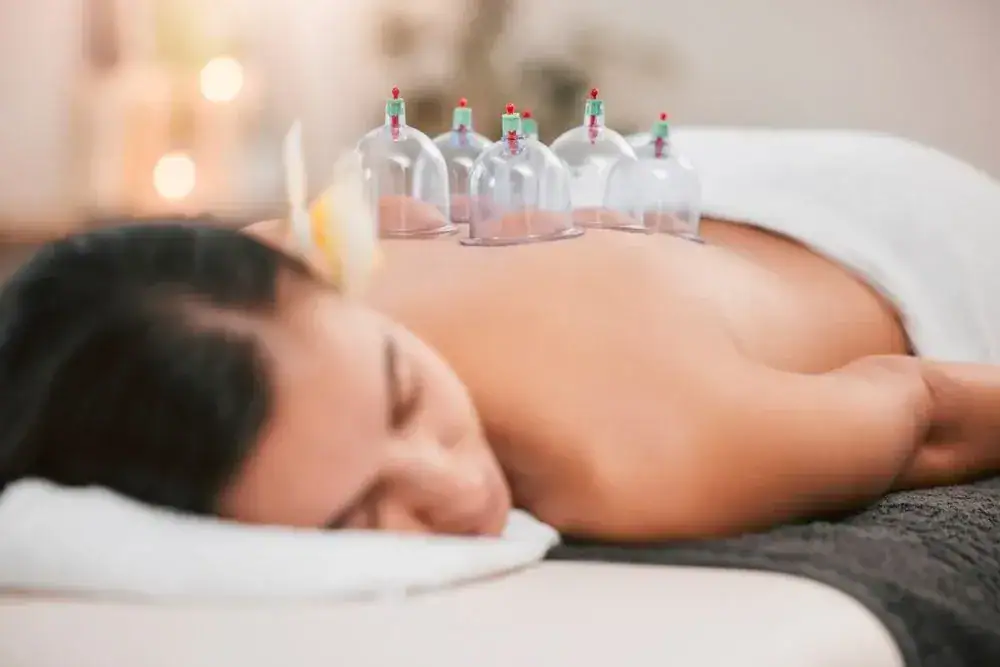

You’re not looking for temporary relief. You want to wake up without that knot in your lower back. You want to turn your neck without wincing. You want to get through your day without constantly adjusting how you sit or stand.
Cupping therapy works by increasing blood flow to the areas that hurt most. When we place cups on your skin, they create suction that pulls fresh blood to tight, inflamed muscles. That increased circulation helps break up adhesions, flush out metabolic waste, and give your body what it needs to actually heal—not just mask the problem.
Most people feel a difference after the first session. Not a miracle cure, but real, noticeable relief. The kind that makes you think, “Okay, this might actually work.” For chronic conditions like lower back pain, neck tension, or knee discomfort, research shows cupping reduces pain levels and improves function better than doing nothing or using sham treatments.
The cups stay on for five to ten minutes. There’s no cutting, no needles, no medications. Just targeted pressure that helps your muscles let go of tension they’ve been holding for weeks, months, or longer.
Medcare Therapy Services has been treating patients across Long Island since 2010. We specialize in home-based physical and occupational therapy for people who can’t easily get to a clinic—or who just shouldn’t have to.
We bring cupping therapy, along with other evidence-based treatments, directly to your home in Elmont and throughout Nassau County. You don’t need to arrange transportation, sit in a waiting room, or rush through your session because someone else is scheduled after you.
We’ve built our reputation in communities like East Meadow, Hempstead, and Elmont by showing up on time, listening to what’s actually wrong, and creating treatment plans that fit your schedule and your goals. We accept Medicare and work with most insurance plans, so cost doesn’t have to be another barrier to getting help.
Your first session starts with a conversation. We ask where it hurts, how long it’s been going on, and what you’ve already tried. We need to understand what’s happening before we start treatment.
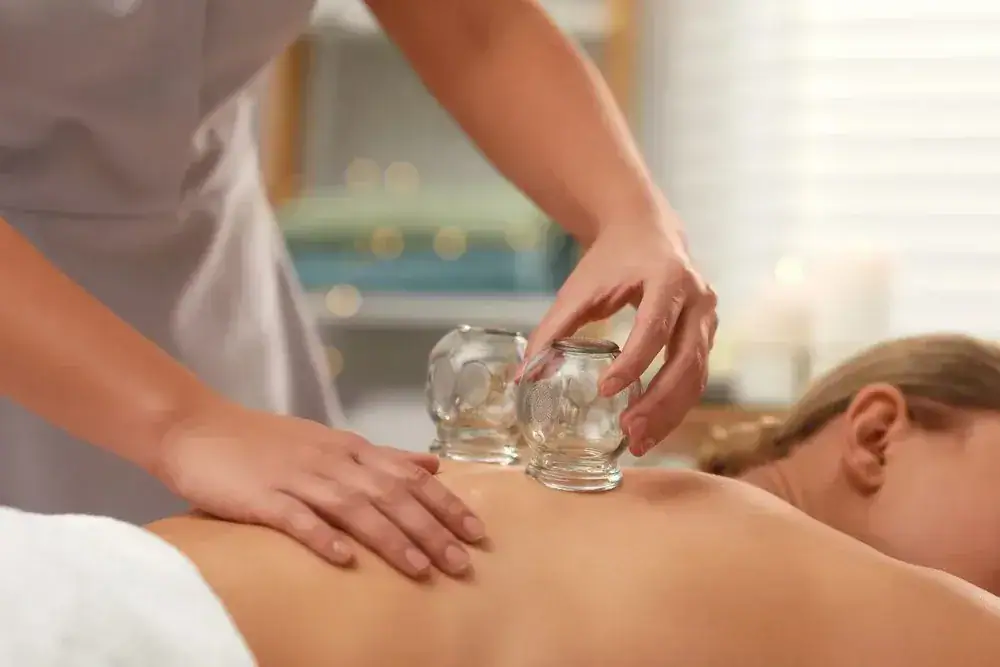
Once we know what we’re dealing with, we’ll identify the areas that need attention—usually the spots with the most tension, pain, or restricted movement. We place cups on those areas and create suction, either manually or with a small pump. You’ll feel a pulling sensation, but it shouldn’t hurt. Most people say it feels like a deep tissue massage.
The cups stay in place for five to ten minutes while they do their work. During that time, blood flow increases to the area, which helps reduce inflammation and relax tight muscle fibers. When we remove the cups, you might see circular marks on your skin. Those aren’t bruises—they’re a sign of increased circulation. They fade within a few days.
After your session, we’ll talk about what you should expect. Some people feel immediate relief. Others notice gradual improvement over the next day or two. We’ll schedule follow-up sessions based on how you respond and what your goals are. Cupping works best as part of a broader treatment plan, so we often combine it with stretching, strengthening exercises, or other hands-on techniques.
Ready to get started?
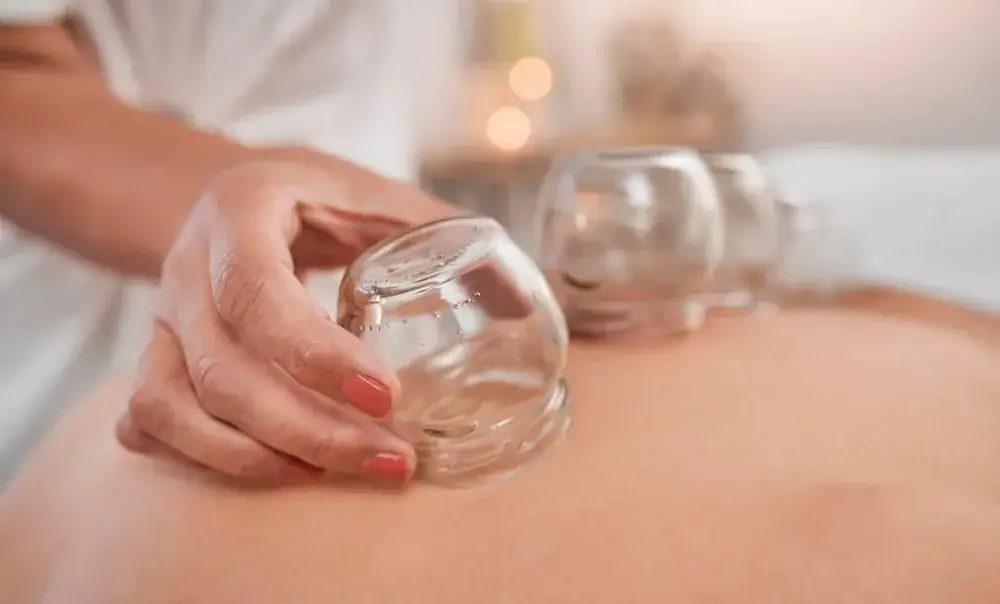
We use dry cupping, which means no incisions and no blood. The cups create suction on your skin to pull blood into the treatment area. It’s non-invasive, drug-free, and backed by clinical research showing it helps with chronic pain conditions like lower back pain, neck stiffness, and muscle tension.
In Elmont and across Nassau County, we’re seeing more people turn to cupping as an alternative to medications or injections. That makes sense. The opioid crisis changed how people think about pain management, and many patients want options that don’t come with side effects or dependency risks.
Each session is tailored to what you need that day. If your lower back is flaring up, we focus there. If neck tension is limiting your range of motion, that’s where we work. We’re not running you through a standard protocol—we’re treating the person in front of us.
Cupping also works well alongside other treatments. If you’re already doing physical therapy exercises at home, cupping can help those exercises work better by loosening up the muscles first. If you’re dealing with myofascial pain or trigger points, the suction helps release those tight bands of tissue that don’t respond to stretching alone.
You’ll leave each session with a clear understanding of what we did, why we did it, and what to expect before the next visit. No jargon, no runaround—just straight answers about your treatment.
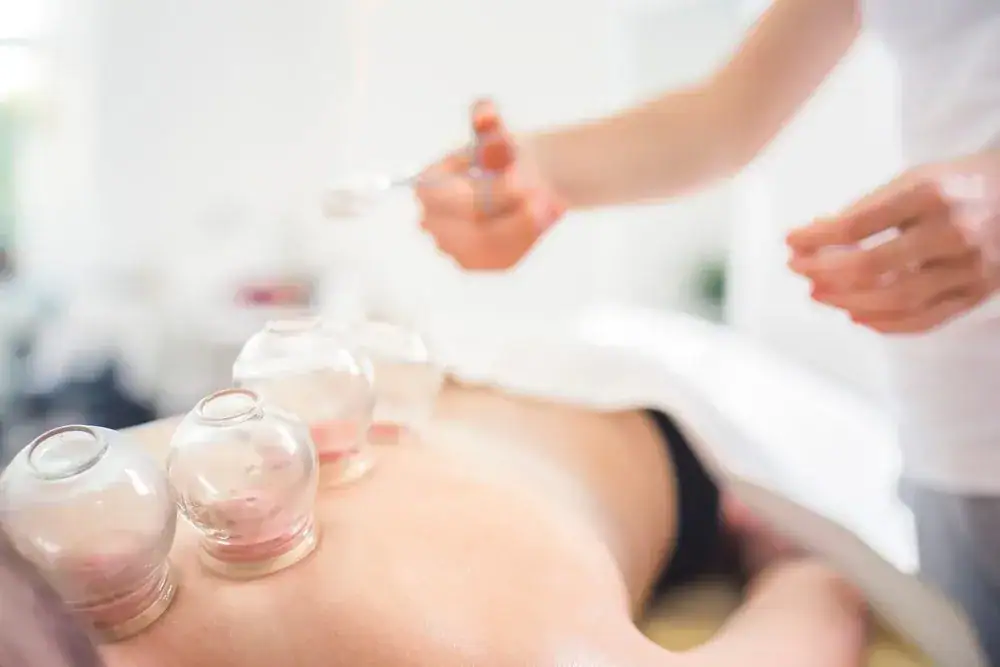
Yes, and the research backs it up. Clinical studies show that cupping therapy reduces pain and improves function in people with chronic lower back pain more effectively than sham treatments or no treatment at all. It’s not a cure, but it’s a legitimate tool for managing persistent pain.
Here’s what happens: the suction from the cups increases blood flow to your lower back muscles, which helps reduce inflammation and break up adhesions in the tissue. That improved circulation also helps flush out metabolic waste that builds up in tight, overworked muscles. The result is less pain and better mobility.
Most people feel some relief after the first session, but lasting improvement usually takes multiple treatments. We typically recommend starting with two sessions per week for a few weeks, then adjusting based on how you respond. Some patients need ongoing maintenance sessions. Others get to a point where they only come in when symptoms flare up.
You’ll likely see circular marks where the cups were placed, but they’re not bruises in the traditional sense. They’re caused by increased blood flow to the area, not by broken blood vessels or tissue damage. The marks are usually dark red or purple and fade within three to seven days.
If you’re worried about how they look, plan accordingly. The marks are most visible on your back, shoulders, or neck—areas that are usually covered by clothing. But if you have an event where you’ll be wearing something that shows those areas, let us know and we can adjust timing.
The marks don’t hurt. You might feel some tenderness in the treated area for a day or two after your session, similar to how you’d feel after a deep tissue massage. That’s normal and usually means the treatment is working. Drinking water and moving gently helps your body process the increased circulation.
Cupping therapy in the New York area typically ranges from $50 to $150 per session, depending on the provider and whether it’s part of a broader physical therapy treatment. At Medcare, cupping is often included as part of your physical therapy plan, which means it may be covered by Medicare or your insurance.
We accept Medicare and work with most major insurance plans. Coverage varies depending on your specific plan and whether cupping is deemed medically necessary as part of your physical therapy treatment. We’ll verify your benefits before we start so you know what to expect.
If you’re paying out of pocket, we’ll give you a clear price upfront. No surprise bills, no hidden fees. Our focus is on making treatment accessible for people who need it, not on maximizing what we can charge per session.
Yes, especially if your neck pain and headaches are caused by muscle tension. Cupping increases blood flow to the tight muscles in your neck and upper shoulders, which helps them relax and reduces the referred pain that often triggers tension headaches.
Neck pain in Elmont residents often comes from the same sources: long commutes, desk work, stress, and poor posture. When those muscles stay tight for extended periods, they develop trigger points—small knots that refer pain to other areas, including your head. Cupping helps release those trigger points by improving circulation and reducing muscle tension.
We usually place cups along your upper trapezius, neck, and shoulder blade area. The suction pulls blood into those muscles and helps break up the adhesions that keep them locked in a shortened position. Most people notice their range of motion improves after just one session, and headache frequency often decreases as neck tension reduces. We’ll also teach you stretches and posture adjustments to help maintain the improvements between sessions.
Yes, cupping is generally very safe for elderly patients and people with mobility limitations. That’s actually one of the reasons we bring it to your home—so you don’t have to worry about transportation or navigating a clinic when movement is already difficult.
Cupping is non-invasive and doesn’t require you to get into uncomfortable positions or do strenuous activity. You can receive treatment while sitting or lying down, whatever’s most comfortable for you. The suction is adjustable, so we can use lighter pressure for patients with thinner skin or who are more sensitive to touch.
There are some conditions where cupping isn’t recommended—like if you’re on blood thinners, have a bleeding disorder, or have active skin infections in the treatment area. We’ll review your medical history before starting treatment to make sure cupping is appropriate for you. Our goal is to help you feel better without creating new problems, so we’re conservative about who we treat and how we treat them.
Many people feel some relief immediately after their first session. That doesn’t mean the problem is solved, but it’s common to notice reduced pain or improved mobility right away. The suction increases blood flow quickly, which can provide fast but temporary relief.
Lasting results take longer and depend on what we’re treating. For acute muscle tension or a recent injury, you might see significant improvement within two to four sessions over a couple of weeks. For chronic conditions like long-term back pain or neck stiffness, expect a longer timeline—usually several weeks of regular treatment before you notice sustained improvement.
Research shows that cupping works best when combined with other treatments like stretching, strengthening exercises, or manual therapy. We don’t just do cupping and send you on your way. We build a complete treatment plan that addresses why the pain started in the first place, not just the symptoms. That approach takes more time upfront but leads to better long-term outcomes.
Other Services we provide in Elmont