

You’re not looking for temporary relief that wears off by dinner. You want to wake up without that nagging tightness in your neck, finish a workout without dreading the next two days, or just move through your day without constantly adjusting how you sit or stand.
Cupping therapy works by creating a vacuum effect that pulls blood flow to injured or tight areas. That increased circulation does two things: it brings oxygen and nutrients your tissues need to heal, and it helps flush out the metabolic waste that builds up in chronically tight muscles. Some patients with myofascial pain report their pain resolving after just one session. Athletes dealing with persistent issues sometimes become symptom-free after two.
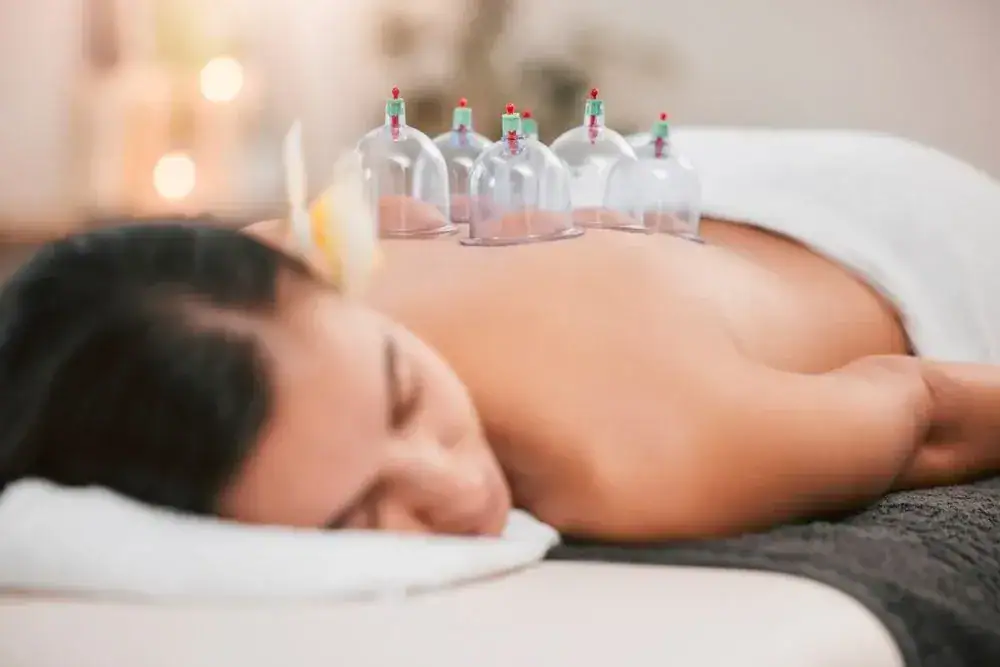
The treatment itself involves placing specialized cups on your skin to create suction. This isn’t compression like traditional massage. It’s the opposite—a lifting and decompression that releases fascia, relaxes trigger points, and improves lymphatic flow. For people who haven’t responded well to standard manual therapy or who can’t tolerate deep pressure, this approach often works when others haven’t.
You might see circular marks afterward. They’re not bruises in the traditional sense—they’re a sign that stagnant blood and toxins are moving from deeper tissue layers to the surface where your body can clear them out. They fade within a week or two.
We’ve built our reputation across multiple Long Island locations by doing one thing consistently: listening first, then treating based on what actually works for you. Our physical therapists are trained in modern cupping techniques and use them as part of broader treatment plans that might also include manual therapy, therapeutic exercise, and patient education.
East Shoreham residents come to us because they want care that’s both evidence-based and personalized. We’re not a franchise following a corporate script. We’re local practitioners who understand that your time matters, your pain is real, and you need solutions that fit into your actual life—not some idealized version of it.
Our team maintains rigorous standards around verification, data security, and patient privacy. You’ll work with licensed professionals who stay current on what research actually supports, not what sounds good in marketing materials.
Your first visit starts with an evaluation. We need to understand where your pain is, how long you’ve had it, what makes it better or worse, and what you’ve already tried. This isn’t a formality—it determines whether cupping is the right approach for you and how we’ll apply it.
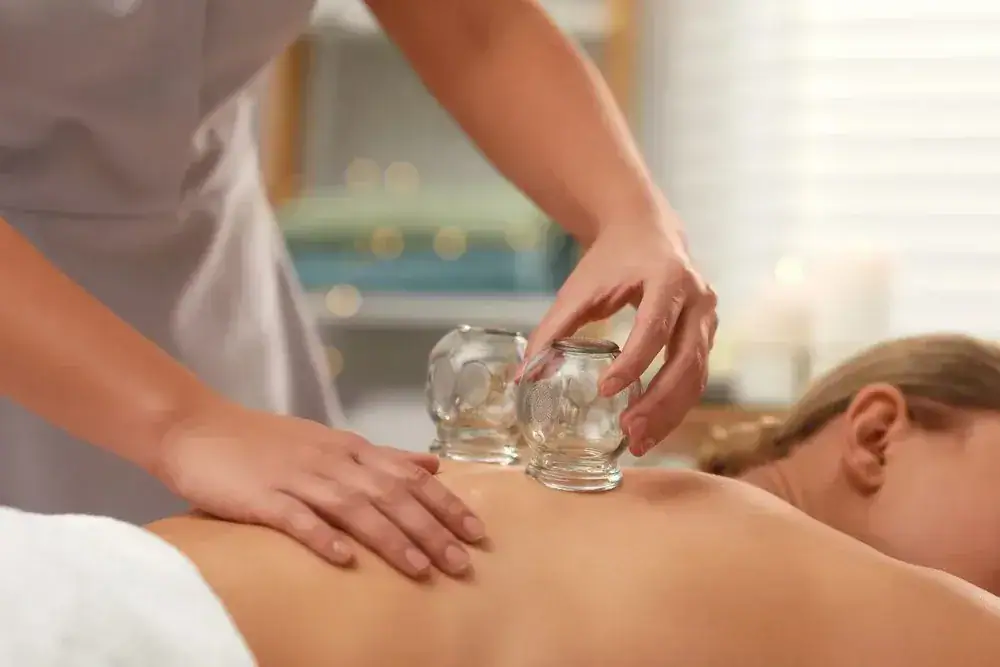
If cupping makes sense for your condition, we’ll explain which technique we’re using and why. Longitudinal cupping follows muscle fibers and is often used for larger muscle groups. Cross fiber technique works perpendicular to tissue and helps release adhesions. Circular cupping combines movement with suction for areas that need both decompression and mobilization. We’re not guessing—we’re choosing based on your specific tissue restrictions and pain patterns.
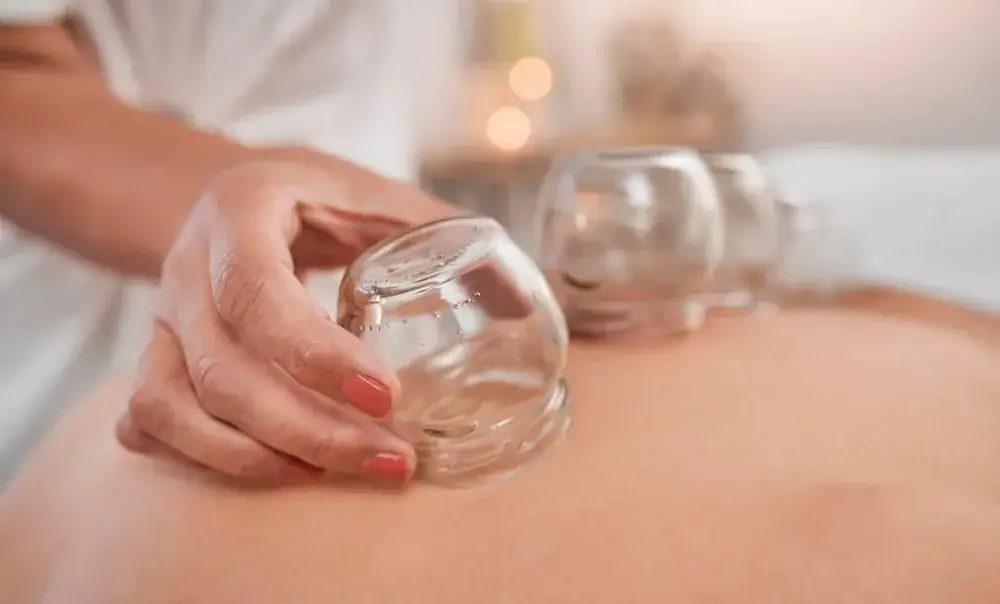
During treatment, you’ll feel a pulling sensation as the cups create suction. Most people find it surprisingly comfortable, even relieving. We’ll leave cups in place for several minutes or move them across your skin depending on the technique. The whole session typically takes 15 to 30 minutes as part of your broader physical therapy appointment.
After your first session, we’ll talk about what you should expect. Some people feel immediate relief. Others notice improvement over the next day or two as inflammation decreases and blood flow normalizes. We’ll schedule follow-up sessions based on how you respond, not based on some predetermined package.
Ready to get started?
Cupping therapy works particularly well for chronic neck pain, low back pain, and fibromyalgia—conditions where research shows clear benefits. If you’re an athlete dealing with persistent tightness, delayed recovery, or overuse injuries, this treatment has a track record with everyone from weekend warriors to Olympic competitors.
East Shoreham residents often come in with pain from desk work, repetitive strain, or the accumulated stress of poor posture over time. Cupping addresses these issues by releasing the fascial restrictions that develop when tissues don’t move properly for extended periods. It’s also effective for scar tissue adhesion, whether from old injuries or surgical procedures.
You’re not a good candidate if you have active skin infections, open wounds, burns, or acute inflammation in the treatment area. We’ll cover contraindications during your evaluation, but those are the main ones. Pregnant women and people on blood thinners need clearance from their physician first.
The treatment integrates into your existing physical therapy plan. We’re not replacing exercise, manual therapy, or education—we’re adding a tool that enhances what those other interventions accomplish. Some patients use cupping throughout their care. Others need it for a few sessions to break through a plateau, then continue with other approaches.
Cupping has been used in Chinese, Egyptian, and Middle Eastern medicine for thousands of years, but its recent popularity comes from documented results, not marketing. Evidence supports its effectiveness for chronic neck pain, low back pain, and fibromyalgia. Athletes from the 2016 Rio Olympics brought attention to it because they were using it for real performance and recovery benefits, not for show.
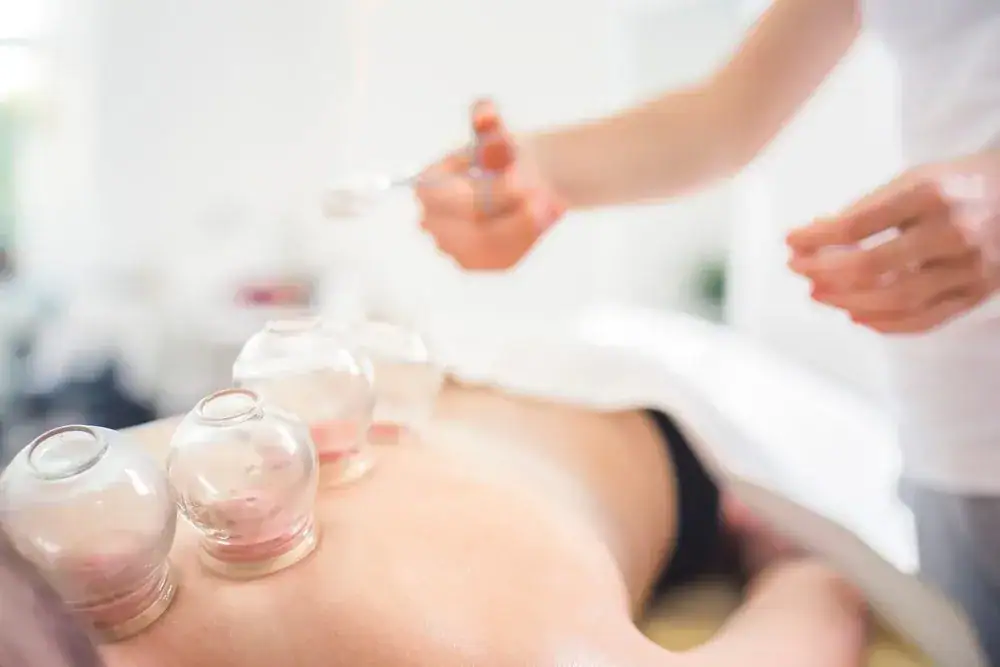
The mechanism isn’t mysterious. Creating negative pressure under the cup increases blood flow to the area, which brings oxygen and nutrients while removing metabolic waste. This helps tight muscles relax, reduces inflammation, and speeds tissue healing. We use it because it produces measurable improvements in range of motion, pain levels, and functional movement.
That said, it’s not a cure-all. It works best as part of a complete treatment plan that addresses why you developed the problem in the first place. If your pain comes from poor posture, cupping will help release the tight tissues, but you’ll also need to change the positions and habits causing the issue.
The marks look more dramatic than they feel. They’re caused by blood and metabolic waste moving from deeper tissues to the surface, not by tissue damage. Most people don’t experience pain from the marks themselves—you might feel some tenderness in the treated area, similar to post-workout soreness, but the discoloration doesn’t hurt.
The marks typically last seven to fourteen days and fade gradually. They’re darker after your first few sessions and often lighter as your tissues become healthier and less congested. You can go about your normal activities immediately after treatment. The marks don’t limit your movement or require any special care.
If the appearance concerns you—maybe you have an event coming up or prefer not to explain them—let us know before treatment. We can adjust cup placement to avoid visible areas, though this might limit which areas we can treat effectively. Most patients stop worrying about the marks once they experience the pain relief that comes with them.
Traditional massage and manual therapy work by compressing tissue—pushing down into muscles to release tension. Cupping does the opposite. It lifts tissue away from underlying structures through suction. This decompression approach works better for certain conditions, especially when tissues are too sensitive for direct pressure or when fascial restrictions need to be released without adding more compression.
Think of it this way: if your muscles are already tight and compressed from stress, poor posture, or overuse, adding more downward pressure might provide temporary relief but doesn’t address the restriction pattern. Cupping pulls tissues apart, creating space for blood flow and allowing fascia to glide properly again.
We use cupping alongside other physical therapy techniques, not instead of them. You might receive cupping to release tight tissue, then do specific exercises to retrain movement patterns, then get education on preventing the problem from returning. Each intervention serves a different purpose in your overall recovery.
Some patients notice improvement immediately after their first session. Others need two or three treatments before they feel significant change. The timeline depends on how long you’ve had the problem, what’s causing it, and how your body responds to treatment.
Acute issues—pain that’s been present for a few weeks—typically respond faster than chronic conditions you’ve dealt with for months or years. If you’re an athlete with a specific injury or overuse issue, you might see results within one to three sessions. If you’re managing long-standing pain from postural problems or degenerative changes, you’ll likely need ongoing treatment as part of a broader management strategy.
We’ll assess your response after each session and adjust our approach accordingly. If you’re not improving within three to four treatments, we’ll either modify the technique or consider whether a different intervention makes more sense. We’re not interested in providing treatment that isn’t working—we’d rather be honest about what’s helping and what isn’t so you can make informed decisions about your care.
Athletes use cupping for both injury recovery and performance enhancement. It’s particularly effective for reducing exercise-induced muscle soreness, improving recovery time between training sessions, and addressing overuse injuries like IT band syndrome, rotator cuff issues, and chronic hamstring tightness.
The increased blood flow from cupping helps clear lactic acid and other metabolic byproducts that accumulate during intense training. This speeds recovery and reduces the lingering soreness that can interfere with your next workout. Some athletes report feeling looser and more mobile immediately after treatment, which can improve performance in practices or competitions.
For injury recovery, cupping works well on muscle strains, tendon irritation, and fascial restrictions that develop from repetitive movement patterns. East Shoreham athletes dealing with running injuries, swimming shoulder problems, or tennis elbow often see faster improvement when cupping is added to their rehab program. The key is combining it with proper rest, progressive loading, and movement retraining so you’re not just treating symptoms but actually fixing the underlying problem.
Cupping is typically covered when it’s provided as part of your physical therapy treatment, which most insurance plans do cover. We bill it under your physical therapy visit, not as a separate alternative medicine service. Your coverage depends on your specific plan, deductible, and whether you’ve met any out-of-pocket maximums for the year.
We recommend calling your insurance company before your first visit to verify your physical therapy benefits. Ask specifically about coverage for manual therapy techniques and whether you need a referral from your primary care physician. Some plans require pre-authorization for physical therapy, while others allow direct access.
Our administrative team can provide the billing codes and information your insurance company needs to give you an accurate answer about your costs. We’ll also verify your benefits on our end, but it’s always good to confirm directly with your insurer so there are no surprises. If you have questions about coverage or costs after speaking with your insurance company, call our office and we’ll walk through your specific situation.
Other Services we provide in East Shoreham