
Chronic back pain changes how you move through your day. You adjust your posture to avoid the sharp spots, skip activities you used to enjoy, and wonder if this is just how it’s going to be now.
Cupping therapy works by creating suction on your skin that pulls blood flow to tight, inflamed areas. That increased circulation helps flush out the buildup causing your discomfort while loosening muscle tissue that’s been locked up for months or years. Many people notice their range of motion improving after just one session—not because we’re making promises, but because releasing that tension gives your body room to move the way it’s supposed to.
You’re not looking for temporary relief that wears off by dinner. You want something that actually addresses why you’re hurting in the first place. Dry cupping targets deep tissue inflammation and muscle adhesions that other treatments miss, which is why it’s effective for conditions like fibromyalgia, osteoarthritis, and chronic lower back pain. The treatment itself takes about 20 to 30 minutes, and you can go right back to your day afterward.
We’ve been providing home-based physical therapy across Long Island since 2010. We work with patients in East Rockaway who need professional care but can’t easily get to a clinic—whether that’s due to mobility issues, transportation challenges, or just the reality of a packed schedule.
Our therapists are licensed, Medicare-approved, and trained in multiple modalities including cupping therapy, manual therapy, and therapeutic exercise. We’re affiliated with Physical Therapy Associates of Smithtown and Speonk Physical Therapy, which means you’re getting the same clinical standards you’d find in a top outpatient facility, just in your living room instead.
East Rockaway has a higher median age and income than much of Nassau County, and we see a lot of patients here dealing with age-related joint pain, post-surgical recovery, and chronic conditions that benefit from consistent, personalized care. We accept Medicare and most commercial insurance plans.
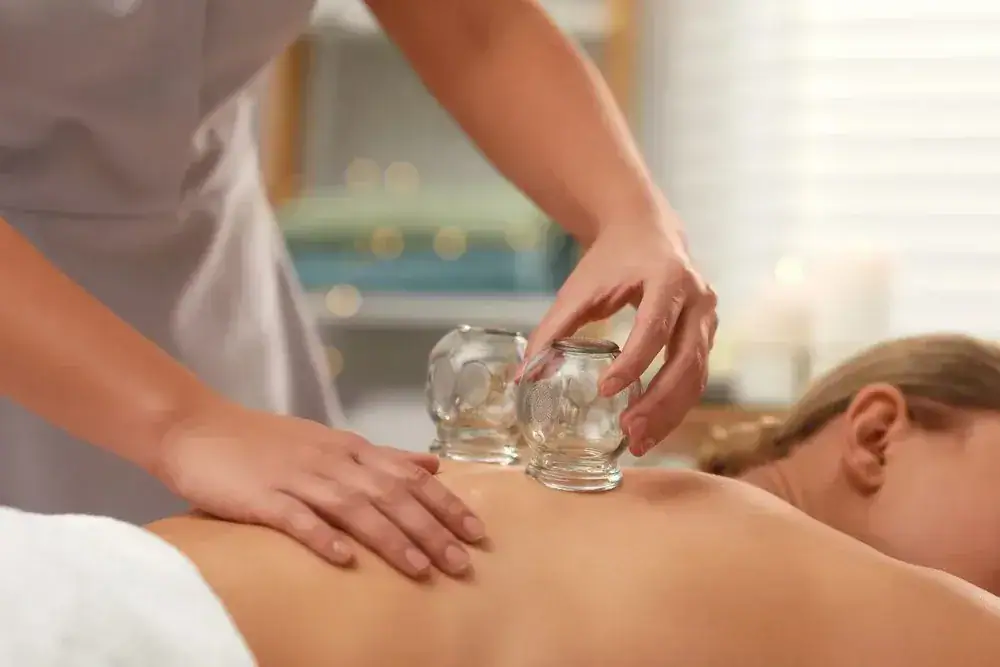
Your therapist arrives at your home with everything needed for the session. We start by talking through where you’re experiencing pain, what movements make it worse, and what you’ve already tried. That conversation matters because it tells us exactly where to place the cups and how much suction to use.
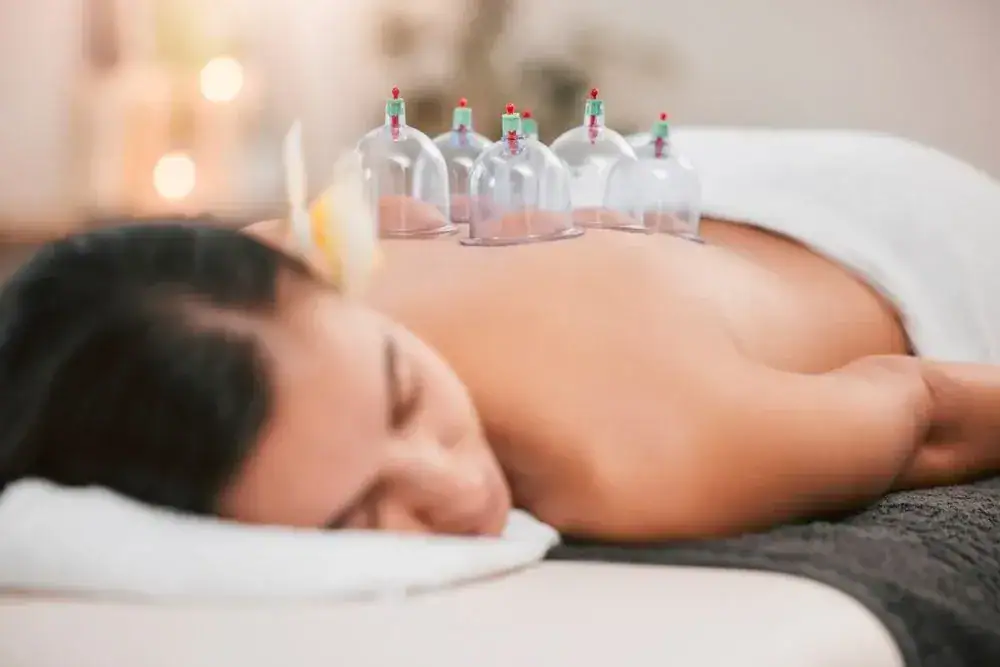
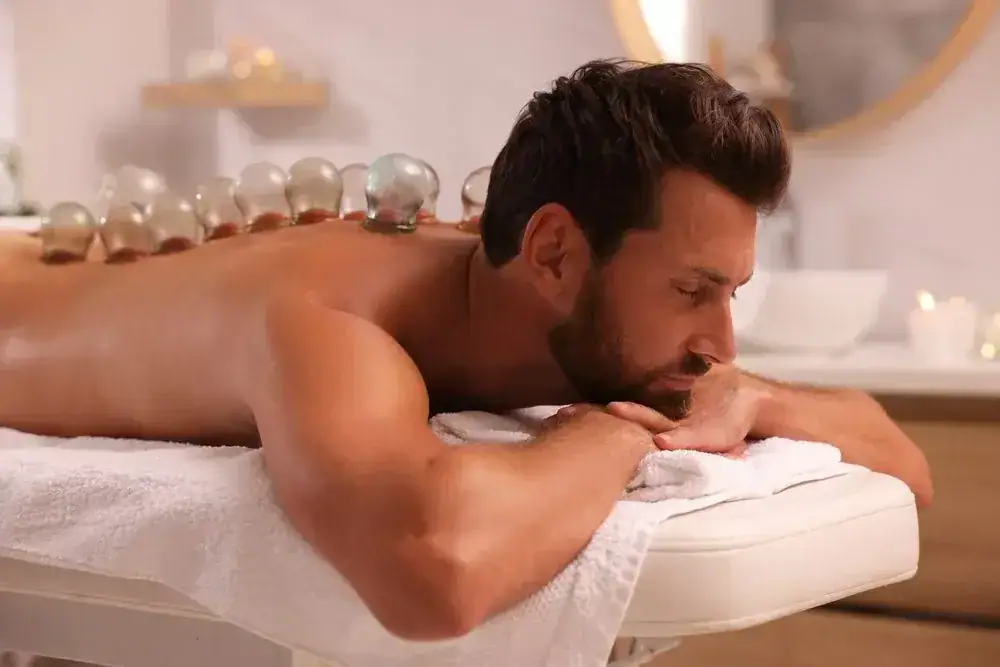
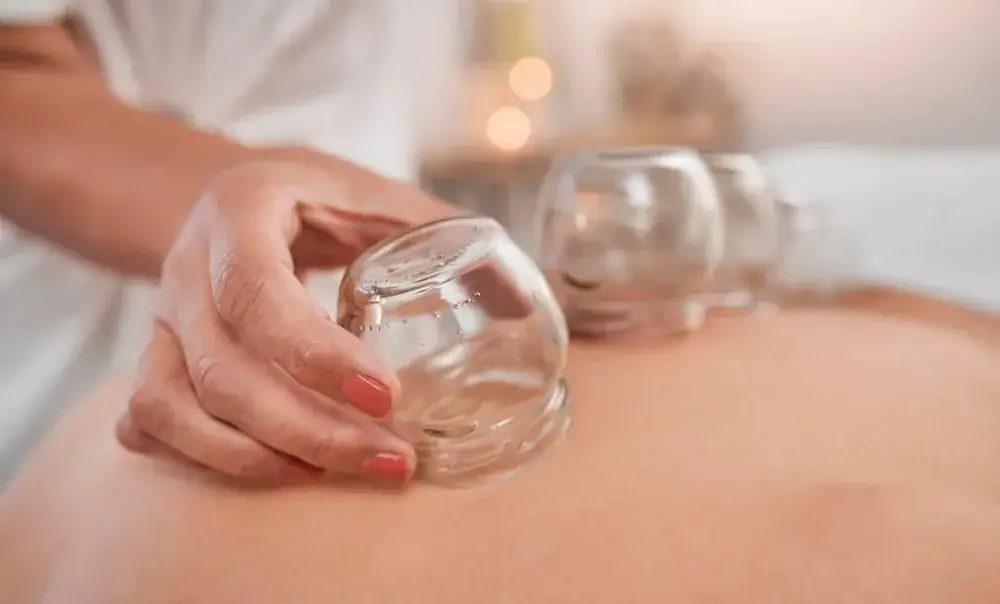
Dry cupping uses plastic or silicone cups placed on your skin, usually on your back, shoulders, or legs depending on your pain points. A pump creates suction that pulls your skin and underlying tissue upward into the cup. You’ll feel a tight pulling sensation, but it shouldn’t hurt—if it does, we adjust immediately. The cups stay in place for 5 to 15 minutes while they do their work increasing blood flow and releasing muscle tension.
After we remove the cups, you’ll likely see circular marks where they were placed. Those aren’t bruises in the traditional sense—they’re areas where stagnant blood and fluid have been pulled to the surface. They fade within a few days to a week. Most people feel looser and less restricted right away, though some soreness similar to post-workout muscle fatigue can show up the next day. That’s normal and means the tissue is responding.
Ready to get started?
You don’t need to prepare much for a home cupping session. We just need access to the area we’re treating and a comfortable place for you to sit or lie down—a bed, couch, or recliner works fine. Sessions typically last 30 to 45 minutes including assessment and treatment time.
In East Rockaway, we’re seeing more residents choose home therapy because it eliminates the hassle of driving to Lynbrook or Oceanside for appointments. New York’s Direct Access laws mean you can start treatment without a prescription, though we do coordinate with your doctor if you’re managing a specific diagnosis or recovery plan. Medicare covers our services when medically necessary, and we handle the billing directly.
Cupping works well on its own for muscle relaxation and pain relief, but we often combine it with other physical therapy techniques depending on what you need. If you’re recovering from surgery or an injury, we might integrate stretching, strengthening exercises, or manual therapy into the same visit. The goal is always to get you moving better and hurting less, not to lock you into endless appointments.
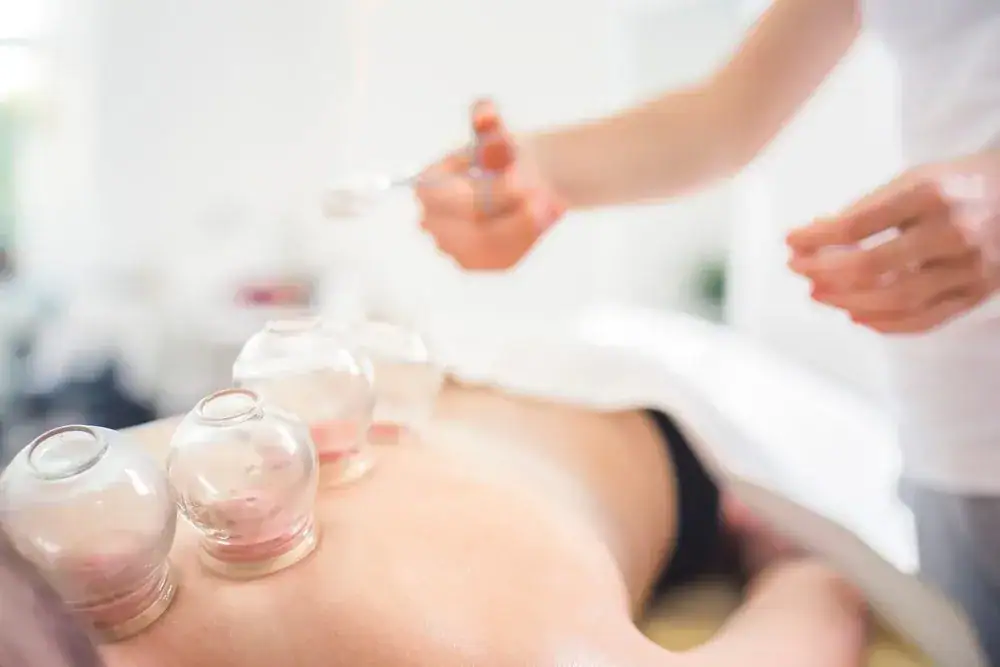
Yes, and the research backs it up. Multiple peer-reviewed studies show that cupping therapy significantly reduces chronic lower back pain, often more effectively than standard care alone. The suction created by the cups increases blood circulation to areas that aren’t getting enough oxygen and nutrients due to tight, inflamed tissue.
When you’ve been dealing with back pain for months or years, the muscles around your spine often develop adhesions—spots where tissue sticks together and restricts movement. Cupping helps break up those adhesions by lifting the tissue away from deeper structures. That’s why many people report feeling less stiff and more mobile immediately after a session.
It’s not a miracle cure, and it works best as part of a broader treatment plan that might include stretching, strengthening, and posture correction. But if you’ve tried medication, heat, and rest without much improvement, cupping offers a non-pharmaceutical option that addresses the mechanical issues causing your pain.
Cupping leaves circular marks that look like bruises but aren’t quite the same thing. Traditional bruises happen when blood vessels break due to impact. Cupping marks appear because suction pulls stagnant blood and lymphatic fluid to the surface, which shows up as red or purple circles on your skin.
The marks typically fade within three to seven days depending on how much suction was used and how your body responds. If you bruise easily or are on blood thinners, let your therapist know beforehand—we can adjust the pressure to minimize marking while still getting therapeutic benefit.
Some people don’t mind the marks and see them as a sign the treatment is working. Others prefer to schedule sessions when they won’t be wearing clothing that exposes the treated areas. Either way, the marks don’t hurt and they’re not a sign of damage to your tissue.
Dry cupping and wet cupping both use suction, but that’s where the similarity ends. Dry cupping places cups on your skin to create suction that increases blood flow and releases muscle tension. The cups stay in place for several minutes, then come off. No breaking of the skin, no blood removal.
Wet cupping involves making small incisions in your skin before applying the cups, which then draw out small amounts of blood. It’s a more invasive technique rooted in traditional medicine practices, and it’s not something most licensed physical therapists in New York perform. It also carries higher infection risk and requires more aftercare.
At Medcare, we use dry cupping exclusively. It’s effective for pain relief and muscle relaxation without any cutting or blood removal. You get the therapeutic benefits of increased circulation and tissue release through suction alone, which is what most people dealing with chronic pain or mobility issues actually need.
Medicare covers cupping therapy when it’s provided as part of a physical therapy treatment plan by a licensed therapist. That means if your doctor or therapist determines that cupping is medically necessary to treat your condition—whether that’s chronic pain, limited mobility, or recovery from injury—Medicare Part B typically covers it under outpatient physical therapy benefits.
There are some limitations. Medicare covers up to a certain dollar amount per year for physical therapy services, and cupping sessions count toward that cap. You’ll also be responsible for your standard 20% coinsurance after you’ve met your deductible. We handle all the billing and documentation on our end, so you don’t have to navigate the paperwork yourself.
Most commercial insurance plans also cover cupping when it’s part of physical therapy, though coverage varies by plan. We verify your benefits before your first session so you know exactly what to expect cost-wise. If you’re paying out of pocket, we can discuss that upfront as well.
Most people notice some improvement after their first session—less tightness, better range of motion, or reduced pain intensity. But one session isn’t going to resolve chronic issues that have been building for months or years. You’re looking at a series of treatments to get lasting results.
For acute pain or muscle tension, you might only need three to five sessions spread over a few weeks. For chronic conditions like fibromyalgia or long-term back pain, you’ll likely benefit from ongoing treatment—maybe once a week initially, then tapering to every other week or monthly as your symptoms improve.
We assess your progress after each session and adjust the treatment plan based on how you’re responding. If cupping isn’t giving you the relief we expect to see within a few sessions, we’ll talk about adding or switching to other techniques. The goal is always to get you better, not to keep you coming back indefinitely.
You can buy cupping kits online and try it yourself, but there’s a real difference between DIY cupping and treatment from a licensed therapist. Cupping isn’t just about sticking cups on sore spots—it requires understanding anatomy, knowing how much suction to use, and recognizing when certain areas shouldn’t be treated due to injury, inflammation, or other contraindications.
If you place cups incorrectly or use too much suction, you can cause skin damage, worsen inflammation, or miss the actual source of your pain entirely. A trained therapist knows how to assess your movement patterns, identify which muscles are contributing to your symptoms, and apply cupping in a way that complements your body’s healing process.
Home cupping kits might offer some temporary relief for minor muscle soreness, similar to foam rolling or massage. But if you’re dealing with chronic pain, limited mobility, or recovering from an injury, you’re better off working with someone who can evaluate your condition properly and integrate cupping into a complete treatment approach. That’s especially true if you’re using insurance to cover the cost—Medicare and commercial plans only pay for treatment provided by licensed professionals.
Other Services we provide in East Rockaway