
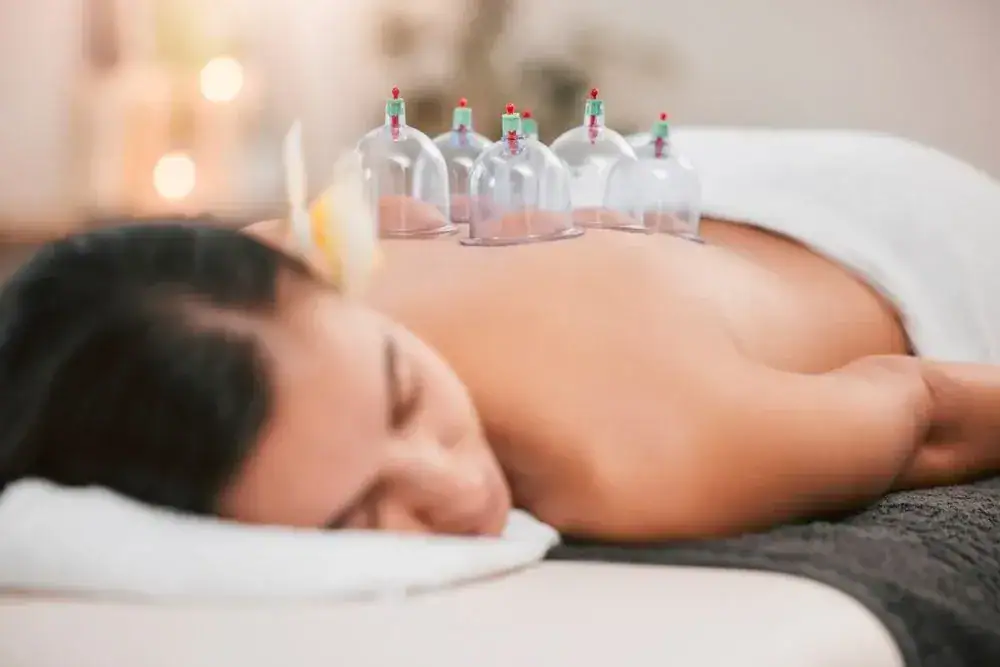

You’re dealing with pain that doesn’t quit. Lower back tightness that makes getting out of bed harder than it should be. Neck tension that turns into headaches by mid-afternoon. Shoulder stiffness that limits how you reach, lift, or sleep.
Cupping therapy works by creating suction on your skin, which pulls blood to the area and releases the fascia—the connective tissue wrapped around your muscles. When that fascia gets tight or stuck, it restricts movement and creates pain. Dry cupping loosens it.
The result isn’t just temporary relief. You get improved range of motion, reduced muscle tightness, and less inflammation. That means you can turn your head to check your blind spot without wincing. You can pick up your kid or a bag of groceries without bracing for it. You move through your day with less pain dictating what you can and can’t do.
For people in East Northport dealing with chronic musculoskeletal pain, this matters. About one in four Americans experienced back pain in the last three months alone. You’re not imagining it, and you’re not stuck with it.
We’ve been treating patients across Long Island since 2010. Our physical therapists are licensed and certified in myofascial cupping techniques—not just offering it because it’s trendy, but because it works when applied correctly.
Every treatment plan we create is built around what’s actually going on with your body. You’re not getting a one-size-fits-all session. We take time to understand where your pain comes from, what movements are limited, and what your goals are—whether that’s getting back to your workout routine or just making it through your workday without discomfort.
East Northport residents deal with the same issues you see across Long Island: long commutes that create postural strain, active lifestyles that lead to overuse injuries, and the general wear that comes with getting older. Our approach addresses those realities with evidence-based care that’s straightforward and effective.
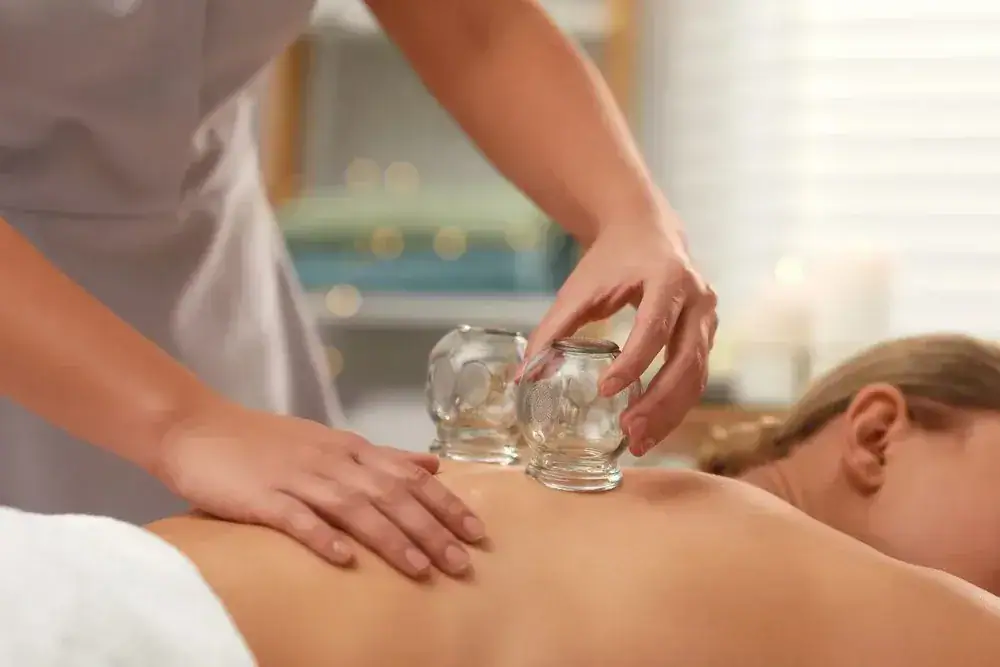
Your first visit starts with an evaluation. We assess your pain, test your range of motion, and identify which muscles and fascia are causing problems. This isn’t guesswork—it’s based on how your body moves and where the restrictions show up.
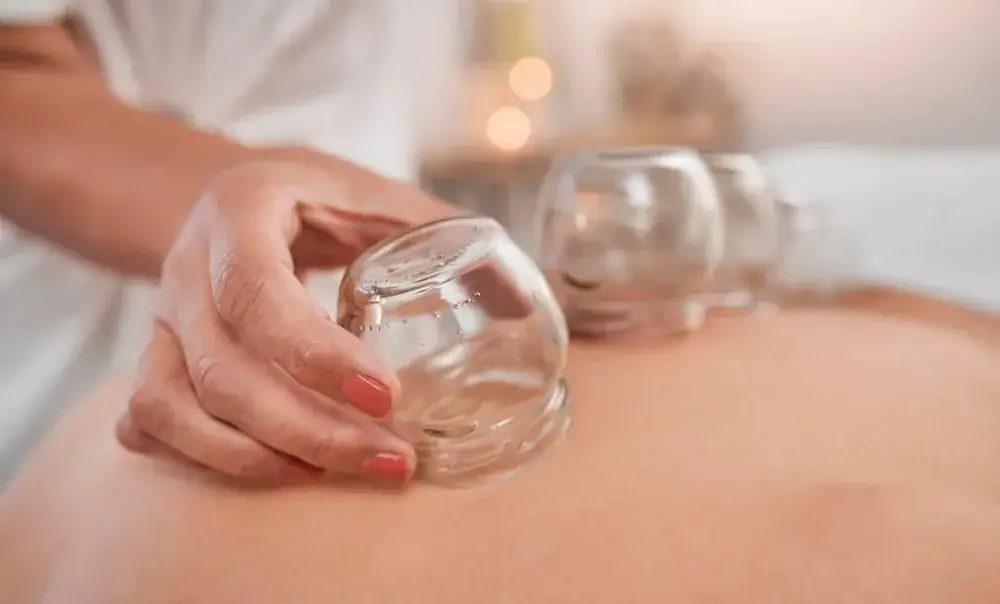
During the cupping session, we place small cups on targeted areas of your skin. The suction pulls tissue upward, increasing blood flow and releasing tight fascia. Sometimes we keep the cups stationary; other times we move them across your muscles to cover more area. The session typically lasts 15 to 30 minutes and is often combined with other physical therapy techniques like stretching, manual therapy, or targeted exercises.
You might see circular marks on your skin afterward—that’s normal and fades within a few days. What you’ll also notice is how the area feels: less tight, more mobile, with reduced pain. Most people need multiple sessions to see lasting improvement, especially if the issue is chronic.
We’ll give you exercises or stretches to do between visits. Cupping works best when paired with movement, so you’re not just getting temporary relief—you’re retraining your body to move better and stay pain-free longer.
Ready to get started?
Cupping therapy at Medcare isn’t a standalone service you book and forget. It’s integrated into a broader physical therapy plan designed to address the root cause of your pain, not just mask symptoms.
You get a licensed physical therapist who understands musculoskeletal conditions and knows how to apply cupping where it’ll make a difference. That includes treating conditions like chronic lower back pain, neck pain, knee pain, and tension headaches—issues that affect a significant portion of Long Island residents. In fact, back pain alone is the most commonly reported pain condition in the U.S., and it’s a major reason people seek physical therapy.
Sessions are covered by most insurance plans, including Medicare and Medicaid, which makes this accessible without the out-of-pocket cost you’d see at a spa or wellness center offering cupping. You’re getting clinical treatment from a healthcare professional, not a relaxation service.
East Northport’s active community—people who work physical jobs, stay involved in sports, or simply want to age without losing mobility—benefits from cupping’s ability to enhance recovery and improve performance. Research shows cupping significantly improves range of motion and reduces joint pain, which translates to real-world benefits whether you’re training for a 5K or just trying to garden without your back seizing up.
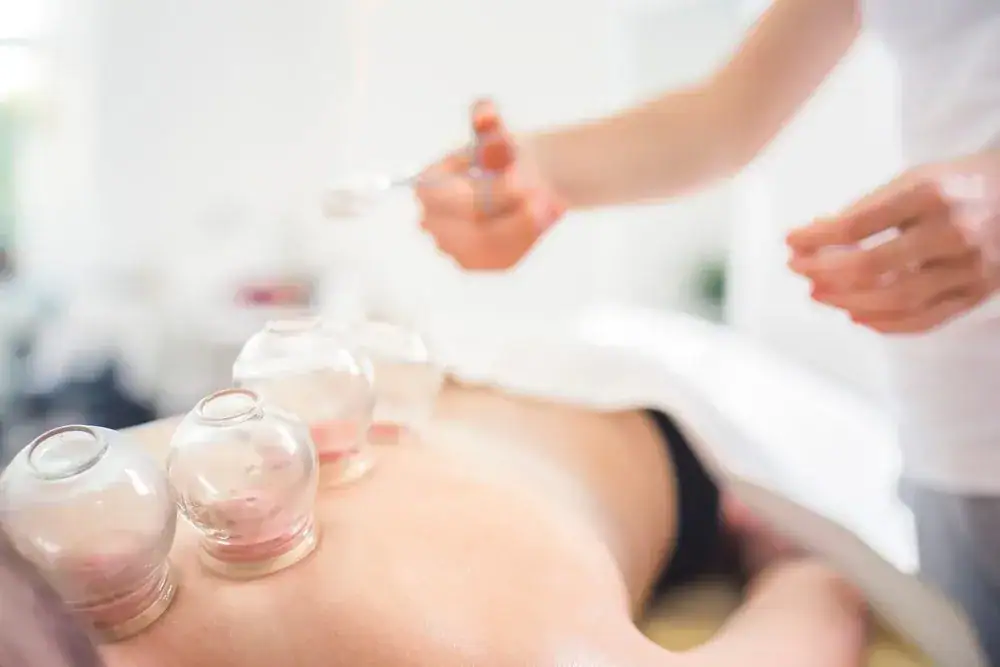
Cupping therapy has clinical evidence supporting its effectiveness for chronic musculoskeletal pain. Studies show it reduces pain more effectively than conventional treatments when used as part of a comprehensive physical therapy plan.
The mechanism isn’t mystical. Cupping increases blood circulation to the treated area, which helps reduce muscle tension and promotes healing. It also stimulates small nerves inside muscles, triggering the release of natural pain-relieving chemicals your body already produces.
For conditions like chronic lower back pain, neck pain, and knee pain, cupping has shown measurable improvements in both pain levels and functional capability. That means you’re not just feeling better temporarily—you’re actually able to do more with less discomfort. It’s not a cure-all, but it’s a proven tool when applied correctly by a licensed physical therapist who knows how to integrate it with other treatments.
Cupping creates a pulling sensation on your skin, but it shouldn’t be painful. Most people describe it as a tight pressure that feels unusual at first but becomes comfortable within a few seconds.
The suction level is adjustable, so we can modify the intensity based on your tolerance and the area being treated. Some spots—especially where muscles are particularly tight or inflamed—might feel more sensitive, but you’re in control. If it’s too much, speak up.
After the session, the treated area might feel tender, similar to the soreness you’d get after a deep tissue massage. That typically fades within a day or two. The circular marks left by the cups aren’t bruises in the traditional sense—they’re caused by increased blood flow to the area and usually disappear within three to five days. If you’re concerned about visible marks, let us know beforehand so we can adjust placement or intensity.
It depends on what you’re treating and how long you’ve been dealing with it. Acute issues—like a recent muscle strain or post-workout soreness—might improve noticeably after one or two sessions.
Chronic conditions take longer. If you’ve had lower back pain for months or years, expect a series of sessions over several weeks to see significant, lasting improvement. Most treatment plans involve one to two sessions per week initially, then taper off as your symptoms improve.
We’ll reassess your progress regularly and adjust the plan based on how you’re responding. Some people notice reduced pain and better mobility after the first session; others need a few treatments before the benefits become obvious. The key is consistency and combining cupping with the exercises or stretches we recommend. Cupping works best when paired with movement, not as a passive treatment you rely on alone.
Yes, when cupping is performed by a licensed physical therapist as part of a physical therapy treatment plan, it’s typically covered by insurance. We accept Medicare, Medicaid, and most major private insurance plans.
Coverage depends on your specific plan and whether you’ve met your deductible, but cupping is billed as part of your physical therapy session—not as a separate alternative therapy service. That’s a significant difference from cupping offered at spas or wellness centers, which is almost never covered.
Before your first visit, contact your insurance provider to confirm your physical therapy benefits and any copay or coinsurance you’ll be responsible for. Our team can also verify your coverage and explain what to expect in terms of out-of-pocket costs. The goal is transparency so you know what you’re paying before you commit to treatment.
Cupping therapy is effective for both chronic pain and sports-related injuries. Athletes use it to speed recovery, reduce muscle soreness, and improve range of motion after intense training or competition.
Research shows cupping significantly improves hip joint mobility and reduces pain, which has direct applications for runners, cyclists, and anyone dealing with lower body injuries. It’s also used for shoulder injuries, hamstring strains, and IT band tightness—common issues for active people in East Northport who stay involved in recreational sports or fitness routines.
The treatment works by increasing blood flow to injured tissue, which accelerates healing and reduces inflammation. When combined with targeted exercises and proper rest, cupping helps you get back to your activity faster and with less risk of re-injury. We integrate cupping into sports injury rehabilitation plans, not as a standalone treatment but as part of a comprehensive approach that addresses strength, flexibility, and movement patterns.
Dry cupping uses suction alone to create the therapeutic effect. Cups are placed on your skin, air is removed to create a vacuum, and the suction pulls tissue upward. There are no needles, no incisions, and no blood involved.
Wet cupping, by contrast, involves making small cuts in the skin before applying the cups, which draws out a small amount of blood. This method is more common in traditional Chinese medicine practices but isn’t typically used in physical therapy settings. Dry cupping is what you’ll receive at Medcare—it’s non-invasive, low-risk, and effective for musculoskeletal pain and muscle tension.
Some therapists use stationary cupping, where cups stay in one place for several minutes. Others use gliding or dynamic cupping, where cups are moved across the skin to cover larger areas or follow muscle fibers. We’ll choose the approach based on what your body needs and what will give you the best results. Both methods are safe, evidence-based, and widely used in physical therapy practices across the country.
Other Services we provide in East Northport