
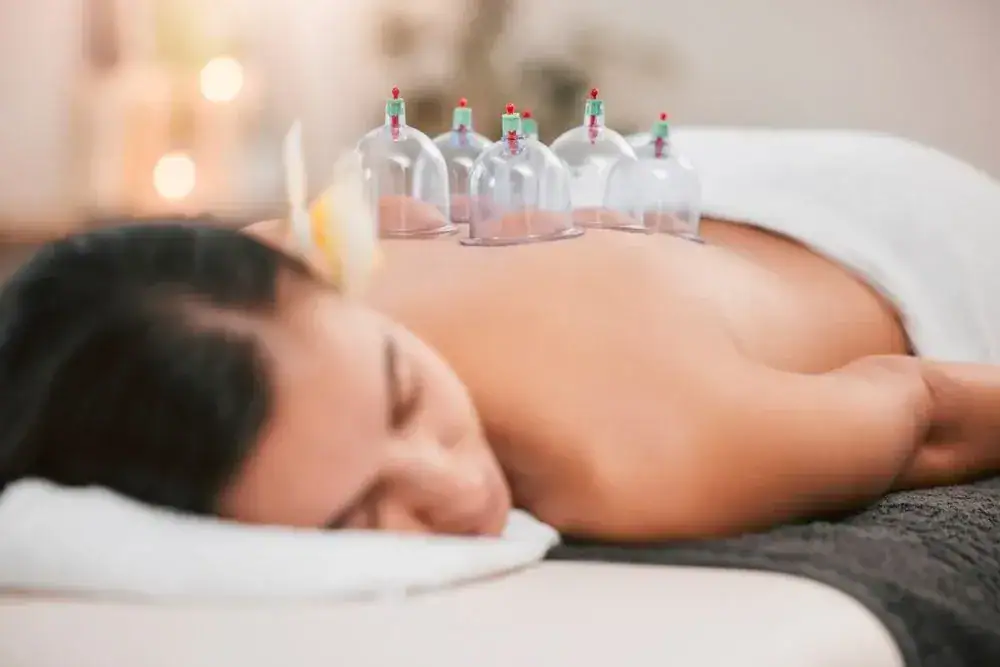

Your back doesn’t scream at you when you stand up. Your neck turns without that grinding sensation. You sleep through the night because your muscles finally let go.
That’s what happens when blood flow increases to the right areas and fascial tissue stops binding everything up. Cupping creates negative pressure that lifts tissue, separates layers that have been stuck together, and gets circulation moving where it’s been stagnant. You’re not masking symptoms—you’re addressing what’s causing the tightness and restriction in the first place.
Most people notice they can move more freely after the first session. The knots in your shoulders feel less like rocks. Your range of motion improves because the tissue isn’t fighting you anymore. And if you’ve been trying to avoid another round of pain meds, this gives you an option that actually works without the side effects.
We’ve been serving Nassau County for over a decade, and we’ve built our reputation on one thing: showing up when it matters. We specialize in home-based physical and occupational therapy, which means if getting to an office is hard for you, we remove that barrier entirely.
East Meadow has over 2,100 physical therapy specialists, so you’ve got options. What makes us different is that we come to you, and we integrate cupping therapy into a broader treatment plan that’s designed around your specific condition. We’re not a one-trick operation—we’re licensed therapists who use cupping as one tool among many to get you moving better and feeling less pain.
Our team manages every detail, from insurance coordination to treatment scheduling, so you’re not dealing with administrative headaches on top of physical ones. You get consistent care from professionals who know your case and adjust your treatment as you progress.
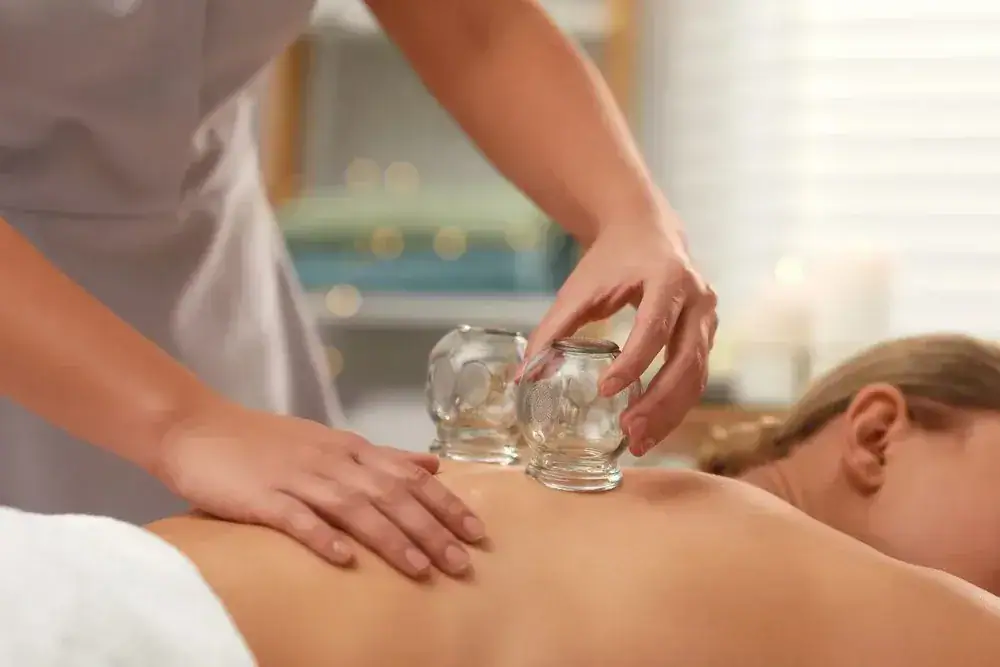
First, your therapist evaluates where you’re holding tension, where your pain is most intense, and what movements are limited. This isn’t a generic session—it’s based on your body and your specific issues.
Then cups are placed on targeted areas. We use dry cupping, which creates suction that pulls tissue upward. You’ll feel pressure, but most people describe it as a deep tissue sensation, not sharp pain. The cups stay in place for several minutes while they do their work—lifting fascia, increasing blood flow, and releasing muscle tension.
After the cups come off, your therapist will likely integrate other techniques like manual therapy or therapeutic exercise. Cupping works best when it’s part of a complete treatment plan, not a standalone fix. You might see some circular marks on your skin afterward—that’s normal and fades within a few days. Those marks show where blood flow was increased and stagnant fluid was moved out.
Most people feel looser immediately. Depending on your condition, you might need multiple sessions to see lasting change, but you’ll know pretty quickly if this is helping.
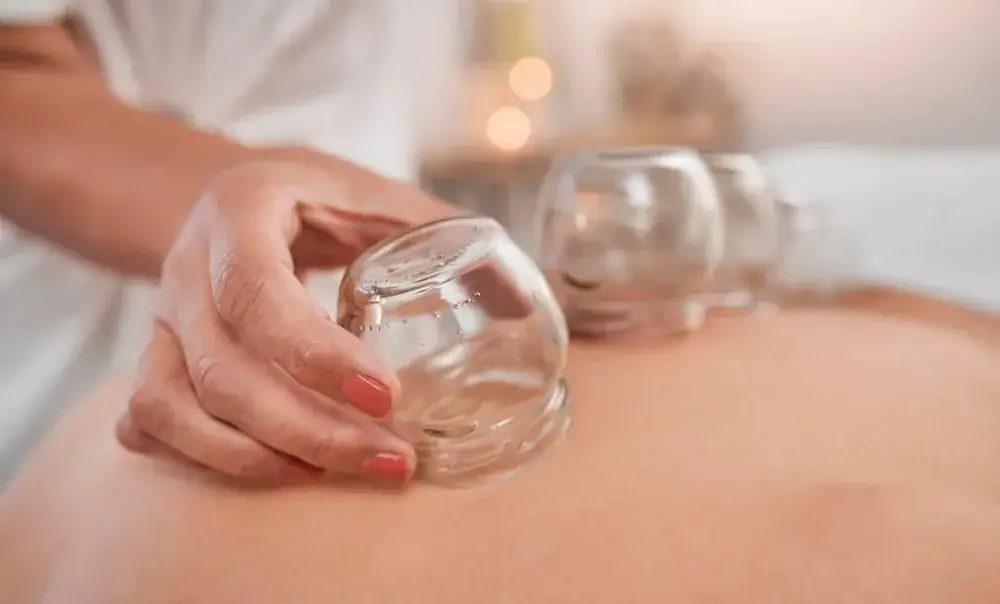
Ready to get started?
Every session includes a full assessment of your pain patterns and movement restrictions. Your therapist isn’t just placing cups randomly—they’re targeting fascial adhesions, trigger points, and areas where circulation has been compromised.
You’re also getting education on what’s happening in your body and why cupping helps. If you’ve been told you have myofascial pain, chronic low back pain, neck stiffness, or arthritis-related discomfort, cupping addresses the mechanical restrictions that make those conditions worse. For athletes or active people in East Meadow dealing with slow recovery times, cupping reduces muscle soreness and helps tissue bounce back faster after exertion.
Because we’re a home-based service, you’re getting treatment in your own space, which matters if you have mobility limitations or if the stress of traveling to appointments makes your pain worse. Nassau County traffic alone can tighten you up before you even walk into a clinic. We remove that variable entirely.
And since we’ve been operating in this area since 2010, we understand the local population—plenty of older adults, people managing chronic conditions, and active individuals who need effective recovery options without the runaround.
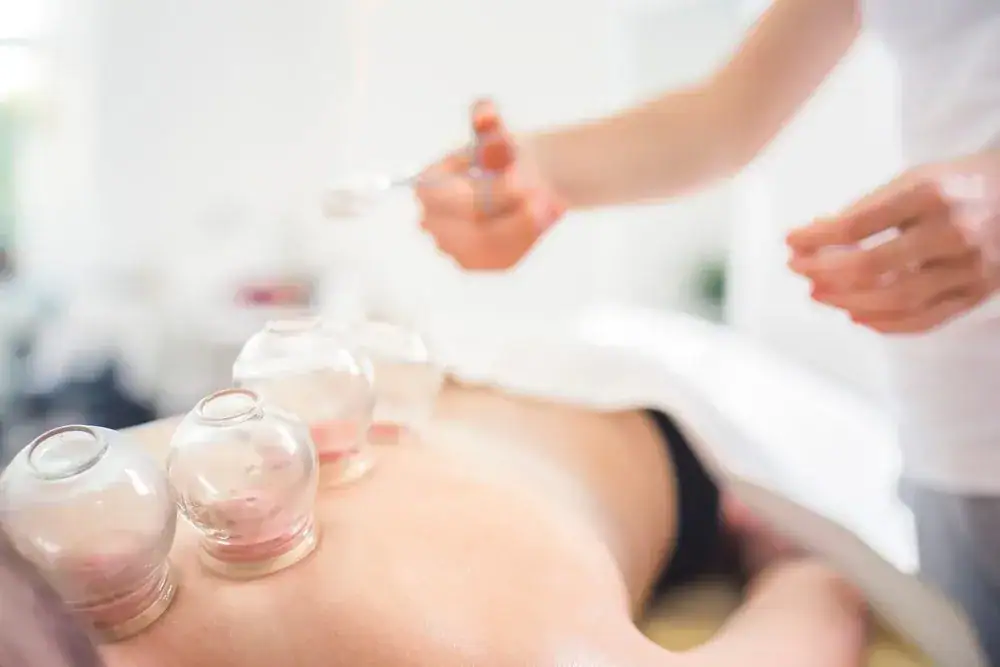
Yes, and there’s research backing it up. Studies show that cupping is more effective than sham therapy for persistent low back pain, and patients report measurable improvements after even single sessions.
What’s happening is that cupping increases local blood flow, which brings oxygen and nutrients to tissues that have been starved of circulation. It also mechanically lifts and separates fascial layers that have become dense and restricted. When fascia is stuck, it limits your movement and creates pain. Cupping unsticks it.
Most people feel relief right away—not because it’s a placebo, but because the tissue is actually being manipulated in a way that reduces tension and improves mobility. If your back pain is related to muscle tightness, fascial restriction, or trigger points, cupping directly addresses those issues. It’s not a cure-all, but it’s a legitimate intervention that works especially well when combined with other physical therapy techniques.
It feels like deep pressure, not sharp pain. When the cups are applied, you’ll feel a pulling sensation as suction lifts your skin and the tissue underneath. Some areas might feel more intense than others, especially if there’s a lot of tension or restriction in that spot.
Most people find it relaxing once they get used to the sensation. It can stimulate a parasympathetic response, which is your body’s relaxation mode, so you might actually feel calmer during treatment. If a cup feels too intense, your therapist can adjust the pressure—communication matters here.
Afterward, you might feel a bit sore, similar to how you’d feel after a deep tissue massage. That soreness usually fades within a day or two. The circular marks left behind aren’t bruises in the traditional sense—they’re areas where blood flow was increased and stagnant fluid was mobilized. They look more dramatic than they feel and typically disappear within a few days to a week.
It depends on what you’re dealing with and how long you’ve had the problem. Acute issues—like a recent muscle strain or post-workout soreness—might respond quickly, sometimes in one or two sessions. Chronic conditions like long-term back pain, neck stiffness, or arthritis usually require multiple sessions before you see lasting change.
Most treatment plans involve weekly sessions for several weeks, then tapering off as you improve. Your therapist will reassess your progress regularly and adjust the plan based on how your body responds. Some people notice immediate relief after the first session but find that the benefits are temporary until they’ve had a few more treatments.
The goal isn’t to keep you in treatment forever—it’s to get you to a point where your pain is manageable, your movement is restored, and you can maintain progress on your own. Cupping works best when it’s part of a broader physical therapy plan that includes exercise, manual therapy, and education on how to prevent the problem from coming back.
Often, yes—but it depends on your plan and how the service is billed. When cupping is provided as part of a physical therapy treatment plan by a licensed physical therapist, it’s typically covered under your PT benefits. It’s not usually billed as a separate service but rather as a technique used within your overall therapy session.
We handle insurance coordination directly, so you’re not left guessing what’s covered or dealing with surprise bills. Before starting treatment, we verify your benefits and let you know what to expect in terms of costs. If you have a copay or deductible, that applies to the session as a whole, not specifically to cupping.
If you’re paying out of pocket, we can discuss pricing upfront. The key thing to understand is that cupping isn’t some add-on luxury service—it’s a clinical intervention used by licensed therapists to treat specific conditions. Insurance companies recognize that when it’s part of a documented treatment plan for a covered diagnosis.
Absolutely. Athletes use cupping to speed recovery, reduce muscle soreness, and improve range of motion. Research on professional soccer players showed that cupping significantly reduced pain and improved mobility, which translates to better performance and faster return to activity.
What cupping does for athletes is reduce tissue fatigue and improve fluid movement in and around muscles. After intense training or competition, your muscles accumulate metabolic waste and microtears that need to heal. Cupping enhances circulation to those areas, which speeds up the healing process and reduces the stiffness that slows you down.
If you’re dealing with a specific injury—like a hamstring strain, shoulder impingement, or IT band tightness—cupping can target those areas and release fascial restrictions that are limiting your movement. It’s not a replacement for rehab exercises or proper rest, but it’s a tool that helps you recover smarter and get back to your sport without lingering tightness or compensations that lead to new injuries.
Because getting to a clinic might be part of the problem. If you have mobility issues, chronic pain that makes sitting in a car unbearable, or a schedule that doesn’t allow for travel time and waiting rooms, home-based therapy removes those obstacles entirely.
You’re also more relaxed in your own environment, which matters for treatment effectiveness. Stress and tension make pain worse, and if you’re already tight from the effort of getting somewhere, you’re starting the session at a disadvantage. At home, you can move from treatment directly to rest without adding more strain to your day.
For people in East Meadow and across Nassau County, traffic and parking alone can turn a 30-minute appointment into a two-hour ordeal. We’ve been doing home-based therapy since 2010 because we’ve seen how much better outcomes are when patients aren’t exhausted before treatment even starts. You get the same quality care, the same licensed therapists, and the same evidence-based techniques—just without the logistical headache.
Other Services we provide in East Meadow