
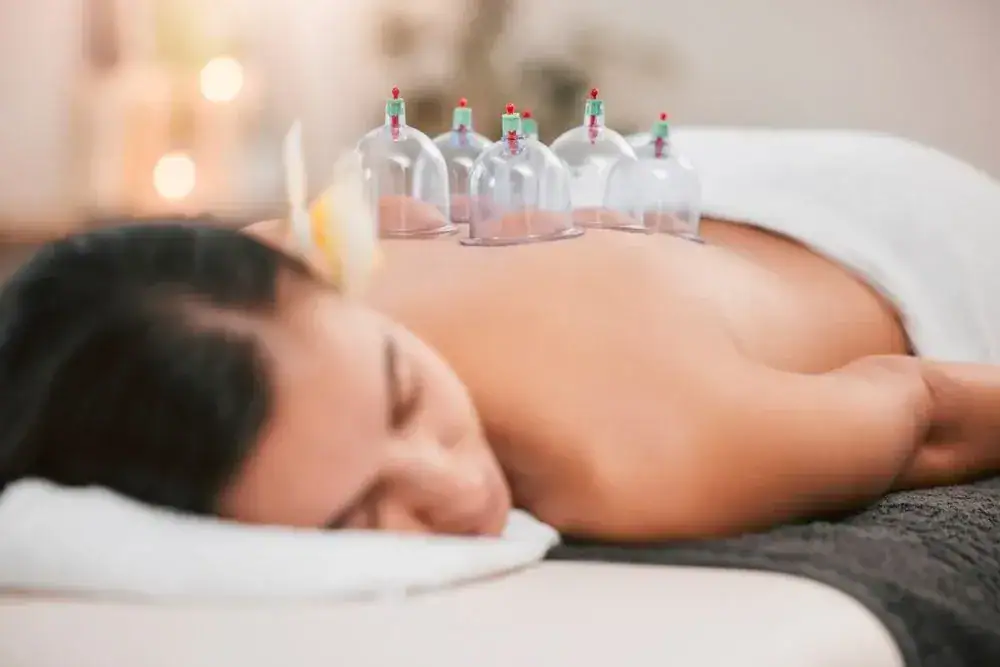

You’re dealing with pain that won’t quit. Back tension that makes mornings brutal. Neck stiffness that turns every head turn into a reminder. Shoulders so tight you can’t reach overhead without wincing.
Cupping therapy works by creating suction on your skin that pulls blood to the surface and encourages tight muscle fibers to release. That increased circulation helps reduce inflammation right where you need it. The result is less pain, better range of motion, and muscles that finally relax instead of staying locked up.
This isn’t about temporary relief that disappears by lunch. When your physical therapist uses dry cupping as part of your treatment plan, you’re addressing the tension at its source. You move easier. Sleep better. Get back to activities you’ve been avoiding because they hurt too much.
Medcare Therapy Services has been operating since 2010, serving East Islip and the surrounding Long Island communities with physical therapy that puts your recovery first. Every treatment is delivered by licensed physical therapists who’ve trained specifically in techniques like cupping therapy—not assistants, not aides.
East Islip residents deal with the same challenges as the rest of Long Island: long commutes that wreck your back, active lifestyles that lead to overuse injuries, and the reality of getting older in a place where you want to stay active year-round. We get it because we’ve been treating it for over a decade.
Your treatment plan is built around your schedule, your pain points, and your goals. We accept Medicare and most commercial insurance, and we’ll walk you through what’s covered before you start.
Your first visit starts with an evaluation. Your physical therapist asks about your pain—where it is, when it started, what makes it worse. They’ll assess your range of motion and muscle tension to figure out if cupping therapy makes sense for your situation.
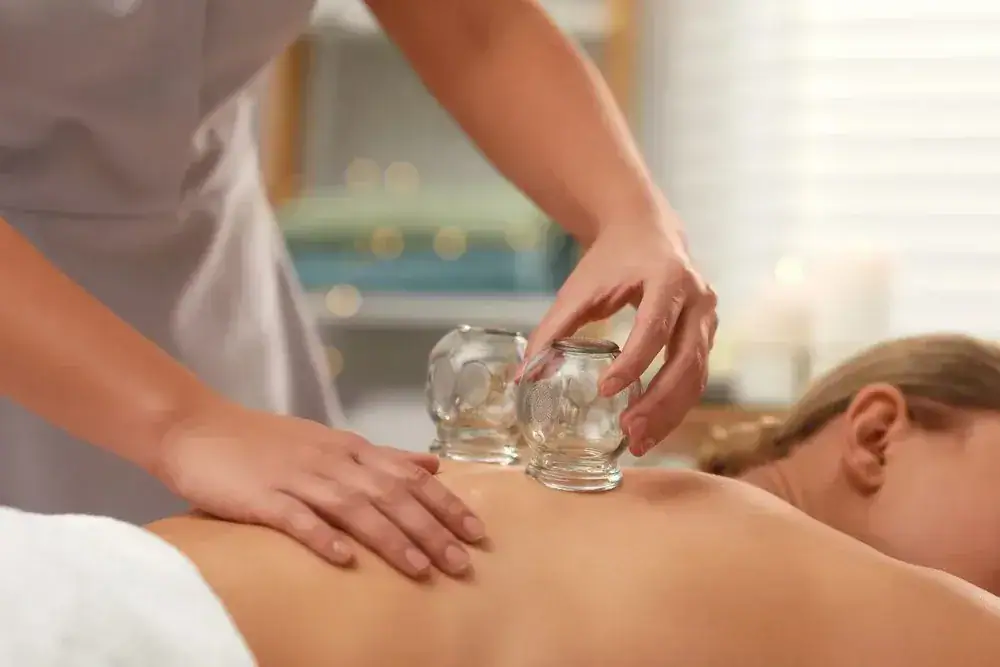
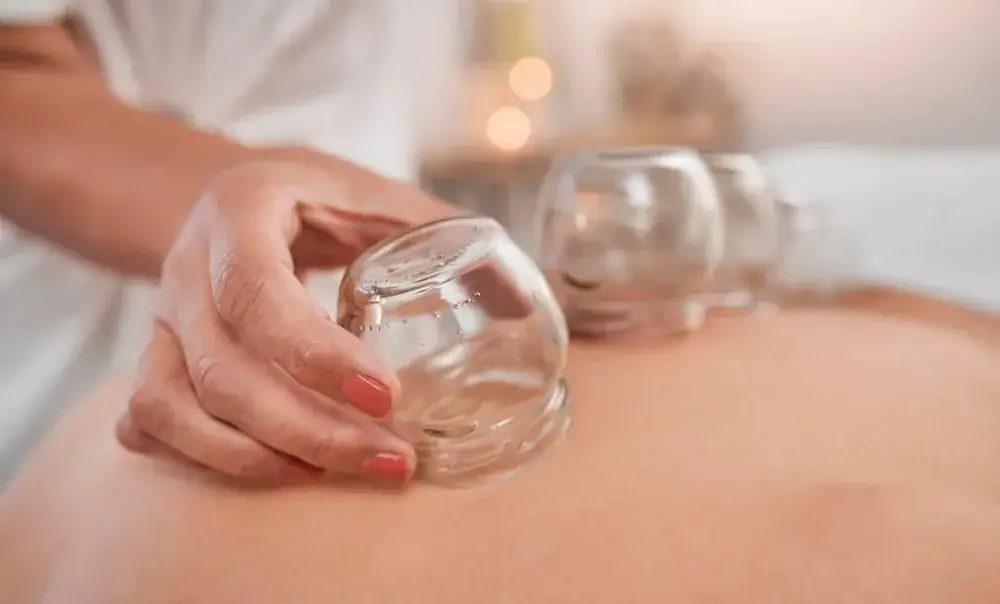
If cupping is a good fit, here’s what the actual treatment looks like. Your therapist places specialized cups on your skin over the tight or painful areas. The cups create suction that draws your skin up slightly. Some therapists leave the cups in place for several minutes. Others glide them across your muscles to release tension along a broader area.
You’ll feel the suction, but it shouldn’t hurt. Most people describe it as a pulling sensation that actually feels good once the muscle starts to release. Afterward, you might have circular marks where the cups were placed—they’re not bruises, they’re just from the suction, and they fade within a few days.
Cupping is usually combined with other physical therapy techniques. Your therapist might use manual therapy, stretching, or specific exercises alongside cupping to give you the best results. How many sessions you need depends on your condition, but most people notice improvement within the first few treatments.
Ready to get started?
We use cupping therapy at Medcare to treat chronic back pain, neck pain, shoulder tension, and muscle tightness that limits your movement. We also use it for sports-related injuries, post-workout recovery, and conditions like fibromyalgia where muscle pain is a constant issue.
East Islip has an active community. People here play tennis at Heckscher State Park, run along the Great South Bay, and stay busy with yard work and home projects. That activity level is great—until something starts hurting and won’t stop. Cupping helps address the muscle tension and inflammation that come from overuse, repetitive strain, or just the wear and tear of staying active as you age.
The treatment itself is low-risk. Because it’s performed by licensed physical therapists, you’re getting cupping as part of a broader care plan that’s designed around your specific needs. It’s not a standalone fix—it works best when combined with the other techniques your therapist uses to improve your mobility and reduce pain.
You’ll also get guidance on what to do between sessions. Stretches, movement modifications, and self-care strategies that keep your progress going even when you’re not in the clinic.
Yes, but it works best when it’s part of a complete physical therapy plan. Research shows that cupping can be effective for chronic neck pain, low back pain, and fibromyalgia when used alongside other treatments. The suction increases blood flow to painful areas, which helps reduce inflammation and encourages muscle fibers to relax.
Here’s the thing: cupping isn’t magic. If your pain is caused by tight muscles, restricted fascia, or poor circulation in a specific area, cupping can make a real difference. But if there’s an underlying structural issue—like a herniated disc or joint damage—cupping alone won’t fix it. That’s why we evaluate you first and build a treatment plan that addresses the root cause, not just the symptoms.
Most patients notice some improvement after the first few sessions, especially if muscle tension is a major part of their pain. The key is consistency and combining cupping with the exercises and manual therapy we recommend.
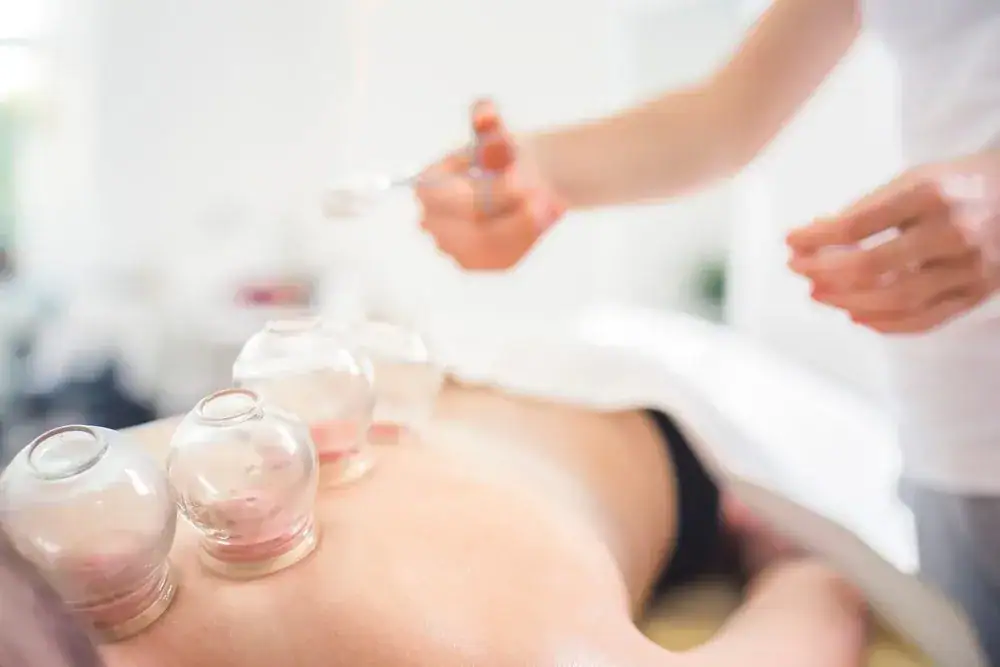
Dry cupping is what we use at Medcare. It involves placing cups on your skin to create suction—no needles, no incisions, nothing invasive. The cups can be left in place or moved around to release tension across a larger area. It’s straightforward and low-risk.
Wet cupping is different. It involves making small cuts in the skin and using the cups to draw out a small amount of blood. Physical therapists don’t typically perform wet cupping—it’s more common in traditional medicine practices. We use dry cupping because it’s effective, safe, and integrates well with the other physical therapy techniques we use.
Some therapists also use a technique called myofascial decompression, which is essentially dry cupping with a focus on releasing the fascia—the connective tissue that surrounds your muscles. The cups are moved along your body to lift and separate tissue layers, which can help with mobility and pain. It’s all part of the same family of treatments, just with slightly different applications depending on what you need.
You’ll likely have circular marks where the cups were placed, but they’re not technically bruises. The suction pulls blood to the surface of your skin, which creates those distinctive round marks. They can range from light pink to dark purple depending on how much tension and stagnation was in that area.
The marks don’t hurt. They’re just visible. Most people find they fade within three to seven days. If you’re concerned about how they look, plan your sessions accordingly—especially if you have an event coming up where you’ll be wearing something that shows your back or shoulders.
The intensity of the marks doesn’t necessarily correlate with how effective the treatment is. Some people mark easily, others barely show anything. We can adjust the suction level if you’re marking too heavily, but some discoloration is normal and expected. It’s just part of how cupping works.
It depends on what you’re treating and how long you’ve been dealing with it. Acute injuries or recent muscle tension might respond in just a few sessions. Chronic pain that’s been building for months or years usually takes longer—sometimes six to eight sessions before you notice significant, lasting improvement.
We’ll give you a better estimate after your evaluation. We’ll consider how severe your pain is, how limited your movement is, and how your body responds to the first treatment. Some people feel immediate relief after one session. Others need consistent treatment over several weeks to see real change.
The goal isn’t to keep you coming back forever. It’s to reduce your pain, improve your function, and give you the tools to maintain that progress on your own. Cupping is often phased out as you get stronger and your pain decreases, with your treatment plan shifting toward exercises and long-term strategies.
If cupping is performed by a licensed physical therapist as part of your physical therapy treatment, it’s typically covered under your PT benefits. We accept Medicare and most commercial insurance plans, and cupping is billed as part of your overall therapy session—not as a separate add-on service.
Coverage varies depending on your specific plan, so it’s worth calling your insurance company to confirm your physical therapy benefits before your first visit. Ask how many PT sessions you’re allowed per year and whether you have a copay or deductible. Our team can also help verify your benefits and let you know what to expect cost-wise.
If you’re paying out of pocket, cupping is usually included in the cost of your physical therapy session. You’re not paying extra just because your therapist uses cups instead of their hands for part of the treatment. It’s all part of the same service.
Yes. Cupping has become popular with athletes because it helps reduce muscle soreness, improve circulation, and speed up recovery after intense training or competition. You probably saw the circular marks on Olympic athletes back in 2016—that’s cupping. It’s not just hype. When used correctly, it works.
For athletes in East Islip dealing with overuse injuries, tight hip flexors from running, or shoulder strain from swimming or tennis, cupping can help release tension and improve range of motion faster than stretching alone. The increased blood flow helps flush out metabolic waste that builds up in your muscles after hard workouts, which can reduce soreness and stiffness.
That said, cupping isn’t a replacement for proper training, rest, and injury prevention. It’s a tool that works best when combined with smart programming and good recovery habits. If you’re dealing with a specific injury, we’ll use cupping as part of a broader plan that includes strengthening, mobility work, and activity modification to get you back to your sport safely.
Other Services we provide in East Islip