
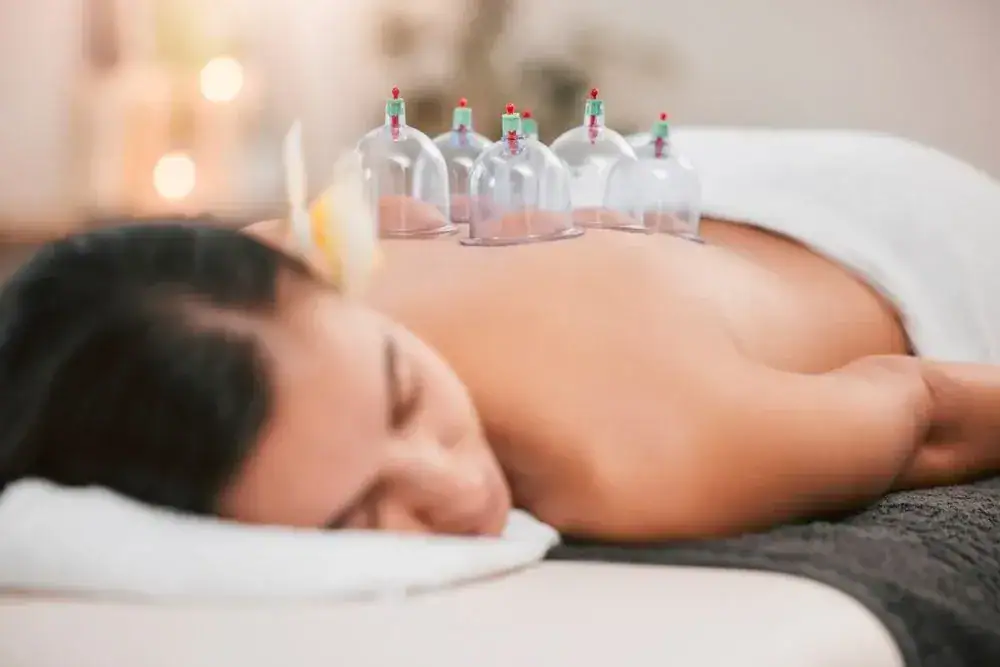

You’re not looking for temporary relief that wears off by dinner. You want to move without wincing. Sleep without waking up stiff. Get through your day without constantly adjusting how you sit or stand.
Cupping therapy works by creating suction on your skin that pulls blood flow to the area, reduces inflammation, and releases those tight, knotted spots that won’t let go. It’s not a magic fix, but it’s effective for chronic back pain, neck tension, shoulder stiffness, and knee discomfort—the kinds of issues that pile up over time and start limiting what you can do.
Most people notice improved range of motion after just a few sessions. The tightness loosens. Movement feels easier. And because cupping integrates with physical therapy, you’re not just masking symptoms—you’re actually addressing what’s causing the problem in the first place.
Medcare Therapy Services has been serving Long Island for years through multiple locations, including our affiliated centers in Smithtown and Speonk. We’re not a franchise or a rotating door of therapists—we’re licensed professionals who live and work in this area.
East Hampton North has a median age of nearly 58, and we see that reflected every day. Many of our patients are dealing with arthritis, chronic pain from old injuries, or mobility issues that come with aging. We get it because we treat it constantly.
Our approach is straightforward: listen to what’s going on, assess what’s actually happening in your body, and build a treatment plan that makes sense for your life. Cupping is one tool we use—not the only one—but it’s particularly effective when combined with hands-on therapy and targeted exercises.
Your first visit starts with an evaluation. We ask about your pain—where it is, how long you’ve had it, what makes it worse. Then we assess your movement, check your range of motion, and figure out what’s actually tight or restricted.
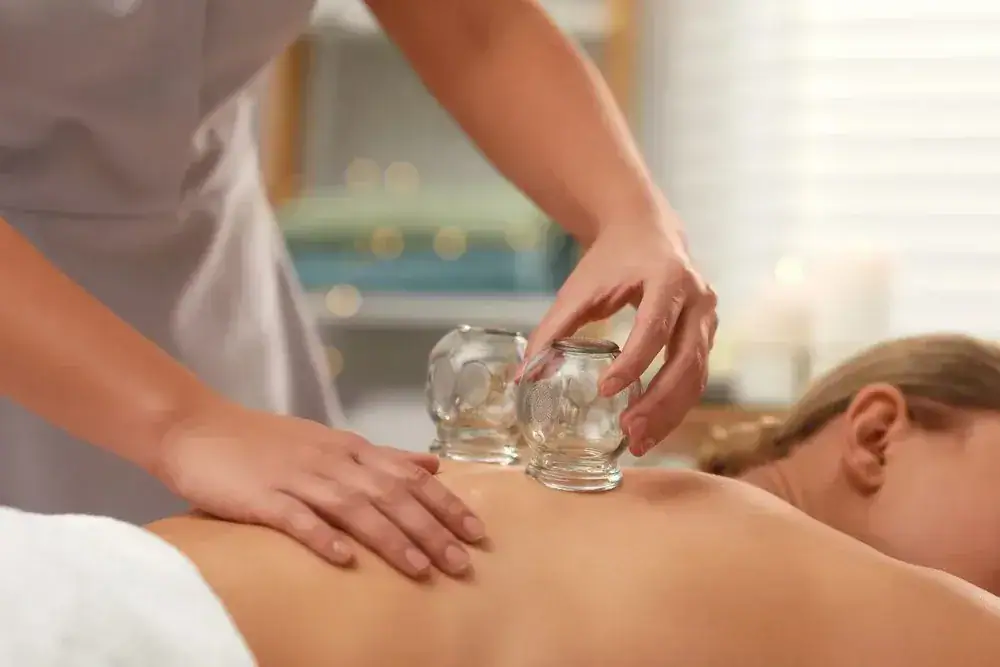
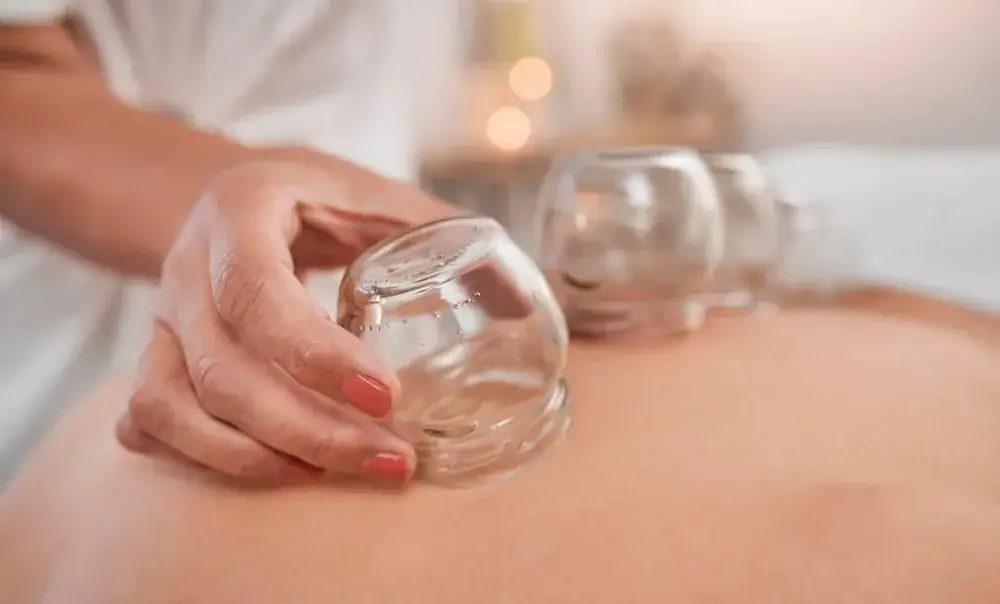
If cupping makes sense for your situation, we’ll explain how it works before we start. We place cups on the affected area, create suction (either with a pump or heat, depending on the technique), and leave them for several minutes. You’ll feel pulling and tightness, but it shouldn’t hurt. Some people find it oddly satisfying.
The cups increase blood flow to the tissue, which helps with healing and reduces that deep, stubborn tension. After we remove them, we usually follow up with stretching, manual therapy, or exercises to keep things moving. You might have circular marks for a few days—that’s normal and not painful.
Most treatment plans involve multiple sessions over several weeks. Cupping isn’t a one-and-done solution, especially for chronic issues. But when it’s part of a broader physical therapy plan, it helps speed up recovery and makes other treatments more effective.
Ready to get started?
We use dry cupping, which is the standard in evidence-based physical therapy. No needles, no incisions—just suction applied to your skin to decompress the tissue underneath. It’s safe, low-risk, and backed by research showing it helps with pain management and muscle recovery.
Your session includes the cupping itself, but also the assessment and follow-up work that makes it effective. We’re not just slapping cups on and calling it done. We’re looking at how your body moves, where you’re compensating, and what needs to change for long-term improvement.
In East Hampton North, we see a lot of patients dealing with conditions common in aging populations—osteoarthritis, chronic lower back pain, rotator cuff issues, knee pain. These aren’t quick fixes, and we won’t pretend they are. But cupping combined with physical therapy gives you a non-invasive option that actually addresses the root cause, not just the symptoms.
You’ll also get education on what to do at home. Stretches, movement patterns, habits to avoid. The goal is to get you functioning better and keep you that way, not create dependency on weekly appointments forever.
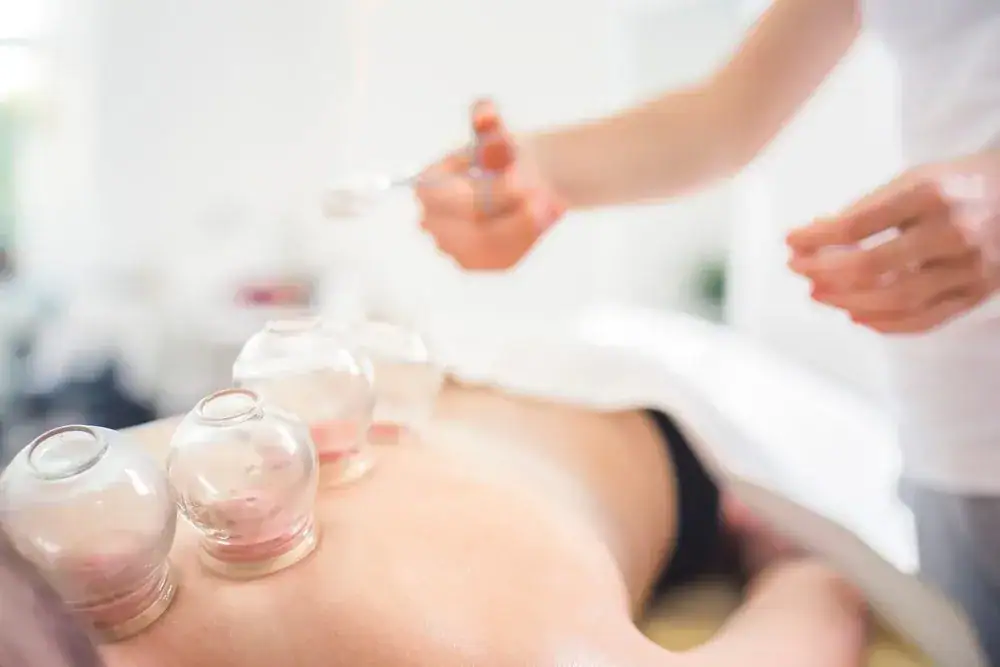
Yes, but it works best as part of a broader treatment plan, not as a standalone fix. Research shows cupping therapy provides moderate-quality evidence for relieving chronic pain, including lower back pain. The suction increases blood flow to the affected area, reduces inflammation, and helps release muscle tension that’s contributing to your discomfort.
Here’s the reality: if you’ve had back pain for months or years, one cupping session won’t solve it. But when combined with physical therapy exercises, manual therapy, and movement correction, cupping speeds up the process. It makes your muscles more receptive to the other work we’re doing.
Most patients notice some improvement within 3-4 sessions, but lasting relief takes consistency. We’re not just treating the pain—we’re addressing why it keeps coming back.
Cupping is most effective for musculoskeletal issues—things like neck pain, shoulder tension, knee pain, and chronic back problems. It’s also helpful for arthritis symptoms, including rheumatoid arthritis, because it reduces inflammation and improves joint mobility.
Athletes use it for muscle recovery and to improve range of motion before competition. We’ve seen it work particularly well for people with tight hamstrings, hip restrictions, and stubborn knots in the upper back and shoulders—the kind that don’t respond well to stretching alone.
It’s not a cure-all. If you have nerve pain, structural damage, or acute injuries, cupping might be part of the solution but won’t fix everything on its own. That’s why we do a full evaluation first—to make sure it’s appropriate for what you’re dealing with and to build a complete treatment plan around your specific needs.
Cupping is considered a low-risk therapy when performed by trained professionals. The most common side effect is circular bruising or discoloration where the cups were placed. These marks typically fade within 3-7 days and aren’t painful—they’re just a result of increased blood flow to the area.
Some people feel mild soreness after their first session, similar to how you might feel after a deep tissue massage. That usually goes away within a day. Rarely, you might experience dizziness during treatment, which is why we monitor you throughout the session.
Cupping isn’t recommended if you have certain skin conditions, are on blood thinners, or are pregnant. We’ll go over your medical history before starting to make sure it’s safe for you. The technique itself has been used for thousands of years and is now integrated into modern physical therapy because it’s both effective and safe when done correctly.
It depends on what we’re treating and how long you’ve been dealing with it. Acute issues—like a recent muscle strain or post-workout tightness—might improve in 2-3 sessions. Chronic conditions like ongoing back pain or arthritis usually require 6-8 sessions or more to see lasting change.
We typically start with twice-weekly sessions for the first couple of weeks, then space them out as you improve. The goal isn’t to keep you coming forever—it’s to get you functional and give you the tools to maintain that progress on your own.
Some patients continue occasional maintenance sessions, especially if they’re managing a chronic condition or are active in sports. But most people see significant improvement within 4-6 weeks and then transition to exercises and self-care strategies. We’ll reassess regularly and adjust the plan based on how you’re responding.
Cupping isn’t separate from physical therapy—it’s a technique we use within physical therapy treatment. Think of it as one tool in a larger toolkit. Regular physical therapy might include manual therapy, therapeutic exercises, stretching, and movement training. Cupping fits into that as a way to prepare your tissues for those other interventions.
The suction from cupping decompresses tight fascia and muscle, which makes stretching more effective and exercises easier to perform correctly. It’s particularly useful when you have areas that are so tight they’re limiting your movement or causing pain that prevents you from doing your exercises properly.
We don’t use cupping on everyone or for every condition. It’s most helpful for muscle tension, trigger points, and restricted mobility. For other issues—like balance problems, post-surgical rehab, or nerve-related pain—we’ll use different techniques. The evaluation determines what combination of treatments will actually help your specific situation.
If cupping is performed as part of your physical therapy treatment, it’s typically covered under your physical therapy benefits. We bill it as part of the overall session, not as a separate service. That means your usual copay or coinsurance applies—the same as it would for any physical therapy visit.
Coverage varies by insurance plan, so we recommend calling your provider to verify your physical therapy benefits before your first appointment. Most plans cover a certain number of PT visits per year, and cupping falls within that.
We handle the billing and documentation to make sure everything is coded correctly. If you have questions about coverage or costs, our front desk can walk you through what to expect based on your specific plan. We’re not in the business of surprise bills—we’ll let you know upfront what your responsibility will be.
Other Services we provide in East Hampton North