
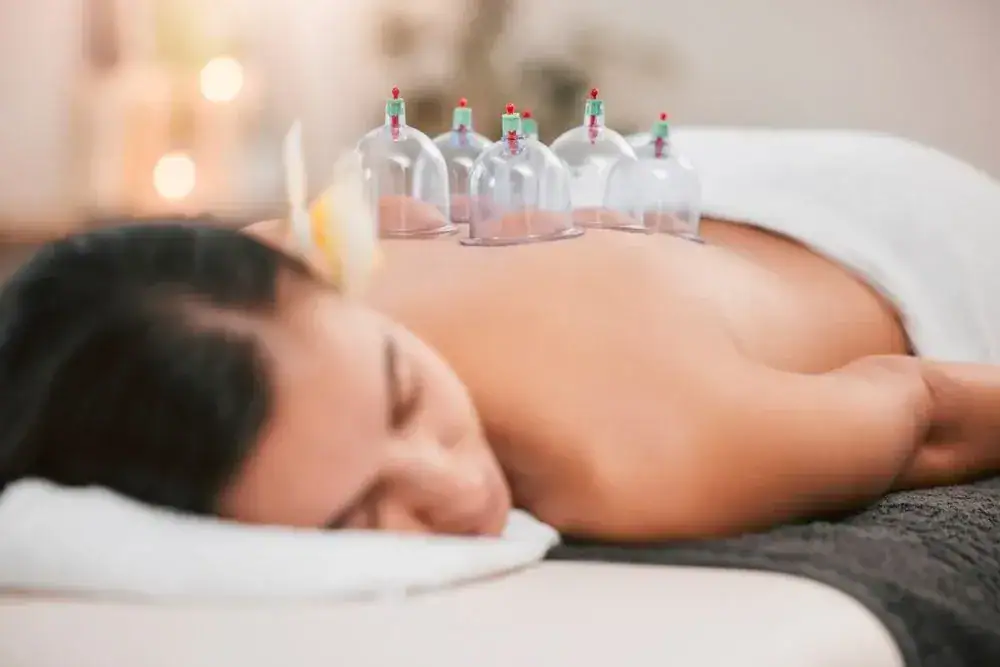

You know that deep, stubborn tightness in your back or shoulders that never fully goes away? The kind that makes you wince when you turn your head or reach overhead? That’s what cupping therapy addresses.
The suction pulls blood to the surface and encourages your muscle fibers to release. You’re not just masking pain. You’re improving circulation, reducing inflammation, and giving your body what it needs to actually heal.
Most people feel a difference after one session. Not a miracle cure, but real relief. Less stiffness when you wake up. More range of motion during the day. The ability to move without constantly bracing yourself.
Cupping works especially well for chronic pain in your neck, back, and shoulders. It’s also effective for athletes dealing with tight hips, limited mobility, or slow recovery between workouts. If you’ve been stuck in the same pain cycle for months, this might be the shift you need.
Medcare Therapy Services has been serving Long Island for over a decade. We’re not a spa offering cupping as a luxury add-on. We’re licensed physical therapists using it as part of a real treatment plan.
Every session is personalized. The suction level adjusts based on your pain tolerance and tissue condition. We integrate cupping with manual therapy, movement training, and strengthening exercises so you’re not just feeling better temporarily—you’re building lasting improvement.
Centerport residents deal with the same issues we see across Long Island: desk jobs that wreck posture, weekend warriors who overdo it, and people managing chronic conditions without wanting to rely on medications. We get it because we’ve been treating it for years.
Your first visit starts with an assessment. We need to understand where you’re hurting, how long it’s been going on, and what’s limiting your movement. This isn’t a cookie-cutter approach.
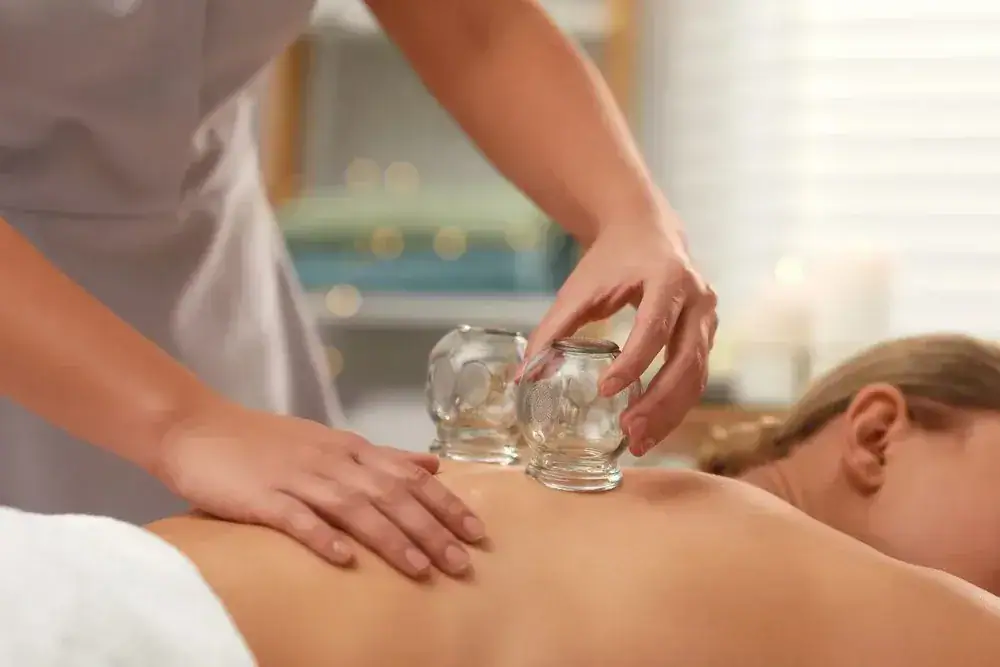
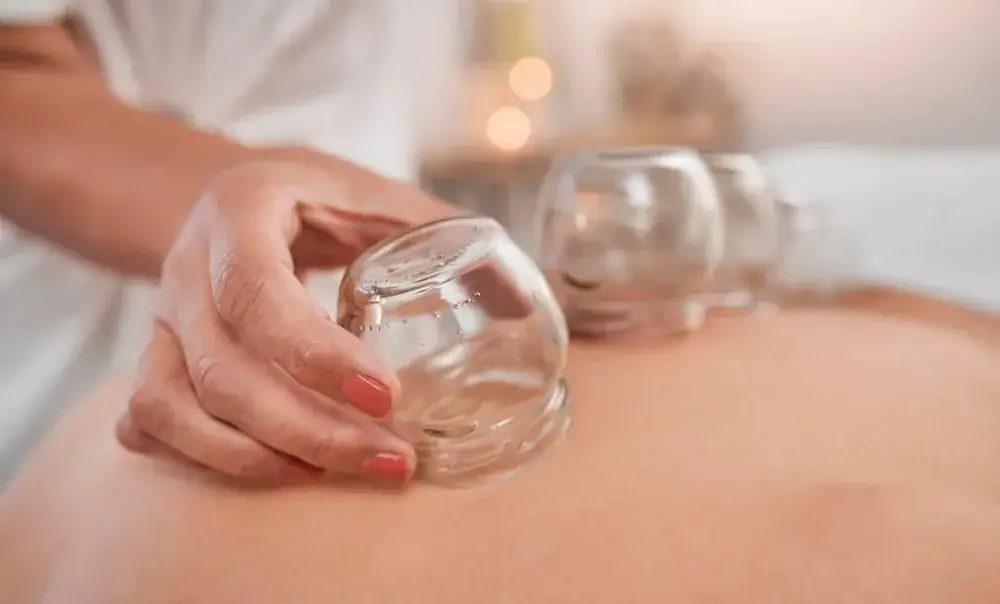
During the session, we place cups on targeted areas—usually your back, shoulders, neck, or hips. The suction creates negative pressure that lifts your skin and draws blood flow to the area. It feels like a firm pull, not painful, but you’ll definitely feel it working.
We leave the cups in place for 5 to 15 minutes depending on your tissue response. Some people see light circular marks afterward. They’re not bruises—they’re a sign of increased circulation and typically fade within a few days.
After we remove the cups, we’ll often move into hands-on therapy or guided exercises. Cupping loosens things up. The rest of the session reinforces that mobility and helps retrain your movement patterns so the pain doesn’t just come right back.
Ready to get started?
Cupping isn’t a standalone treatment here. It’s one tool inside a complete physical therapy plan. That’s the difference between temporary relief and actual recovery.
You’ll receive manual therapy to address muscle imbalances, joint restrictions, and scar tissue. We combine that with movement retraining so your body learns to move correctly again. Cupping accelerates the process by increasing blood flow and reducing muscle guarding.
On Long Island, we see a lot of people dealing with chronic lower back pain, neck stiffness from commuting, and shoulder issues from repetitive strain. Centerport is no exception. Between desk work, yard work, and an active lifestyle near the water, your body takes a beating. Cupping helps manage that wear and tear without needing injections or prescriptions.
Each session is adjusted based on how you’re responding. If your pain decreases and your range of motion improves, we progress the plan. If something isn’t working, we change it. You’re not locked into a rigid protocol that ignores what your body is telling us.
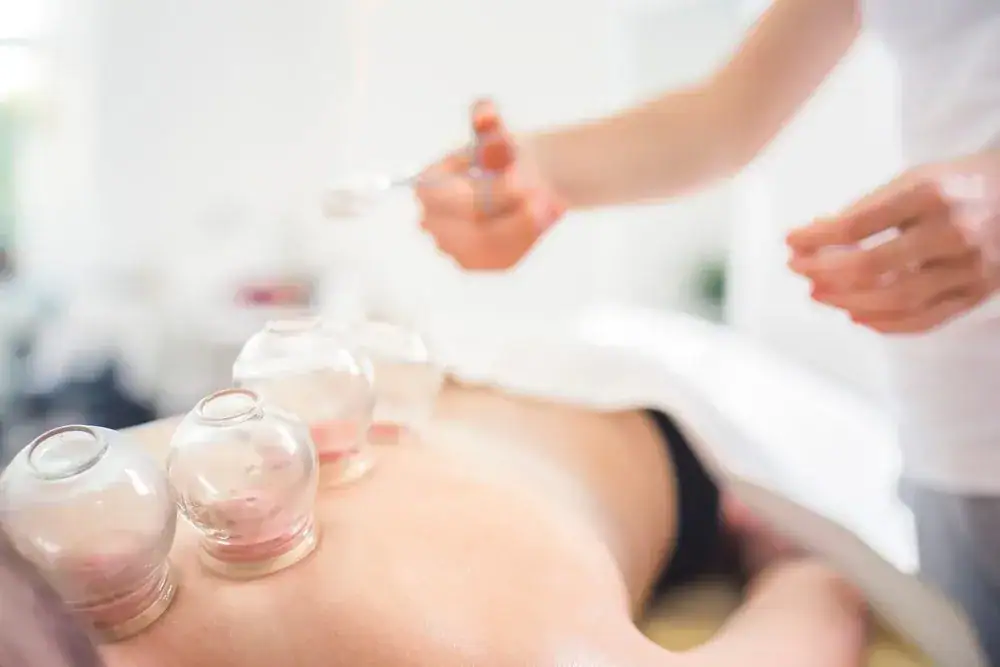
Yes, and the research backs it up. Studies show cupping therapy provides moderate-quality evidence for relieving chronic pain, including lower back pain, neck pain, and knee osteoarthritis.
Here’s why it works: chronic pain often comes with tight, restricted muscles that limit blood flow. Cupping increases circulation to those areas, which helps reduce inflammation and encourages healing. It also triggers your body’s natural pain-relief mechanisms by stimulating endorphin production.
Most people feel improvement within the first few sessions. That doesn’t mean your pain disappears overnight, but you should notice less stiffness, better movement, and fewer flare-ups. When we combine cupping with physical therapy exercises, the results tend to last longer because you’re addressing the root cause, not just the symptoms.
The difference is intent and integration. At a spa, cupping is usually about relaxation. During physical therapy, it’s a clinical tool we use to treat specific musculoskeletal problems.
We assess your movement patterns, identify restrictions, and use cupping to target areas that are limiting your function. The suction level is adjusted based on your tissue quality and pain tolerance. We’re not just placing cups randomly—we’re treating the muscles, fascia, and trigger points that are contributing to your pain.
After cupping, we don’t send you home. We follow up with manual therapy, corrective exercises, and movement training. That’s how you go from feeling better temporarily to actually fixing the problem. Cupping opens the door. The rest of the session walks you through it.
Cupping often leaves circular marks that look like bruises, but they’re not the same thing. Bruises happen from trauma that damages blood vessels. Cupping marks come from increased blood flow to the surface as your body responds to the suction.
The marks are usually light pink to dark red depending on how much tension and stagnation is in the tissue. They typically fade within 3 to 7 days and aren’t painful. If you have an event coming up where you’ll be showing your back or shoulders, just let us know and we can adjust the treatment.
These marks are actually a sign the therapy is working. They indicate your body is responding by increasing circulation and beginning the healing process. Some people don’t mark at all, and that’s fine too. Everyone’s tissue responds differently.
It depends on what we’re treating and how long you’ve been dealing with it. Acute pain from a recent injury might improve in 2 to 4 sessions. Chronic pain that’s been building for months or years usually takes longer—often 6 to 10 sessions to see lasting change.
Many patients feel relief after the first session. Your muscles relax, your range of motion improves, and the constant ache dulls. But one session won’t retrain your movement patterns or fix the underlying dysfunction. That’s why we build a treatment plan that includes cupping along with other therapies.
We reassess your progress regularly. If you’re improving quickly, we adjust the plan. If something isn’t working, we change the approach. You’re not locked into a set number of visits. We base it on your response and your goals.
Absolutely. Athletes use cupping to speed recovery, reduce muscle soreness, and improve range of motion. Research shows it can help with hip mobility and muscle tightness, which directly impacts athletic performance.
When you work out hard, your muscles develop micro-tears and tightness. Cupping increases blood flow to those areas, which delivers oxygen and nutrients your muscles need to repair. It also helps flush out metabolic waste that contributes to soreness.
We see a lot of active people in Centerport—runners, swimmers, weekend athletes—who use cupping as part of their recovery routine. It’s especially helpful if you’re dealing with recurring tightness in your hips, IT band, or shoulders. Pair it with proper stretching and strength work, and you’ll recover faster and perform better.
Cupping is considered a low-risk therapy when performed by a licensed professional. The most common side effect is temporary marking on the skin, which we already covered. Some people feel mild soreness in the treated area for a day or two, similar to how you might feel after a deep tissue massage.
Cupping isn’t appropriate for everyone. If you’re on blood thinners, have a bleeding disorder, or have active skin infections, we’ll either avoid cupping or modify the approach. We screen for these issues during your initial assessment.
Because we’re licensed physical therapists, we know how to adjust the suction, placement, and duration based on your condition. We’re not guessing. We’re applying evidence-based techniques in a controlled, professional setting. That’s how we keep it safe and effective.
Other Services we provide in Centerport