
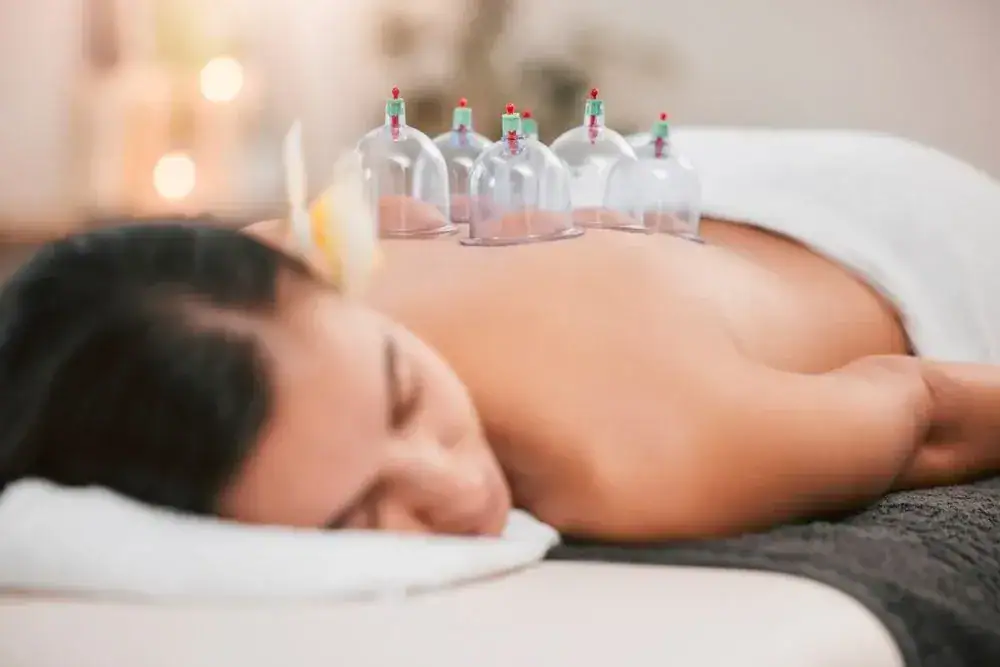

You’re not looking for temporary relief. You want to wake up without that knot in your lower back. You want to turn your neck without wincing. You want to get through your workday without counting down the hours until you can lie down.
Cupping therapy increases blood flow to the exact areas where you’re hurting. That improved circulation helps release muscle tension, reduces inflammation, and speeds up recovery. It’s not magic – it’s targeted suction that pulls stagnant fluid to the surface so your body can actually heal.
Most people notice a difference after one session. The tightness loosens. The sharp pain dulls. Movement gets easier. When you combine cupping with physical therapy exercises, those results stick around because you’re addressing both the symptom and the cause.
We’ve been bringing physical therapy to Nassau County homes since 2010. We’re not a clinic where you sit in a waiting room. We come to you in Carle Place, whether that’s because getting to an office is difficult or because you’d rather spend your time recovering instead of commuting.
Our therapists are licensed, experienced, and equipped to deliver the same quality treatment you’d get in a facility – just in your living room. We accept Medicare and most commercial insurance, so cost doesn’t have to be another barrier between you and feeling better.
Carle Place residents deal with the same issues we see across Long Island: desk jobs that wreck your posture, old sports injuries that never fully healed, arthritis that gets worse every winter. We’ve treated all of it, and we know what actually works.
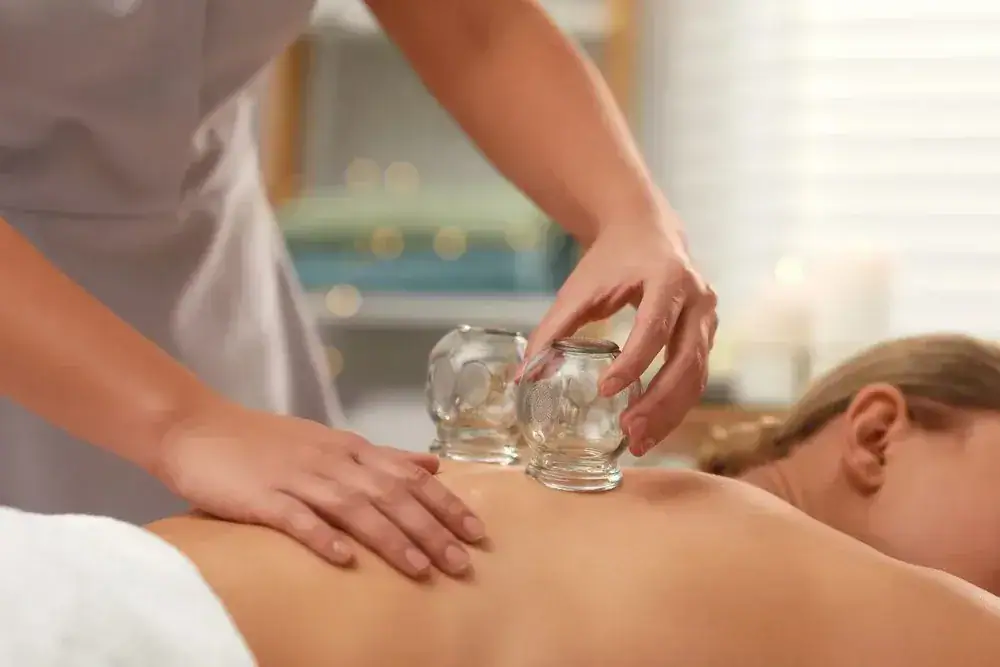
First visit starts with an evaluation. We ask about your pain – where it is, how long you’ve had it, what makes it worse. We assess your range of motion and identify the tight spots. Then we build a treatment plan that makes sense for your specific situation.
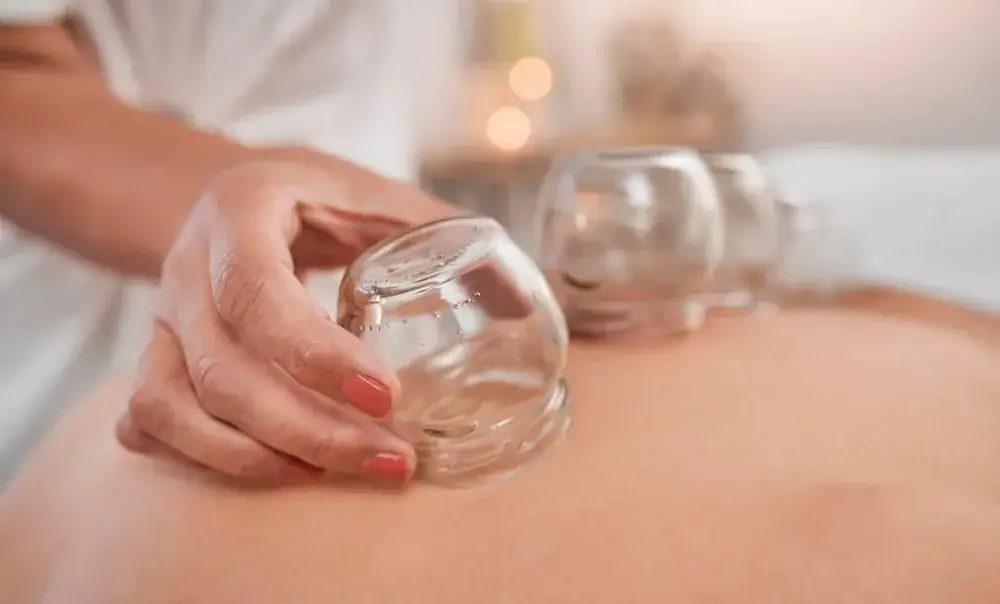
During cupping, we place specialized cups on your skin over the problem areas. The suction pulls tissue upward, increasing blood flow and releasing fascial tension. Dry cupping is what we use most – no needles, no blood, just controlled suction. Sessions typically last 30 to 45 minutes.
You might see circular marks afterward. They’re not bruises – they’re where stagnant blood was drawn to the surface. They fade within a few days. Most people feel looser immediately, though some soreness is normal as your body adjusts.
We usually combine cupping with targeted exercises. The suction loosens everything up, then the exercises retrain your muscles to move correctly. That combination is what makes the relief last beyond the appointment.
Ready to get started?
Cupping works best for musculoskeletal pain – the kind that comes from tight muscles, poor posture, or overuse. Lower back pain is the most common reason people try it, and research backs up why it works. The increased circulation helps reduce inflammation while the suction releases trigger points that keep muscles locked up.
Neck and shoulder tension responds well, especially for Carle Place residents who spend hours at computers. Knee pain from osteoarthritis sees improvement because cupping reduces swelling around the joint. Athletes use it for muscle recovery after training. People with fibromyalgia find it helps with widespread muscle soreness.
It’s not a cure-all. We’re not treating infections, broken bones, or conditions that need surgery. But for chronic pain that stems from tight, inflamed, or overworked muscles, cupping gives your body the boost it needs to start healing. Combined with the right exercises and stretches, it addresses both the immediate discomfort and the underlying dysfunction.
Nassau County has one of the highest rates of desk-job-related pain in New York. If you’re part of that statistic, you already know that ignoring it doesn’t make it go away.
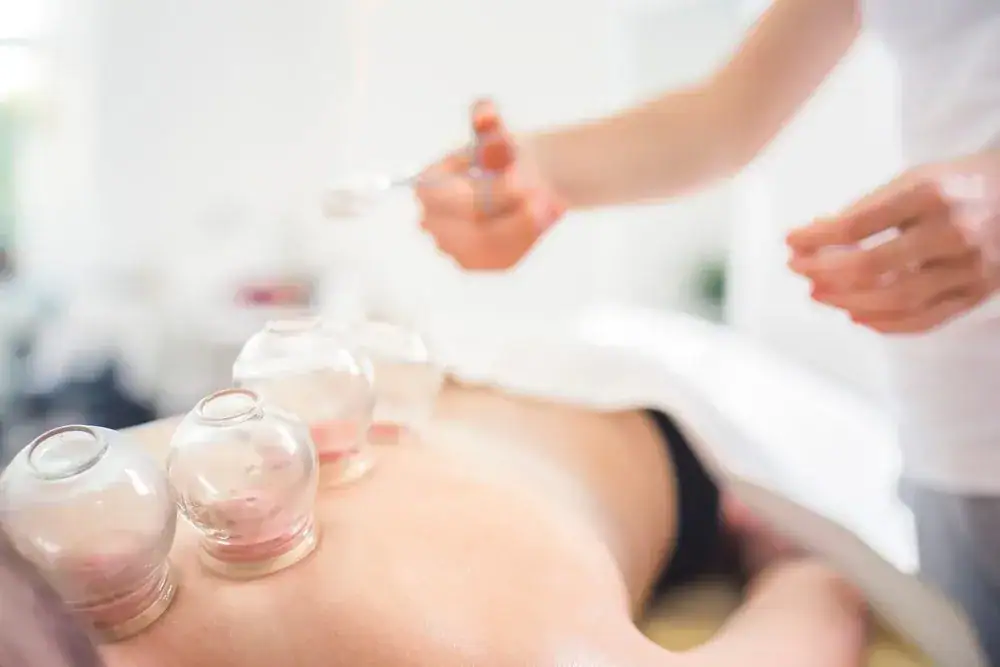
Yes, and there’s clinical evidence to support it. Studies show that cupping decreases pain levels and improves function in people with chronic lower back pain, often with results that last weeks after treatment ends.
Here’s why it works: chronic back pain usually involves tight muscles, restricted fascia, and poor circulation to the affected area. Cupping addresses all three. The suction pulls blood to the surface, which reduces inflammation and delivers oxygen and nutrients your muscles need to repair. It also releases the fascial adhesions that keep your back locked in painful positions.
One session can provide immediate relief, but lasting results come from consistency. Most people do cupping once or twice a week for a few weeks, combined with exercises that strengthen the muscles supporting your spine. That’s the difference between temporary relief and actually fixing the problem.
If cupping is part of your physical therapy treatment plan, Medicare and most commercial insurances will cover it. We accept nearly all major insurance plans, and we handle the billing process so you don’t have to chase down paperwork.
Coverage depends on medical necessity. If your doctor refers you for physical therapy and our evaluation shows that cupping would benefit your condition, it’s typically covered as part of your PT sessions. We’re not a spa offering cupping as a standalone wellness service – we’re licensed therapists using it as a clinical tool.
Home-based therapy is covered the same way clinic visits are, as long as there’s a documented reason you need care at home. That could be mobility limitations, transportation issues, or a condition that makes leaving your house difficult. We’ll verify your benefits before starting treatment so you know what to expect.
Dry cupping uses suction only – no needles, no incisions, no blood. It’s the safest and most common method we use in physical therapy settings. We place cups on your skin, create a vacuum, and let the suction do the work. That’s it.
Wet cupping involves making small cuts in the skin to draw out blood. It’s used in some traditional medicine practices, but it carries higher infection risk and isn’t necessary for the pain relief most people are looking for. Dry cupping delivers the same circulation and muscle relaxation benefits without any of those risks.
Fire cupping uses a flame to create suction, while modern dry cupping uses a pump. Both create the same effect – we just prefer pumps because they give us more control over the pressure. You get the therapeutic benefit either way, but pumps are more precise and comfortable for most patients.
Most people feel some relief during or immediately after their first session. That tight, knotted feeling in your muscles loosens up. Your range of motion improves. The constant ache dials down a few notches.
But immediate relief isn’t the same as long-term improvement. For chronic conditions, you’re looking at consistent treatment over several weeks. Research shows that a series of sessions – usually 4 to 8 treatments over a month – produces results that last well beyond the final appointment.
The timeline depends on what we’re treating. Acute muscle strain might resolve in 2-3 sessions. Chronic lower back pain that you’ve had for years will take longer. We’re not just reducing your pain – we’re retraining your body to move differently so the pain doesn’t come back. That takes time, but it’s time that actually gets you somewhere instead of just managing symptoms indefinitely.
The marks aren’t bruises and they’re not harmful. They’re areas where cupping brought stagnant blood and fluid to the surface. Your body then processes and clears that fluid out, which is part of the healing process.
They typically fade within 3 to 7 days, depending on how much stagnation was in that area. Darker marks usually mean more congestion, not that we used too much pressure. As your circulation improves with repeated sessions, the marks often get lighter because there’s less stagnant fluid to clear.
You can go about your normal activities with the marks visible. They don’t hurt. If you’re self-conscious about them, wear clothing that covers the treatment area for a few days. But there’s nothing dangerous or permanent about them – they’re just a visual indicator that the therapy is working.
Yes. Cupping works well alongside other treatments. Many people combine it with chiropractic care, massage, acupuncture, or medication. It’s not an either-or situation – it’s another tool that addresses muscle tension and circulation while your other treatments handle different aspects of your condition.
If you’re taking pain medication, cupping might help you reduce your dosage over time as your pain decreases. That’s something to discuss with your prescribing doctor, but many of our patients find they need less medication once their muscles start functioning properly again.
Let us know what other treatments you’re receiving so we can coordinate care effectively. If you’re seeing a chiropractor for alignment issues, cupping can release the muscle tension that’s pulling your spine out of place. If you’re doing acupuncture, cupping complements that by improving circulation along similar pathways. We’re all working toward the same goal – getting you out of pain.
Other Services we provide in Carle Place