
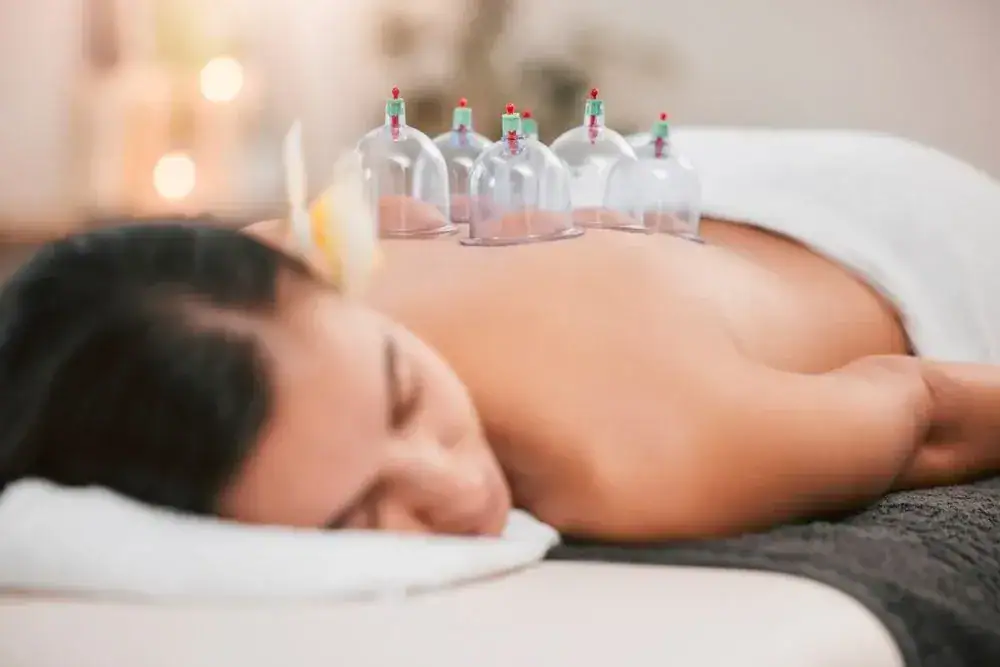

You’re dealing with pain that limits what you can do. Maybe it’s your lower back after years of wear. Maybe it’s neck tension that won’t quit, or knee pain that makes every step a negotiation.
Cupping therapy works by increasing blood flow to tight, inflamed areas. The suction pulls fresh oxygen and nutrients into tissues that need it, while helping your body clear out what’s causing inflammation. You’re not masking symptoms—you’re addressing why the area hurts in the first place.
Most people notice reduced muscle tightness and better range of motion after their first session. That doesn’t mean one treatment fixes everything, but it does mean you’ll know fairly quickly whether this approach works for your body. For chronic conditions like low back pain or osteoarthritis, research shows cupping provides measurable relief when used consistently as part of a broader treatment plan.
The goal isn’t just less pain. It’s getting back to activities that matter—walking without bracing yourself, sleeping through the night, or simply moving through your day without constantly thinking about what hurts.
We’ve been serving Long Island communities since 2010, specializing in home-based physical therapy for people who find it difficult or impractical to travel to a clinic. Our licensed therapists bring the same equipment, expertise, and treatment protocols you’d find in an outpatient facility—directly to your Brightwaters home.
We accept Medicare and most commercial insurance plans. Every therapist on our team is licensed, background-checked, and trained in multiple modalities including cupping, manual therapy, and therapeutic exercise. You’re not getting a one-size-fits-all approach—you’re getting a treatment plan built around your specific condition, goals, and limitations.
Brightwaters residents deal with the same mobility challenges, transportation barriers, and chronic pain conditions we see across Long Island. That’s why we built our model around coming to you. You get professional care without the logistics, waiting rooms, or added stress of getting to an appointment.
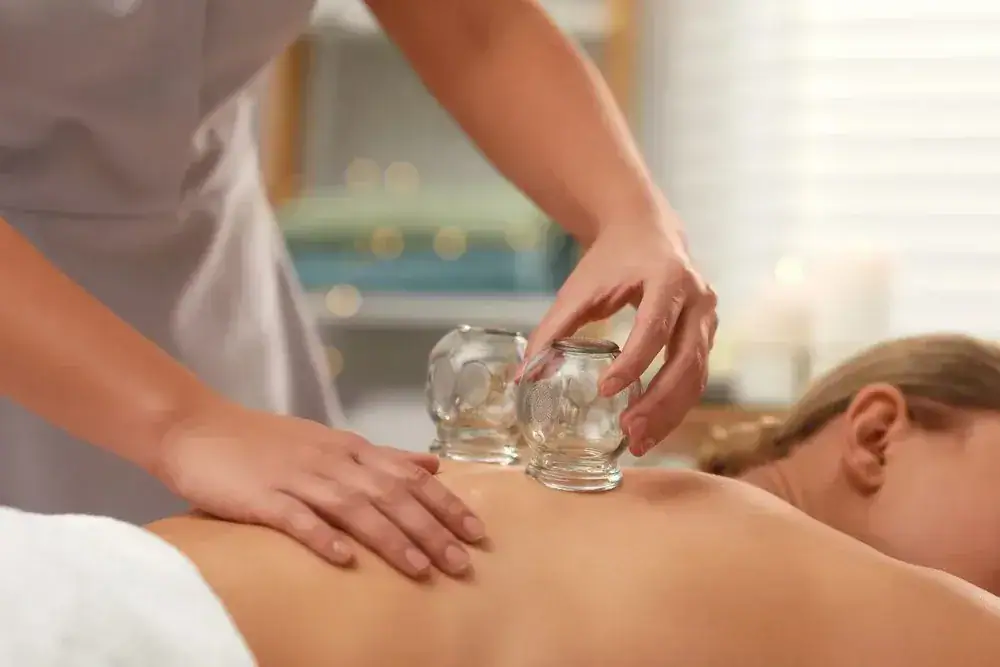
Your first session starts with an evaluation. We’ll ask about your pain—where it is, how long you’ve had it, what makes it better or worse. We’ll also assess your range of motion, muscle tightness, and any other factors contributing to your discomfort. This isn’t a formality. It’s how we determine whether cupping is appropriate for your condition and how to integrate it with other therapies.
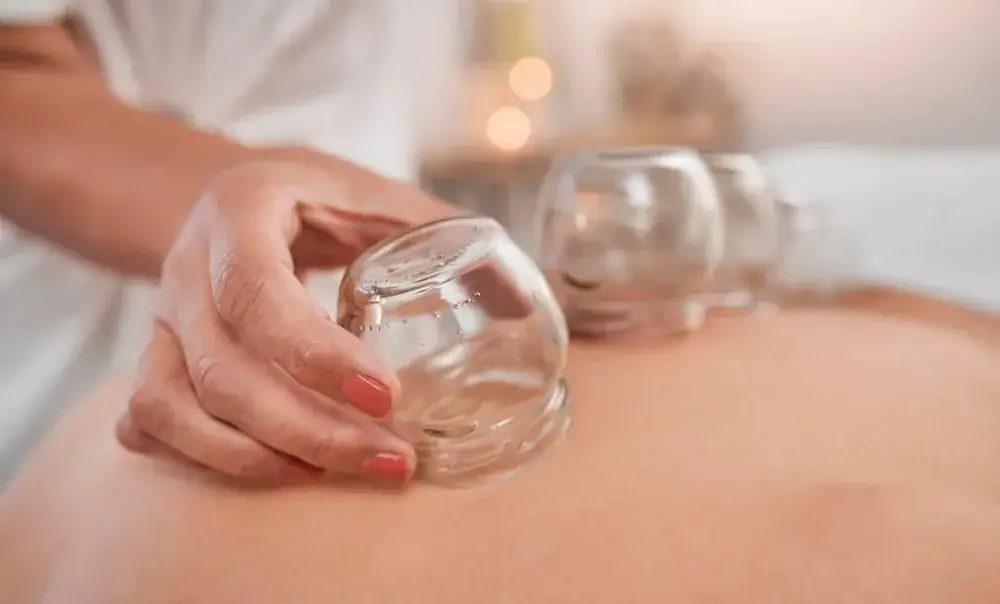
During the treatment itself, we place specialized cups on targeted areas of your body. The cups create suction that draws blood to the surface, increases circulation, and helps release tight fascia and muscle tissue. Most people describe the sensation as a firm pull—not painful, but definitely noticeable. We typically leave cups in place for 5 to 15 minutes depending on the area and your tolerance.
Dry cupping is what we use most often. It’s effective for generalized pain, muscle tension, and recovery. There’s no cutting or bloodletting involved—just controlled suction. You may have circular marks afterward that look like bruises. They’re not painful and usually fade within a few days to a week.
We often combine cupping with other physical therapy techniques like stretching, strengthening exercises, or manual therapy. Research shows the best outcomes happen when cupping is part of a complete treatment plan, not used in isolation. You’ll leave each session with a clear understanding of what we did, why we did it, and what to expect next.
Ready to get started?
Cupping therapy is backed by moderate-to-high-quality evidence for treating chronic low back pain, neck pain, knee osteoarthritis, and certain types of headaches. It’s also used for muscle recovery, fibromyalgia, and general inflammation. If you’ve been managing pain with medication alone and want a non-pharmaceutical option, this is worth considering.
In Brightwaters and surrounding Long Island areas, we see a lot of patients dealing with age-related joint pain, post-injury stiffness, and chronic conditions that limit mobility. Many are looking for something that works without adding another prescription. Cupping fits that need—it’s low-risk, non-invasive, and doesn’t interfere with other treatments you may already be doing.
Each session is tailored to your condition. If you’re recovering from a sports injury, we’ll focus on improving blood flow and reducing muscle tightness to speed healing. If you’re dealing with arthritis, we’ll work on pain management and maintaining range of motion. If it’s chronic back pain, we’ll address both the pain itself and the muscle compensation patterns that often make it worse.
You’ll also get guidance on what to do between sessions—stretches, activity modifications, or exercises that support your progress. The goal is sustainable improvement, not just temporary relief. We’re not interested in creating dependency. We’re interested in getting you to a place where you need us less, not more.
Yes, but with context. Research shows cupping provides significant pain relief for conditions like chronic low back pain, neck pain, and knee osteoarthritis when used as part of a broader treatment plan. The evidence is moderate-to-high quality, meaning it’s not anecdotal—it’s been studied in controlled settings with measurable outcomes.
That said, cupping isn’t a magic fix. It works best when combined with other therapies like stretching, strengthening, and activity modification. If you’ve been dealing with pain for months or years, one session won’t undo all of it. But most people do notice reduced tightness and improved mobility fairly quickly, which gives us a baseline to build on.
The mechanism is straightforward: suction increases local blood flow, delivers oxygen and nutrients to damaged tissue, and helps your body clear out inflammatory byproducts. It’s not about belief or placebo—it’s about improving circulation and tissue health in areas that need it. If your pain is related to muscle tension, poor circulation, or inflammation, cupping has a solid track record.
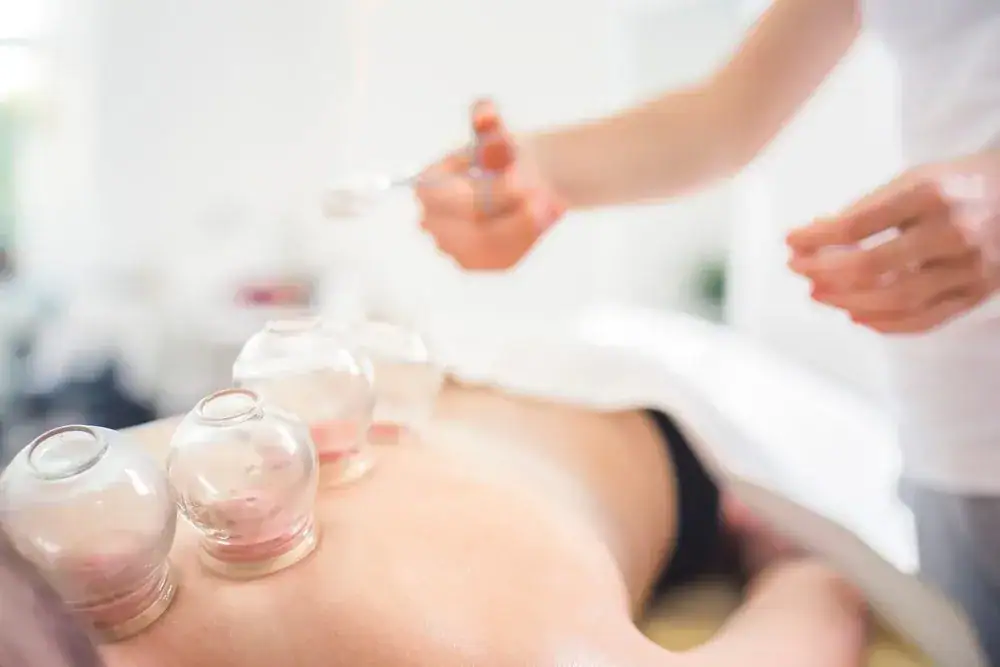
You’ll likely have circular marks where the cups were placed. They look like bruises but aren’t actually bruises in the traditional sense. The discoloration comes from increased blood flow to the surface, not from broken blood vessels or trauma. The marks are typically painless and fade within three to seven days depending on your skin type and circulation.
Some people have darker marks than others. That’s normal. It doesn’t mean the treatment was too aggressive or that something went wrong. In fact, areas with more tension or poor circulation often show darker marks because there’s more stagnation being addressed.
If you’re concerned about visible marks—say, you have an event coming up or prefer not to have them—let your therapist know beforehand. We can adjust cup placement, duration, or suction intensity to minimize marking. But understand that some level of discoloration is part of how the therapy works. It’s temporary, harmless, and generally not something that bothers people once they understand what’s happening.
Cupping itself may not always be separately billed, but when it’s provided as part of a physical therapy treatment plan, it’s typically covered under your PT benefits. We accept Medicare and most commercial insurance plans. We bill for the overall therapy session, which may include cupping along with other interventions like manual therapy or therapeutic exercise.
Before your first session, we’ll verify your coverage and let you know what to expect in terms of co-pays or out-of-pocket costs. Medicare covers outpatient physical therapy services when they’re medically necessary and prescribed by a physician. If cupping is part of your documented treatment plan for a covered condition—like chronic pain or mobility limitations—it falls under that umbrella.
If you’re unsure about your specific plan, call us. We’ll walk you through it. Insurance can be confusing, and we’d rather answer questions upfront than have you surprised by a bill later. Our goal is to make treatment accessible, not complicated.
Most people feel some benefit after one session—less tightness, better range of motion, or reduced pain. But lasting results usually take multiple sessions, especially if you’re dealing with a chronic condition. How many depends on what we’re treating, how long you’ve had the problem, and how your body responds.
For acute issues like a pulled muscle or post-workout soreness, you might only need a few sessions. For chronic low back pain or arthritis, you’re looking at a longer timeline—often several weeks of consistent treatment combined with exercises and other therapies. We’ll reassess your progress regularly and adjust the plan as needed.
Here’s what matters: you should notice measurable improvement within the first few sessions. If you’re not feeling any difference after three or four visits, we’ll reevaluate whether cupping is the right approach for your condition or if we need to shift focus. We’re not interested in continuing something that isn’t working. The goal is progress, and that should be evident fairly quickly.
You can buy cupping kits online, but that doesn’t mean you should use them without guidance. Cupping is generally safe when done correctly, but incorrect placement, too much suction, or leaving cups on too long can cause skin damage, bruising, or worsened pain. There’s also the issue of knowing where to place the cups in the first place—treatment isn’t random. It’s based on understanding anatomy, pain patterns, and what’s actually causing your symptoms.
If you’re interested in maintaining results between professional sessions, talk to your therapist. We can show you safe techniques for at-home use and explain what to watch for. But your initial treatments should be supervised by someone who knows what they’re doing. This is especially true if you have underlying health conditions, take blood thinners, or have skin sensitivities.
The bigger point: cupping works best as part of a complete approach. Doing it at home without addressing the root cause of your pain—whether that’s weak muscles, poor posture, or joint dysfunction—means you’re only treating the surface. Professional treatment gives you a plan that actually moves the needle, not just temporary relief.
Dry cupping uses suction alone. Cups are placed on your skin, creating a vacuum that draws blood to the area. There’s no cutting, no blood removal—just controlled suction to increase circulation and release tight tissue. This is what we use most often, and it’s what most research supports for pain management and muscle recovery.
Wet cupping involves making small incisions in the skin before applying the cups, allowing a small amount of blood to be drawn out. It’s more common in traditional Chinese medicine and some Middle Eastern practices. The theory is that removing stagnant blood helps with inflammation and detoxification. Wet cupping has some evidence for inflammatory conditions, but it carries higher risk—infection, scarring, and more significant marking. It’s also less commonly practiced in Western clinical settings.
For most pain conditions—back pain, neck pain, muscle tightness, arthritis—dry cupping is effective and safer. It’s what we offer, and it’s what the research supports for the conditions we treat most often. If someone’s specifically interested in wet cupping, that’s a conversation to have with a practitioner trained in that technique. But for practical, evidence-based pain relief in a home therapy setting, dry cupping is the standard.
Other Services we provide in Brightwaters