
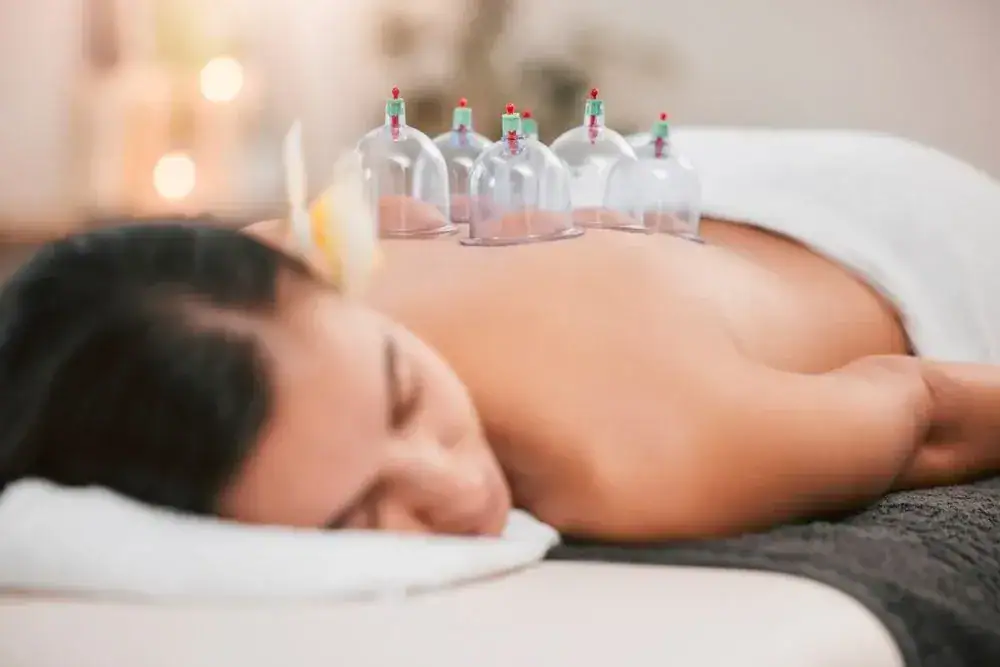

You’re dealing with pain that won’t quit. Back pain that makes mornings miserable. Neck tension that radiates into headaches. Shoulder stiffness that limits what you can do.
Cupping therapy increases blood flow to tight, painful areas. The suction pulls fresh circulation into muscles that have been starved of it, reducing inflammation and releasing trigger points that keep you locked up. You’ll notice improved range of motion after your first session.
This isn’t about masking symptoms. Dry cupping addresses the root cause of muscle tension and restricted movement. Studies show it reduces pain intensity in chronic conditions like arthritis, back pain, and neck pain. One session can provide immediate relief, and consistent treatment builds on those results.
You don’t need to add another medication to your routine or consider surgery you’re not ready for. Cupping therapy works alongside your current treatment plan, giving your body what it needs to heal without adding risk.
We’ve been bringing licensed physical therapy to Long Island homes since 2010. We serve patients in Bellerose Terrace who can’t easily get to a clinic or prefer the convenience and comfort of home treatment.
Our therapists are trained in cupping techniques and integrate them into comprehensive treatment plans. Medicare and most commercial insurance plans cover our services. Every session is one-on-one, focused entirely on your recovery.
Bellerose Terrace residents deal with the same mobility challenges as anyone else in Nassau County. Limited transportation options, difficulty with stairs, post-surgical restrictions. We remove those barriers by coming to you with everything needed for effective treatment.
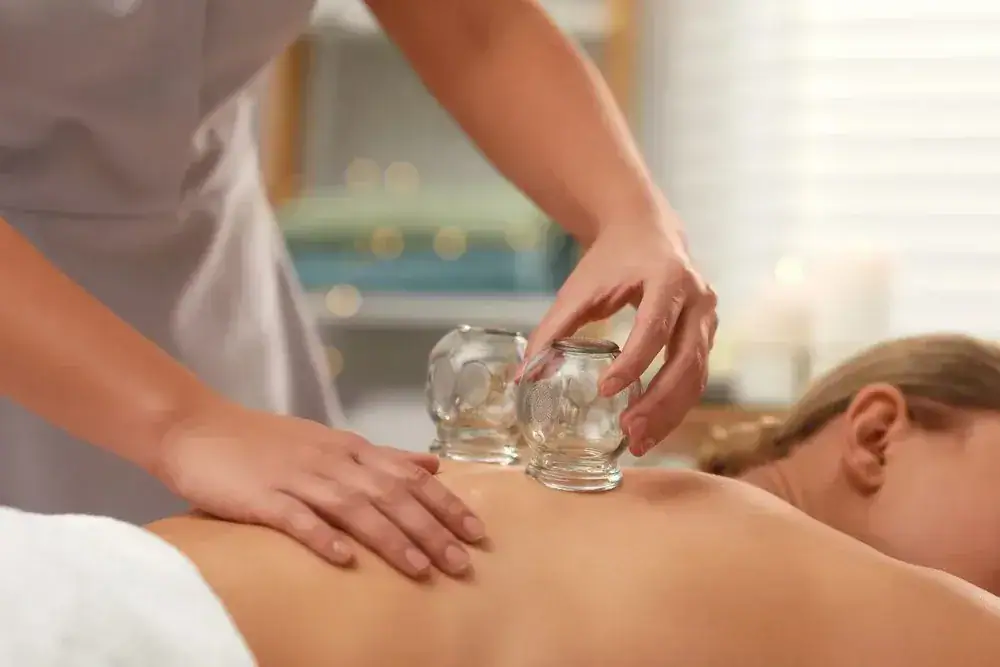
Your therapist arrives at your home with all necessary equipment. The initial evaluation identifies which areas need treatment and what’s causing your pain. This takes about 15 minutes and includes movement assessment and discussion of your symptoms.
During dry cupping, specialized cups create suction on your skin over targeted muscle groups. The negative pressure lifts tissue, increasing blood flow and releasing fascial restrictions. Cups stay in place for 5-15 minutes depending on the treatment area and your tolerance. Most people find it surprisingly relaxing.
You might see circular marks afterward. They’re not bruises—they’re the result of increased circulation bringing stagnant blood to the surface. They fade within a few days and don’t hurt.
Your therapist combines cupping with other physical therapy techniques like manual therapy, stretching, and strengthening exercises. The goal is functional improvement, not just temporary relief. Each session builds on the last, progressively reducing pain and restoring movement.
Treatment frequency depends on your condition. Acute pain might need twice-weekly sessions initially. Chronic conditions often respond well to weekly treatment. Your therapist adjusts the plan based on how you’re responding.
Ready to get started?
Every session includes a full physical therapy evaluation, not just cupping. Your therapist assesses posture, movement patterns, strength deficits, and range of motion limitations. Cupping is one tool in a complete treatment approach.
You’ll receive hands-on manual therapy to address joint restrictions and soft tissue dysfunction. Therapeutic exercises are prescribed specifically for your condition and modified as you progress. Education about body mechanics and pain management strategies helps you maintain improvements between sessions.
In Bellerose Terrace, many of our patients are managing age-related conditions or recovering from orthopedic surgery. Nassau County has a higher-than-average population of residents over 65, and studies show one in five Americans lives with chronic pain. Home-based therapy makes consistent treatment possible for people who would otherwise skip appointments due to transportation challenges or mobility limitations.
Medicare covers home physical therapy when you’re homebound or have difficulty leaving your residence. Most commercial insurance plans also cover these services. We handle the verification and billing process so you can focus on recovery.
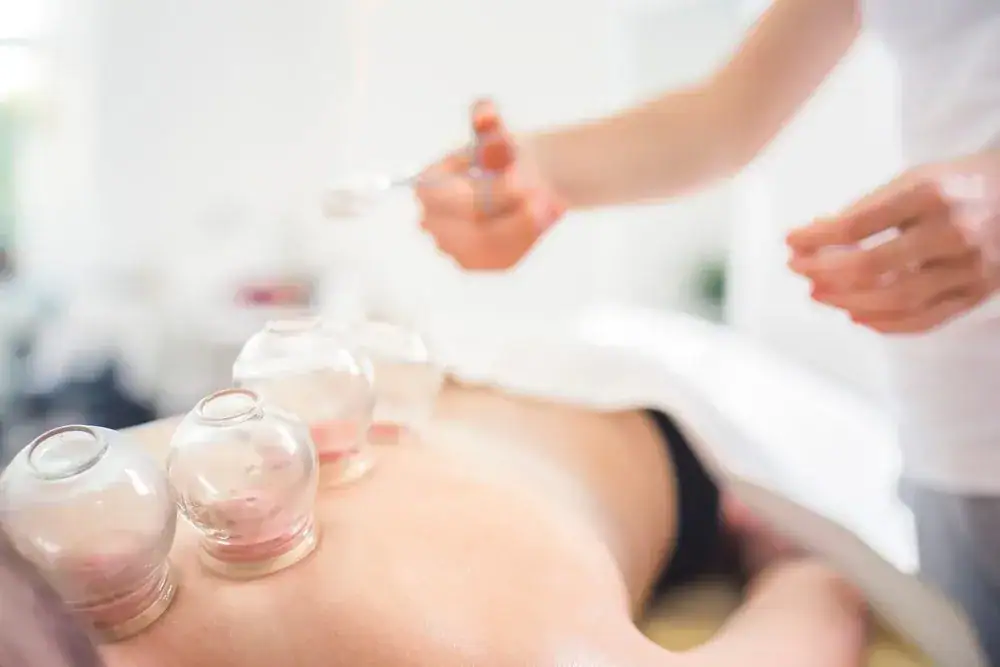
Yes, and there’s research backing it up. Cupping therapy is supported by moderate-quality evidence for relief of chronic pain conditions, including low back pain. The mechanism is straightforward: suction increases local blood circulation, reduces muscle tension, and promotes tissue healing.
For back pain specifically, cupping targets the paraspinal muscles that often become chronically tight from poor posture, repetitive strain, or injury compensation patterns. When these muscles stay contracted, they compress nerves and restrict movement. Cupping releases that tension and restores normal tissue mobility.
You’ll likely notice reduced pain intensity after your first session. Lasting improvement requires consistent treatment combined with corrective exercises. Most patients see significant functional improvement within 4-6 weeks of regular therapy. That means less pain during daily activities and better ability to do things you’ve been avoiding.
Dry cupping is generally very safe when performed by a licensed healthcare professional. The most common side effect is temporary circular marks on your skin where the cups were placed. These aren’t bruises in the traditional sense—they’re caused by increased blood flow bringing stagnant fluids to the surface. They typically fade within 3-7 days.
Some people experience mild soreness in treated areas for a day or two after their first session, similar to post-workout muscle soreness. This usually decreases with subsequent treatments as your tissue adapts.
Cupping poses significantly lower risks compared to pain medications or surgical interventions. There’s no risk of addiction, no systemic side effects, and no recovery period. Our physical therapists are trained to adjust suction intensity based on your tissue quality and tolerance. If you have certain skin conditions, take blood thinners, or have other specific health concerns, your therapist will modify the technique or use alternative treatments.
Massage uses compression—pushing down into tissue. Cupping uses decompression—pulling tissue up and away from underlying structures. This creates a different therapeutic effect, particularly for releasing fascial adhesions and increasing circulation to deeper tissue layers.
Think of it this way: if you have a knot in your shoulder, massage works it from the outside in. Cupping lifts the tissue, creating space and drawing fresh blood flow from the inside out. Many patients who haven’t responded well to massage alone find cupping provides the breakthrough they needed.
Our physical therapists often combine cupping with other techniques in the same session. You might receive cupping to release tight muscles, followed by joint mobilization to restore normal movement, then specific exercises to strengthen weak areas. This integrated approach addresses multiple factors contributing to your pain. Cupping isn’t a standalone treatment—it’s one effective tool in a comprehensive physical therapy plan designed around your specific condition and goals.
If your insurance covers home physical therapy, cupping is included as part of that treatment. Medicare covers home-based physical therapy services when you meet homebound criteria or have difficulty leaving your residence due to illness, injury, or disability. Most commercial insurance plans also cover home therapy services.
Cupping isn’t billed separately—it’s a technique used within your physical therapy session. Your therapist determines which treatment methods are most appropriate for your condition, and cupping is integrated into your overall plan of care when indicated.
We accept Medicare and nearly all commercial insurance plans. Our team handles insurance verification before your first appointment and manages all billing directly with your insurance company. You’ll know your expected costs upfront. For patients in Bellerose Terrace dealing with mobility limitations, home therapy often makes the difference between getting consistent treatment and skipping appointments due to transportation barriers.
It depends entirely on what you’re treating and how long you’ve had the problem. Acute pain from a recent injury might respond well to 4-6 sessions over 2-3 weeks. Chronic conditions that have been present for months or years typically need longer treatment—often 8-12 sessions or more.
Your therapist evaluates your progress at each visit and adjusts the treatment plan accordingly. Some patients notice significant improvement after just one session, but that initial relief needs to be reinforced with continued treatment to create lasting change. Pain reduction is one measure of progress; improved function and movement quality are equally important.
Treatment frequency usually starts at 2-3 times per week for the first few weeks, then decreases to once weekly as you improve. The goal is always to get you to a point where you can manage your condition independently with a home exercise program. Your therapist will be honest about expected timelines based on your specific situation. If you’re not seeing meaningful progress within a reasonable timeframe, the treatment approach gets modified or additional interventions are considered.
Yes. While pain relief is the most common reason people seek cupping therapy, it’s also effective for improving athletic performance and recovery, reducing muscle tension from stress, and addressing restricted range of motion. Research shows cupping significantly improves joint mobility, particularly in the hips and shoulders.
We use cupping for patients recovering from surgery to reduce scar tissue adhesions and restore normal tissue mobility. It’s helpful for people with chronic conditions like arthritis who need ongoing management of inflammation and stiffness. Athletes use it to speed recovery between training sessions and prepare muscles for high-demand activities.
Some patients dealing with respiratory conditions like asthma find cupping on the upper back and chest helpful for reducing muscle tension that restricts breathing. The increased circulation and relaxation response can also benefit people whose pain is complicated by stress and anxiety. Your therapist assesses whether cupping is appropriate for your specific situation and treatment goals, then integrates it with other techniques to address all factors affecting your function and quality of life.
Other Services we provide in Bellerose Terrace