

You’re not looking for temporary relief. You want to sleep through the night without waking up stiff. You want to pick up your grandkids without wincing. You want to get back to the activities you’ve been avoiding because your back, neck, or knees won’t cooperate anymore.
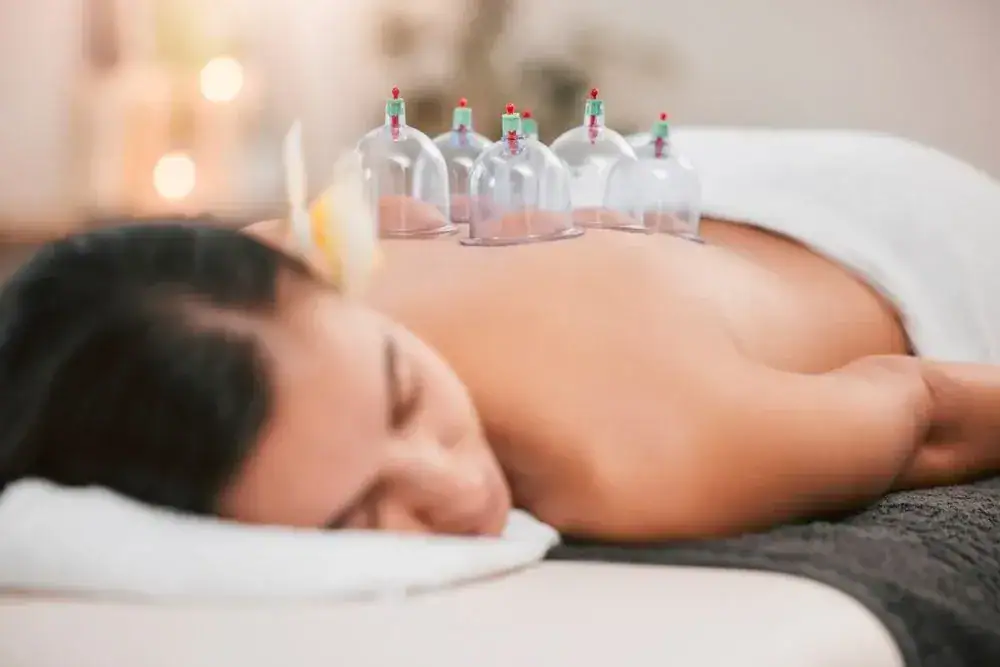
Cupping therapy works by creating suction on your skin to increase blood flow to injured or tight areas. That improved circulation helps reduce inflammation, break up adhesions in your fascia, and give your body what it needs to actually heal. Not just mask the problem.
Most people notice a difference after the first session. Not a cure, but real relief. The kind that makes you think maybe you don’t have to live like this. And when cupping is combined with physical therapy, the results tend to stick because you’re addressing both the symptom and the cause.
This isn’t about trends or what athletes post on Instagram. It’s about whether you can move better tomorrow than you did today.
Medcare Therapy Services has been treating patients across Long Island for over a decade. We accept Medicare and most commercial insurance plans, which matters when you’re already dealing with medical bills and don’t need another financial surprise.
Our therapists are licensed, experienced, and trained in multiple modalities including cupping, manual therapy, and rehabilitative exercise. We’re not a spa. We’re a physical therapy practice that uses cupping as part of a real treatment plan.
Belle Terre has one of the highest median ages on Long Island, and we see that reflected in who walks through our doors. People dealing with arthritis, post-surgical recovery, chronic lower back pain, rotator cuff issues. The kind of conditions that don’t go away on their own and haven’t responded to what you’ve already tried.
Your first appointment starts with an evaluation. We’ll ask about your pain, your medical history, what you’ve already tried, and what’s getting in the way of your normal routine. This isn’t a formality. It’s how we figure out if cupping is right for you and what else needs to happen alongside it.
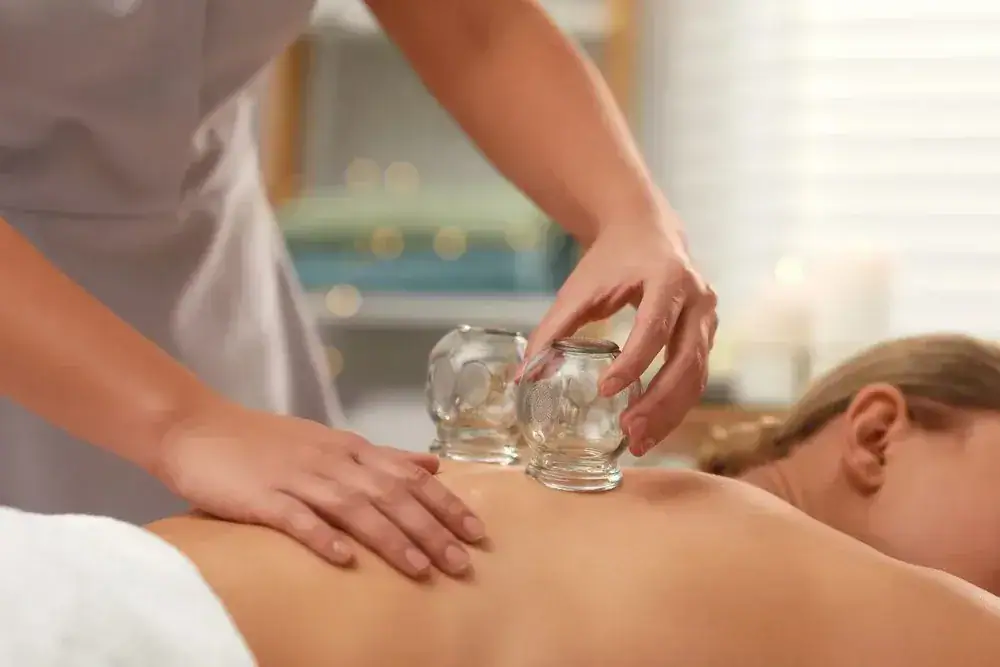
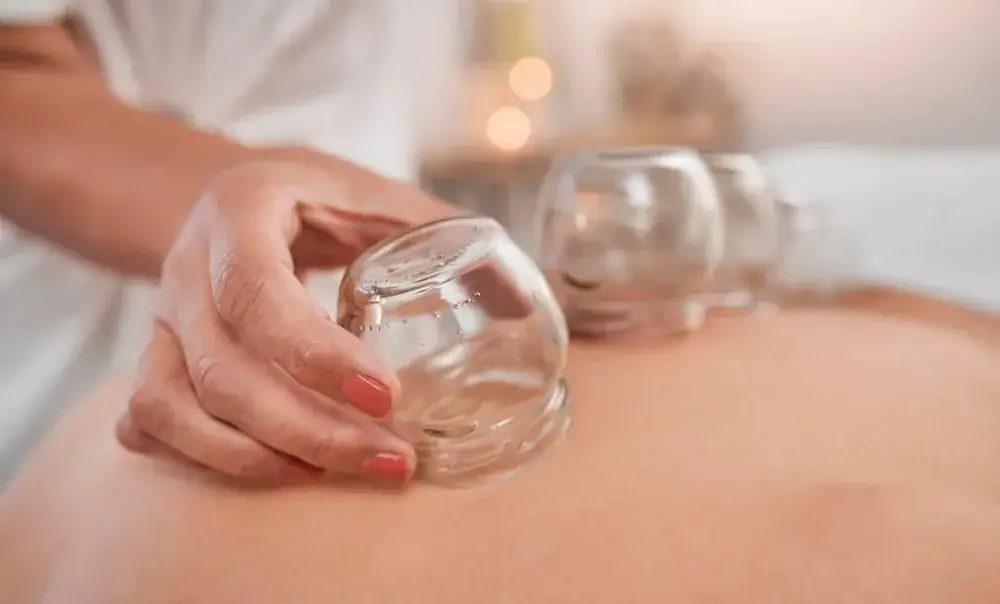
During the treatment itself, we place silicone or plastic cups on the affected area and create suction using a pump or heat. The cups stay on for several minutes while they pull blood to the surface and stretch the underlying tissue. You’ll feel pressure and tightness, but it shouldn’t hurt. Some people find it relaxing. Most just find it weird at first.
You’ll likely have circular marks afterward. They’re not bruises, exactly, but they look like them. They fade within a few days to a week. That’s normal and expected.
Cupping is usually part of a broader plan. We might combine it with stretching, strengthening exercises, manual therapy, or other techniques depending on what your body needs. The goal isn’t just to feel better for a day. It’s to improve function and keep the pain from coming back.
Ready to get started?
Cupping therapy at Medcare isn’t a standalone service you book like a massage. It’s integrated into your physical therapy treatment plan. That means you’re getting a full evaluation, a diagnosis, and a strategy that might include cupping along with other evidence-based interventions.
We treat conditions like chronic lower back pain, neck stiffness, knee osteoarthritis, shoulder impingement, and myofascial pain syndrome. These are the issues we see most often in Belle Terre, where the population skews older and more people are dealing with age-related wear and tear, post-surgical rehab, or long-term pain that’s been ignored too long.
Medicare covers physical therapy services when they’re medically necessary, and cupping falls under that umbrella when it’s part of your treatment. We handle the insurance side. You don’t need a referral to start, though some plans require one for reimbursement. We’ll walk you through that during your first call.
Sessions typically last 45 to 60 minutes. Frequency depends on your condition. Some people come twice a week at first, then taper off as they improve. Others need a longer runway. We adjust based on how you respond.
Yes, but let’s be specific about what “work” means. Research shows that cupping can significantly reduce pain and improve function for conditions like chronic lower back pain, neck pain, and knee osteoarthritis. It’s not a miracle cure, but it’s also not placebo.
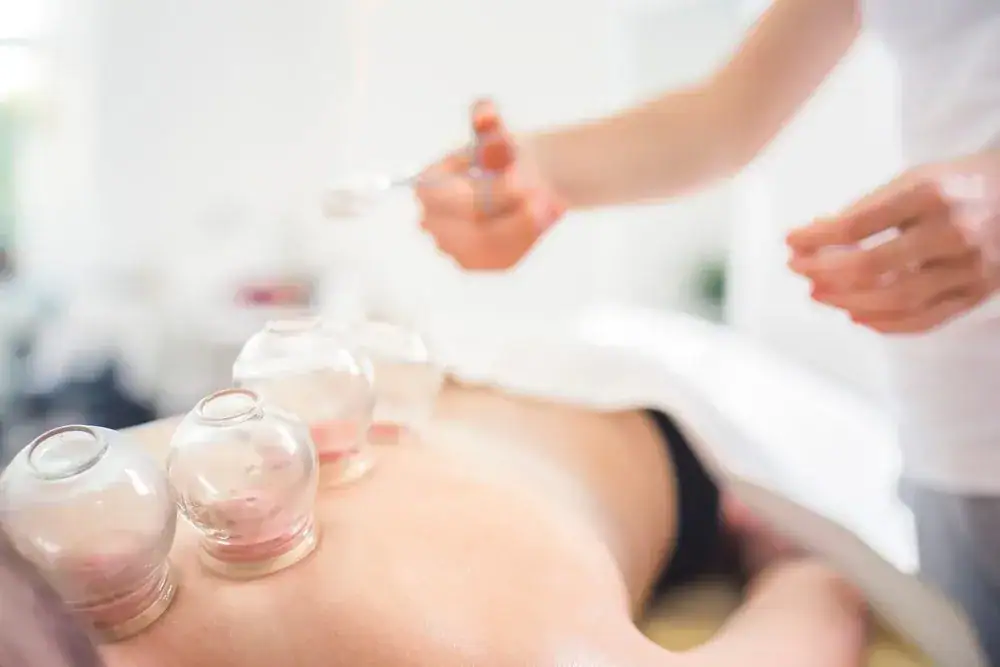
The mechanism is pretty straightforward. Cupping increases blood flow to the area, which helps reduce inflammation and promotes healing. It also creates a decompression effect on your fascia and muscles, which can release tension and improve mobility. When combined with other physical therapy techniques, the results tend to be more durable.
Most patients notice some level of relief after the first session, but lasting improvement usually takes several weeks of consistent treatment. If you’ve tried everything else and nothing has worked, cupping might be worth exploring. Just know it works best as part of a broader plan, not as a one-off treatment.
Medicare and most commercial insurance plans cover physical therapy services, and cupping is included when it’s part of your treatment plan. It’s not billed separately as “cupping therapy.” It’s billed as part of your physical therapy session, which is why it’s covered.
You don’t need a referral to start treatment at Medcare, though some insurance plans do require one for reimbursement. We’ll verify your coverage during your first call and let you know what to expect. If there’s a copay or deductible, we’ll tell you upfront.
For Belle Terre residents on Medicare, this is especially relevant. Nearly a quarter of the population here is on Medicare, and we work with those plans regularly. We handle the billing and documentation so you don’t have to chase down paperwork or fight with your insurance company.
Cupping is most effective for musculoskeletal pain and soft tissue injuries. That includes chronic lower back pain, neck pain, shoulder tightness, knee osteoarthritis, and myofascial pain syndrome. It’s also used for sports injuries, post-surgical recovery, and conditions related to poor posture or repetitive strain.
If your pain is related to tight muscles, restricted fascia, or poor circulation in a specific area, cupping can help. It’s less effective for nerve-related pain, fractures, or conditions that require surgical intervention. That’s why the evaluation matters. We need to figure out what’s actually causing your pain before we decide if cupping is the right tool.
Some people also use cupping for tension headaches, fibromyalgia, and general stress-related muscle tightness. The evidence is stronger for some conditions than others, but if it’s something we think could help, we’ll tell you. If it’s not, we’ll tell you that too.
Most people feel some level of relief within the first one to three sessions. That might mean less pain, better range of motion, or just feeling looser and less restricted. But short-term relief and long-term improvement are different things.
For chronic conditions, you’re usually looking at several weeks of treatment before you see lasting change. That’s not unique to cupping. It’s just how rehab works. Your body needs time to adapt, heal, and build new movement patterns. Cupping speeds up that process by improving circulation and reducing muscle tension, but it’s not an instant fix.
The timeline also depends on how long you’ve been dealing with the problem. If your back has hurt for ten years, it’s going to take longer to turn around than if you tweaked it last month. We’ll give you a realistic estimate after your evaluation based on what we’re seeing and how your body responds to the first few sessions.
Cupping is very safe when performed by a licensed therapist. The most common side effect is circular marks on your skin where the cups were placed. They look like bruises but aren’t painful. They fade within a few days to a week. Some people also feel a bit sore or tender in the treated area for a day or two afterward, similar to how you might feel after a deep tissue massage.
Serious side effects are rare. In some cases, people with very sensitive skin might experience mild irritation or blistering if the suction is too strong or left on too long. That’s why we use adjustable silicone cups and monitor your skin throughout the session.
Cupping isn’t recommended if you have certain conditions like active infections, open wounds, or severe skin conditions in the treatment area. We’ll go over your medical history during the evaluation to make sure it’s safe for you. If there’s any reason cupping isn’t a good fit, we’ll suggest an alternative approach that can still address your pain.
No, you don’t need a referral to start treatment. You can call and schedule an evaluation directly. That said, some insurance plans require a referral for reimbursement, even though New York allows direct access to physical therapy. We’ll check your specific plan when you call and let you know if you need one.
If you do need a referral, we can often coordinate with your primary care doctor or specialist to get it quickly. It’s usually just a formality, not a barrier. The bigger issue is making sure your insurance will cover the treatment, and we handle that verification process for you.
For Medicare patients in Belle Terre, the rules are a bit different depending on your plan type. Original Medicare doesn’t require a referral, but Medicare Advantage plans sometimes do. Again, we’ll walk you through this during your first call so there are no surprises when it comes time to bill.
Other Services we provide in Belle Terre