
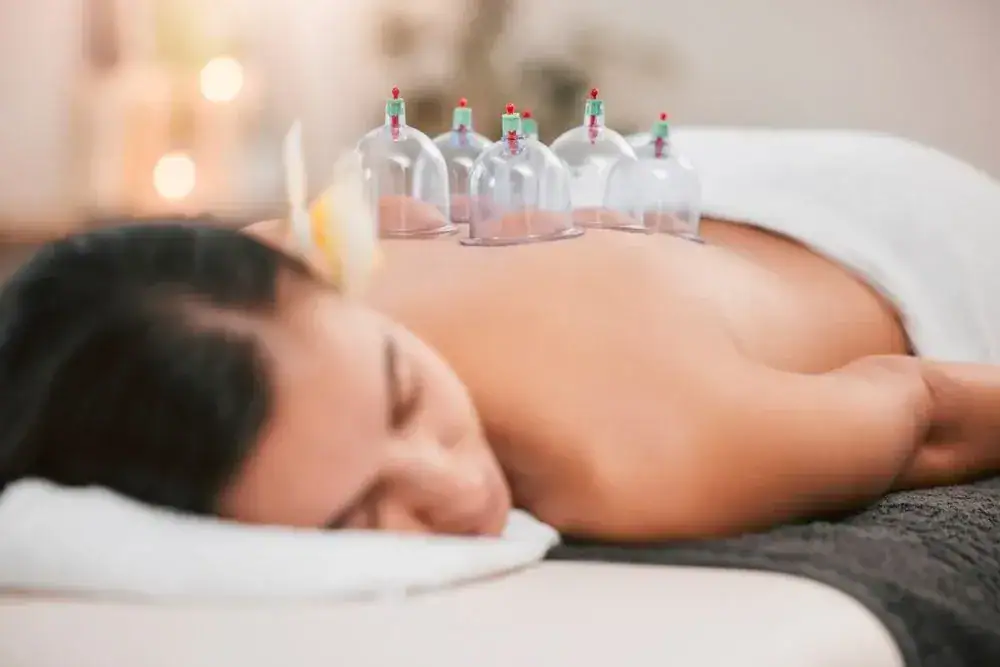

You’ve tried stretching. You’ve tried heat packs. Maybe you’ve even tried ignoring it. But that tightness in your back, neck, or shoulders keeps showing up—limiting how you move, how you sleep, and what you can do without wincing.
Cupping therapy works by creating suction on your skin, lifting tissue away from the muscle. That mechanical lift increases blood flow to the area, releases fascial tension, and helps your body flush out metabolic waste that builds up in tight, overworked muscles. The result is less pain, better range of motion, and muscles that actually feel loose again.
Most people notice a difference after the first session. Not a temporary fix that wears off in an hour, but real relief that lasts. Your shoulders drop. Your neck turns without that catch. You can bend, reach, and move the way you used to—without thinking about it first.
This isn’t about chasing trends or trying something because it looks interesting. It’s about giving your body a tool that works when other methods haven’t.
We’ve been treating patients across Long Island for over a decade. We accept Medicare and nearly all commercial insurance plans, so you’re not stuck figuring out coverage on your own.
Our physical therapists are licensed, trained in cupping therapy, and experienced in treating chronic pain, sports injuries, and musculoskeletal conditions. We also operate through established clinics like Physical Therapy Associates of Smithtown and Speonk Physical Therapy—locations that have been part of the community for over 20 years.
Barnum Island residents deal with the same things most Long Islanders do: active lifestyles that lead to overuse injuries, aging joints that don’t bounce back like they used to, and jobs that involve repetitive motion or long hours on your feet. We treat people who want to stay active, avoid surgery, and skip the medication route whenever possible. That’s where cupping fits in—as part of a broader physical therapy plan that’s built around what your body actually needs.
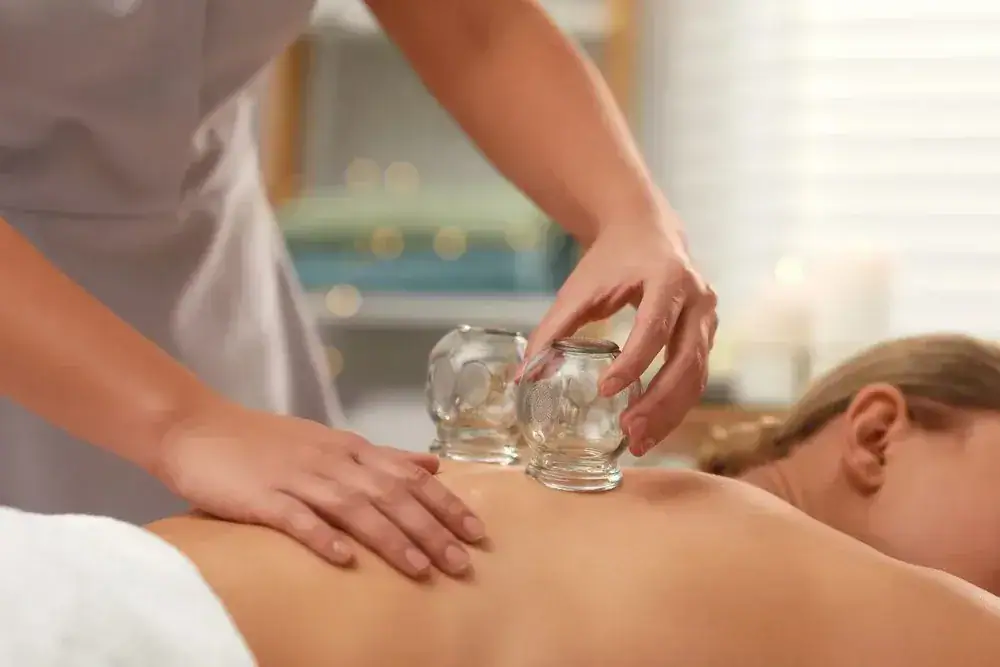
Your first visit starts with an evaluation. We’ll ask about your pain, your history, and what’s not working. Then we’ll assess your movement, flexibility, and where the tension is coming from. Cupping isn’t something we throw at every problem—it’s used when it makes sense for your specific condition.
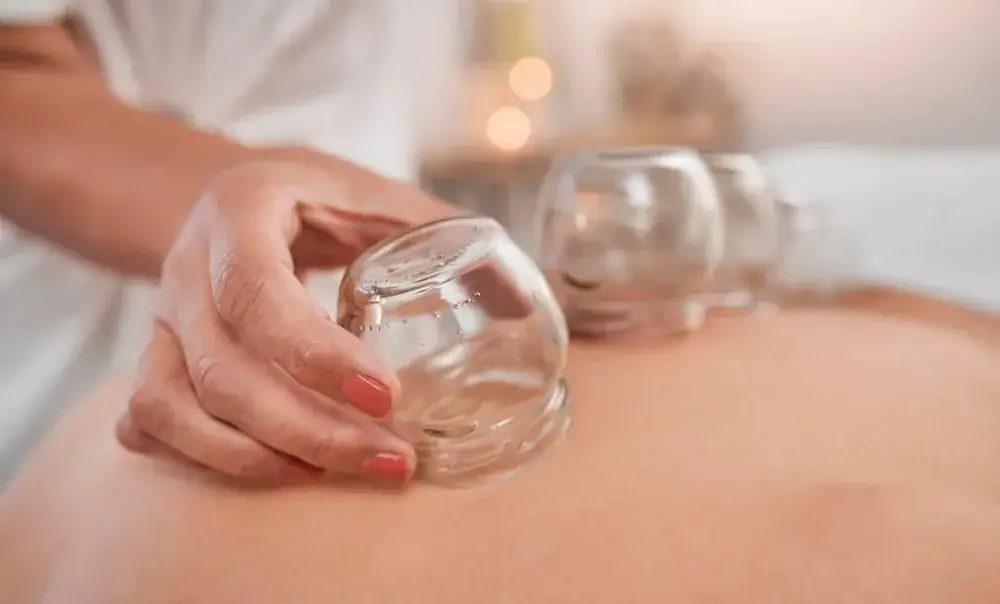
During the session, we place cups on targeted areas of your body. The suction pulls tissue upward, which increases circulation and releases tight fascia. Some people feel immediate relief. Others notice it more over the next day or two as inflammation decreases and mobility improves. You might see circular marks on your skin afterward—that’s normal and fades within a few days.
Dry cupping is what we use most often. It’s non-invasive, low-risk, and integrates well with other physical therapy techniques like manual therapy, stretching, and strengthening exercises. Depending on your condition, we may combine cupping with other modalities to get better results faster.
Sessions typically last 30 to 45 minutes. Most patients come in once or twice a week at first, then taper off as symptoms improve. We’ll give you a realistic timeline based on what we see—not a cookie-cutter plan that drags on longer than it should.
Ready to get started?
Cupping works well for chronic low back pain, neck pain, shoulder tightness, and muscle soreness from overuse or injury. It’s also effective for conditions like knee osteoarthritis, fascial restrictions, and post-workout recovery in athletes. If you’ve been dealing with pain that hasn’t responded to rest or basic treatment, cupping can help break that cycle.
Long Island has a high concentration of active older adults, weekend athletes, and people working physically demanding jobs. Back pain accounts for about a third of all physical therapy cases nationally, and that number holds true here. Many Barnum Island residents are looking for alternatives to medication, especially with the ongoing concerns around opioid use. Cupping offers a non-pharmaceutical option that actually addresses the source of the pain—not just the symptoms.
We also see a lot of patients who’ve been told they need surgery but want to try conservative treatment first. Physical therapy, including cupping, can reduce pain and improve function enough that surgery becomes unnecessary. Research shows that patients who start with physical therapy often avoid more invasive interventions down the line, and they spend significantly less on healthcare overall.
Insurance coverage varies, but most plans that cover physical therapy will cover cupping when it’s part of your treatment plan. We handle the billing and verification, so you know what to expect before your first session.
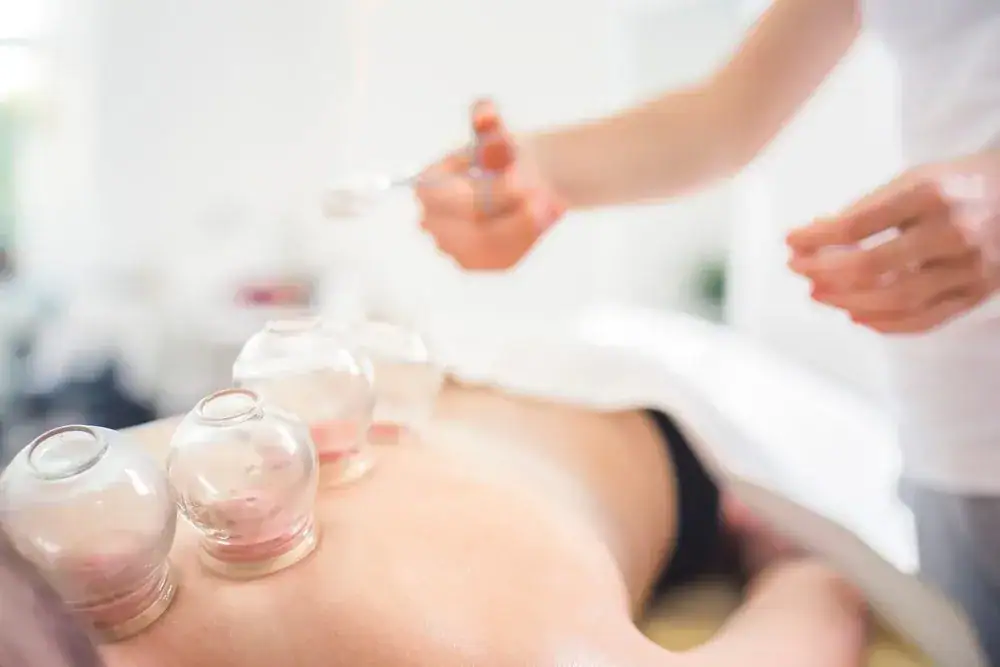
Yes, but it depends on the type of pain and how it’s used. Moderate-quality research supports cupping for chronic low back pain, neck pain, and knee osteoarthritis. A review of 72 trials involving over 5,700 participants found that cupping reduced pain intensity and improved function when combined with other treatments like physical therapy.
Cupping isn’t a standalone cure. It works best as part of a broader plan that includes movement, strengthening, and addressing the root cause of your pain. If your pain comes from tight muscles, restricted fascia, or poor circulation in an area, cupping can make a real difference. If it’s coming from a structural issue like a herniated disc or nerve compression, cupping might help manage symptoms but won’t fix the underlying problem.
We’re upfront about what cupping can and can’t do. During your evaluation, we’ll tell you whether it’s a good fit for your condition or if another approach makes more sense.
Most insurance plans that cover physical therapy will cover cupping when it’s included as part of your treatment. We accept Medicare and nearly all commercial insurance plans, and we verify your coverage before you start so there are no surprises.
Cupping is billed under physical therapy services, not as a separate add-on. That means if your plan covers PT, cupping is typically included in your visit. Some plans have copays or deductibles, and we’ll walk you through what that looks like for your specific policy.
If you’re paying out of pocket, we can give you a clear cost estimate upfront. We don’t inflate prices or tack on hidden fees. You’ll know what you’re paying before your first session, and we’ll work with you to create a treatment plan that fits your budget and your goals.
Most people describe it as a tight pulling sensation, but not painful. The suction creates pressure on your skin and lifts the tissue underneath, which can feel intense at first if the area is really tight. Once the cups are in place, your body adjusts and the sensation usually becomes more comfortable.
Some patients find it relaxing, especially as blood flow increases and muscles start to release. Others feel a bit sore afterward, similar to how you might feel after a deep tissue massage. That soreness typically fades within a day or two, and most people feel noticeably better once it does.
The cups stay on for about 5 to 15 minutes, depending on the area and your tolerance. If it’s too uncomfortable, we adjust the suction or move to a different spot. You’re in control, and we’re not trying to push you past what’s reasonable. The goal is relief, not endurance.
It depends on your condition, how long you’ve had it, and how your body responds. Acute issues like a pulled muscle or post-workout soreness might improve in 2 to 4 sessions. Chronic pain that’s been building for months or years usually takes longer—anywhere from 6 to 12 sessions.
We’ll give you a realistic estimate after your evaluation. Some people feel better after one session and decide that’s enough. Others need ongoing treatment to maintain progress, especially if their pain is tied to repetitive work or lifestyle factors that aren’t changing.
We’re not interested in dragging out treatment longer than necessary. If cupping isn’t helping after a few sessions, we’ll tell you and adjust the plan. If it’s working, we’ll keep going until you hit your goals—whether that’s getting back to the gym, sleeping without pain, or just being able to pick up your grandkids without your back locking up.
Cupping is low-risk when performed by a licensed physical therapist. The most common side effect is circular bruising or discoloration where the cups were placed. Those marks are caused by increased blood flow to the area and usually fade within 3 to 7 days. They don’t hurt, but they’re visible, so plan accordingly if you’re wearing something that shows your back or shoulders.
Some people feel lightheaded during or right after treatment, especially if it’s their first time. That’s rare, but if it happens, we stop and give you time to recover. Mild soreness or tenderness is normal for a day or two after your session, similar to how you’d feel after a workout.
Cupping isn’t recommended if you have certain skin conditions, blood clotting disorders, or open wounds in the treatment area. We’ll go over your medical history during your evaluation to make sure it’s safe for you. If there’s any concern, we’ll use a different technique that gets you similar results without the risk.
Yes, and that’s usually how we use it. Cupping works well alongside manual therapy, therapeutic exercise, stretching, and other modalities like heat or electrical stimulation. Combining treatments often produces better results than using any one technique alone.
For example, if you’re dealing with chronic low back pain, we might use cupping to release tight fascia and improve blood flow, then follow it up with targeted exercises to strengthen the muscles supporting your spine. Or if you have a shoulder injury, we might combine cupping with joint mobilization and range-of-motion work to restore full function.
The goal is to build a treatment plan that addresses your specific problem from multiple angles. Cupping is one tool in a larger toolkit, and we use it when it makes sense—not because it’s trendy or because we think every patient needs it. Your plan is based on what your body needs to heal, not on what’s popular right now.
Other Services we provide in Barnum Island