

You sleep better because your neck and shoulders aren’t screaming at you. You reach for things without wincing. You get through your workday without counting down the hours until you can lie down.
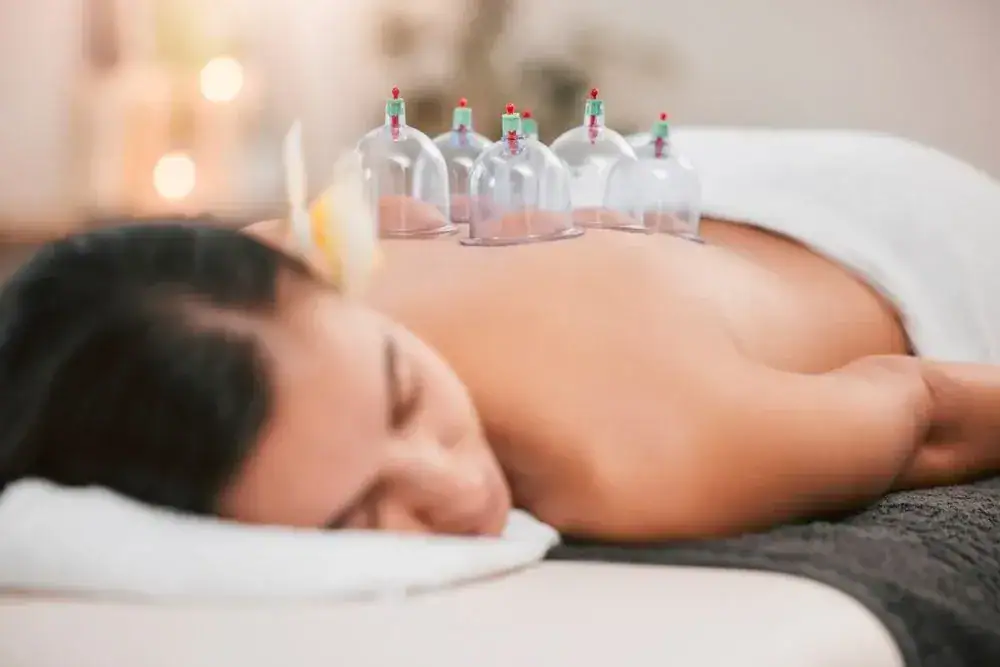
Cupping therapy works by creating suction on your skin, pulling blood flow into areas that have been tight and restricted for months or years. That increased circulation helps break up muscle adhesions, calm down inflamed tissue, and give your body what it needs to actually heal instead of just masking symptoms.
Most people notice less stiffness after the first session. Within a few weeks of consistent treatment, you’re moving with more confidence and less hesitation. The goal isn’t to make you dependent on appointments—it’s to get you back to normal so you can stay there.
We’ve been treating patients across Long Island since 2010. We’re not a spa offering cupping as an add-on—we’re licensed physical therapists who use it as part of a real treatment plan.
Atlantic Beach residents deal with a lot of the same issues: tight hips from sitting all day, shoulder pain from stress and poor posture, lower back problems that flare up without warning. We see it constantly, and we know how to address it.
Every treatment starts with an evaluation. We don’t guess. We figure out what’s causing the problem, then build a plan around your schedule, your goals, and what your insurance covers.
Your first visit starts with a conversation. We ask about your pain—where it is, how long you’ve had it, what makes it worse. Then we assess your movement and muscle tension to figure out where cupping will help most.
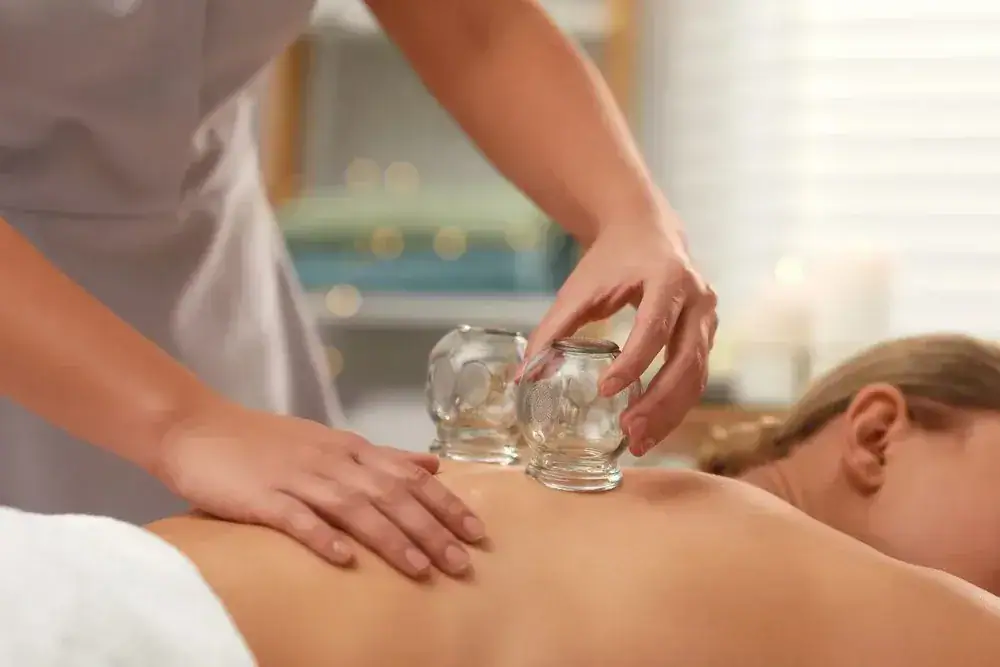
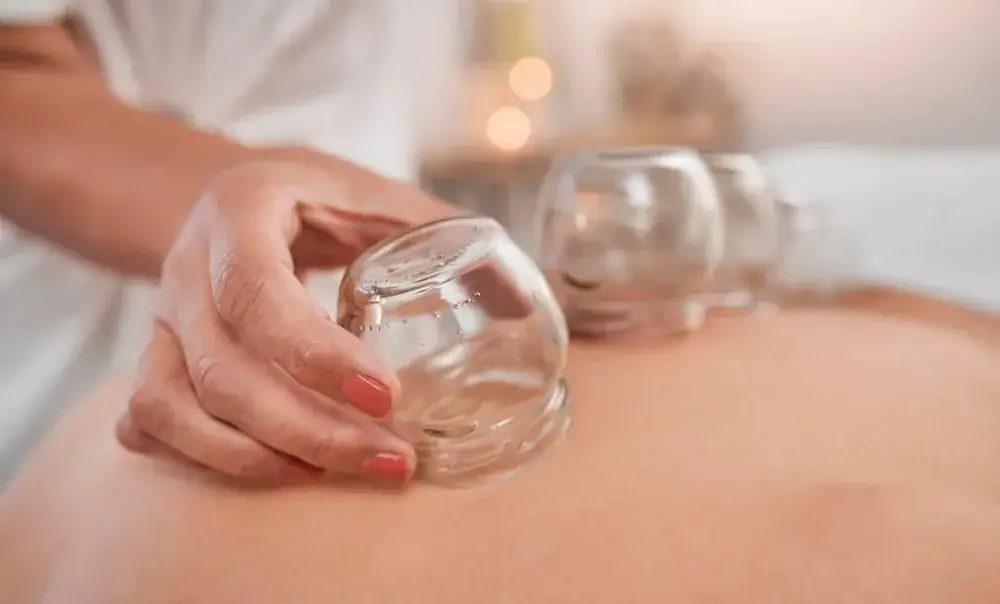
During the session, we place cups on specific areas using suction. You’ll feel a pulling sensation, but it shouldn’t hurt. Some therapists leave the cups in place for several minutes. Others use a technique where we move the cups across your skin to release deeper fascial restrictions.
You might see circular marks afterward. Those aren’t bruises—they’re caused by increased blood flow to the surface. They fade within a few days and don’t hurt.
Most people start with one to two sessions per week. As your pain decreases and your mobility improves, we space out appointments. The goal is progress you can feel, not a never-ending schedule of treatments.
Ready to get started?
Cupping works best when it’s part of a broader approach. We combine it with manual therapy, targeted exercises, and movement training so your results actually stick.
You’re not just getting cups placed on your back for ten minutes. You’re getting a licensed physical therapist who understands pain patterns, muscle imbalances, and how to keep problems from coming back.
Atlantic Beach has plenty of wellness centers offering cupping. What makes us different is that we accept Medicare and most major insurance plans, so you’re not paying out of pocket for every visit. We also integrate cupping into physical therapy sessions, which means you’re addressing the root cause—not just chasing temporary relief.
Sessions are scheduled around your life. Morning, afternoon, evening—we work with your availability. And if something isn’t working, we adjust the plan. No one benefits from a treatment that sounds good on paper but doesn’t fit your reality.
Yes, and there’s research backing it up. Studies show that cupping provides moderate-quality evidence for reducing chronic pain, especially in the lower back and neck. It’s not a miracle cure, but it’s also not placebo.
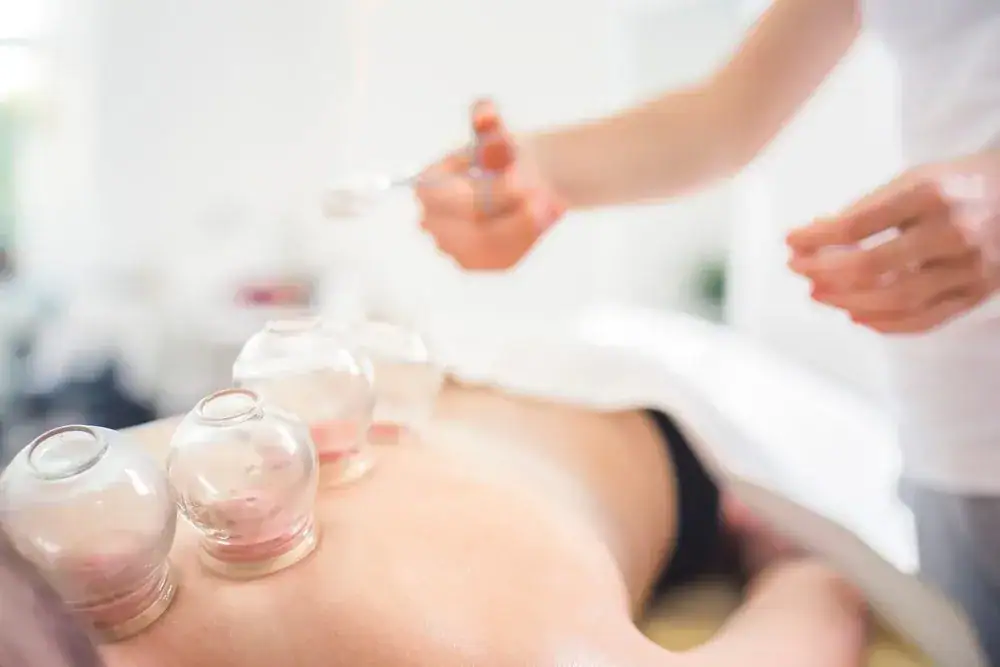
The suction from the cups increases blood flow to areas that have been tight and restricted. That helps reduce muscle tension, decrease inflammation, and improve your range of motion. For a lot of people dealing with chronic pain, those three things make a massive difference in daily life.
Cupping works best when it’s combined with other treatments like physical therapy exercises and manual therapy. If you’ve been stuck in a cycle of pain meds and temporary relief, this gives your body a different option—one that actually addresses the tightness and restriction causing the problem.
Most people start with one to two sessions per week. That’s enough frequency to make progress without overdoing it or burning through your schedule.
You’ll likely notice some improvement after the first session—less stiffness, easier movement, better sleep. But real, lasting change usually takes a few weeks of consistent treatment. We’re not just trying to make you feel better for a day. We’re working to retrain your muscles and fascia so the pain doesn’t keep coming back.
As you improve, we space out the sessions. Some people transition to once a week, then every other week, then as needed. The timeline depends on how long you’ve been dealing with pain and how your body responds. We adjust based on what’s actually happening, not some generic protocol.
If cupping is part of your physical therapy treatment plan, there’s a good chance your insurance will cover it. We accept Medicare and most major insurance plans, and we handle the billing so you’re not stuck figuring it out on your own.
Coverage depends on your specific plan and whether cupping is considered medically necessary for your condition. We verify your benefits before you start treatment, so there are no surprises. If something isn’t covered, we’ll let you know upfront.
A lot of wellness centers charge cash for cupping because they’re offering it as a standalone spa service. We’re different. We’re a licensed physical therapy practice, which means insurance is more likely to cover your sessions. That makes consistent treatment actually affordable instead of something you can only do once in a while.
Cupping works well for muscle tightness, chronic pain, limited range of motion, and inflammation. We see the best results with lower back pain, neck and shoulder tension, knee pain from osteoarthritis, and general stiffness that makes daily movement harder than it should be.
It’s also effective for people recovering from injuries or dealing with fascial restrictions that don’t respond well to stretching alone. The suction helps release adhesions and improve tissue elasticity in ways that manual therapy can’t always reach.
That said, cupping isn’t the right fit for every condition. If you have a skin infection, open wounds, or certain circulatory issues, we’ll recommend a different approach. During your evaluation, we’ll talk through your medical history and figure out whether cupping makes sense for your specific situation. If it doesn’t, we’ll tell you—and offer something that will actually help.
The marks aren’t painful, and they’re not permanent. They’re caused by increased blood flow to the surface of your skin, not by bruising or tissue damage. Most people don’t feel them at all once the cups are removed.
The marks usually fade within three to seven days, depending on how much suction was used and how your body responds. Some people barely get any discoloration. Others get darker circles that take a bit longer to disappear. Neither is bad—it just reflects how much stagnation was in that area.
If you’re worried about how the marks look, let us know before your session. We can adjust the suction or focus on areas that won’t be visible if you have an event coming up. The marks are a normal part of the process, but they shouldn’t get in the way of your life or make you self-conscious.
Yes. Cupping works well alongside acupuncture, massage, and other physical therapy techniques. A lot of people get better results when treatments are combined because each one addresses a different layer of the problem.
For example, acupuncture can help with pain signaling and nerve response, while cupping focuses on muscle tension and blood flow. Massage works on surface-level tightness, and cupping reaches deeper fascial layers. When you use them together, you’re covering more ground.
If you’re already seeing another provider, let us know during your evaluation. We can coordinate timing so the treatments complement each other instead of overlapping in ways that don’t make sense. The goal is a plan that actually works for your body—not just a random collection of therapies.
Other Services we provide in Atlantic Beach