


You skip the drive. No waiting rooms, no rushing between appointments, no wondering if you can make it there safely on a bad day.
Your therapist shows up with one focus: you. The session happens in your space, at your pace, with equipment and exercises built around how you actually move through your home. That’s where balance matters most anyway.
Medicare covers it when it’s medically necessary. You get the same licensed expertise you’d find in a clinic, but without the logistical stress that makes people skip sessions or push through pain just to avoid another trip. Recovery works better when it fits your life, not the other way around.
We’ve been serving Long Island for over 14 years, with affiliated centers in Smithtown and Speonk that have been around even longer. We’re not new to this.
Bridgehampton has one of the largest senior populations on Long Island, and we’ve built our practice around what that community actually needs: fall prevention programs that work, stroke rehabilitation that respects your timeline, and post-surgery recovery that doesn’t require you to leave home before you’re ready. Our therapists are licensed, experienced, and trained in evidence-based protocols like the Otago fall prevention program.
We handle the Medicare paperwork. We verify everything upfront. We show up when we say we will. That’s not marketing talk—it’s how we’ve stayed in business this long in a community where reputation matters.

First, we verify your Medicare coverage and get the necessary authorization from your doctor. Most people don’t realize Medicare covers outpatient therapy at home when it’s medically necessary—we make sure you’re set up correctly from the start.
Your therapist comes to your home for an initial evaluation. They assess your mobility, balance, strength, and any specific issues like joint pain or post-surgery limitations. This isn’t a quick look—it’s a full assessment of how you move in the environment that matters most.
From there, we build a treatment plan. Could be gait training to improve how you walk. Balance exercises to reduce fall risk. Therapeutic exercise and strength training after a hip or knee replacement. Stroke rehabilitation to regain function. Each session is one-on-one, usually 45-60 minutes, and we adjust as you progress. You’re not locked into anything that isn’t working.

Ready to get started?
Falls are the leading cause of injury-related deaths for older adults, and in Bridgehampton, where 31.5% of insured residents are over 64, that risk is real. Our fall prevention programs use proven methods like balance and proprioceptive training to help you move more confidently.
Post-surgery rehabilitation is another big one. Hip replacements, knee replacements, rotator cuff repairs—recovery is hard enough without adding a commute. We bring the equipment and expertise to you, whether that’s resistance training, neuromuscular re-education, or range-of-motion work.
Stroke rehabilitation and neurological conditions require specialized care. We work with patients on gait training, coordination, and rebuilding strength after a neurological event. Joint pain treatment, injury rehabilitation, occupational therapy for daily tasks—we cover what you need to get back to living independently. And because Bridgehampton has a median household income of $168,167 and property values averaging nearly $2 million, we know you’re used to a certain standard. We meet it.
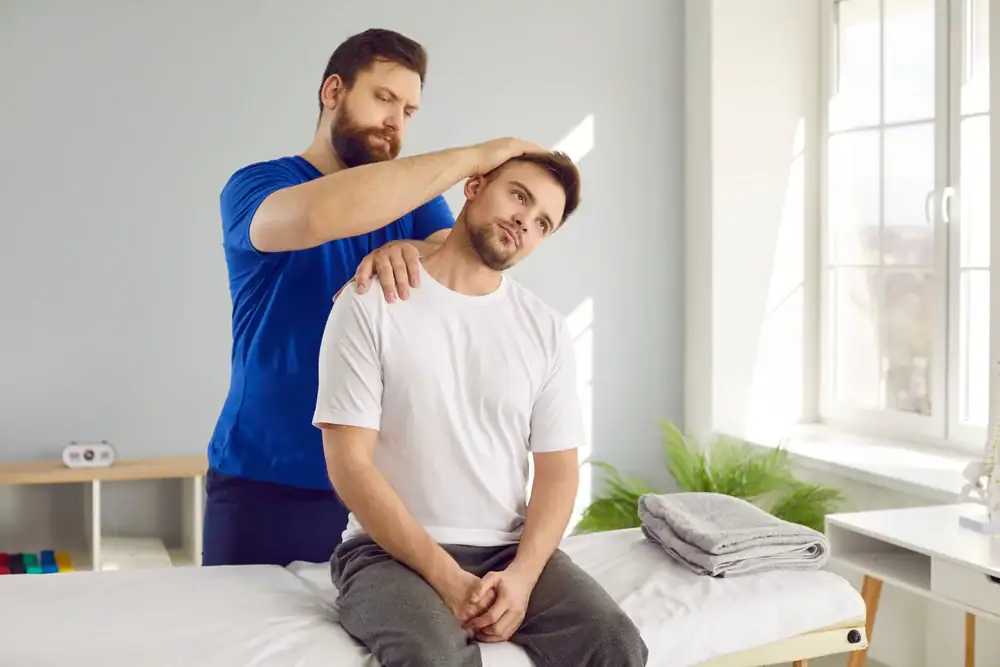
Yes, Medicare Part B covers outpatient physical and occupational therapy in your home when it’s medically necessary and ordered by your doctor. That includes things like recovery after surgery, fall prevention, stroke rehabilitation, and treatment for conditions that limit your mobility.
There are some requirements. You need a referral from your physician. The therapy has to be provided by a Medicare-certified therapist—which we are. And the treatment needs to be part of a documented plan of care that shows you’re making progress.
Medicare typically covers 80% of the approved amount after you’ve met your deductible. You’re responsible for the remaining 20%, though supplemental insurance often covers that. We handle the verification and billing, so you know what to expect before we start. No surprises.
The biggest difference is attention. In a clinic, therapists often see multiple patients per hour. At home, your therapist is there for you alone. No distractions, no waiting, no splitting focus.
The second difference is context. We see how you actually move in your space. Where you struggle getting in and out of the shower. Which stairs cause problems. How your furniture layout affects your balance. That’s information a clinic can’t replicate, and it makes the treatment more relevant.
Third is convenience, especially in Bridgehampton where transportation can be a barrier. No driving, no weather concerns, no exposure to illness in waiting rooms. For people recovering from surgery or dealing with mobility limitations, that alone can be the difference between consistent therapy and skipped sessions. Consistency is what gets results.
It depends entirely on what you’re recovering from and how your body responds. Post-surgery rehabilitation might take 6-12 weeks. Fall prevention programs can show improvement in 8-10 weeks. Stroke rehabilitation often takes longer, sometimes several months.
What matters more than the timeline is whether you’re making progress. Medicare requires documentation that therapy is improving your function. If you’re getting stronger, moving better, or regaining abilities you’d lost, treatment continues. If you plateau or reach your goals, we discharge you with a home exercise program to maintain your gains.
Most patients see us 2-3 times per week initially, then taper to once a week as they improve. Sessions are typically 45-60 minutes. We’re not trying to drag things out—we want you independent again. The faster you get there safely, the better.
Have your insurance cards ready—Medicare and any supplemental coverage. We’ll need those to verify benefits. If you have recent medical records, imaging results, or a list of medications, that’s helpful but not required.
Clear a space where we can work. Doesn’t need to be large—just enough room to move safely and do exercises. Wear comfortable clothing you can move in. If we’re working on gait or balance, we’ll want to see how you walk, so loose pants and supportive shoes help.
Write down your questions and concerns before we arrive. What hurts? What activities are you struggling with? What are you hoping to get back to? The more specific you are about your goals, the better we can target treatment. And don’t clean up too much—we need to see your real environment, including any hazards or obstacles that might be contributing to fall risk or mobility issues.
Absolutely. In fact, that’s the best time to start. Once you’ve fallen, you’re dealing with injuries, fear, and lost confidence. Before that happens, we can address the risk factors.
We use programs like Otago, which has been shown to reduce falls by up to 25% in older adults. It includes balance exercises, strength training, and a home safety assessment. We look at how you move, where you’re unsteady, and what environmental factors increase your risk.
In Bridgehampton, where half of residents over 85 have mobility limitations, fall prevention isn’t optional—it’s essential. Medicare covers it when your doctor determines you’re at risk. That might be due to previous falls, balance problems, weakness, medication side effects, or conditions like arthritis or neuropathy. You don’t have to wait until something bad happens. Prevention is always smarter than recovery.
Yes. Occupational therapy focuses on the activities of daily living—getting dressed, cooking, bathing, managing medications, anything you need to do to live independently. While physical therapy rebuilds strength and mobility, occupational therapy makes sure you can actually use those gains in real life.
An occupational therapist might work with you on fine motor skills after a stroke, adaptive techniques for arthritis, energy conservation strategies if you fatigue easily, or cognitive exercises if memory or sequencing is an issue. They also assess your home for modifications that could make tasks easier and safer.
Like physical therapy, Medicare covers occupational therapy at home when it’s medically necessary. Many of our patients benefit from both—PT to get stronger and OT to apply that strength functionally. We coordinate between therapists so your care is seamless, and you’re not repeating the same information or exercises. It’s all part of getting you back to the life you want.
Other Services we provide in Bridgehampton