


You shouldn’t have to choose between getting the care you need and dealing with the hassle of getting to a clinic. If mobility is already an issue, the last thing that makes sense is forcing yourself into a car or arranging rides twice a week just to work on getting stronger.
In-home therapy means your treatment happens in the space where you actually live. Your therapist sees how you move in your kitchen, your bathroom, your bedroom. We can spot the real risks and build a plan around your actual day-to-day life, not a generic clinic setup.
That’s especially important in Bay Shore, where many older adults live independently and want to stay that way. Whether you’re recovering from surgery, managing chronic pain, or working to prevent falls, the goal is the same: keep doing what matters to you without fear, without pain, and without needing someone else to get you through the day.
We’ve been providing in-home physical and occupational therapy across Long Island for over 14 years. We’re not a new operation trying to figure things out as we go.
Our therapists are licensed, Medicare-certified, and trained in specialized areas like fall prevention and gait training. We treat you like family because most of our referrals come from people who’ve already been through our program and told someone they trust about it.
Bay Shore has a large population of older adults who value independence. We get that. Our job is to help you keep it by bringing the expertise of a full therapy clinic into your living room, on your schedule, with people who show up on time and actually care whether you’re improving.

First, we verify your Medicare coverage and make sure in-home therapy is the right fit. Most people qualify if they have difficulty leaving home due to mobility issues, recent surgery, or chronic conditions that make travel unsafe or exhausting.
Once you’re scheduled, a licensed physical therapist comes to your home for an initial evaluation. We’ll assess your movement, strength, balance, and pain levels. We’ll also look at your living space to identify fall risks or obstacles that might be slowing down your recovery.
From there, you get a personalized treatment plan. Sessions typically happen two to three times per week, depending on your needs and your doctor’s orders. Your therapist brings any equipment needed and works with you on exercises, gait training, balance work, or neuromuscular re-education, all based on what your body actually needs to improve.
Progress gets tracked and reported. If something isn’t working, the plan adjusts. If you’re improving faster than expected, we push forward. You’re not locked into a one-size-fits-all program.

Ready to get started?
You get access to the same types of therapy you’d receive in a clinic: physical therapy, occupational therapy, therapeutic exercise, resistance and strength training, joint pain treatment, and stroke rehabilitation. The difference is it all happens where you’re most comfortable.
Falls are a major concern for Bay Shore’s aging population. According to national data, fear of falling develops in many older adults even before a fall happens, and that fear alone can lead to reduced activity and faster decline. Our therapists are trained in Otago fall prevention methods and balance training, which are proven to reduce fall risk when done consistently.
If you’re recovering from surgery, dealing with neurological issues, or managing an injury, we also provide pre and post-surgery rehabilitation and neuromuscular re-education. These aren’t just exercises. They’re specific techniques designed to retrain your body’s movement patterns so you can walk, stand, and function without compensating in ways that cause more problems down the road.
Everything is covered under Medicare for those who qualify, and we handle the paperwork. Your focus stays on getting better.
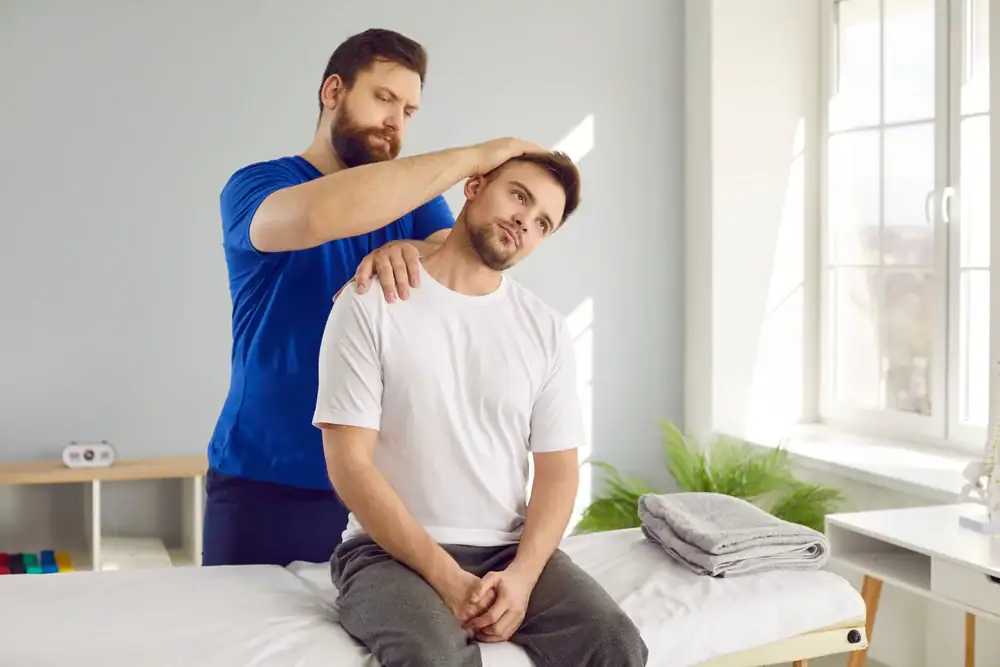
Yes, Medicare Part B covers in-home physical therapy if you meet certain criteria. You generally need to be homebound, meaning leaving your home requires considerable effort due to illness, injury, or disability.
Your doctor must order the therapy and confirm it’s medically necessary. Once that’s in place, Medicare typically covers 80% of the approved amount after you’ve met your deductible. You’re responsible for the remaining 20%, though some supplemental insurance plans cover that portion.
We verify your coverage before starting and handle the billing directly with Medicare. If there’s any issue with eligibility, we’ll let you know upfront so there are no surprises later.
Physical therapy focuses on improving movement, strength, balance, and pain management. If you’re struggling to walk, stand up from a chair, or move without discomfort, that’s typically physical therapy.
Occupational therapy focuses on helping you perform daily activities like getting dressed, cooking, bathing, or using the bathroom safely. It’s about function in your actual life, not just movement for movement’s sake.
Many people benefit from both, especially after a stroke or major surgery. Your therapist will assess what you need during the evaluation and recommend the right type of care. Sometimes it’s one or the other. Sometimes it’s both working together.
It depends on your condition and your goals. Some people need a few weeks of focused work after surgery. Others benefit from several months of consistent therapy to manage chronic issues or recover from a stroke.
Medicare doesn’t put a hard limit on the number of sessions, but therapy does need to show progress. As long as you’re improving and the treatment is medically necessary, coverage continues.
Most patients in Bay Shore see their therapist two to three times per week initially, then taper down as they get stronger and more independent. Your therapist will give you a realistic timeline during your evaluation based on what we’re seeing and what your doctor has ordered.
With Medicare, you can choose any provider that accepts Medicare assignment and is licensed to provide in-home therapy. You’re not locked into a specific network the way you might be with some Medicare Advantage plans.
We accept Medicare and have been serving Long Island since 2010. Our therapists are licensed, background-checked, and experienced in treating patients at home.
If you’ve already been working with a therapist at a clinic and want to switch to in-home care, that’s allowed. You just need a new order from your doctor specifying in-home therapy. We can help coordinate that transition if needed.
That’s actually the best time to start fall prevention therapy. Once a fall happens, recovery gets harder and the fear gets worse.
If you’re noticing balance issues, feeling unsteady on your feet, or avoiding certain movements because you’re afraid of losing your footing, those are all valid reasons to get evaluated. Medicare covers therapy for fall risk reduction, not just fall recovery.
Our therapists use evidence-based programs like Otago fall prevention, which includes specific exercises for strength, balance, and gait training. The goal is to rebuild confidence and stability before a fall happens, not after. In Bay Shore’s aging population, this kind of proactive care makes a huge difference in maintaining independence.
The first visit is an evaluation. Your therapist will ask about your medical history, current symptoms, and what you’re hoping to accomplish. We’ll watch you move, test your strength and balance, and assess any pain or limitations.
We’ll also walk through your home to spot hazards like loose rugs, poor lighting, or furniture placement that could increase fall risk. This isn’t about judging your housekeeping. It’s about making sure your environment supports your recovery instead of working against it.
By the end of that first session, you’ll have a clear treatment plan with specific goals and a schedule. You’ll also get some exercises to start working on between visits. The whole thing usually takes about an hour, and it happens entirely in your home at a time that works for you.
Other Services we provide in Bay Shore