
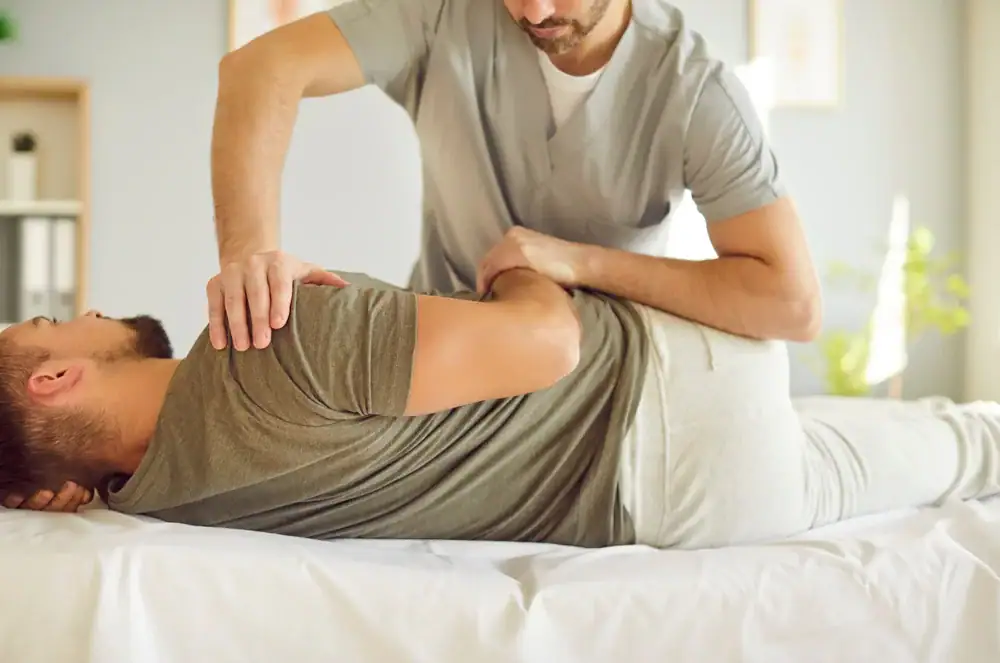

You’re not dealing with the stress of getting to appointments anymore. No coordinating rides, no rushing through sessions because the next patient is waiting, no sitting in a waiting room wondering if you’ll get the same therapist as last time.
Your physical therapist shows up at your home with the equipment and expertise you need. You get the full hour, one-on-one, in the environment where you actually live and move. That means your therapist sees the stairs you’re struggling with, the bathroom setup that’s causing problems, the kitchen layout that makes daily tasks harder than they should be.
This is how fall prevention actually works in real life. Balance training on your own floors. Gait training on your own walkways. Strength exercises using furniture and spaces you navigate every day. The treatment plan isn’t theoretical—it’s built around your actual home, your actual routine, your actual challenges.
Recovery happens faster when therapy fits into your life instead of disrupting it. You’re less exhausted from travel. You’re more consistent with appointments. You can practice what you learn immediately in the space where it matters most.
We’ve been bringing licensed physical therapists and occupational therapists to homes across Suffolk County for over a decade. We’re not a new operation testing out a model—we’ve built our entire practice around in-home care because we saw how many people in communities like Baiting Hollow were skipping therapy simply because getting to a clinic was too difficult.
Baiting Hollow’s population skews older, with a median age over 50 and limited public transportation options. That’s not a criticism—it’s just reality in a sparse suburban area where 96% of residents own their homes and have lived here for years. But it does mean that when mobility becomes an issue, accessing healthcare becomes harder.
We work with Medicare Part B, which covers outpatient physical therapy when it’s medically necessary. Our therapists are licensed, experienced, and part of a network that includes Physical Therapy Associates of Smithtown and Speonk Physical Therapy. You’re getting the same quality of care you’d receive at a clinic, just without the commute.

First, we verify your Medicare coverage and get any necessary authorizations handled. You shouldn’t have to figure out insurance paperwork on your own—that’s our job. Once everything’s cleared, we schedule your initial evaluation at a time that works for you.
Your physical therapist arrives at your home with everything needed for the assessment. They’ll evaluate your current mobility, strength, balance, and any specific issues you’re dealing with—joint pain, post-surgery limitations, stroke recovery, whatever brought you to therapy. They’ll also look at your home environment to identify fall risks or mobility barriers.
From there, you get a personalized treatment plan. If you need fall prevention work, your therapist will focus on balance and proprioceptive training using your actual living space. If you’re recovering from surgery, the plan centers on therapeutic exercise and strength training to rebuild function. If you’ve had a stroke or neurological event, treatment includes neuromuscular re-education and gait training.
Sessions happen on a schedule that makes sense for your recovery timeline—usually two to three times per week to start. Your therapist tracks progress, adjusts the plan as you improve, and communicates with your doctor about your status. When you’ve hit your goals and can maintain your progress independently, you’re discharged. No dragging out treatment unnecessarily.
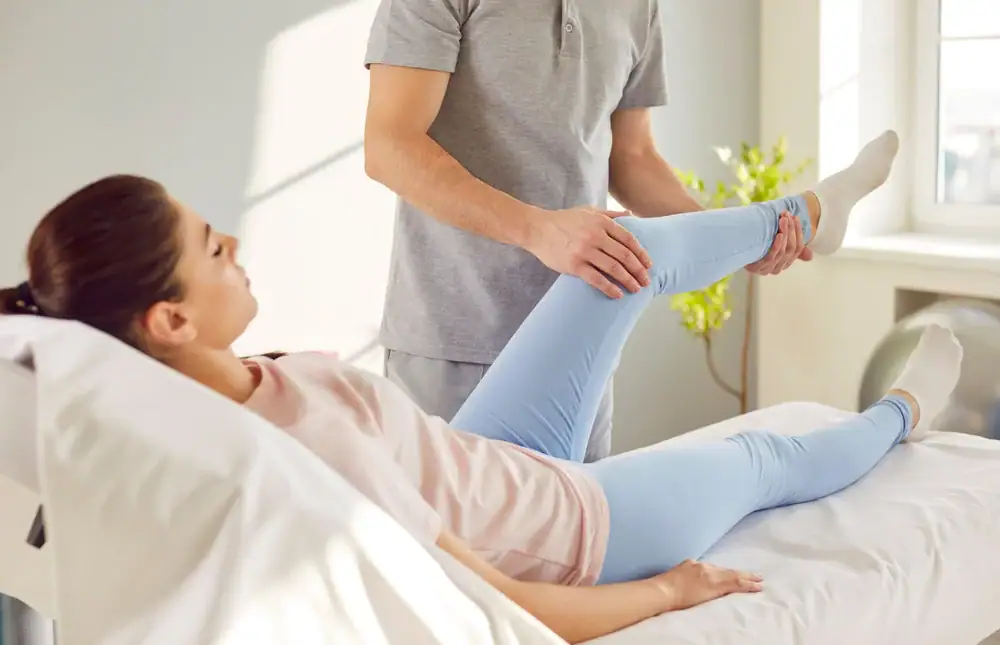
Ready to get started?
You’re getting a licensed physical therapist or occupational therapist who specializes in the type of rehab you need. That could be fall prevention and balance training if you’ve had a close call or want to stay ahead of mobility decline. It could be gait training if your walking pattern has changed after an injury or illness. It could be joint pain treatment using therapeutic exercise and resistance training to rebuild strength without making things worse.
For stroke survivors or anyone dealing with neurological conditions, we provide stroke rehabilitation and neurological rehabilitation that focuses on retraining your nervous system and rebuilding motor control. Pre and post surgery rehabilitation helps you prepare for procedures or recover afterward with structured, progressive exercise that’s monitored by a professional who knows what to watch for.
Injury rehabilitation covers everything from fractures to sprains to chronic overuse issues. The goal is always the same: restore function, reduce pain, prevent re-injury. We use neuromuscular re-education when your body needs to relearn movement patterns, and we incorporate resistance and strength training when rebuilding muscle is part of the equation.
In Baiting Hollow, where many residents are managing multiple health conditions and the nearest hospital is a drive away, having a physical therapist who comes to you isn’t just convenient—it’s often the difference between getting treatment and skipping it. We’ve worked with enough Long Island families to know that when therapy requires less logistical coordination, people actually complete their treatment plans.
Yes, Medicare Part B covers outpatient physical therapy and occupational therapy in your home when it’s medically necessary and ordered by your doctor. You’ll pay 20% of the Medicare-approved amount after you’ve met your deductible, which is standard for outpatient therapy regardless of where it’s provided.
The key requirement is that the therapy has to be restorative—meaning it’s designed to improve or maintain your function, not just provide comfort. Most people recovering from surgery, injury, stroke, or dealing with conditions that affect mobility will qualify. Your doctor writes the referral, we handle the authorization process with Medicare, and you’re informed of any out-of-pocket costs before starting treatment.
What surprises some people is that in-home therapy is billed the same as clinic-based therapy under Medicare. You’re not paying extra for the convenience of having a physical therapist come to your home. The coverage is identical. The difference is that you’re eliminating transportation costs, caregiver time, and the physical strain of getting to appointments.
Most treatment plans start with two to three visits per week, depending on what you’re recovering from and what your doctor recommends. That frequency usually continues for the first few weeks while you’re building strength, relearning movement patterns, or addressing acute issues like post-surgery rehab or recent injury.
As you progress, the frequency often decreases. You might drop to twice a week, then once a week as you gain independence and can do more of your exercise program on your own. The goal is always to get you to a point where you don’t need a therapist anymore—where you’ve recovered enough function to maintain your progress without ongoing professional intervention.
Each session typically lasts 45 minutes to an hour. Your physical therapist isn’t rushing to see the next patient because you are the only patient during that time block. That’s one of the real advantages of in-home care—you get focused, uninterrupted attention. If something’s not working or you have questions, there’s time to address it right then instead of waiting for the next appointment.
Your physical therapist brings portable equipment for most exercises—resistance bands, therapy balls, balance tools, whatever’s needed for your specific treatment plan. For larger equipment, we work with what you already have at home. A sturdy chair becomes a tool for sit-to-stand exercises. Your kitchen counter works for balance support. Stairs become part of your gait training.
This approach actually makes therapy more practical. You’re learning to use the furniture and spaces you interact with every day, which means the exercises translate directly into real-world function. When you practice standing up from your own chair with proper technique, you’re training the exact movement you need dozens of times per day.
If your treatment plan requires specialized equipment that you don’t have and can’t easily substitute, your therapist will let you know. Sometimes that means recommending a specific purchase, like a walker or grab bars for safety. Other times it means adjusting the exercise approach to work with what’s available. The point is to make therapy accessible and effective without requiring you to turn your home into a gym.
Absolutely, and that’s actually the best time to address it. Fall prevention works better before a fall happens because you’re not also recovering from an injury. You can focus entirely on improving balance, strengthening the muscles that keep you stable, and identifying hazards in your home before they cause a problem.
Balance and proprioceptive training helps your body respond better when you hit an uneven surface or lose your footing. Gait training ensures your walking pattern isn’t creating unnecessary fall risk—things like shuffling, leaning too far forward, or not picking up your feet enough. Strength training targets the leg and core muscles that keep you upright when your balance is challenged.
Your physical therapist will also do a home safety assessment. That means looking at lighting, rugs, clutter, bathroom setup, stair railings—anything that increases fall risk. You’ll get specific recommendations for modifications that make sense for your home. Some people in Baiting Hollow have older homes with layouts that weren’t designed with aging in mind, so small changes can make a significant difference in safety.
Physical therapy focuses on mobility—your ability to move, walk, balance, and perform physical activities without pain or limitation. If you’re recovering from a hip replacement, dealing with chronic back pain, rebuilding strength after a stroke, or working on fall prevention, you’re typically looking at physical therapy. The treatment involves therapeutic exercise, gait training, strength and resistance work, and movement re-education.
Occupational therapy focuses on daily activities—your ability to dress yourself, cook, bathe, manage household tasks, and maintain independence in the routines that make up your day. If you’re struggling with fine motor skills after a stroke, need to relearn how to safely get in and out of the shower, or want to adapt your kitchen so you can cook despite arthritis, occupational therapy addresses those challenges.
Many people benefit from both, especially after major health events like stroke or surgery. Your physical therapist gets you moving better, and your occupational therapist helps you apply that improved movement to actual daily tasks. We coordinate between therapists when both are involved so your care plan is consistent and you’re not getting conflicting advice. Medicare covers both types of therapy when they’re medically necessary.
It depends entirely on what you’re recovering from and how your body responds to treatment. Post-surgery rehab might run six to eight weeks if recovery is straightforward. Stroke rehabilitation or neurological rehab often takes longer—several months isn’t unusual when you’re retraining major motor functions. Injury rehab varies based on severity and whether there are complications.
Your physical therapist evaluates your progress regularly and adjusts the timeline based on objective measures—how far you can walk, how much you can lift, whether your balance has improved, if your pain has decreased. When you’ve reached your functional goals and can maintain your progress with a home exercise program, therapy ends. Medicare doesn’t pay for maintenance therapy, so there’s a built-in endpoint when improvement plateaus.
Some people worry about being pushed out of therapy too soon, but the reality is that most patients are ready to be done by the time discharge happens. You’ve put in the work, you’ve seen the improvement, and you’re ready to get back to normal life without a therapist coming to your house multiple times a week. If you do have a setback later, you can always get a new referral and restart therapy—it’s not a one-time-only benefit.
Other Services we provide in Baiting Hollow