Early stroke rehabilitation can dramatically improve your recovery. Discover proven techniques for regaining function, strength, and independence after a stroke in Suffolk and Nassau County, NY.
Stroke rehabilitation is a structured program designed to help you relearn skills that were affected when part of your brain was damaged. That might mean relearning how to walk, use your arm, speak clearly, or complete daily tasks like dressing yourself or preparing a meal.
The goal isn’t just to get you moving again. It’s to help your brain create new pathways around the damaged areas—a process called neuroplasticity. Your brain is more adaptable than you might think, especially in the weeks and months right after a stroke. But that window doesn’t stay open forever.
Research shows that people who participate in focused stroke rehabilitation programs perform better than those who don’t receive structured therapy. The difference isn’t small. We’re talking about the ability to live at home versus needing institutional care. The ability to walk independently versus relying on a wheelchair. The ability to feed yourself, bathe yourself, and maintain dignity in your daily life.
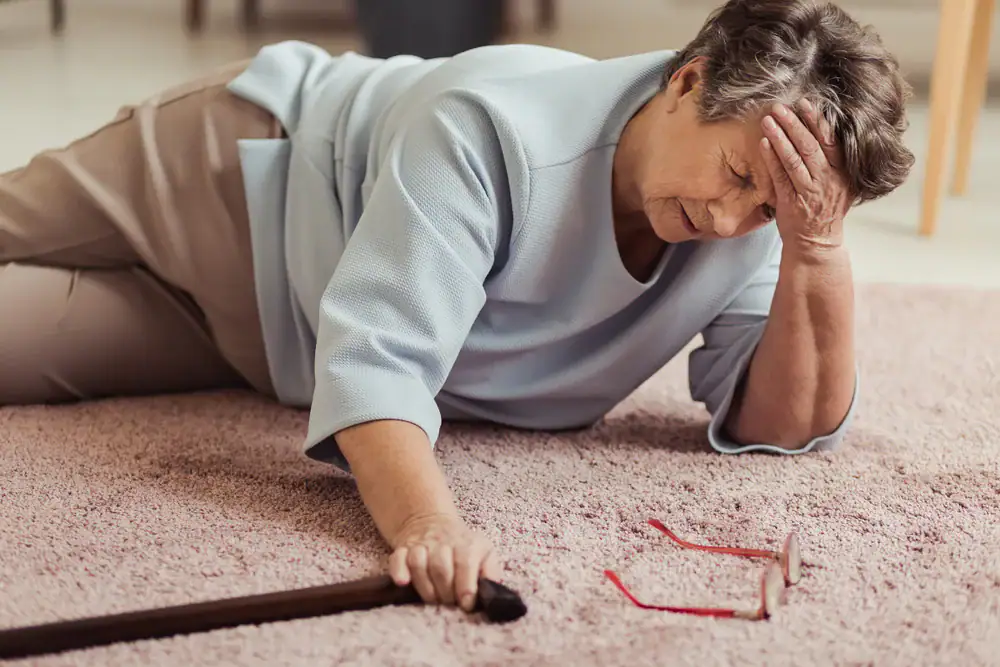
Timing isn’t just important in stroke rehabilitation. It’s critical. The first few weeks and months after a stroke represent a unique window when your brain is primed for recovery.
Studies show that approximately 10% of stroke patients recover almost completely when treatment begins early—within 30 days of the stroke event. Start later, and your odds drop. About 40% of stroke survivors face moderate to severe disabilities that require ongoing specialized care, often because rehabilitation didn’t start soon enough or wasn’t intensive enough.
Here’s what the research tells us: rehabilitation professionals joining your care team within the first 24 to 36 hours of hospital admission produce the best outcomes. Early rehabilitation started within 2 weeks can significantly improve your self-care ability, daily activities, and neurological function. The benefits compound over time.
But “early” doesn’t mean rushed. It means strategic. It means getting the right type of therapy, at the right intensity, delivered by professionals who understand neurological recovery. Some stroke survivors in Suffolk County, NY and Nassau County, NY start therapy in the hospital, then transition to home-based care where they can continue intensive rehabilitation in a familiar, comfortable environment.
The subacute phase—roughly 2 to 3 months after stroke—appears to be especially important. Task-specific motor intervention during this window leads to significantly greater recovery compared to the same intervention provided later. Your brain is working overtime to reorganize itself during this period. Therapy helps direct that reorganization in ways that restore function rather than reinforce compensation patterns.
One more thing worth knowing: training totaling over 120 hours can lead to substantial improvements in motor functions and independence. That’s not a weekend commitment. It’s consistent, focused work over weeks and months. Home-based supervised physiotherapy programs make this level of commitment more realistic because you’re not spending hours each week traveling to and from appointments.
Stroke recovery physical therapy isn’t one-size-fits-all. What you need depends on which part of your brain was affected, how severe the stroke was, and what abilities you’ve lost or retained.
Physical therapy focuses on rebuilding strength, coordination, balance, and mobility. You might work on basic movements like sitting up in bed, transferring from bed to wheelchair, or standing with support. As you progress, therapy becomes more functional—walking, climbing stairs, reaching for objects, maintaining balance while moving.
Occupational therapy addresses the activities of daily living. Can you dress yourself? Prepare a meal? Use the bathroom independently? These aren’t small concerns. They’re the difference between living at home and needing full-time care. Therapists use techniques like constraint-induced movement therapy and dual-task training to help you regain the ability to perform these essential tasks.
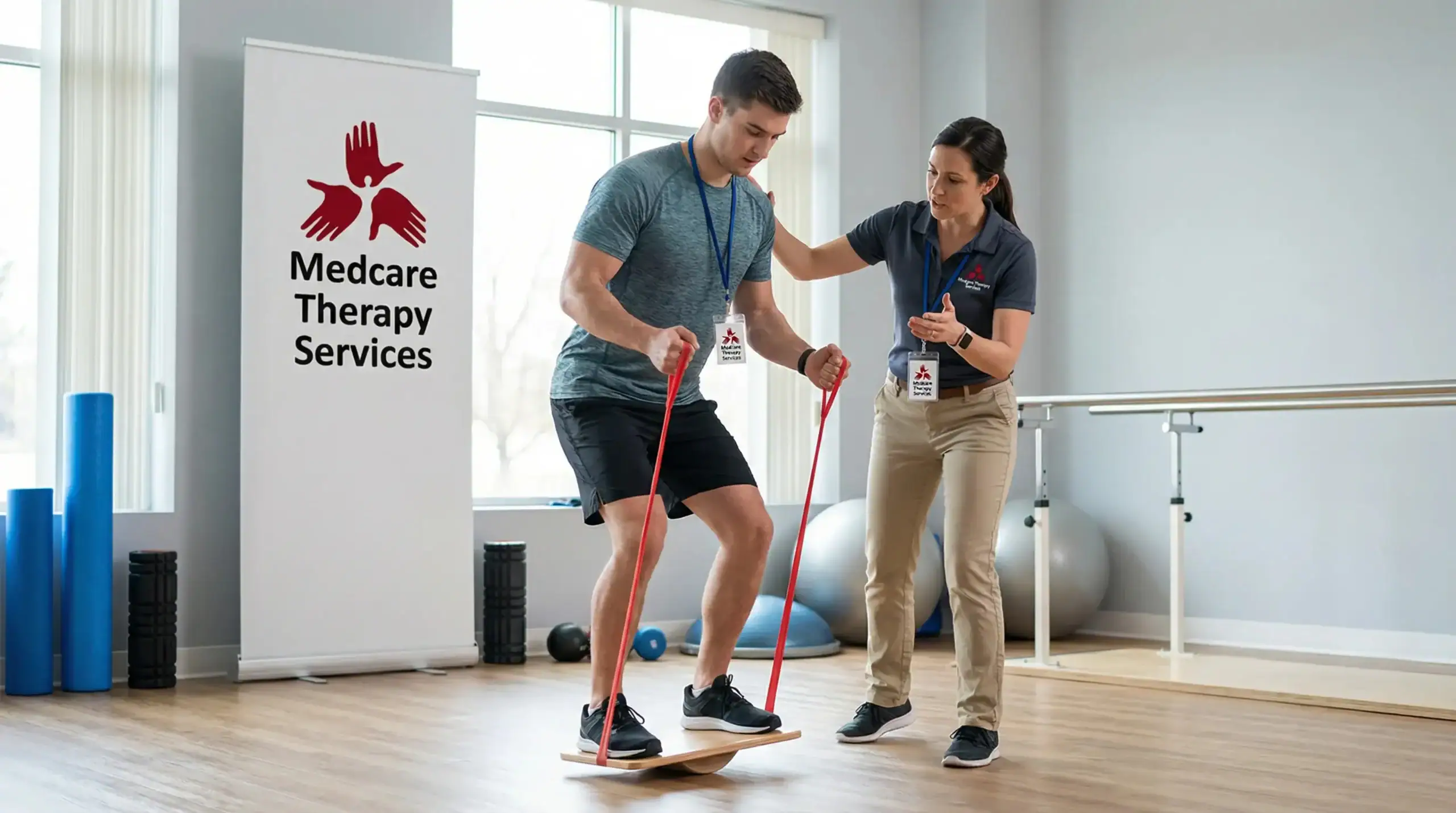
For many stroke survivors, balance training and gait re-education become central to recovery. Your brain needs to relearn how to coordinate the complex series of movements required for safe walking. That includes weight shifting, foot placement, maintaining an upright posture, and responding to changes in terrain or obstacles. Balance exercises challenge your center of mass in controlled ways, forcing your nervous system to adapt and improve.
Neurological rehabilitation at home offers some distinct advantages. Patients managed at home tend to have lower depression scores and fewer complications compared to those in institutional settings. They’re also more likely to still be living at home six months later. There’s something about recovering in your own space, surrounded by familiar objects and routines, that supports both physical and emotional healing.
The intensity matters as much as the location. Evidence-based treatments deliver measurable improvements in strength, balance, and mobility—but only when you’re getting enough therapy. Rehabilitation therapy doses are often too low after stroke, with patients receiving small and inconsistent amounts in traditional postacute care settings. Home-based programs can provide more consistent, higher-dose therapy because logistics become simpler.
Want live answers?
Connect with a Medcare Therapy Services expert for fast, friendly support.
The exercises you do during stroke rehabilitation aren’t random. They’re carefully selected based on what your brain needs to relearn and what your body needs to rebuild.
Post-stroke strength training addresses the muscle weakness that develops after a stroke. This isn’t just about the affected limbs feeling weak. Your muscles actually change—they lose mass, their fibers alter, and their mechanical properties shift. Strength training helps reverse these changes while also improving bone density and cardiovascular health.
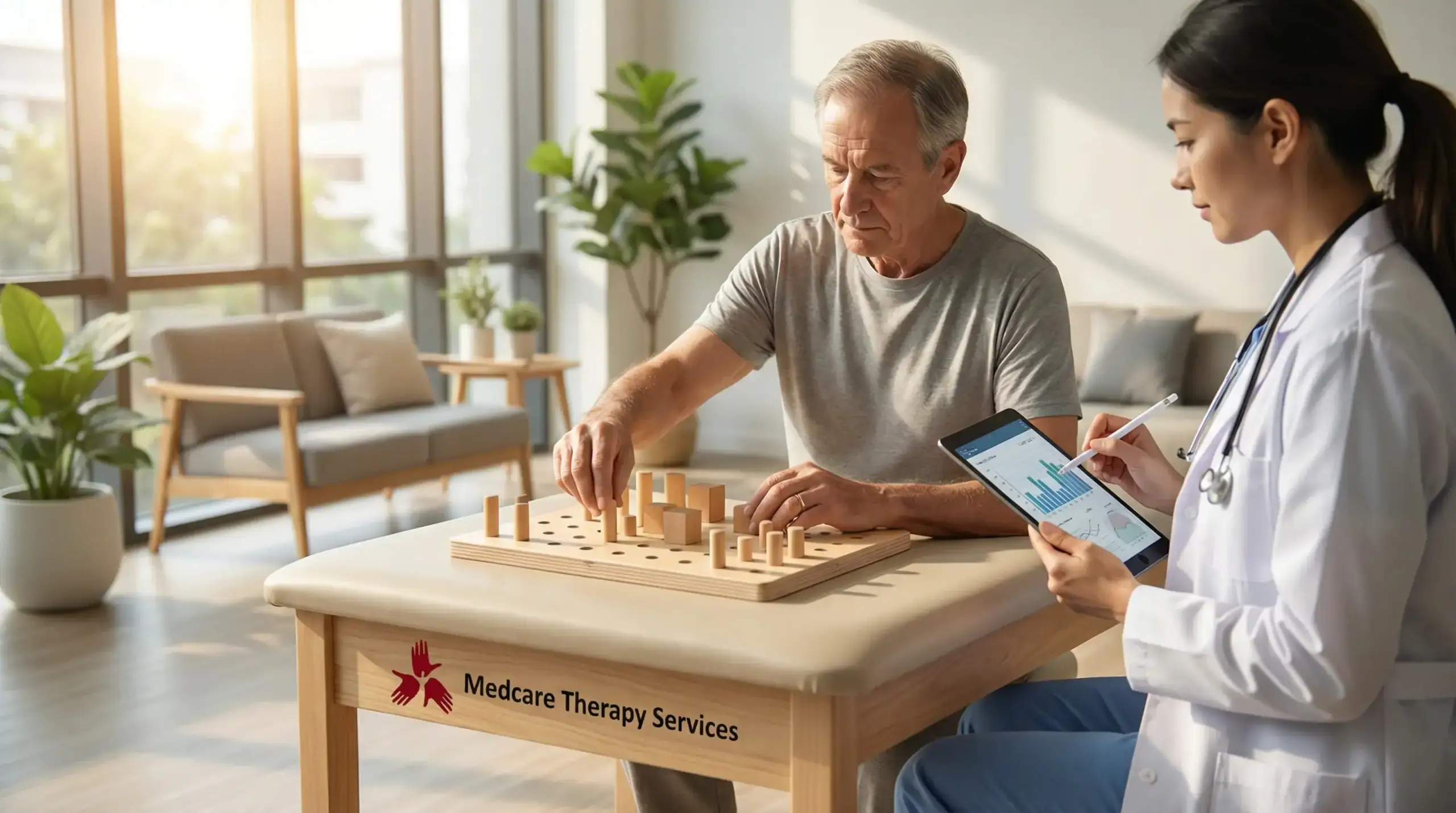
Improving coordination after stroke requires repetition and specificity. Your therapist might have you practice reaching for objects, manipulating items with your fingers, or coordinating movements between both hands. Each repetition helps your brain refine the motor commands and strengthen the neural pathways involved in that movement.
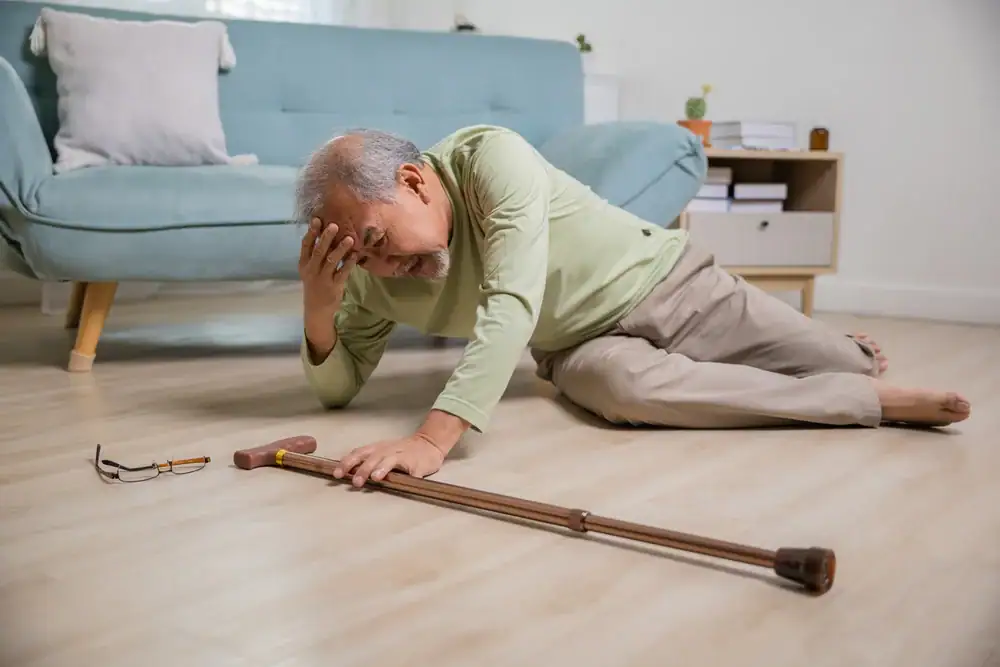
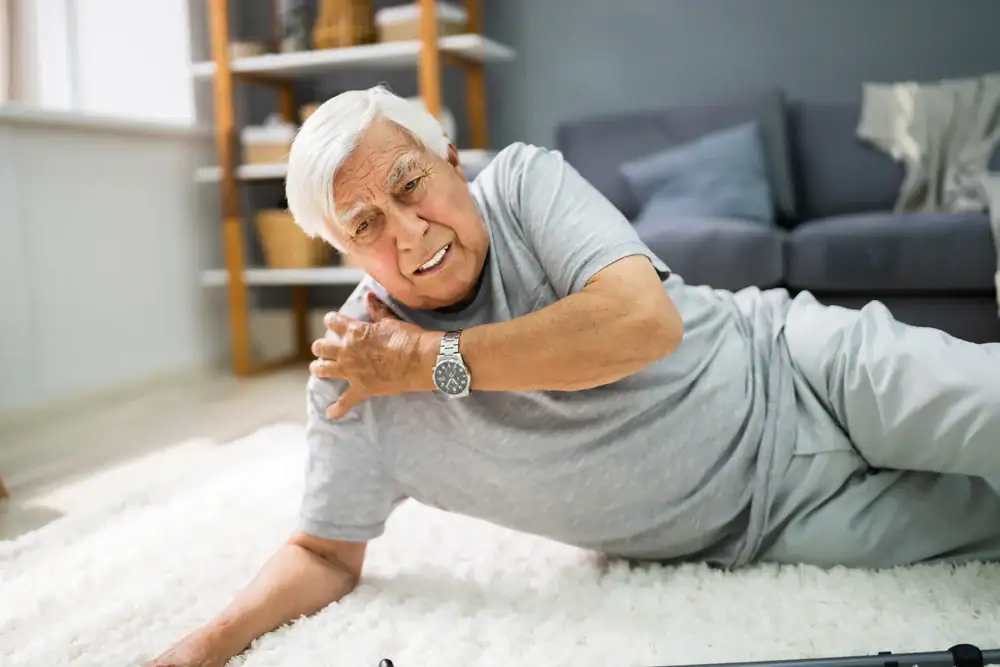
Balance problems affect the majority of stroke survivors. You might feel unsteady when standing, struggle to shift your weight, or fear falling. These aren’t irrational concerns—falls are a real risk during stroke recovery, and they can set back your progress significantly.
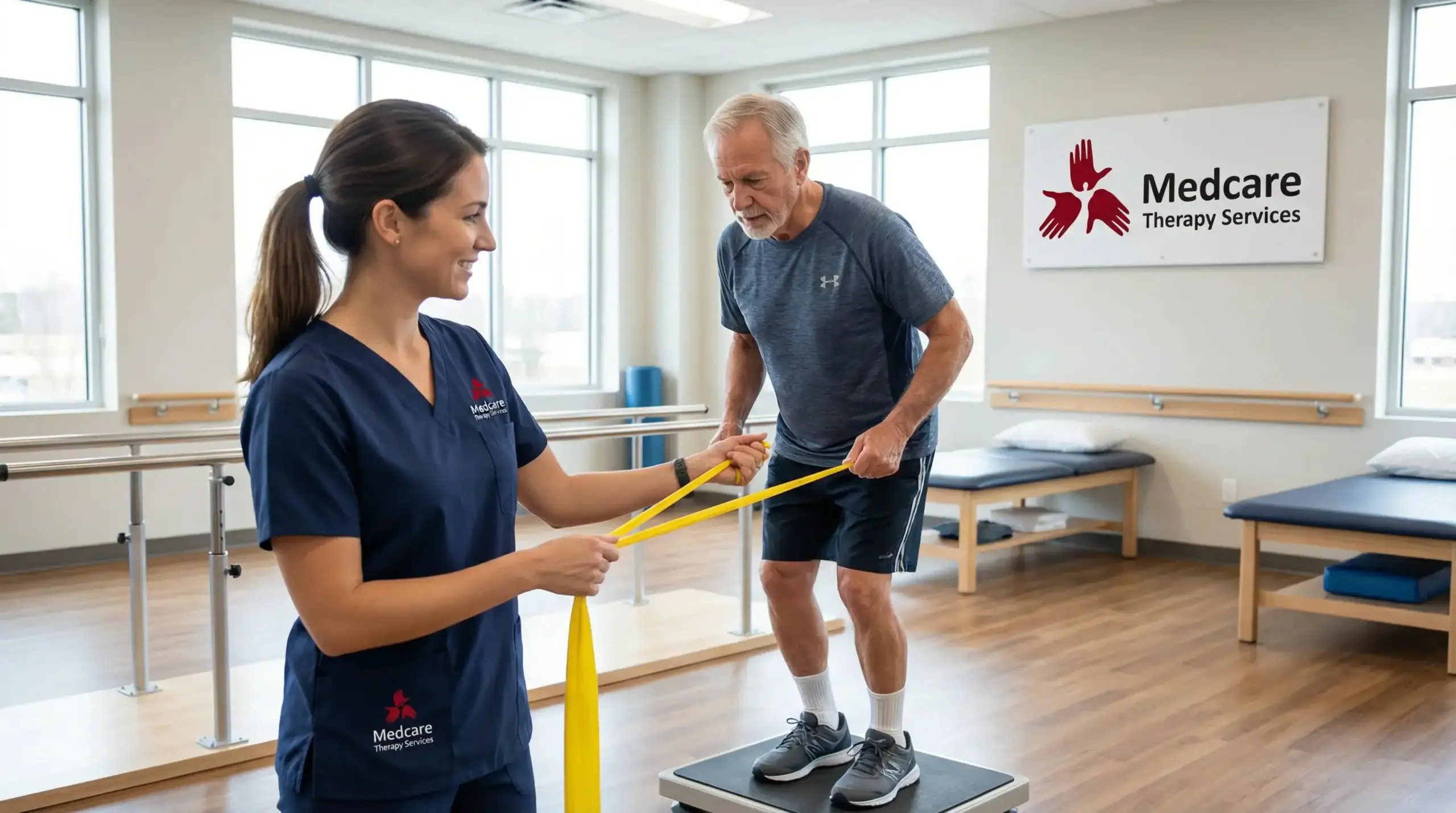
Balance training uses a progression of exercises that gradually challenge your stability. You might start with seated exercises, progress to standing with support, and eventually work on dynamic balance activities that mimic real-world situations. Slower movements like tai-chi-inspired exercises challenge your center of mass in controlled ways. Faster movements improve your ability to react and adjust when balance is threatened.
Gait re-education focuses specifically on walking. After a stroke, your walking pattern often changes—you might drag one foot, struggle to clear your toes, lean to one side, or walk slowly and cautiously. Gait training helps normalize these patterns through repetitive practice, weight-bearing exercises, and functional movements done in standing.
The goal isn’t just to walk. It’s to walk safely, efficiently, and with enough confidence that you’re willing to move around your home and community. Functional strengthening exercises done in standing force weight-bearing and muscle activity through the affected limb, improving bone density and challenging balance simultaneously.
Proprioceptive training enhances your sense of body position and movement. After a stroke, you might have reduced awareness of where your affected limbs are in space. This makes coordinated movement difficult and increases fall risk. Proprioceptive exercises retrain this sensory feedback system, improving coordination and movement control.
Research shows that muscle strengthening exercises can improve strength post-stroke without increasing spasticity—a common fear that kept many therapists from prescribing strength training in the past. We now know that strengthening is not only safe but essential for functional recovery.
Home-based neurological rehabilitation brings licensed therapists to your door. We assess your current abilities, identify safety concerns in your home environment, and develop a personalized treatment plan focused on your specific goals.
Sessions typically include physical therapy, occupational therapy, or both, depending on your needs. Your therapist guides you through exercises, monitors your form and effort, adjusts difficulty as you progress, and teaches family members how to support your recovery between sessions.
Therapy-based rehabilitation services targeted toward stroke patients living at home improve independence in personal activities of daily living. You’re practicing skills in the exact environment where you need to use them. If you struggle with kitchen tasks, your occupational therapist works with you in your actual kitchen. If stairs are a problem, you practice on your actual stairs with appropriate support and safety measures.
Medicare Part B covers qualifying in-home therapy with no surprise costs or hidden fees. Our therapists are fully licensed and experienced in home-based rehabilitation care. We understand the unique challenges of recovering at home and know how to adapt exercises and strategies to your living space and available equipment.
Home-based programs also address the practical reality that many stroke survivors can’t easily travel to clinics, especially when recovering from surgery, dealing with mobility issues, or managing chronic conditions. Eliminating the transportation barrier means you can receive more consistent therapy, which directly impacts outcomes.
Evidence shows that consistent and tailored physical activity leads to better functional outcomes and quality of life for stroke survivors, whether therapy happens in a hospital, clinic, or at home. What matters most is that therapy is intensive enough, specific enough, and sustained long enough to drive meaningful neuroplastic changes in your brain.
Recovery from a stroke doesn’t follow a predictable timeline. Some people regain function quickly. Others work for months or years to achieve meaningful gains. What research consistently shows is this: structured, intensive, early rehabilitation gives you the best chance at regaining independence and quality of life.
The decisions you make now matter. Starting therapy early—ideally within days or weeks of your stroke—takes advantage of the window when your brain is most receptive to change. Committing to consistent, focused therapy over months gives your nervous system the repetition it needs to rebuild lost function. Working with experienced therapists who understand neurological recovery ensures your effort is directed toward exercises and strategies that actually work.
If you’re in Suffolk County, NY or Nassau County, NY and looking for stroke rehabilitation that comes to you, we provide home-based physical and occupational therapy designed specifically for neurological recovery. Our licensed therapists have been helping stroke survivors regain function, strength, and independence since 2010.
Summary:
Article details:
Share: