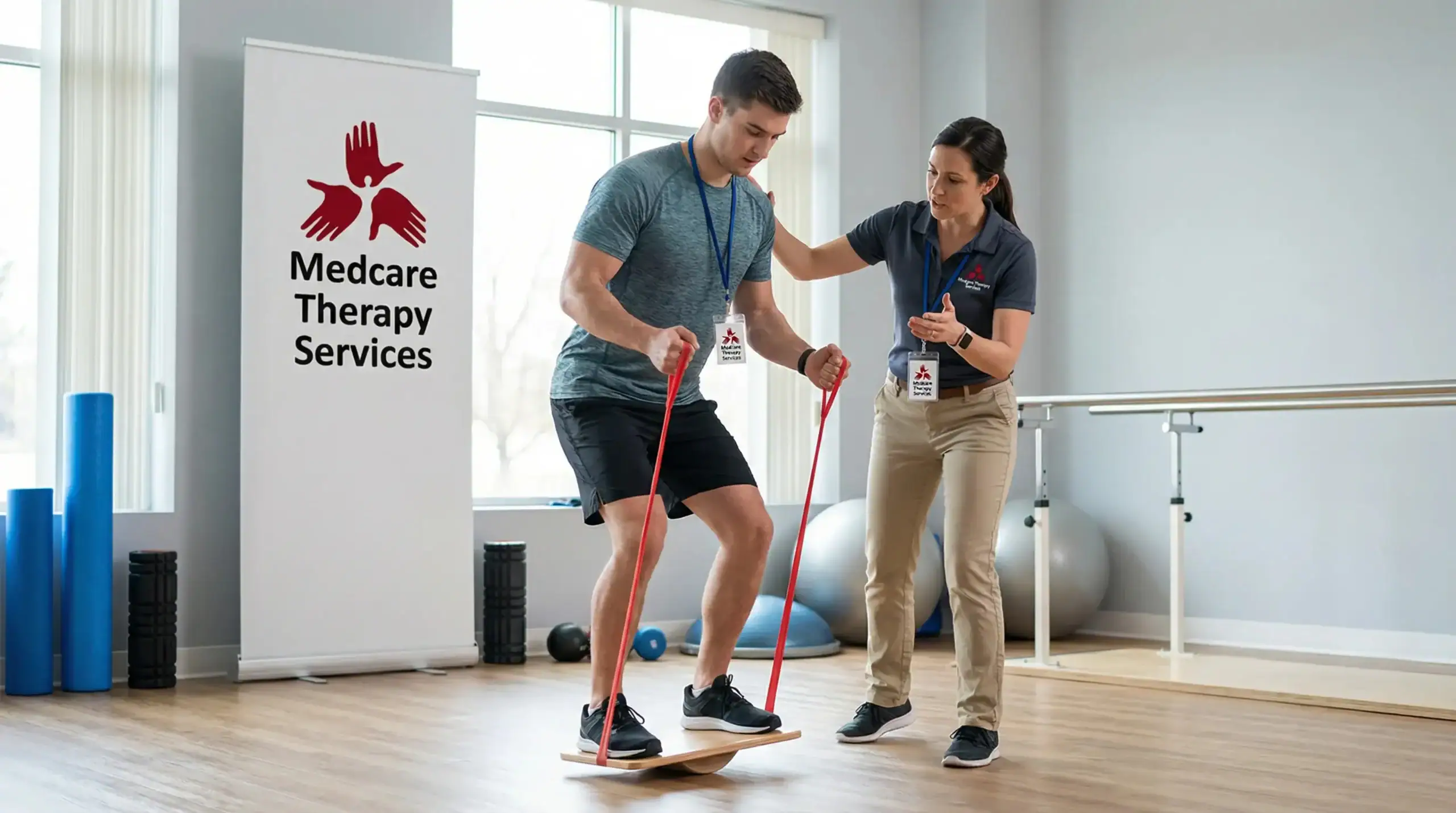
Pre-surgery conditioning and structured post-op rehab can cut complication risk by 40% while speeding your return to independence—here's what you need to know.
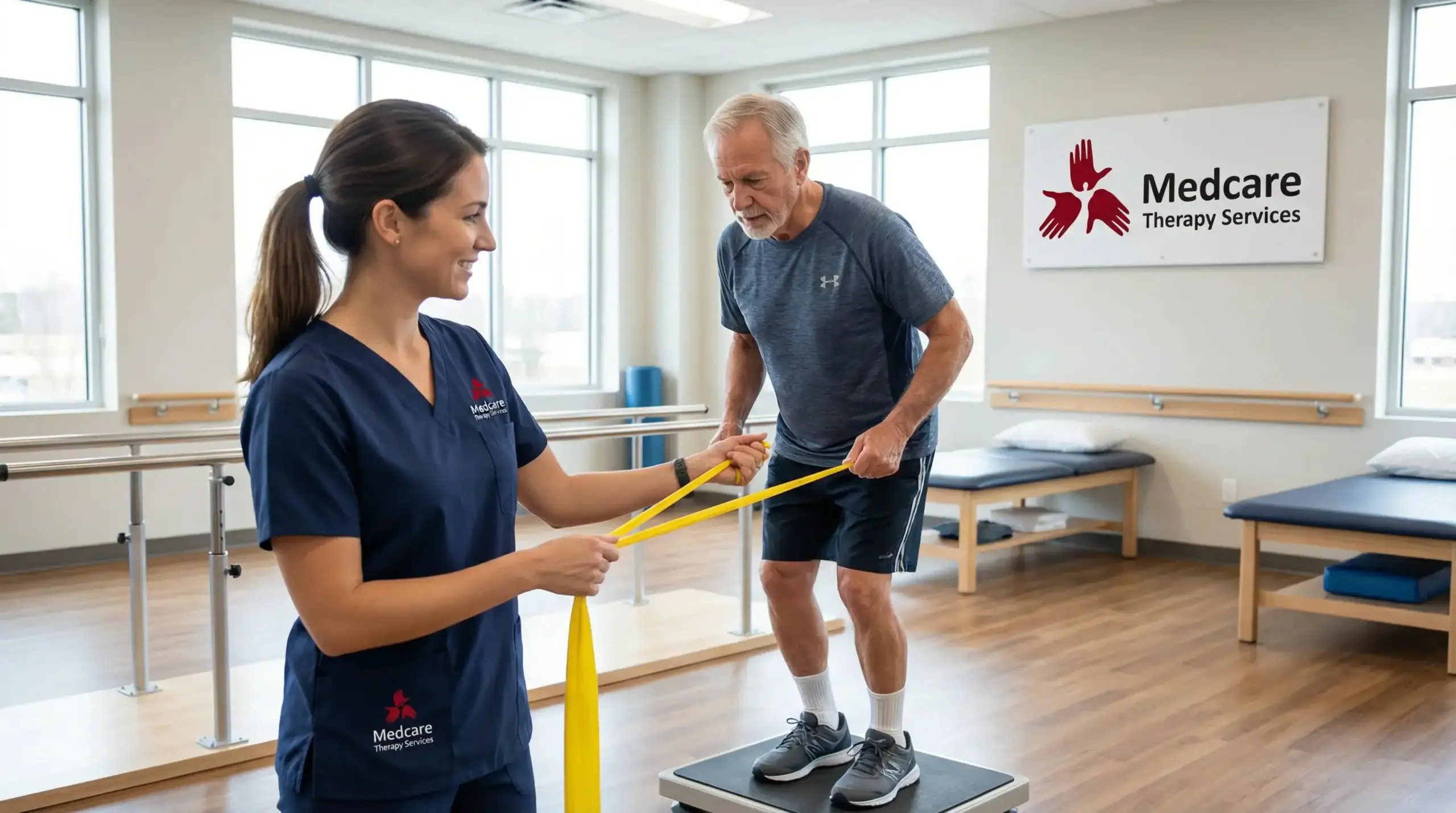
Think of surgery like running a race. You wouldn’t show up on race day without training. Your body needs the same preparation. Pre-surgery physical therapy—also called prehabilitation—builds your physical reserve before the procedure so you can handle the stress, heal faster, and avoid setbacks.
Recent research shows that patients who do structured exercise before surgery reduce their risk of complications by about 40%. They also leave the hospital roughly a day sooner. That’s not luck. It’s preparation.
When you strengthen muscles, improve circulation, and boost cardiovascular fitness ahead of time, you’re giving your body the tools it needs to recover. You’re also learning the movements and exercises you’ll need after surgery, which means less confusion and faster progress once you’re home.

Prehabilitation isn’t about becoming an athlete. It’s about getting your body ready for a specific challenge. Your physical therapist will assess your current strength, flexibility, and mobility, then design a program that targets the areas most affected by your upcoming surgery.
If you’re having a knee replacement, you’ll work on strengthening your quadriceps, hamstrings, and hip muscles. For shoulder surgery, the focus shifts to rotator cuff stability and range of motion. Spinal procedures often include core strengthening and posture training. The goal is always the same: build a foundation that supports healing.
You’ll also work on cardiovascular endurance. Surgery and recovery are physically demanding. Improving your heart and lung function means your body can deliver oxygen and nutrients to healing tissues more efficiently. That translates to less inflammation, better wound healing, and lower infection risk.
Most prehabilitation programs run for two to six weeks before surgery, depending on your timeline and current fitness level. Some patients see benefits in as little as two weeks. The key is consistency. Even short sessions—20 to 30 minutes a few times per week—can make a measurable difference in how you feel going into the operating room and how quickly you bounce back afterward.
And here’s something most people don’t realize: prehabilitation also reduces your need for post-acute care services. Studies show that one or two preoperative physical therapy sessions can cut the need for additional rehabilitation by nearly 30%, saving time, money, and stress during an already challenging period.
Your first session starts with an evaluation. Your therapist will review your medical history, discuss your surgery, and assess your current physical condition. They’ll test your strength, range of motion, balance, and functional movement patterns. This baseline helps them design a plan that’s specific to you—not a generic program pulled from a binder.
From there, you’ll begin targeted exercises. These might include resistance training with bands or light weights, stretching to improve flexibility, and functional movements that mimic daily activities. If balance is a concern, your therapist will incorporate stability exercises to reduce fall risk before and after surgery.
Education is a big part of prehabilitation too. Your therapist will explain what to expect during recovery, teach you proper body mechanics, and show you how to use assistive devices like walkers or crutches if needed. You’ll also learn the exercises you’ll be doing post-operatively, so there’s no guesswork when it’s time to start moving again.
Many patients find that prehabilitation reduces their anxiety about surgery. When you know what’s coming and feel physically prepared, you go into the procedure with more confidence. That mental readiness matters. Research shows that patients who feel informed and in control tend to experience better outcomes and fewer complications.
If you’re working with a home-based physical therapy provider, sessions happen in your own space. That means no commute, no waiting rooms, and no stress about getting to appointments when you’re already dealing with pre-surgery logistics. Your therapist comes to you, assesses your home environment, and makes sure you have what you need for a safe recovery.
Want live answers?
Connect with a Medcare Therapy Services expert for fast, friendly support.
Surgery is the intervention. Rehabilitation is the recovery. Without structured post-surgery rehab, you’re leaving your healing to chance. With it, you’re actively rebuilding strength, mobility, and function in a way that’s safe, measurable, and designed to get you back to the life you had—or better.
Post-operative rehabilitation typically begins within days of your procedure. Early movement is critical. It improves circulation, prevents blood clots, reduces stiffness, and kickstarts the healing process. Your therapist will guide you through gentle range-of-motion exercises, breathing techniques, and light activity that protects your surgical site while keeping your body engaged.
As you progress, the intensity increases. You’ll move from basic movements to strengthening exercises, balance training, and functional activities that prepare you for daily tasks. The timeline depends on your surgery type, overall health, and how well you’re responding to treatment. But the principle stays the same: gradual, consistent progress under professional guidance.

Recovery doesn’t happen all at once. It unfolds in phases, each with its own goals and challenges. Understanding what to expect at each stage helps you stay patient, stay motivated, and recognize progress even when it feels slow.
The first phase is all about protection and pain management. In the days and weeks immediately following surgery, your body is focused on healing the surgical site. Swelling and discomfort are normal. Your therapist will use techniques like ice, compression, and gentle movement to manage inflammation and prevent complications. You’ll start with simple exercises—ankle pumps, quad sets, gentle stretches—that keep blood flowing without stressing the area.
Phase two shifts to restoring range of motion and building early strength. This typically begins a few weeks post-surgery, once initial healing is underway. You’ll work on moving the affected joint or area through its full range, gradually increasing flexibility and reducing stiffness. Light resistance exercises help rebuild muscle that may have weakened from inactivity. This is also when you’ll start practicing functional movements—getting in and out of a chair, climbing stairs, reaching overhead—depending on your surgery type.
The third phase is about regaining full function and returning to your normal activities. By this point, your surgical site has healed, and the focus is on strength, endurance, and confidence. You’ll progress to more challenging exercises, sport-specific training if applicable, and activities that prepare you for work, hobbies, and daily life. Your therapist will continue to monitor your progress, adjust your program as needed, and make sure you’re moving safely and effectively.
Most people don’t realize how important this final phase is. It’s tempting to stop therapy once you feel “good enough.” But finishing the full program is what separates a decent recovery from an excellent one. Patients who complete their rehabilitation are less likely to experience long-term pain, re-injury, or functional limitations down the road.
Joint replacement and orthopedic surgeries are among the most common procedures requiring structured rehabilitation. Whether you’re recovering from a hip replacement, knee surgery, shoulder repair, or spinal procedure, the principles are similar—but the details matter.
After a knee replacement, early goals include achieving full extension (straightening the leg completely) and walking without a limp. Your therapist will guide you through exercises that strengthen the quadriceps, improve knee flexion, and restore normal gait patterns. You’ll also work on balance and stability to prevent falls during the vulnerable early recovery period.
Hip replacement recovery focuses on protecting the new joint while rebuilding strength in the glutes, hip flexors, and core. You’ll learn movement precautions—how to sit, stand, and move without dislocating the joint—and practice functional activities like getting in and out of a car or bed. Strengthening the muscles around the hip provides stability and reduces the risk of complications.
Shoulder surgery rehabilitation emphasizes regaining range of motion first, then building strength. Rotator cuff repairs, labral repairs, and shoulder replacements all require careful progression to avoid re-injury. Your therapist will use a combination of passive stretching, active movement, and resistance training to restore function without overloading healing tissues.
Spinal surgery recovery varies widely depending on the procedure. Fusion surgeries require careful attention to core stability and posture, while discectomies and decompressions focus on reducing nerve irritation and restoring mobility. Regardless of the approach, post-surgical rehab for the spine emphasizes safe movement patterns, gradual strengthening, and education about protecting your back during daily activities.
One of the biggest advantages of working with a physical therapist who specializes in surgical rehabilitation is the personalized approach. Your program is tailored to your specific surgery, your surgeon’s protocol, your current physical condition, and your functional goals. You’re not following a one-size-fits-all plan. You’re following a roadmap designed specifically for you.
The strongest recoveries don’t start in the hospital. They start weeks before, when you make the decision to prepare your body for what’s ahead. Pre-surgery physical therapy gives you the strength, mobility, and confidence to handle surgery and heal faster. Post-surgery rehab gives you the structure, support, and expertise to regain function and get back to your life.
You don’t have to do this alone. You don’t have to guess what’s normal or wonder if you’re doing the right exercises. And you don’t have to struggle with transportation or wait weeks for an appointment at a clinic. Professional, personalized rehabilitation can come to you—on your schedule, in your home, with no added stress.
If you’re preparing for surgery or recovering from one in Suffolk County or Nassau County, we’re here to help. Licensed therapists. Evidence-based programs. Medicare-covered care. And a commitment to walking with you through every step of your recovery.
Summary:
Article details:
Share: