What Smithtown, NY residents need to know before starting physical therapy — from Medicare coverage and direct access to in-home care and senior-specific programs.
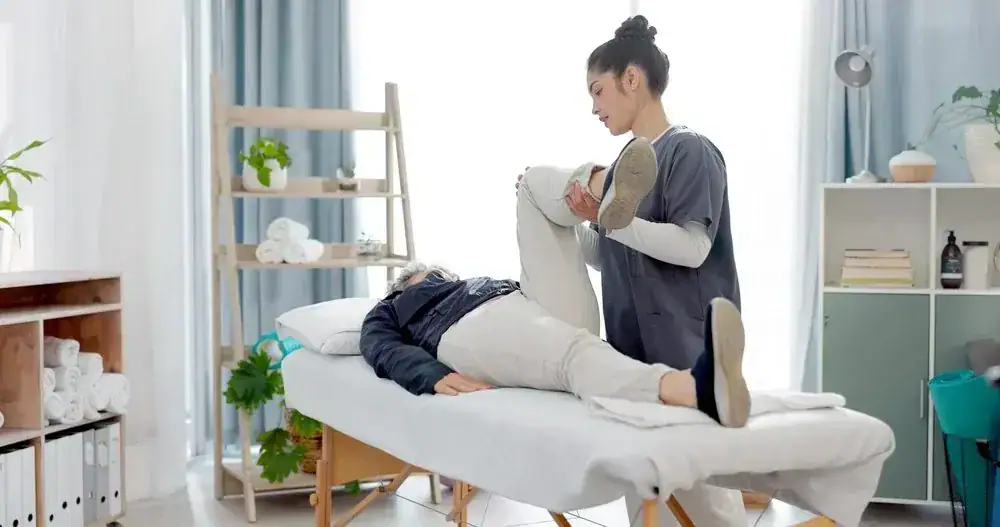
If you’ve recently left Stony Brook University Hospital, been referred by your doctor, or just noticed that getting around has become harder than it used to be — you’re probably trying to figure out your next step. Physical therapy is likely part of that picture. But between the chain clinics on Jericho Turnpike, the hospital-affiliated practices, and the providers you’ve seen pop up on Google, it’s not obvious who’s actually the right fit. This guide covers what Smithtown patients ask us most often: what to expect, what your insurance covers, and what to look for in a provider before you commit to anything.
Physical therapy isn’t just guided exercise. A licensed physical therapist evaluates how you move, identifies what’s limiting you, and builds a treatment plan around your specific condition and goals — whether that’s recovering from a hip replacement, managing lower back pain, or regaining balance after a fall.
In New York, every practicing physical therapist must hold a state license issued by the NYS Education Department. As of October 2024, new licensees are required to hold a doctoral degree in physical therapy. That’s the baseline credential. What separates a good experience from a frustrating one is usually less about credentials and more about how much individual attention you receive and whether the plan actually adjusts as you improve.
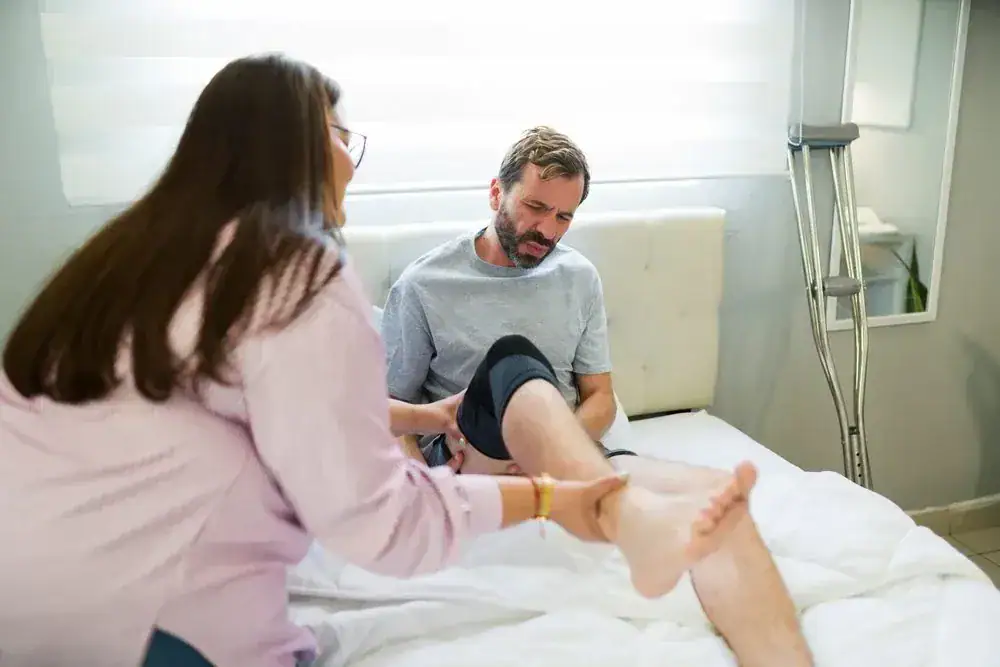
This is one of the most common questions we hear, and the answer surprises a lot of people. In New York State, you do not need a physician’s prescription to begin physical therapy — at least not right away. Under the state’s direct access law, you can start treatment for the first 30 days or 10 visits without a referral. After that threshold, a prescription is required to continue.
What this means practically: if you’re dealing with pain, stiffness, or a mobility issue right now, you don’t have to wait for a doctor’s appointment before booking your first PT session. You can call, schedule an evaluation, and get started. That matters more than most people realize. Recovery windows are real. The sooner you begin, the better your outcomes tend to be — especially after surgery or an acute injury.
For Smithtown patients who have just been discharged from Stony Brook University Hospital, this is particularly relevant. You may have a prescription in hand from your surgical team, or you may not. Either way, you don’t need to wait. The discharge process at a major academic medical center like Stony Brook moves quickly, and patients are often sent home with a list of follow-up tasks and not much guidance on where to go for outpatient PT. Knowing you can start immediately — without additional paperwork slowing things down — removes one barrier from an already stressful transition.
One more thing worth knowing: if you do have a referral, bring it. If you don’t, don’t let that stop you from calling. We’ll help you understand what you need and when.
Most physical therapy providers in Smithtown, NY offer one or the other. We offer both — and that distinction matters more than it might seem at first.
Our clinic is located at 100 Maple Avenue in Smithtown, just south of Main Street. It’s our flagship facility, and it’s where patients come for hands-on treatment, therapeutic exercise, and access to our full range of equipment. For patients who can drive, have a caregiver who can bring them, or simply prefer the structure of leaving the house for an appointment, in-clinic care works well.
But a meaningful portion of the patients we see in Smithtown can’t easily make that trip — at least not consistently. Maybe they’ve just had surgery and can’t drive yet. Maybe they’re managing a neurological condition that makes transportation difficult. Maybe they’re an older adult whose family is worried about them getting around safely in winter. For those patients, in-home therapy isn’t a lesser option. It’s often the better one.
When a therapist works with you in your own home, they’re treating you in the environment where you actually live — the hallway you walk down every morning, the stairs you navigate every day, the kitchen where you spend most of your time. That context is clinically valuable. It makes the therapy more functionally relevant. And it removes the logistical barrier that causes so many patients to skip appointments or stop treatment before they’ve fully recovered.
We cover in-home physical and occupational therapy across Suffolk County and Nassau County. The same licensed therapists who work in our Smithtown clinic are the ones who come to your home. The quality doesn’t change — the location does.
Want live answers?
Connect with a Medcare Therapy Services expert for fast, friendly support.
Physical therapy and occupational therapy are often mentioned in the same breath, but they serve different purposes — and many patients need both. Physical therapy focuses on movement, strength, pain management, and physical recovery. Occupational therapy focuses on your ability to perform the activities of daily life: getting dressed, preparing meals, bathing, managing your home safely.
For patients recovering from a stroke, a hip fracture, or a neurological event, occupational therapy is often just as essential as PT. We offer both disciplines at our Smithtown location and through our in-home program, which means you don’t have to coordinate between two separate providers at a time when you already have enough to manage.
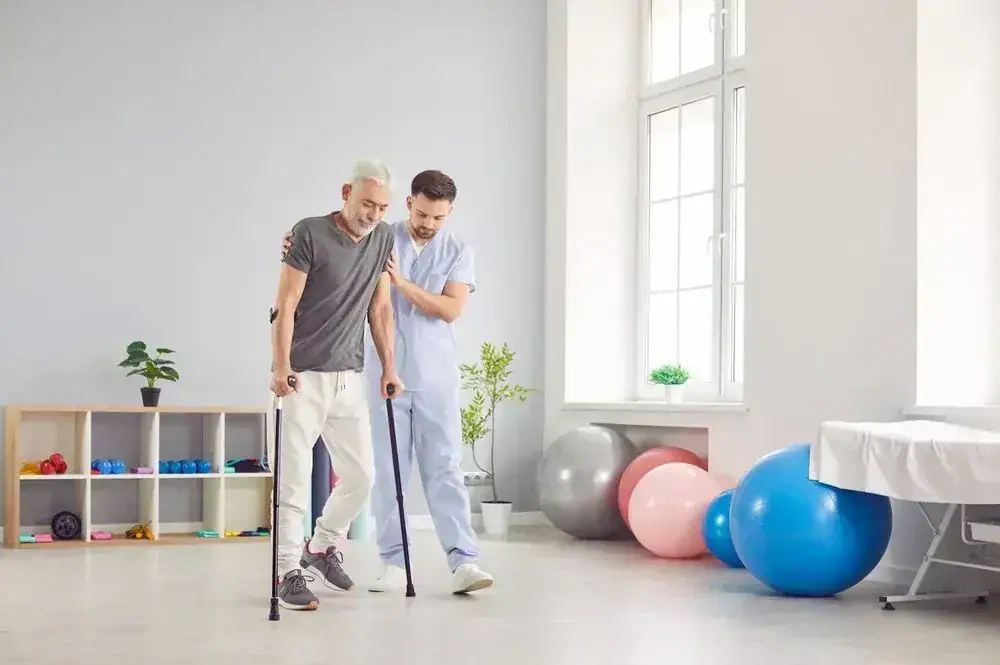
Your first appointment is an evaluation. Your therapist will review your history, assess your movement, identify where the limitations are, and set measurable goals with you. That last part — the goal-setting — matters. A good treatment plan isn’t vague. It tells you what you’re working toward, how you’ll know when you’re making progress, and roughly how long the process should take.
From there, sessions typically involve a combination of hands-on manual therapy, guided therapeutic exercise, neuromuscular re-education, and patient education. That last component — education — is something we take seriously. We explain what we’re doing and why. We show you what to do between visits. We want you to understand your own recovery, not just show up and follow instructions.
One thing worth knowing before you choose any provider: ask how your sessions are structured. In high-volume clinics, it’s common for a therapist to manage four, five, or even six patients simultaneously, with aides filling in the gaps. That model exists because it’s financially efficient. It’s not always in your best interest as a patient. At our Smithtown clinic, we don’t overbook our schedule. You see your licensed therapist one-on-one, every session. That’s a structural commitment, not a marketing line.
For Smithtown residents, this is a meaningful distinction. The area has several large multi-location chains with strong name recognition. Some of them do excellent work. But if you’ve had a PT experience before where you felt like you were being moved through a system rather than actually treated, it’s worth asking the question before you book.
Smithtown has a notably older population — nearly one in five residents in the town is over 65, and the median age in the community sits around 47. That’s not just a demographic footnote. It shapes what physical therapy needs look like here, and it’s why we’ve built a significant part of our practice around senior care specifically.
Fall prevention is the most urgent issue for many of our older patients and their families. We offer the OTAGO program, an evidence-based fall prevention protocol developed through rigorous clinical research, alongside SilverSneakers and Senior Personal Training. These aren’t generic balance exercises. They’re structured, validated programs with measurable outcomes.
For adult children coordinating care for a parent in Smithtown, the in-home option is often the most practical path forward. It removes the transportation problem entirely, and it allows the therapist to assess the actual home environment — identifying fall hazards, recommending modifications, and working with your parent in the space where they spend most of their time. We’ve worked with many families in this situation, and we understand that the person making the call isn’t always the patient. If you’re researching options on behalf of a parent or family member, we’re happy to walk you through what the process looks like before anyone commits to anything.
We also accept Medicare for both in-clinic and in-home services. One thing that surprises many patients: the annual dollar cap on Medicare physical therapy coverage was eliminated in 2018. Medicare Part B covers medically necessary outpatient PT without a hard limit on visits. If you’ve been putting off PT because you weren’t sure what it would cost, that’s worth knowing.
Smithtown has no shortage of physical therapy options. What it has less of is providers who combine in-clinic and in-home care under one roof, specialize in senior programs, accept Medicare, and have been treating patients in this specific community for 25 years. That combination isn’t accidental — it reflects what the people here actually need.
Whether you’re coming off a procedure at Stony Brook, managing a condition that’s been slowing you down, or trying to stay ahead of the fall risk that comes with getting older, the right provider makes a real difference in how well and how quickly you recover.
If you have questions or want to understand what care would look like for your situation, reach out to us directly. We’re here to help you figure out the right next step — no pressure, no runaround.
Summary:


Article details:
Share: