
You wake up and your first thought isn’t about whether your knee will hold up on the stairs. You don’t second-guess a walk on the beach because your balance feels off. You’re not white-knuckling it through daily tasks, hoping the pain doesn’t flare.
That’s what physical therapy actually does. It gives you back the movement you’ve been avoiding and the confidence you didn’t realize you’d lost.
Most people who come to us aren’t looking for a miracle. They just want to feel stable again. They want to reduce their fall risk, manage joint pain without more pills, or recover properly after surgery so they’re not dealing with complications six months down the road. Research shows that 79% of physical therapy patients report significant pain reduction after treatment, and fall risk drops by about 25% with the right balance and gait training.
You’re not starting from scratch. You’re working with someone who understands what’s limiting you and knows how to address it without wasting your time.
We’ve been serving patients across Long Island for years, including our locations in Smithtown and Speonk. We’re not new to this area, and we’re not new to treating the kinds of issues that come with aging, surgery recovery, or chronic pain.
What sets us apart isn’t flashy marketing. It’s that we actually listen, we build treatment plans around your goals, and we don’t drag things out longer than necessary. You’re working with licensed professionals who stay current on best practices and who’ve seen just about every scenario you can imagine.
West Hampton Dunes is a small, tight-knit community where people value quality and consistency. We get that. Our patients tend to be active, independent, and not interested in cookie-cutter care. That’s exactly the kind of person we’re built to serve.

First, we sit down and talk. Not a rushed intake form—a real conversation about what’s bothering you, what you’ve tried, and what you’re hoping to get back to. We’ll do a full evaluation to see how you’re moving, where the limitations are, and what’s causing the problem.
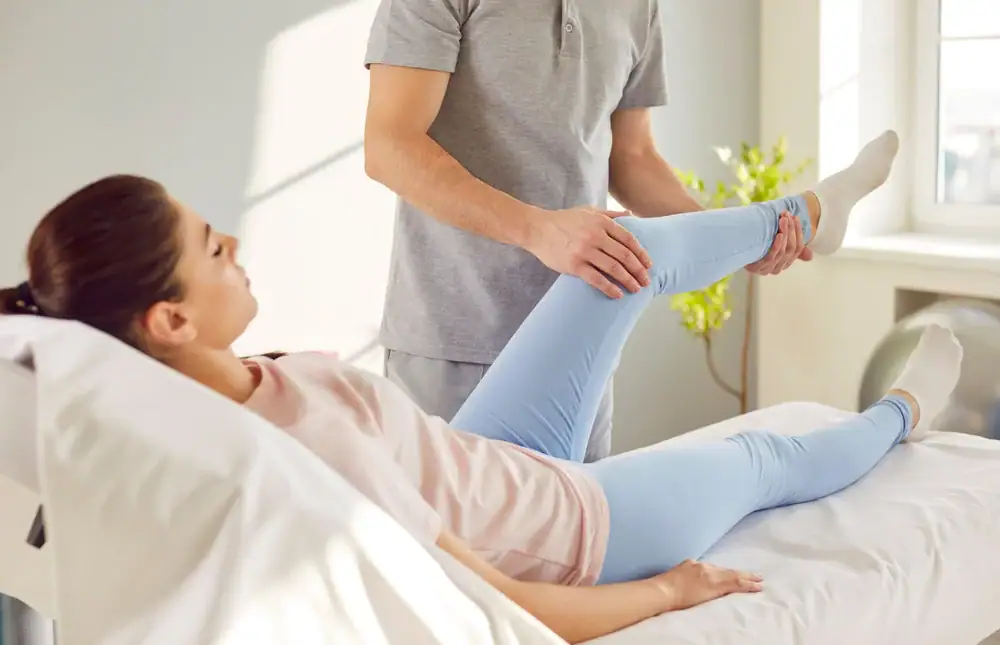
From there, we build a treatment plan that’s specific to you. That might include therapeutic exercise to rebuild strength, balance and proprioceptive training if you’re feeling unsteady, gait training to improve how you walk, or neuromuscular re-education if your body’s compensating in ways that are making things worse. If you’re recovering from surgery, we’ll map out pre and post surgery rehabilitation so you heal right the first time.
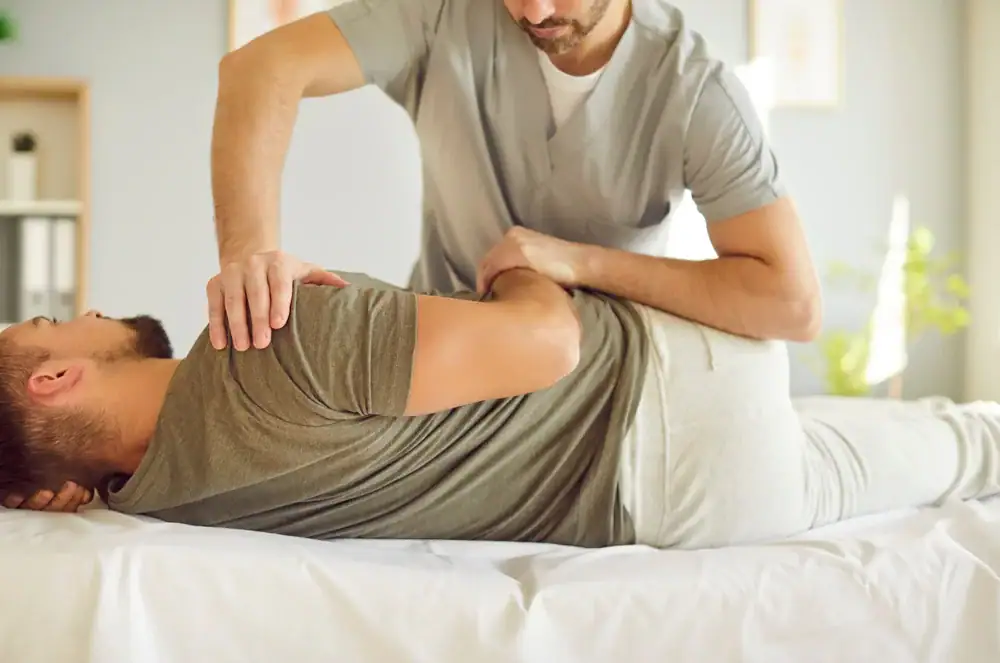
Sessions are hands-on. You’re not left alone with a handout and some resistance bands. We guide you through every exercise, adjust as needed, and make sure you understand why you’re doing what you’re doing. Most people start feeling improvement within a few weeks, but the timeline depends on your condition and how consistent you are with the work.
If getting to our office is difficult, we also offer in-home physical therapy. Same quality care, just in a setting that works better for your situation.
Ready to get started?
Our services cover the full spectrum of what people in West Hampton Dunes typically need. Fall prevention is a big one—especially in a community where the median age is over 50 and people want to stay active without the constant worry of losing their balance. We use targeted balance training, strength work, and gait analysis to reduce that risk.
Joint pain treatment is another common reason people come in. Whether it’s arthritis, an old injury, or post-surgical discomfort, we focus on reducing inflammation, restoring range of motion, and building strength around the affected area. For stroke survivors or anyone dealing with neurological issues, our stroke rehabilitation and neurological rehabilitation programs help you regain function and adapt to new limitations.
We also treat people recovering from injuries—sports-related, accident-related, or just wear and tear. Injury rehabilitation here isn’t about rushing you back too soon. It’s about making sure your body is actually ready so you don’t end up back at square one. And for those managing chronic conditions or needing occupational rehabilitation to get back to work or daily tasks, we build practical, goal-oriented plans that fit your life.
This area has a high concentration of people who are used to premium care and expect results. We’re set up to meet that standard without the runaround.
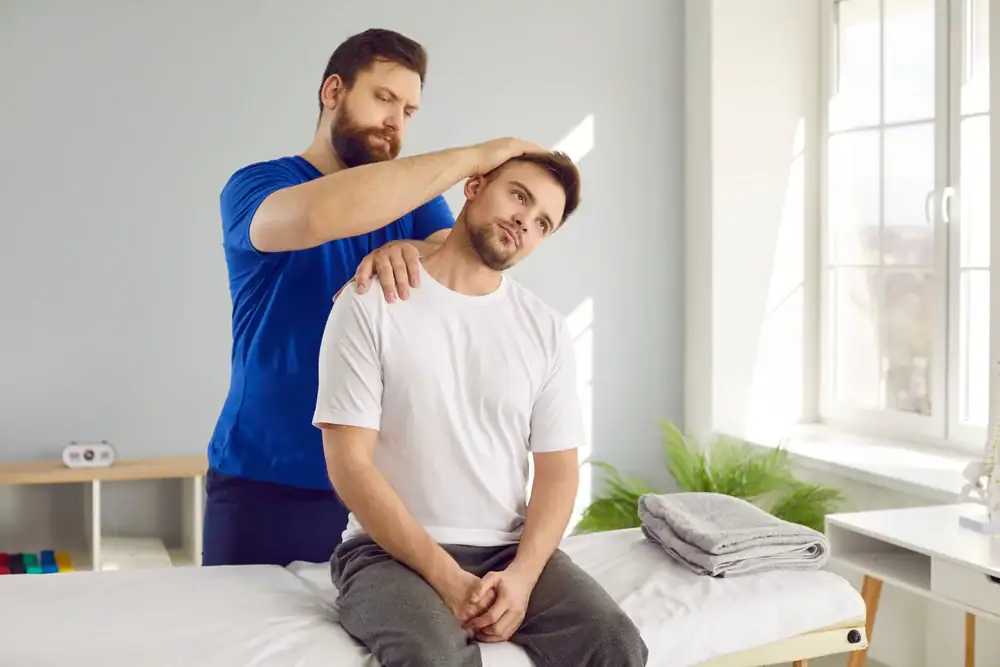
Most people notice some improvement within two to three weeks, but that depends on what we’re treating and how severe it is. If you’re dealing with acute pain from a recent injury, you might feel relief faster. Chronic issues or post-surgical recovery usually take longer because we’re rebuilding strength and mobility that’s been compromised for a while.
Consistency matters more than anything. If you’re coming to sessions regularly and doing the exercises we give you at home, you’ll see progress. If you’re skipping sessions or not following through, it’s going to take longer. We’ll give you a realistic timeline during your evaluation so you know what to expect.
The goal isn’t just to make you feel better temporarily. It’s to address the root cause so the problem doesn’t keep coming back.
In New York, you can access physical therapy without a referral for up to 10 visits or 30 days, whichever comes first. After that, you’ll need a physician’s referral to continue treatment if it’s necessary. Most people find that helpful because it means you can get started right away without waiting for an appointment with your doctor.
That said, if you’re planning to use insurance, it’s worth checking with your provider. Some plans require a referral upfront, even though state law doesn’t. We can help you navigate that during your first call.
If you’ve already seen a doctor and they’ve recommended physical therapy, bring any imaging or notes from that visit. It helps us understand what’s already been ruled out and gets you into treatment faster.
Physical therapy focuses on improving movement, strength, balance, and pain management. If you’re having trouble walking, recovering from surgery, or dealing with chronic pain, that’s typically physical therapy. Occupational therapy is more about helping you perform daily tasks—things like getting dressed, cooking, or managing work-related activities after an injury or illness.
There’s overlap, and sometimes people benefit from both. For example, if you’ve had a stroke, physical therapy might help you regain the ability to walk, while occupational therapy helps you relearn how to use your hands for everyday tasks. We offer both, and we’ll recommend what makes the most sense for your situation.
You’re not locked into one or the other. If we think you’d benefit from a combination, we’ll talk through it and adjust your plan accordingly.
In some cases, yes. Physical therapy can be just as effective as surgery for certain conditions, especially things like meniscus tears, rotator cuff issues, and degenerative joint problems. A lot of orthopedic surgeons will recommend trying physical therapy first because it’s less invasive, has no recovery time, and often resolves the issue without needing to go under the knife.
That doesn’t mean physical therapy replaces surgery in every situation. If you have a severe tear, advanced arthritis, or structural damage that can’t be corrected with exercise and manual therapy, surgery might still be the right call. But even in those cases, doing physical therapy before surgery (called prehabilitation) can improve your outcomes and speed up recovery afterward.
The point is to give your body a real chance to heal and strengthen before committing to a more aggressive intervention. If surgery ends up being necessary, you’ll be in better shape going into it.
Most people start with two to three sessions per week, especially in the early stages when we’re addressing pain, restoring mobility, or working through post-surgical recovery. As you improve, we typically scale back to once a week, then move into a maintenance phase where you’re mostly working independently with occasional check-ins.
The frequency depends on your condition and your goals. If you’re recovering from a major surgery or dealing with a neurological issue, you might need more intensive treatment upfront. If you’re managing a chronic condition or working on fall prevention, we might spread sessions out from the beginning.
We’re not interested in keeping you coming in longer than necessary. The goal is to get you strong and stable enough that you don’t need us anymore. We’ll adjust the schedule as you progress and make sure you’re not wasting time or money on sessions you don’t need.
Yes. If getting to our office is difficult—whether because of mobility limitations, transportation issues, or just convenience—we can bring physical therapy to you. In-home physical therapy works the same way as in-office treatment. We do the evaluation, build your plan, and guide you through exercises in your own space.
For some people, in-home therapy is actually better because we can assess how you’re moving in your real environment. We can identify fall risks in your home, work on functional tasks like getting in and out of bed or navigating stairs, and make recommendations that are specific to your daily routine.
It’s the same quality care, just in a setting that makes more sense for your situation. If you’re interested, let us know during your first call and we’ll set it up.
Other Services we provide in West Hampton Dunes