
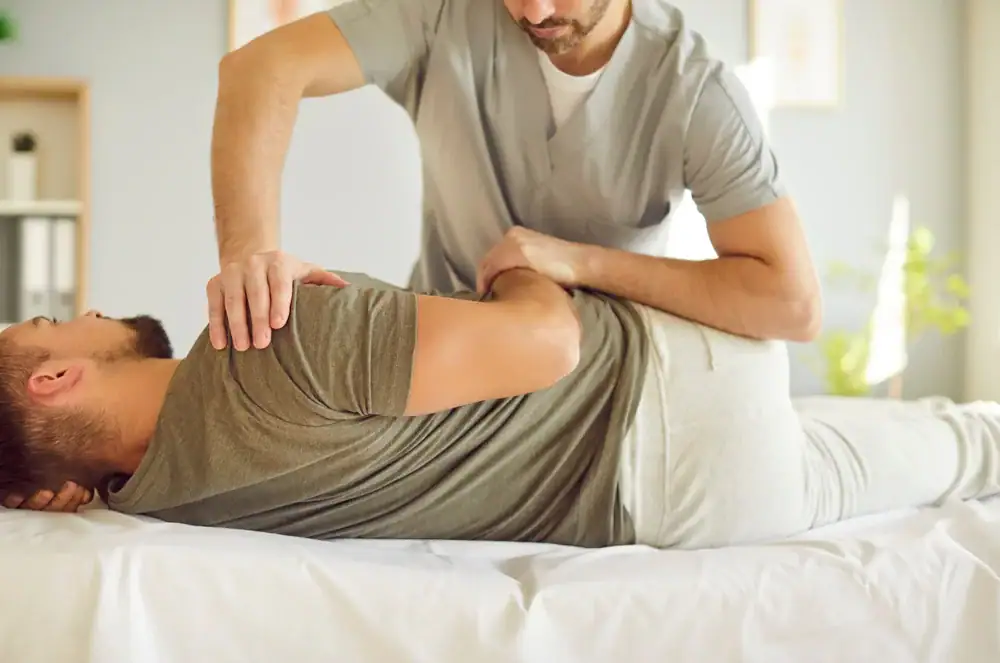
You stop thinking about every step you take. That’s what happens when balance training and gait training actually work—you walk into the grocery store without planning your route around grab bars.
The fear of falling starts to fade when your body remembers how to catch itself. After stroke rehabilitation or neurological rehabilitation, you’re not just doing exercises—you’re relearning how to trust your own movement again. That confidence doesn’t come from motivation posters. It comes from repetition, proper technique, and a physical therapist who knows the difference between pushing you and pushing too hard.
Joint pain that’s been running your schedule for months starts to lose its grip. You can pick up your grandkid. You can sleep without waking up stiff. You stop canceling plans because you’re not sure your knee will cooperate. Therapeutic exercise and resistance training rebuild what time, surgery, or injury took away—and you get to decide what normal looks like on the other side.
We’ve been treating patients across Long Island for years, including right here in West Babylon. We’re not new to this area, and we’re not learning on your time.
Our therapists are licensed, experienced, and trained in everything from post surgery rehabilitation to occupational therapy. We work with most major insurance plans, and you don’t need a referral to start treatment. That means less waiting and fewer hoops when you’re already dealing with enough.
West Babylon has plenty of therapy options, and we know that. What sets us apart isn’t flashy marketing—it’s that our patients keep coming back and sending their families. We also offer in-home physical therapy when getting to a clinic isn’t realistic. You’re not just another appointment on the schedule.

You call or book online, and we get you in fast—often within a few days. No referral needed for most insurance plans. When you arrive, your first session isn’t about upselling you. It’s about understanding what’s wrong, what’s been tried, and what your actual goals are.
Your physical therapist will do a full assessment. That includes testing your range of motion, strength, balance, and how you move through daily activities. If you’re recovering from surgery, we look at the surgical notes. If you’ve had a stroke, we evaluate which areas need the most attention. This isn’t a cookie-cutter plan.
From there, we build a treatment plan based on what your body needs—not what sounds good on paper. You might do balance and proprioceptive training if you’re at risk of falling. You might focus on neuromuscular re-education after a neurological event. You’ll do therapeutic exercise and resistance training that’s specific to your condition, and we adjust as you improve. Every session has a purpose, and we’ll tell you exactly what that purpose is.

Ready to get started?
Fall prevention is one of the most requested services we offer in West Babylon, and for good reason. One in four adults over 65 falls every year, and the fear of falling again can be just as limiting as the injury itself. We use balance training, gait training, and strength work to reduce that risk by as much as 37%, according to clinical research.
If you’re recovering from surgery, our pre and post surgery rehabilitation gets you moving safely and quickly. We’ve worked with patients after knee replacements, hip surgeries, rotator cuff repairs, and spinal procedures. The goal is to restore function without setbacks. If you’re dealing with chronic joint pain, we use a combination of manual therapy, therapeutic exercise, and movement retraining to address the root cause—not just mask the symptoms.
Stroke rehabilitation and neurological rehabilitation require a different approach. You’re not just healing tissue—you’re retraining your brain and body to work together again. That takes time, patience, and a therapist who’s done it before. We also treat patients recovering from injuries—sports injuries, car accidents, workplace incidents—and help them return to work, sports, or just normal life. For patients who can’t travel, we provide in-home physical therapy with the same level of care you’d get in our clinic.
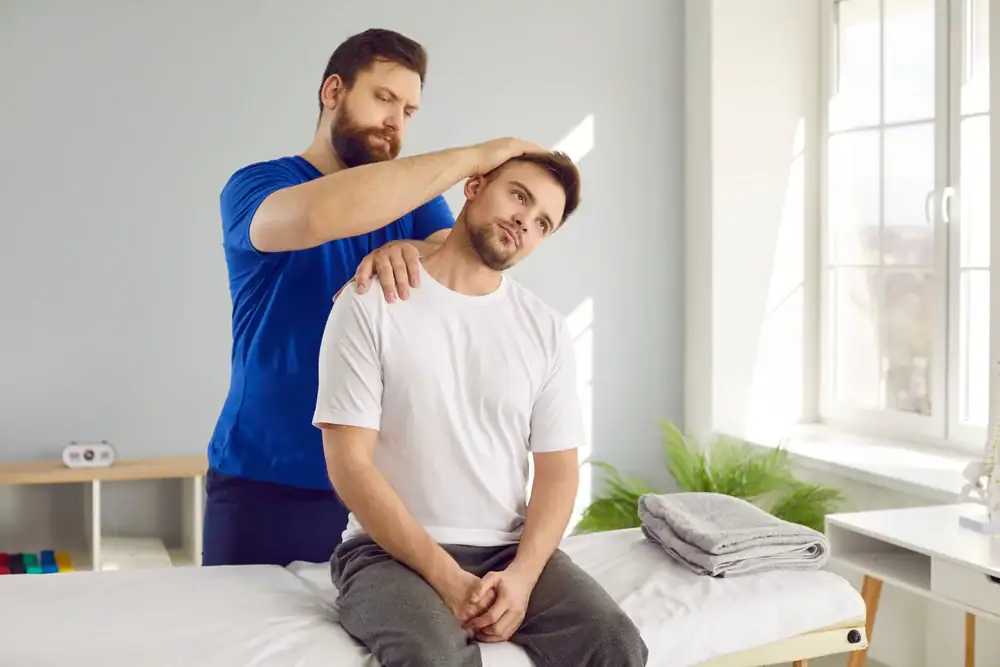
No, you don’t need a referral for most insurance plans in New York. That’s called direct access, and it’s been the law here for years.
You can call us, book an appointment, and start treatment without waiting on your doctor to send paperwork. We’ll verify your insurance when you schedule, and we’ll let you know if your specific plan requires a referral—but most don’t. If you’re paying out of pocket, you definitely don’t need one.
This saves you time. If you’re dealing with pain, balance issues, or recovery from an injury, waiting two weeks for a doctor’s appointment just to get a referral doesn’t make sense. We can usually get you in within a few days and start addressing the problem right away.
It depends on what’s wrong and how long it’s been wrong. Some people feel better after a few sessions. Others need weeks or months, especially if they’re recovering from surgery or a stroke.
A typical treatment plan runs anywhere from four to twelve weeks, with sessions two to three times per week. That’s not a hard rule—it’s based on your condition, your progress, and your goals. If you’re doing fall prevention or balance training, you might see improvement in stability within the first few weeks. If you’re rehabbing a torn rotator cuff, expect a longer timeline.
We check in regularly and adjust your plan as you improve. If something’s not working, we don’t just keep doing it. And if you’re progressing faster than expected, we’re not going to drag it out. You’ll know where you stand at every step.
Wear something comfortable that lets you move. That usually means athletic clothes—shorts, sweatpants, a t-shirt, and sneakers.
If we’re working on your shoulder, don’t wear a tight jacket or button-up shirt. If we’re treating your knee or hip, don’t show up in jeans. We need to see how your joints move, and we need access to the area we’re treating. You don’t need anything fancy—just functional.
If you’re coming from work and can’t change beforehand, bring a change of clothes. We have a private area where you can switch. And if you’re doing in-home physical therapy, the same rules apply—we just come to you.
Most insurance plans cover physical therapy, but your specific coverage depends on your plan. We accept most major insurances, including Medicare, and we’ll verify your benefits before your first appointment.
Some plans cover a set number of visits per year. Others require a copay or coinsurance. A few have a deductible you’ll need to meet first. We’ll walk you through what your plan covers and what you’ll owe, so there are no surprises.
If you don’t have insurance or your plan doesn’t cover therapy, we offer self-pay options. The cost per session varies depending on what treatment you need, but we’ll give you a clear number upfront. A lot of people assume therapy is out of reach, but once they see the actual cost, they realize it’s manageable—and worth it.
Yes, and the research backs it up. Physical therapy that includes balance training, gait training, and strength work can reduce fall risk by up to 37%.
Falls aren’t just about being clumsy or getting older. They happen because your balance system isn’t working the way it should—whether that’s due to muscle weakness, inner ear problems, poor vision, or neurological issues. We assess all of those factors and build a program that addresses your specific risks.
You’ll do exercises that challenge your balance in a controlled way, so your body learns how to react when you’re caught off guard. You’ll work on strengthening your legs and core, which are critical for stability. And you’ll practice walking patterns that improve your gait and coordination. It’s not about wrapping you in bubble wrap—it’s about making you stronger and more confident so you can move through your day without fear.
Physical therapy focuses on movement—how you walk, balance, bend, lift, and use your body. Occupational therapy focuses on daily activities—how you get dressed, cook, bathe, and function at home or work.
There’s overlap, and sometimes you need both. If you’ve had a stroke, physical therapy helps you regain strength and coordination in your legs so you can walk again. Occupational therapy helps you regain fine motor skills in your hands so you can button your shirt or use a fork.
We offer both services, and your therapist will let you know if occupational therapy would help. A lot of people start with physical therapy and add occupational therapy later, or vice versa. It’s not one or the other—it’s whatever gets you back to doing what you need to do.
Other Services we provide in West Babylon