

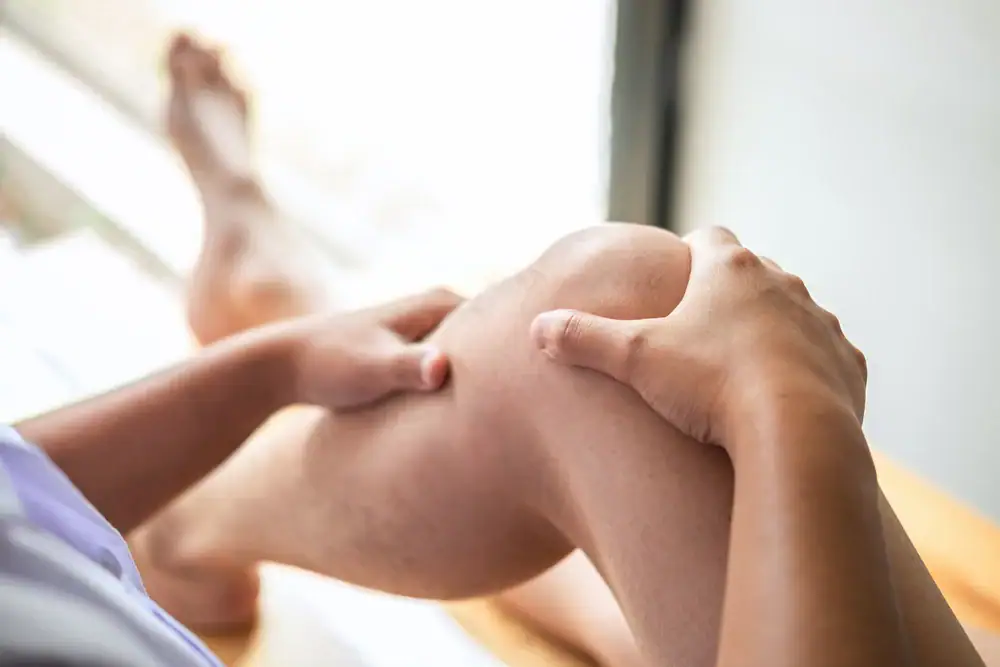
You’re not looking for temporary relief. You want to walk without worrying about falling again. You want to pick up your grandkid without that sharp pain in your shoulder. You want to get through your day without constantly thinking about what hurts.
That’s what physical therapy should do. Not just manage symptoms, but actually help you get stronger, move better, and trust your body again.
Whether you’re recovering from surgery, dealing with chronic joint pain, or trying to prevent another fall, the goal is the same: get you back to doing what you need to do. That means building real strength, improving your balance, and giving you the tools to keep moving forward long after your sessions end.
You shouldn’t have to choose between convenience and quality care. You shouldn’t feel rushed through appointments or like you’re just another name on a schedule. Recovery takes time, attention, and a plan that actually makes sense for your situation.
Medcare Therapy Services has been helping people in Wantagh and across Nassau County recover from injuries, surgery, and chronic conditions for years. We’re not new to this. We know what works, what doesn’t, and how to adjust when progress doesn’t go exactly as planned.
Our team includes licensed physical therapists with Doctor of Physical Therapy degrees and specialized training in areas like neurological rehabilitation, fall prevention, and post-surgical recovery. We manage multiple locations, maintain verified profiles, and take data security seriously because trust matters in healthcare.
We’re part of this community. We understand that getting to appointments can be tough, especially if you’re dealing with mobility issues. That’s why we offer in-home physical therapy for patients who need it. We also work with most major insurance plans and keep billing transparent so you’re not surprised by costs.

First, we sit down and talk. Not a rushed intake form, but an actual conversation about what’s going on, what you’ve already tried, and what you’re hoping to get back to. We do a thorough evaluation to see how you move, where the limitations are, and what’s causing the problem.
Then we build your treatment plan. It’s specific to you, not a generic protocol. If you’re recovering from a stroke, your plan looks different than someone rehabbing a knee replacement. We explain what we’re doing and why, so you’re never wondering what the point is.
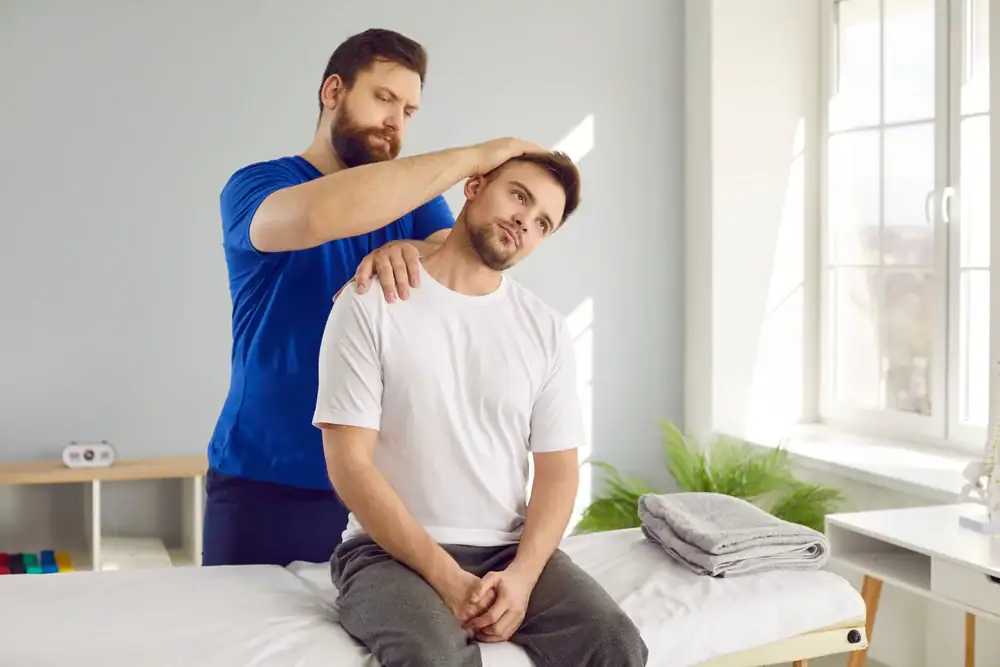
Your sessions include hands-on treatment, therapeutic exercises, and techniques like gait training or balance work depending on what you need. We track your progress and adjust as you improve. Some people need twice a week for a few months. Others need more intensive work upfront, then taper off.
We also teach you what to do at home. Recovery doesn’t only happen in our clinic. You’ll get exercises and strategies that fit into your daily routine so you keep making progress between visits.

Ready to get started?
You get personalized treatment that addresses your specific condition. That includes fall prevention programs with balance and proprioceptive training, which is critical in Wantagh where older adults make up a significant portion of the population. Falls cause more than 80 percent of hospital injury admissions for seniors, so we take prevention seriously.
We offer gait training to improve how you walk, joint pain treatment for knees, hips, shoulders, and other problem areas, and resistance and strength training to rebuild what you’ve lost. If you’ve had a stroke or are dealing with a neurological condition, we provide specialized neurological rehabilitation to help you regain function.
Pre and post-surgery rehabilitation is a big part of what we do. Whether you’re preparing for a procedure or recovering from one, we help you heal properly and avoid complications. We also handle occupational rehabilitation for work-related injuries and general injury rehabilitation for everything from sports injuries to car accidents.
For patients who can’t easily get to our clinic, we bring physical therapy to your home. Same quality care, just in a more convenient location. We use advanced technology when it helps, like Smart Balance Master systems for detailed balance analysis, but we never lose sight of the fact that recovery is about you, not the equipment.
If you’ve been dealing with pain for more than a few weeks, if it’s getting worse instead of better, or if it’s limiting what you can do each day, that’s a sign you should get it checked out. Pain that goes away on its own usually does so within a week or two.
The longer you wait, the harder it can be to fix. Your body compensates for pain by moving differently, which can create new problems. You might start favoring one leg, which puts extra stress on your hip or lower back. Or you might stop using your shoulder, which leads to stiffness and weakness.
Physical therapy helps break that cycle. We identify what’s actually causing the problem, not just where it hurts, and address it before it becomes chronic. If you’re unsure, call and describe what’s going on. We can usually tell you over the phone whether it’s something that needs attention or if it’s likely to resolve with rest.
Most major insurance plans cover physical therapy, but coverage varies depending on your specific plan. Some require a referral from your doctor. Others let you come directly to us. Some cover a set number of visits per year, while others cover treatment as long as it’s medically necessary.
We work with most insurance providers in the Wantagh area and handle the verification process for you. When you call to schedule, we’ll ask for your insurance information and check your benefits before your first appointment. That way, you know what to expect in terms of copays or out-of-pocket costs.
If you don’t have insurance or if your plan doesn’t cover enough visits, we can discuss payment options. The goal is to make sure cost doesn’t prevent you from getting the care you need. We’re upfront about pricing and never surprise you with hidden fees.
Your first visit is longer than regular sessions, usually around 45 to 60 minutes. We start by going over your medical history, current symptoms, and what activities are difficult for you right now. Bring any imaging results or doctor’s notes you have, but don’t worry if you don’t have them.
Then we do a physical evaluation. We’ll watch how you move, test your strength and range of motion, and check your balance if that’s relevant to your condition. This isn’t about pushing you to your limit. It’s about understanding where you are so we can create a realistic plan.
At the end of the first session, we’ll explain what we found, what we think is causing the problem, and what the treatment plan looks like. You’ll know how often you need to come in, how long treatment typically takes for your type of condition, and what you can do at home to speed up recovery. We usually start some light treatment during that first visit too, so you leave with a clear sense of what therapy will involve.
It depends on what you’re treating and how severe it is. Some people feel noticeably better after just a few sessions, especially if they’re dealing with acute pain or recovering from a minor injury. Others need several weeks or even months, particularly if they’re rehabbing from surgery or managing a chronic condition.
For something like post-surgical rehabilitation after a knee replacement, you’re typically looking at two to three months of consistent therapy. Stroke rehabilitation can take longer because you’re retraining your brain and body to work together again. Fall prevention and balance training might take six to eight weeks to build enough strength and coordination to reduce your risk.
The key is consistency. Coming to your scheduled sessions and doing your home exercises makes a huge difference in how quickly you improve. We track your progress at every visit and adjust your plan as you get stronger. If something isn’t working, we change it. Recovery isn’t always linear, but you should see measurable improvement over time.
Yes, we offer in-home physical therapy for patients in Wantagh and the surrounding Nassau County area. This works well if you have mobility limitations, transportation challenges, or if traveling to a clinic is difficult because of your condition.
In-home therapy isn’t a lesser version of clinic-based care. You get the same licensed physical therapists, the same quality treatment, and the same personalized plans. The main difference is location. We bring the equipment and expertise to you.
Home-based therapy can actually be beneficial in some cases because we see how you move in your own environment. We can identify hazards that increase fall risk, suggest modifications to make daily activities easier, and teach you exercises using things you already have at home. If you’re recovering from a stroke or dealing with severe balance issues, staying in a familiar space can make therapy less stressful and more effective.
Exercise is part of physical therapy, but it’s not the whole picture. The difference is in the assessment, the progression, and the hands-on treatment you can’t do yourself. We identify the root cause of your problem, which isn’t always obvious. That knee pain might actually be coming from hip weakness or a movement pattern you’ve developed over time.
We also know how to progress exercises safely. Doing too much too soon can set you back or cause new injuries. Not doing enough means you won’t improve. We adjust resistance, repetitions, and difficulty based on how you’re responding, which is hard to gauge on your own.
Hands-on techniques like manual therapy, joint mobilization, and neuromuscular re-education require training and experience. These aren’t things you can replicate with a YouTube video. They’re designed to reduce pain, improve mobility, and retrain how your body moves. Combined with the right exercises, that’s what leads to real, lasting recovery instead of just temporary relief.
Other Services we provide in Wantagh