


You’re not looking for someone to tell you what’s wrong. You already know your balance isn’t what it used to be, or that getting up from a chair takes more effort than it should. What you want is to feel steady on your feet again. To walk without second-guessing every step. To stay in your own home as long as possible without fear of falling or needing help with basic tasks.
That’s what physical therapy actually does. It rebuilds strength in the muscles that matter. It retrains your balance so you can move with confidence. It reduces joint pain so you’re not wincing every time you stand up or climb stairs. And it gives you a plan—one that’s built around your body, your goals, and your daily routine.
Most people in Shelter Island Heights come to us after a fall, a surgery, or because their doctor said it’s time. But the ones who benefit most are the ones who start before things get worse. Because once you lose mobility, getting it back takes longer. Once you fall, recovery is harder. Physical therapy isn’t about fixing everything—it’s about keeping you functional, independent, and safe in your own space.
We operate multiple locations across Long Island, including our affiliated centers in Smithtown and Speonk. We’ve worked with hundreds of seniors who want the same thing you do—to stay home, stay active, and avoid becoming dependent on others.
Shelter Island Heights has a median age of 69, which means most of your neighbors are dealing with the same concerns: balance issues, arthritis, post-surgery recovery, or just the general wear that comes with aging. We see it every day. And because we specialize in geriatric rehabilitation, fall prevention, and in-home physical therapy, we’re not guessing at what works. We know what helps people in their 70s, 80s, and 90s regain strength and confidence.
We also handle the insurance side, accept Medicare, and keep your information secure. Your Google profile, your patient data, your appointments—it’s all managed with the same attention we give to your treatment plan.

Your first appointment starts with an evaluation. Not a sales pitch—an actual assessment of how you move, where you’re limited, and what’s causing pain or instability. We check your balance, your gait, your joint mobility, and your strength. Then we talk about what you want to be able to do. Walk to the mailbox without worry. Garden again. Recover from knee replacement without setbacks.
From there, we build a treatment plan. That might include therapeutic exercise to rebuild muscle. Balance and proprioceptive training to prevent falls. Gait training if your walking pattern needs correction. Neuromuscular re-education if your body’s forgotten how to move efficiently after a stroke or injury. Resistance and strength training to keep you functional as you age.
Sessions typically happen two to three times per week, depending on your condition and goals. Some people come to our clinic. Others prefer in-home physical therapy, especially if transportation is an issue or if you’re recovering from surgery. Each session builds on the last. You’re not starting over every time—you’re progressing.
And here’s the part most people don’t realize: physical therapy isn’t just about recovery. It’s about prevention. The exercises you learn now are the same ones that keep you out of the hospital later. The balance work we do today reduces your fall risk next year. It’s an investment in staying independent.

Ready to get started?
Every treatment plan is different, but most include some combination of fall prevention training, joint pain treatment, and therapeutic exercise. If you’ve had a hip or knee replacement, we focus heavily on post-surgery rehabilitation—helping you regain range of motion, rebuild strength, and get back to weight-bearing activities safely. If you’ve had a stroke, we use neurological rehabilitation techniques to retrain movement patterns and improve coordination.
For people dealing with Parkinson’s, arthritis, or osteoporosis, we adjust our approach. That means slower progressions, more focus on stability, and exercises that don’t aggravate existing conditions. We also teach you how to move in ways that minimize pain—getting in and out of a car, reaching for something on a high shelf, bending without straining your back.
In Shelter Island Heights, where 100% of residents own their homes and the median property value is over $1 million, most people want to age in place. That’s why we offer in-home physical therapy. You get the same quality care, but in your own environment where you’re most comfortable. It also lets us see the real challenges you face—narrow hallways, stairs without railings, rugs that could cause a trip.
We also coordinate with your doctor. If something isn’t progressing as expected, we communicate that. If you need imaging or a medication adjustment, we make the referral. You’re not managing this alone.
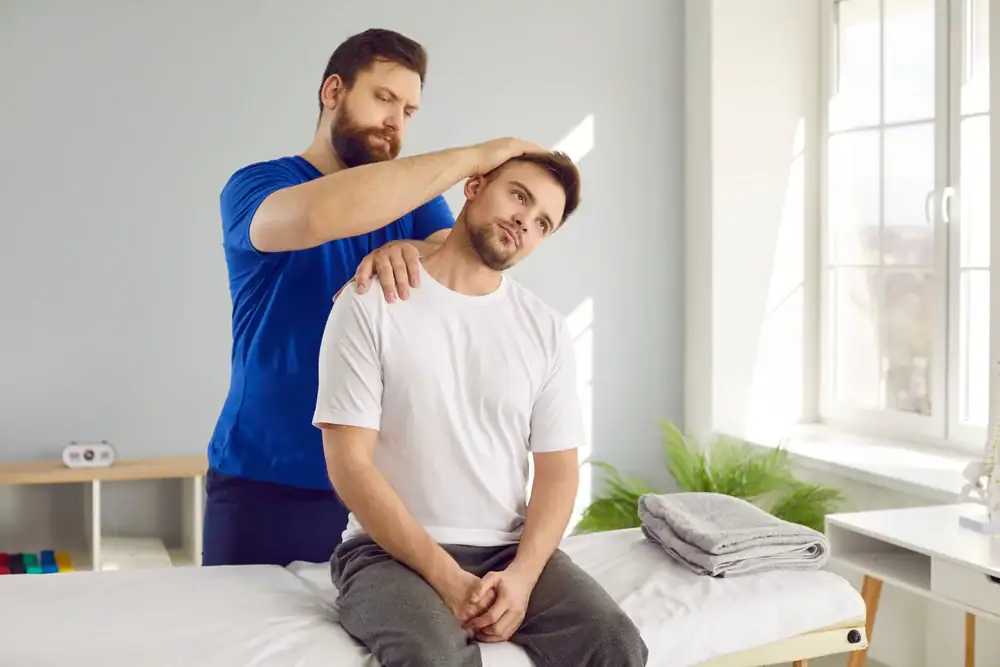
Most people notice small improvements within two to three weeks—better balance, less stiffness, easier movement during daily tasks. But meaningful, lasting results usually take six to eight weeks of consistent sessions. That’s not because therapy is slow. It’s because your body needs time to rebuild strength, retrain movement patterns, and adapt to new exercises.
If you’re recovering from surgery, the timeline is longer. Hip or knee replacement rehabilitation can take three to six months before you’re back to full function. Stroke recovery varies even more depending on severity. But even in those cases, you’ll see progress along the way—small wins that add up.
The people who see results fastest are the ones who do their home exercises. We’re only with you two or three hours per week. What you do the other 165 hours matters more. If you skip the exercises, progress stalls. If you do them, you’ll often surprise yourself with how much you improve.
Medicare Part B covers physical therapy as long as it’s medically necessary and prescribed by your doctor. That includes treatment for conditions like arthritis, balance issues, post-surgery recovery, or neurological conditions. You’ll typically pay 20% of the Medicare-approved amount after you meet your deductible.
Most private insurance plans also cover physical therapy, though the number of sessions and your out-of-pocket cost depend on your specific plan. Some plans require a referral from your primary care doctor. Others let you see a physical therapist directly. We verify your coverage before your first visit so there are no surprises.
If you’re paying out of pocket, we can discuss that too. But the majority of our patients in Shelter Island Heights use Medicare or a Medicare Supplement plan, which covers most of the cost. The key is making sure your therapy is documented as medically necessary—which it almost always is if you’re dealing with pain, mobility loss, or fall risk.
It’s not overstated. Balance training and strength exercises are two of the most effective ways to reduce fall risk in older adults. Research shows that seniors who do regular balance and proprioceptive training can cut their fall risk by 30% or more. That’s significant when you consider that falls are the leading cause of injury-related deaths in people over 65.
Here’s why it works: most falls happen because of weak legs, poor balance, or slow reaction time. Physical therapy targets all three. We strengthen the muscles that stabilize your hips, knees, and ankles. We retrain your proprioception—your body’s ability to sense where it is in space. And we improve your reaction time so if you do start to lose your balance, you can catch yourself.
We also assess your home environment during in-home sessions. Sometimes the issue isn’t just your body—it’s a loose rug, poor lighting, or a bathroom without grab bars. We’ll point those out. But even if your home is perfectly safe, your body still needs the strength and coordination to navigate it. That’s what fall prevention training builds.
The treatment is the same. The location is different. In-home physical therapy means we come to you—your house, your schedule, your environment. That’s often better for people who have trouble driving, who are recovering from surgery, or who just feel more comfortable at home. It also lets us see the real-world challenges you face, like stairs, tight spaces, or furniture placement.
Clinic-based therapy gives you access to more equipment—resistance machines, parallel bars, larger treatment spaces. Some people also prefer the structure of leaving the house and having a set appointment to go to. It can feel more official, more like “real” therapy.
Both options work. It comes down to what fits your situation. If you’re post-op and can’t drive yet, in-home makes sense. If you’re mobile and want access to more tools, the clinic is better. And in some cases, people start with in-home therapy and transition to the clinic as they improve. We adjust based on what you need.
Aging does change your body. Muscles get weaker. Joints get stiffer. Balance gets shakier. That’s normal. But “normal aging” doesn’t mean you should accept pain, fear of falling, or losing the ability to do things you enjoy. If you’re avoiding activities because you’re worried about your balance, that’s a red flag. If you’re using furniture to steady yourself when you walk, that’s worth addressing. If you’ve already fallen once, you’re at higher risk of falling again—and that’s when physical therapy becomes critical.
A good rule: if something is limiting your independence or making you feel unsafe, it’s worth getting evaluated. Even if the issue seems minor now, it’s easier to fix early than after it’s gotten worse. Most people wait too long. They assume it’s just part of getting older, and by the time they come in, they’ve lost significant strength or mobility.
Physical therapy isn’t about stopping aging. It’s about keeping your body strong enough to handle what aging throws at it. You can still build muscle in your 80s and 90s. You can still improve your balance. You can still reduce pain. But you have to work at it. And that’s what we help you do.
Your first visit is mostly assessment. We’ll ask about your medical history, current symptoms, and what you’re hoping to improve. Then we’ll watch you move—how you walk, how you stand up from a chair, how far you can reach or bend. We’ll test your strength, flexibility, and balance. If you’ve had surgery, we’ll look at your range of motion and any swelling or stiffness around the joint.
This isn’t a full treatment session yet. It’s about understanding where you are now so we can build a plan that actually works for your body and your goals. Some people feel discouraged during the evaluation because they realize how much they’ve declined. That’s normal. But it also gives us a baseline to measure progress against.
At the end of the appointment, we’ll explain what we found and what we recommend. How many sessions per week. What types of exercises. How long it’ll take to see improvement. You’ll also get a few exercises to start with at home. Nothing complicated—just enough to begin the process. Then each session builds from there. You’ll do more as you get stronger. And over time, the things that felt hard during your evaluation will start to feel manageable again.
Other Services we provide in Shelter Island Heights