

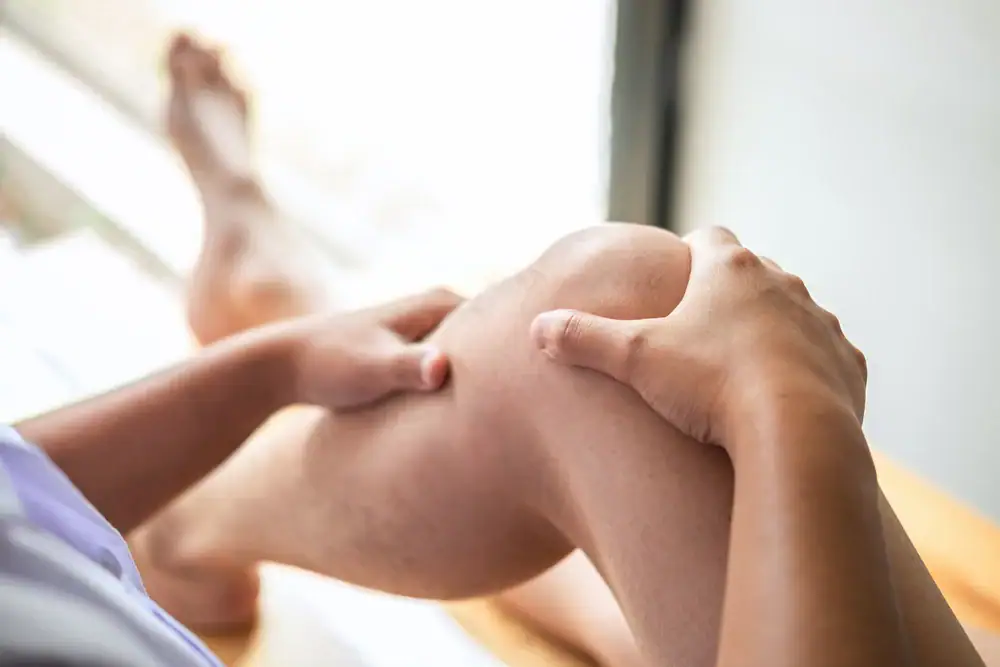
You stop planning your day around pain. Getting out of a chair doesn’t require a strategy. Walking to the mailbox stops feeling like a risk.
That’s what happens when a physical therapist works with you in your own space, with your actual furniture, your real stairs, the bathroom setup you use every day. You’re not relearning movement in some clinic with equipment you’ll never see again. You’re training for the life you actually live.
Fall prevention isn’t about balance exercises on a foam pad. It’s about navigating your kitchen when you’re carrying something. Gait training means walking on your driveway, not a treadmill. Stroke rehabilitation happens in the environment where you need to function. The therapy becomes practical because the setting is real.
We’ve been treating patients across Nassau and Suffolk Counties since 2010. That includes North Massapequa, where transportation to appointments can be a bigger barrier than the injury itself.
Our physical therapists are licensed, Medicare-certified, and members of the American Physical Therapy Association. More importantly, we show up when we say we will and treat you like someone we’d want caring for our own family. First visits happen within 48 hours, and you get a full evaluation with a documented plan of care in that same window.
We’re not the flashiest practice on Long Island. But if you need someone who knows joint pain treatment, neurological rehabilitation, or post-surgery recovery and can bring that expertise to your living room, we’ve been doing exactly that for over a decade.

You call or submit a request. We verify your Medicare coverage or insurance details and get you scheduled within 48 hours.
Your physical therapist arrives at your home with the equipment needed for your specific condition—resistance bands, balance tools, therapeutic exercise gear. They evaluate your mobility, strength, pain levels, and movement patterns in the spaces where you actually need to function. That first visit includes a documented care plan you’ll receive within 24 to 48 hours.
From there, sessions are scheduled based on your plan. Could be twice a week. Could be more. Your therapist tracks progress, adjusts exercises, and works on the specific goals you set together—whether that’s walking without a cane, preventing another fall, or regaining strength after surgery.
You’re not commuting. You’re not sitting in a waiting room. You’re working with a licensed professional in the place where recovery actually matters.

Ready to get started?
Falls are the leading cause of injury for older adults on Long Island, and North Massapequa’s aging population faces the same risks as the rest of Nassau County. Our fall prevention and balance training programs address that directly—proprioceptive exercises, gait training, strength work that reduces your actual risk of hitting the ground.
We also treat joint pain from arthritis or osteoporosis, provide pre and post surgery rehabilitation for joint replacements, and offer stroke rehabilitation and neurological rehabilitation for patients recovering from traumatic injuries or chronic conditions. If you’re dealing with limited mobility from diabetes, obesity, or a sedentary lifestyle, therapeutic exercise and resistance training can rebuild what’s been lost.
Occupational therapy is available when you need help with daily tasks—dressing, cooking, bathing. And if you’ve had an injury that’s left you with weakness or coordination issues, neuromuscular re-education helps retrain your body’s movement patterns. Every service is Medicare-covered when medically necessary, and everything happens in your home.
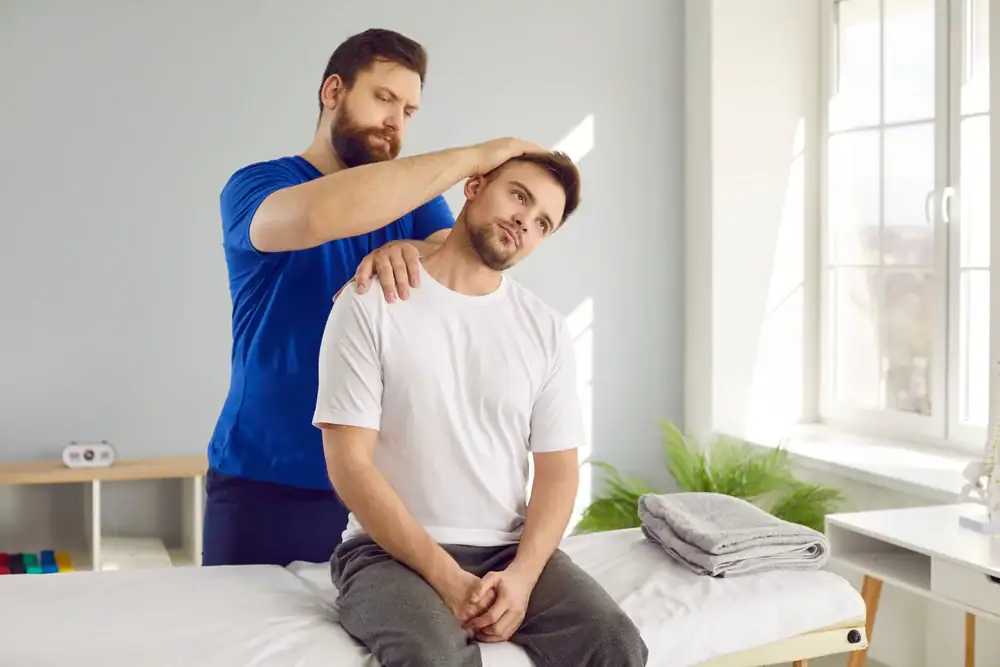
Yes. Medicare Part B covers outpatient physical therapy when it’s medically necessary and ordered by your doctor. That includes in-home therapy if leaving your home is difficult due to mobility limitations, transportation issues, or medical conditions.
You’ll need a referral or prescription from your physician. From there, we handle the verification and billing directly with Medicare. There’s typically a copay or coinsurance depending on your plan, but the therapy itself is covered as long as it meets Medicare’s criteria for skilled care.
If you’re unsure about your specific coverage, we walk through that during your first call. We’ve been working with Medicare patients across Long Island since 2010, so we know what gets approved and what doesn’t.
Usually within 48 hours of your first contact. We don’t put you on a waitlist or schedule you out two weeks. If you’re dealing with pain, recovering from surgery, or at risk of falling, waiting doesn’t help.
Once we verify your insurance and get the necessary referral from your doctor, we schedule your first visit. That appointment includes a full evaluation—strength, balance, mobility, pain assessment—and you’ll receive a documented plan of care within 24 to 48 hours after that.
If there’s an urgent need, let us know. We prioritize patients who are at immediate risk or just out of the hospital. The goal is to get you started on recovery as quickly as possible, not when it’s convenient for our schedule.
The environment. In a clinic, you’re working with equipment and spaces that don’t match your real life. At home, your physical therapist sees the stairs you actually climb, the bathroom layout you navigate, the furniture you use to stand up.
That means the exercises and training are specific to your daily challenges. If you’re working on fall prevention, we’re addressing the actual hazards in your home. If it’s gait training after a stroke, you’re practicing on the surfaces you walk on every day. The therapy becomes more functional because it’s happening in the context where you need to improve.
There’s also no transportation barrier. For many people in North Massapequa, especially older adults or those with limited mobility, getting to and from appointments is harder than the therapy itself. In-home care removes that obstacle entirely.
Absolutely. Preventing the first fall is a lot easier than recovering from one. Balance and proprioceptive training can reduce your fall risk before anything happens, especially if you’re noticing changes in stability, strength, or confidence when walking.
We assess your current balance, gait patterns, and strength levels, then build a program that addresses weak points. That might include resistance and strength training for your legs, exercises that improve reaction time, or gait training to correct movement patterns that increase risk.
Falls don’t just happen because you’re older. They happen because of specific physical declines that can be measured and improved. If you’re feeling unsteady, if you’ve had close calls, or if you’re just worried about it, that’s enough reason to start working on prevention now.
Your physical therapist will spend about an hour with you. They’ll ask about your medical history, current symptoms, and what you’re hoping to accomplish. Then they’ll evaluate your strength, range of motion, balance, and how you move through your home.
This isn’t a passive appointment. You’ll be asked to demonstrate movements—standing up from a chair, walking, reaching, bending—so the therapist can see where limitations or pain show up. They’ll also assess any fall risks in your home and discuss modifications if needed.
By the end of that visit, you’ll have a clear understanding of what’s causing your issues and what the treatment plan looks like. Within 24 to 48 hours, you’ll receive a documented care plan outlining your goals, frequency of visits, and expected timeline. Then the actual therapy starts.
Yes. Post-surgery rehabilitation is one of the most common reasons people need in-home physical therapy. Whether you’ve had a joint replacement, spinal surgery, or another procedure, we work with you through the recovery process to restore strength, mobility, and function.
Stroke rehabilitation is another area where in-home therapy makes a significant difference. Relearning movement patterns, improving coordination, and rebuilding strength all happen more effectively when you’re training in the environment where you need to function. We also provide neurological rehabilitation for patients with Parkinson’s, MS, or other conditions affecting movement.
If you’re coming home from the hospital or a rehab facility, we coordinate with your medical team to continue your care. The goal is to keep you progressing without the burden of traveling to appointments when you’re still recovering.
Other Services we provide in North Massapequa