


You’re not looking for temporary relief. You want to walk without worrying about falling. You want to move through your day without that nagging pain slowing you down. You want to feel steady on your feet again.
That’s what physical therapy should do—and that’s what happens here. Whether you’re recovering from surgery, managing chronic joint pain, or working to prevent falls after a close call, the focus is on getting you back to your routine with less pain and more confidence.
Most people who go through a structured physical therapy program see a 40-50% reduction in pain within four to six weeks. That’s not marketing talk—that’s what happens when the treatment is built around your specific condition, your goals, and your schedule. You’re not here to do generic exercises. You’re here to rebuild strength, retrain balance, and move better than you have in months.
We’ve been serving patients across Long Island for years, including right here in Massapequa Park. We’re not new to this area, and we’re not new to the kinds of challenges you’re facing—whether that’s recovering from a fall, managing arthritis, or getting back on your feet after surgery.
Nassau County has one of the largest senior populations in the region, with over 300,000 residents age 60 and older. That means we see a lot of people dealing with balance issues, joint pain, and mobility concerns. We know what works, and we know what doesn’t.
Every therapist on our team is licensed, experienced, and focused on one thing: helping you get better without wasting your time. We accept most insurance plans, including Medicare, and we’ll verify your benefits before you start so there are no surprises.

First, you’ll sit down with a licensed physical therapist who will ask about your pain, your limitations, and what you’re hoping to get back to. This isn’t a rushed appointment. It’s a real conversation about what’s going on and what needs to happen next.
From there, we build a treatment plan based on your specific condition. If you’re dealing with balance issues, that might include proprioceptive training and gait work. If you’re recovering from surgery, we’ll focus on strength, range of motion, and functional movement. If it’s chronic pain, we’ll use therapeutic exercise and manual techniques to reduce inflammation and improve mobility.
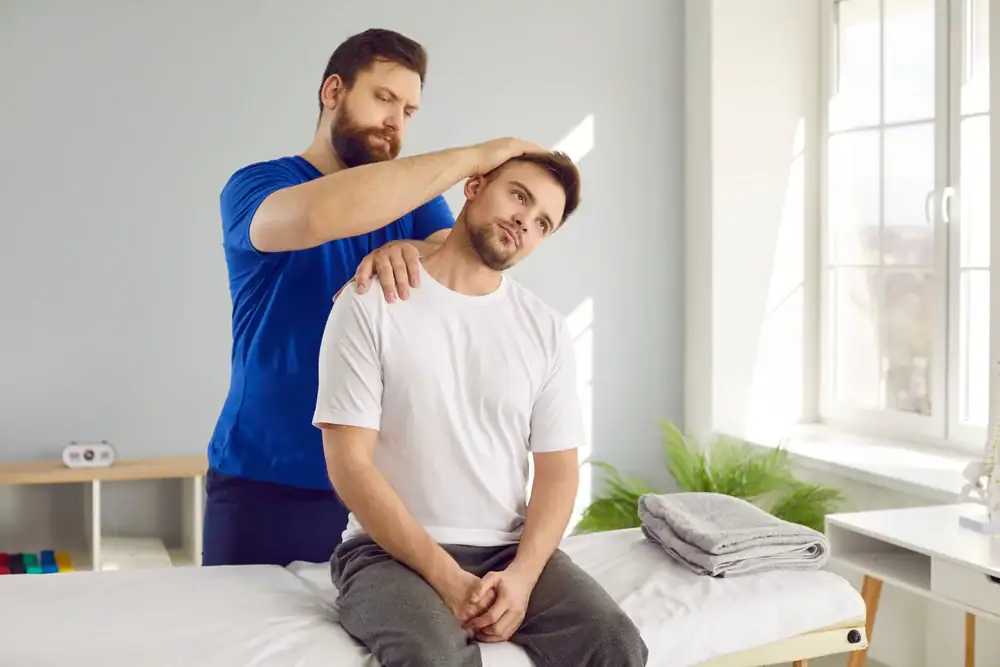
You’ll come in for sessions based on what your body needs—usually two to three times a week to start. Each session is hands-on. You’re not left alone with a sheet of exercises. Your therapist is there, adjusting your program as you progress, making sure you’re doing things correctly, and keeping you on track.
Most patients start feeling better within the first few weeks. Some take longer depending on the severity of the injury or condition. But the goal is always the same: get you moving better, feeling stronger, and back to your life without constant worry about pain or falling.

Ready to get started?
You’ll get a full evaluation, a personalized treatment plan, and one-on-one sessions with a licensed physical therapist. That includes fall prevention work, balance and proprioceptive training, gait training, therapeutic exercise, resistance and strength training, and neuromuscular re-education.
If you’re recovering from a stroke or dealing with a neurological condition, we offer specialized neurological rehabilitation. If you’ve had surgery—knee replacement, hip replacement, rotator cuff repair—we handle pre and post-surgery rehabilitation. If you’ve been injured and need to get back to work or daily activities, injury rehabilitation is part of what we do.
Here’s something worth knowing: one in four older adults in Nassau County experiences a fall each year. But physical therapy can reduce that risk by 25% or more. That’s not a small number—that’s the difference between staying independent and ending up in the hospital. We focus heavily on fall prevention because it works, and because it matters.
You’ll also have access to in-home physical therapy if getting to the clinic is difficult. We work with your insurance to make sure you’re covered, and if you’re paying out of pocket, we’ll walk you through the costs upfront so there’s no confusion.
Most people notice improvement within the first two to four weeks, but that depends on what you’re dealing with. If you’re recovering from surgery or a serious injury, it might take longer to see major progress. If you’re managing chronic pain or working on balance, you might feel steadier and stronger sooner.
The key is consistency. Patients who come in two to three times a week and follow through with their home exercises tend to recover faster than those who skip sessions or don’t stay on top of it. Your therapist will give you a realistic timeline based on your condition during your first visit.
On average, a full course of physical therapy runs anywhere from four to eight weeks, but some people need more time and others need less. It’s not about rushing through it—it’s about making sure you’re actually better before you stop.
Most insurance plans cover physical therapy, including Medicare. But every plan is different, so we verify your benefits before you start. That way, you know exactly what’s covered, what your copay is, and whether you need a referral from your doctor.
If you do need a referral, we can help coordinate that. Some plans require it, others don’t. We’ll walk you through the process so you’re not stuck figuring it out on your own.
If you don’t have insurance or your plan doesn’t cover enough sessions, we offer competitive private pay rates. We’ll go over the costs with you upfront so there are no surprises down the road. The goal is to make sure cost isn’t the reason you don’t get the care you need.
The biggest difference is time and attention. You’re not bouncing between three different therapists or spending half your session on a machine by yourself. You work with the same licensed physical therapist every time, and they’re with you through the entire session.
We also focus heavily on fall prevention and balance training, which matters in this area. Nassau County has a large senior population, and falls are one of the leading causes of hospitalization for older adults. We’ve built programs specifically around reducing that risk, and the results speak for themselves.
Another thing: we don’t drag out treatment longer than it needs to be. Some clinics will keep you coming in for months because that’s how they bill. We’re focused on getting you better and getting you back to your life. If you’re progressing well, we’ll tell you. If you need more time, we’ll tell you that too.
Yes. We offer in-home physical therapy for patients who have trouble getting to the clinic—whether that’s due to mobility issues, transportation challenges, or recovery limitations after surgery. A licensed therapist will come to your home and work with you there.
In-home therapy is especially helpful for people working on fall prevention, gait training, or post-surgical rehab. Your therapist can assess your home environment, identify fall risks, and help you practice movements in the space where you actually live.
Insurance often covers in-home physical therapy if it’s medically necessary, and we’ll verify that for you before scheduling. The sessions work the same way as clinic visits—you’ll get a personalized plan, hands-on treatment, and exercises to do between appointments. It’s just done in a setting that’s more convenient and sometimes more effective for your specific situation.
Your first appointment is an evaluation. Your therapist will ask about your medical history, your current symptoms, and what’s limiting you right now. They’ll also do a physical assessment—checking your range of motion, strength, balance, and how you move.
This usually takes about 45 minutes to an hour. It’s not rushed. The goal is to understand what’s going on and figure out the best way to help you. At the end of the session, your therapist will explain what they found, what the treatment plan will look like, and how long they expect recovery to take.
You might do some light exercises or stretches during that first visit, but the heavy work starts in the sessions after. Come wearing comfortable clothes you can move in, and bring a list of any medications you’re taking. If you have imaging results or records from your doctor, bring those too—they help give a fuller picture of what’s happening.
Rest helps with acute injuries—like if you twisted your ankle yesterday. But if you’ve been dealing with pain, stiffness, or balance issues for more than a few weeks, rest alone won’t fix it. In fact, too much rest can make things worse by weakening muscles and reducing mobility.
Physical therapy is designed to address the root cause of your pain or limitation, not just mask the symptoms. If you’re having trouble walking without pain, if you’ve fallen or almost fallen recently, if you can’t do things you used to do without discomfort—that’s when therapy makes sense.
Here’s a good rule: if the problem isn’t getting better on its own after two weeks, or if it’s affecting your daily life, it’s worth getting evaluated. The sooner you start, the faster you recover. Waiting too long can turn a manageable issue into something that takes months to fix.
Other Services we provide in Massapequa Park