

You stop second-guessing every step you take. That hesitation before getting out of bed, the grip you keep on railings, the activities you’ve quietly stopped doing—those start to fade when your balance improves and your strength comes back.
The fear of falling doesn’t just limit where you go. It changes how you see yourself. Balance training and gait training rebuild the confidence that lets you walk into a room without scanning for something to hold onto. You’re not just moving better—you’re living without that constant mental calculation of risk.
Recovery from surgery or injury doesn’t have to drag on for months while you wonder if you’re doing enough. Post surgery rehabilitation gives you a clear path forward with measurable progress. You know what’s working because you feel it in how you move, how much less you hurt, and how quickly you’re getting back to normal activities.
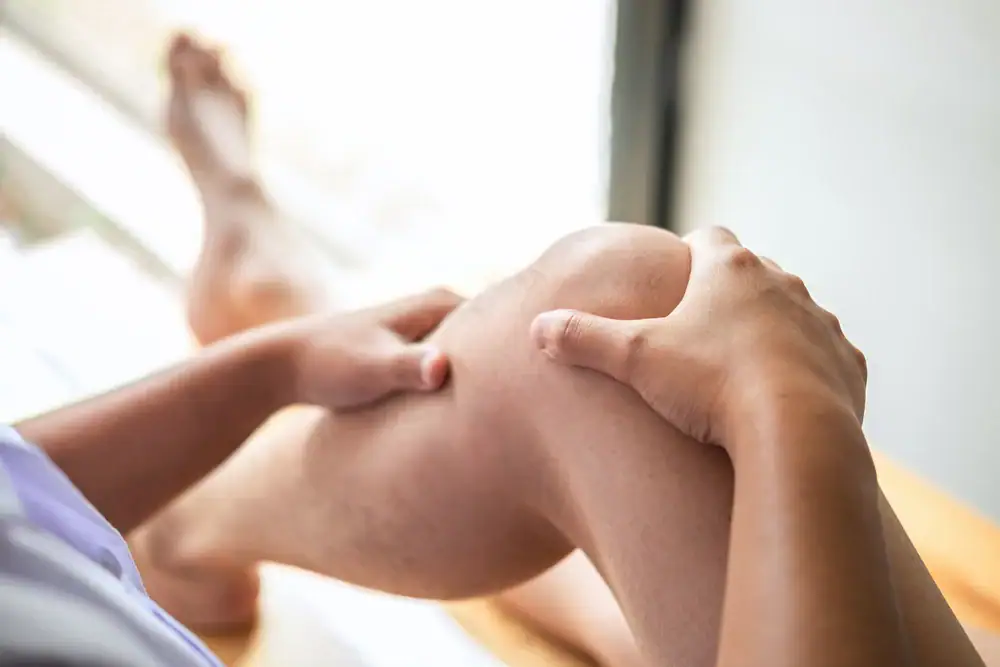
Joint pain treatment and therapeutic exercise address what’s actually causing the problem, not just masking symptoms. When your knees don’t ache every time you stand up, when your shoulder doesn’t catch when you reach overhead—that’s when daily life stops feeling like an obstacle course.
We operate multiple locations across Long Island, including our affiliated centers in Smithtown and Speonk. We’ve built our reputation on actually following through—verified credentials, secure patient data management, and therapists who show up prepared for your specific situation.
Lido Beach residents deal with unique challenges. The active lifestyle here—beach walks, water activities, community events—means you need a physical therapist who understands that “getting better” means getting back to those specific things, not just checking boxes on a recovery chart.
We don’t operate like a revolving door clinic where you’re handed off to whoever’s available. Your treatment plan is yours, managed by therapists who track your progress and adjust based on what’s actually working. That consistency matters when you’re trying to rebuild strength or relearn movement patterns after stroke rehabilitation or neurological rehabilitation.

Your first session isn’t about jumping into exercises. It’s about understanding what’s limiting you right now—where the pain shows up, what movements you’re avoiding, what you’re trying to get back to doing. We test your current range of motion, strength, and balance to establish a baseline that’s specific to your body, not a generic assessment.
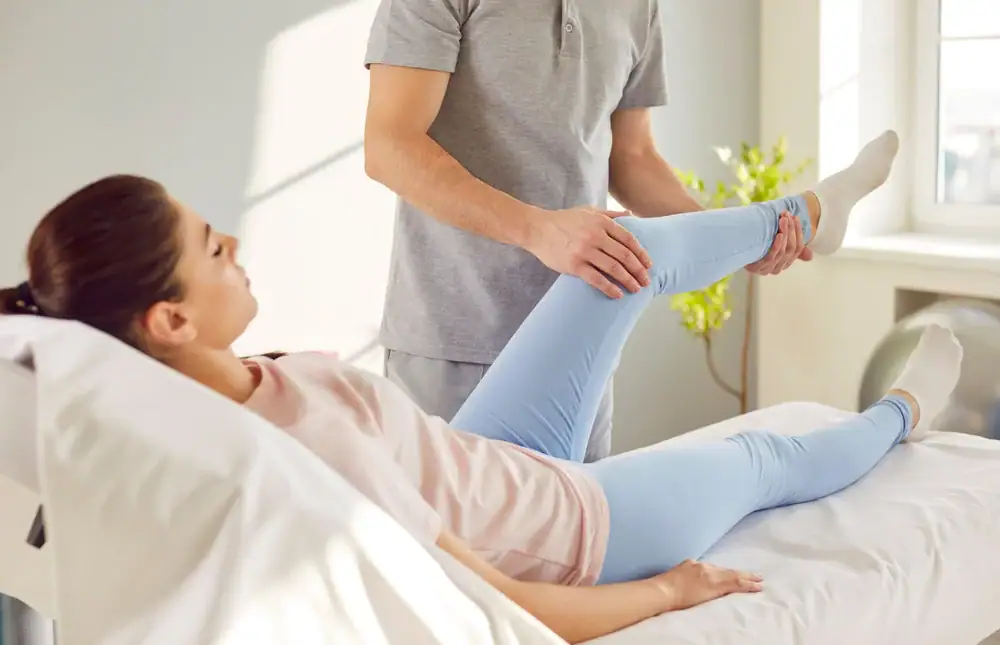
From there, we build a treatment plan that addresses the root cause. If you’re dealing with fall prevention concerns, that means proprioceptive training and resistance training that rebuilds the stability your body’s lost. If you’re recovering from surgery, it means pre and post surgery rehabilitation protocols that optimize healing and prevent compensatory movement patterns that create new problems.
Each session builds on the last one. You’re not repeating the same exercises for weeks—you’re progressing through phases that match your recovery. We track measurable improvements in strength, range of motion, and functional ability. You’ll know you’re getting better because you can do things you couldn’t do last week.
For patients who need it, we offer in-home physical therapy. Same quality of care, same experienced therapists, delivered where you’re most comfortable. That option matters for neurological rehabilitation or injury rehabilitation when getting to a clinic is genuinely difficult in the early stages of recovery.
Ready to get started?
Fall prevention programs are critical for Lido Beach residents, especially given that balance training and strength exercises can reduce fall risk by up to 35% in adults over 65. We don’t just tell you to “be careful”—we rebuild the neuromuscular control and lower body strength that actually prevent falls from happening.
Stroke rehabilitation and neurological rehabilitation require specialized approaches. Conditions like Parkinson’s disease or post-stroke recovery need neuromuscular re-education that retrains your nervous system’s communication with your muscles. This isn’t general exercise—it’s targeted intervention that addresses specific deficits in coordination, balance, and motor control.
Joint pain treatment combines manual therapy with therapeutic exercise to address both immediate pain relief and long-term function. Whether it’s arthritis in your knees, a rotator cuff issue, or chronic back pain, the goal is to restore normal movement patterns so your joints aren’t constantly stressed in ways they weren’t designed to handle.
Occupational rehabilitation gets you back to work safely. If your job involves physical demands—lifting, repetitive movements, prolonged standing—we train those specific movement patterns and build the endurance you need to complete a full workday without re-injury. We also provide ergonomic education that prevents future problems.
Pre and post surgery rehabilitation improves surgical outcomes and speeds recovery. Going into surgery stronger and more mobile leads to better results. Coming out of surgery with a structured rehab plan prevents complications and gets you functional faster than passive recovery alone.
Most patients notice meaningful changes within two to three weeks if they’re consistent with sessions and home exercises. That doesn’t mean you’re fully recovered—it means you’re experiencing less pain, moving more easily, or feeling more stable on your feet. Those early wins matter because they confirm you’re on the right track.
Full recovery timelines depend entirely on what you’re treating. Post surgery rehabilitation after a knee replacement might take three to four months to reach full function. Fall prevention programs focused on balance training might show significant improvement in six to eight weeks. Chronic conditions like arthritis require ongoing management rather than a fixed endpoint.
The patients who see the fastest results are the ones who do their home exercises between sessions. We’re not talking about hour-long workouts—usually 15 to 20 minutes of targeted movements that reinforce what we’re working on in the clinic. Your body adapts to consistent stimulus, not sporadic effort.
Most insurance plans cover physical therapy when it’s medically necessary, which includes post-surgical recovery, injury rehabilitation, and treatment for chronic conditions that limit function. Medicare typically covers therapy with a referral from your physician. The exact coverage depends on your specific plan—some cover a set number of visits per year, others require copays or have deductible requirements.
We verify your insurance benefits before you start treatment so you know what to expect. That conversation happens upfront, not after you’ve already committed to several sessions. If your plan has visit limits, we structure your treatment to maximize those covered sessions and provide home exercise programs that extend your progress between visits.
For patients without insurance coverage or those who’ve exhausted their benefits, we discuss cash pay options and payment plans. The goal is to make sure cost doesn’t prevent you from getting the care that will actually improve your quality of life. Sometimes fewer sessions with a solid home program is more realistic than an ideal protocol you can’t afford to complete.
In-home physical therapy delivers the same quality of treatment but removes the barrier of getting to a clinic. For patients recovering from stroke, managing neurological conditions, or dealing with severe mobility limitations right after surgery, traveling to appointments can be genuinely difficult or even unsafe in the early stages.
The treatment itself is identical—same assessment process, same evidence-based techniques, same qualified therapists. We bring portable equipment for resistance training and therapeutic exercise. The main difference is we’re working within your home environment, which actually has advantages. We can identify fall risks in your actual living space and practice functional movements like navigating your stairs or getting in and out of your shower safely.
Clinic-based therapy offers access to specialized equipment for certain treatments and creates a dedicated space focused entirely on your recovery. Some patients also benefit from the structure of leaving home for appointments. We help you decide which setting makes the most sense for your specific situation and can transition from in-home to clinic-based as your mobility improves.
Fall prevention is one of the most effective applications of physical therapy, with research showing properly designed exercise programs reduce fall risk by 35% or more in older adults. We’re not waiting for you to fall and then reacting—we’re identifying the specific risk factors that make falls likely and addressing them before they cause injury.
Balance training improves your body’s ability to catch itself when you stumble. Proprioceptive training sharpens the sensory feedback that tells your brain where your body is in space. Gait training corrects walking patterns that increase fall risk, like shuffling or leaning too far forward. Strength training builds the leg and core strength you need to recover your balance when something throws you off.
We also assess environmental factors and provide practical recommendations for your home. Sometimes fall risk isn’t just about your body—it’s about lighting, floor surfaces, or furniture placement. The combination of physical improvement and environmental modification creates the safest outcome. Falls aren’t an inevitable part of aging. They’re often preventable with the right intervention.
Your first session is primarily evaluation. We need to understand what’s causing your symptoms, what movements are limited or painful, and what your goals are. Expect questions about your medical history, current medications, previous injuries, and what activities you’re struggling with right now. Be specific—”I can’t play with my grandkids on the floor” is more useful than “my back hurts.”
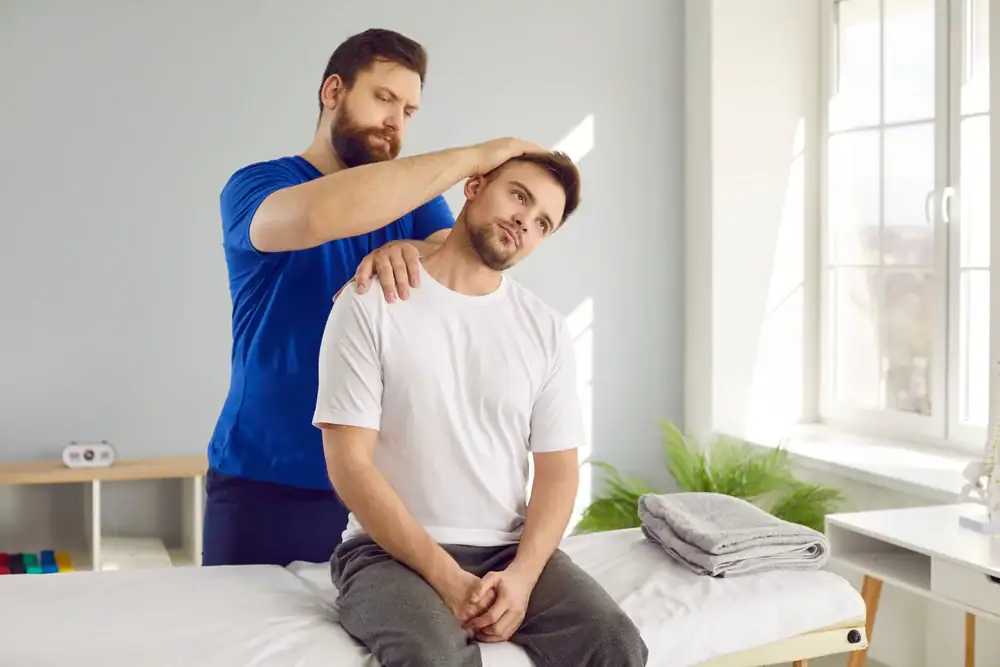
The physical assessment includes testing your range of motion, strength, balance, and functional movement patterns. We’ll ask you to perform certain movements or activities that might be uncomfortable, but we’re not trying to injure you—we need to see where the limitations are. This baseline assessment is what we’ll measure your progress against in future sessions.
You’ll likely do some light therapeutic exercise during that first visit, but the heavy work starts in session two once we’ve established your treatment plan. We’ll explain what we found, what we think is causing the problem, and what the treatment approach will look like. You’ll leave with a clear understanding of the timeline, what to practice at home, and what realistic outcomes look like for your specific condition.
New York allows direct access to physical therapy, which means you can start treatment without a physician referral for up to 10 visits or 30 days, whichever comes first. After that, you need a referral to continue if additional treatment is necessary. This direct access is helpful when you’re dealing with a new injury or flare-up of a chronic condition and don’t want to wait weeks for a doctor’s appointment before starting treatment.
That said, many insurance plans still require a referral for coverage even though state law doesn’t. We recommend checking your specific plan’s requirements before your first visit to avoid surprise bills. If your insurance needs a referral, we can coordinate with your physician to get that documentation in place.
There are some conditions where seeing a physician first makes sense regardless of direct access laws. If you’re experiencing symptoms like unexplained weight loss, fever, loss of bowel or bladder control, or severe pain that’s getting worse despite rest, those warrant medical evaluation before starting physical therapy. We’re trained to recognize red flags that need a doctor’s attention first.
Other Services we provide in Lido Beach