


You shouldn’t have to choose between getting the care you need and the hassle of getting there. When mobility is already a challenge, driving to appointments becomes another obstacle.
In-home physical therapy removes that barrier entirely. Your therapist comes to you, evaluates your actual living space, and builds a treatment plan around how you move in your own home. That means fall prevention strategies that account for your specific hallway layout, gait training on the surfaces you walk on every day, and strength exercises using what you already have.
The outcome isn’t just reduced pain or better balance. It’s confidence. It’s being able to move through your home without second-guessing every step. It’s maintaining the independence that matters most to you, without the exhausting logistics of traditional outpatient therapy.
We’ve been providing in-home physical therapy across Long Island since 2010. Our affiliated centers—Physical Therapy Associates of Smithtown and Speonk Physical Therapy—have been in the community even longer, with roots going back to 2000.
We’re licensed, Medicare-certified, and members of the American Physical Therapy Association. But what really matters is this: we show up when we say we will, we listen before we prescribe, and we treat you like family because that’s how healthcare should work.
Laurel and the surrounding Suffolk County communities have unique needs—aging populations, homes with stairs and narrow hallways, residents who’ve lived independently for decades and want to keep it that way. We get it because we’ve been here.

First, we talk. You’ll schedule an initial evaluation where your physical therapist comes to your home, asks about your pain or limitations, and observes how you move in your actual environment. This isn’t a generic assessment—it’s specific to your space, your routines, your goals.
From there, we build a treatment plan. That might include balance and proprioceptive training if you’re worried about falling. Gait training if walking has become unsteady. Therapeutic exercise and resistance training to rebuild strength after surgery or injury. Stroke rehabilitation or neurological rehab if you’re recovering from a major health event.
Each session happens in your home, typically two to three times per week depending on your needs and what Medicare approves. Your therapist brings any necessary equipment, tracks your progress, and adjusts the plan as you improve. You’re not just doing exercises—you’re retraining your body to handle real-life movement in the place where it matters most.

Ready to get started?
Fall prevention is one of the most common reasons people in Laurel reach out. Balance disorders, gait instability, and fear of falling are real concerns, especially for older adults living alone. We address this through targeted balance training, home safety assessments, and exercises that rebuild confidence in your movement.
Joint pain treatment and injury rehabilitation are also central to what we do. Whether it’s arthritis in your knees, a shoulder that won’t heal, or lingering pain from an old injury, we use hands-on techniques and therapeutic exercise to reduce pain and restore function. Pre and post-surgery rehabilitation helps you prepare for or recover from procedures like hip or knee replacements.
For neurological conditions—stroke, Parkinson’s, neuropathy—we provide stroke rehabilitation and neuromuscular re-education to help your brain and body reconnect. Occupational therapy support is available when daily tasks like dressing, cooking, or bathing become difficult. Everything is personalized, and everything happens where you live.
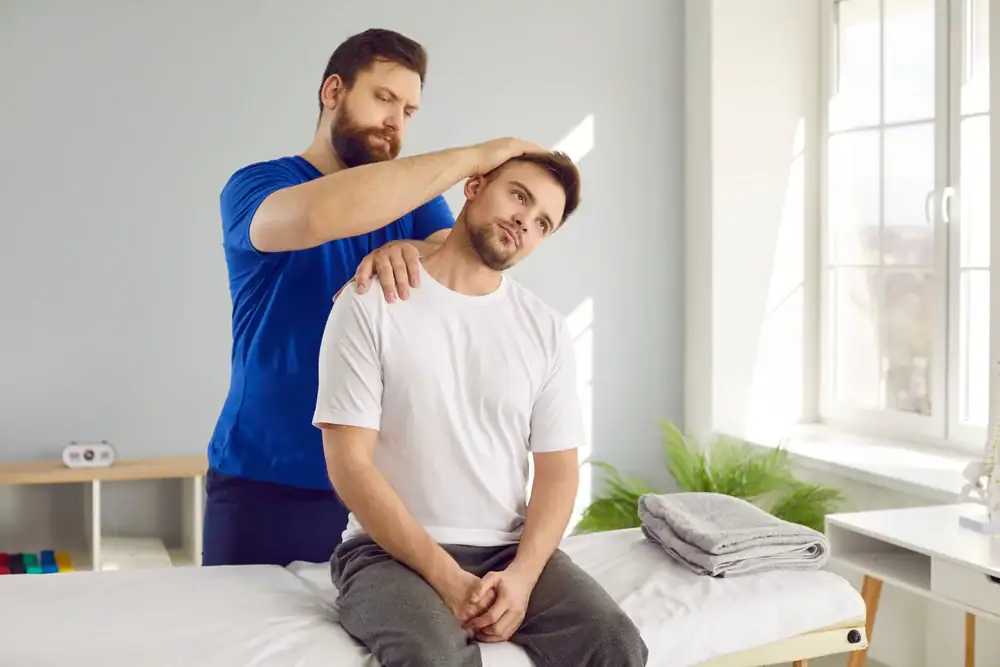
Yes, Medicare Part B covers outpatient physical therapy services in your home if your doctor orders it and you meet medical necessity requirements. That typically means you have a condition that limits your ability to leave home safely, or that in-home therapy is more appropriate for your treatment.
There are annual therapy caps, though exceptions exist for medically necessary care. Your therapist will work with your physician to document your progress and justify continued treatment if needed. Most patients we see in Laurel are Medicare beneficiaries, and we handle the billing and authorization process directly.
If you have a Medicare Advantage plan, coverage works similarly but may have different copays or visit limits. We verify your benefits before starting treatment so there are no surprises.
Fall prevention starts with figuring out why you’re at risk. Your physical therapist will assess your balance, leg strength, walking pattern, and how you move through your home. They’ll also look at environmental factors—loose rugs, poor lighting, furniture placement, bathroom setup.
From there, treatment includes balance and proprioceptive training to improve your body’s sense of where it is in space. Gait training helps you walk more steadily and confidently. Strength training focuses on your legs and core, which are critical for catching yourself if you start to stumble.
We also recommend modifications—grab bars, better lighting, removing tripping hazards—and teach you how to get up safely if you do fall. The goal isn’t just to reduce fall risk. It’s to give you back the confidence to move freely in your own home without constant fear.
The biggest difference is context. In a clinic, you’re doing exercises in a controlled, flat, well-lit space that doesn’t look anything like your home. At home, your therapist sees the real obstacles—the stairs you struggle with, the narrow bathroom, the uneven threshold between rooms.
That means treatment is more practical. If you’re rehabbing a knee replacement, we’re training you on your actual stairs, not a generic step platform. If balance is the issue, we’re working in your kitchen, hallway, and bedroom where you actually need to move safely.
There’s also no transportation barrier. For many people in Laurel, especially older adults or those recovering from surgery, getting to and from appointments is exhausting or impossible. In-home therapy removes that burden entirely. You get the same quality care, just without the logistical nightmare.
We treat a wide range of musculoskeletal, neurological, and post-surgical conditions. Joint pain from arthritis or overuse. Mobility limitations after hip or knee replacement. Stroke recovery and neurological rehabilitation for conditions like Parkinson’s or peripheral neuropathy.
Injury rehabilitation is common—rotator cuff tears, back pain, ankle sprains that never fully healed. We also work with patients who have chronic conditions like COPD or heart disease that make movement difficult and risky. Gait training and balance therapy are huge parts of what we do, especially for older adults.
If you’re not sure whether your condition qualifies, the easiest thing to do is call. We’ll ask a few questions about your symptoms, limitations, and medical history, and let you know whether in-home therapy makes sense. If it doesn’t, we’ll point you in the right direction.
It depends on what you’re recovering from and how your body responds. Post-surgical rehab might last six to twelve weeks. Chronic conditions like arthritis or balance disorders may need ongoing maintenance over several months.
Most patients start with two to three sessions per week. As you improve, frequency drops to once a week or every other week. Your therapist will set goals with you at the start—things like walking without a cane, climbing stairs independently, or reducing pain to a manageable level—and track progress toward those benchmarks.
Medicare and insurance companies require regular documentation to justify continued treatment, so your therapist will reassess you periodically and communicate with your doctor. If you’re progressing well, we’ll transition you to a home exercise program you can do on your own. If you’re not improving as expected, we’ll adjust the plan or explore other options.
Yes, you need a physician’s order to begin physical therapy, especially if you’re using Medicare or insurance. Your doctor will evaluate your condition and write a prescription specifying the type of therapy needed and how often.
If you don’t have a referral yet, we can coordinate with your primary care physician or specialist to get one. In some cases, your doctor may want to see recent imaging or test results before approving therapy. We handle that communication so you don’t have to chase down paperwork.
Once the referral is in place, we verify your insurance coverage and schedule your initial evaluation. The whole process usually takes a few days to a week, depending on how quickly your doctor’s office responds. If you’re in pain or at risk of falling, let us know—we’ll prioritize getting you started as soon as possible.
Other Services we provide in Laurel