
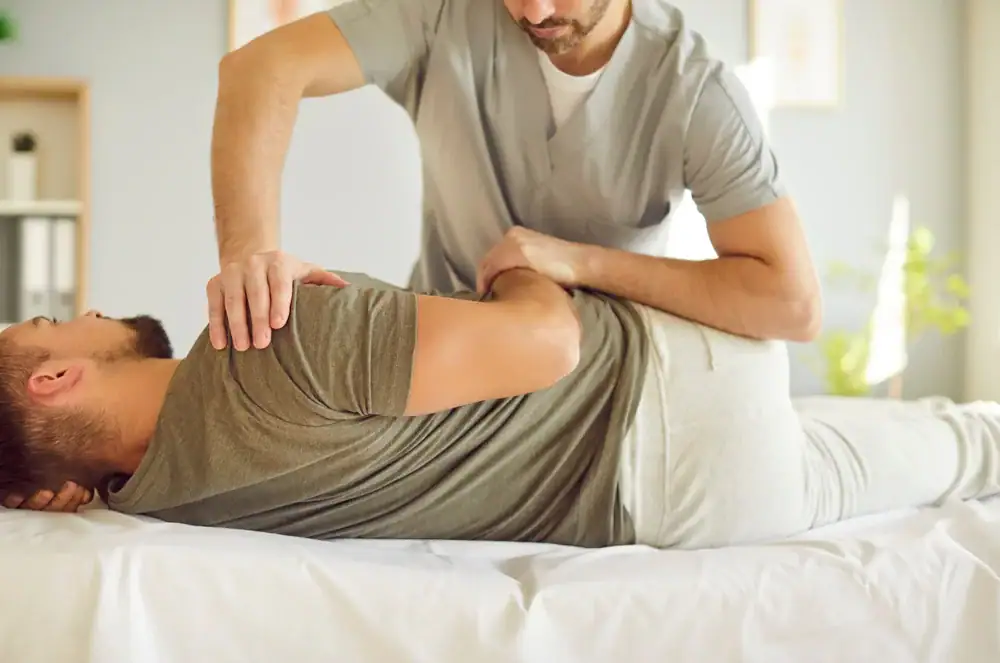
You’re not looking for a gym membership. You need someone who understands why getting to a clinic feels like a project—and why staying home makes more sense.
In-home physical therapy means a licensed physical therapist comes to you. You get one-on-one attention in your own space, working on what actually matters: balance, strength, mobility, and confidence. No waiting rooms. No rushing through exercises while someone watches the clock.
This is especially important on Long Island, where fall-related injuries send thousands of seniors to the hospital every year. Nassau County ranks fourth in New York State for fall prevalence among older adults. That’s not a statistic you want to become part of. Fall prevention isn’t optional—it’s survival.
Whether you’re recovering from surgery, managing a neurological condition, or just noticing that stairs feel harder than they used to, physical therapy helps you stay ahead of the problem. You rebuild strength, retrain movement patterns, and get back to living without second-guessing every step.
We’ve been serving Long Island communities for over 14 years. We’re not a franchise or a revolving door of therapists. We’re a locally established practice with roots in Smithtown and Speonk, and we’ve built our reputation on showing up, doing the work, and treating people like family.
Our therapists are licensed, Medicare-certified, and trained in the stuff that actually keeps you safe: gait training, balance work, neuromuscular re-education, and therapeutic exercise. We accept Medicare and most commercial insurance, so you’re not paying out of pocket for care you’re entitled to.
Head of the Harbor has one of the highest median ages on Long Island. That means your neighbors understand what it’s like to want to age in place without losing independence. We get it too. That’s why we built our entire model around coming to you.

First, we verify your insurance and schedule an evaluation at your home. A licensed physical therapist comes out, assesses your mobility, strength, balance, and any pain or limitations you’re dealing with. This isn’t a quick look—it’s a full evaluation.
From there, we build a treatment plan based on what you need. Maybe it’s post-surgical rehab after a knee replacement. Maybe it’s stroke rehabilitation or balance training to prevent a fall. Maybe it’s joint pain that’s been getting worse and no one’s given you a real plan to manage it.
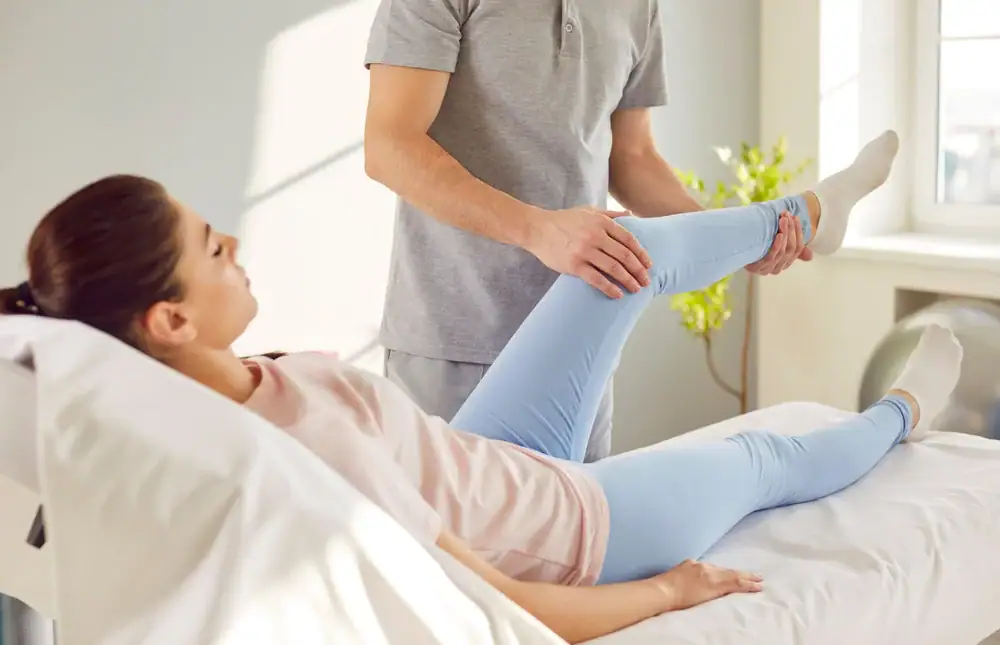
Sessions happen in your home, usually two to three times a week depending on your condition and doctor’s orders. Your therapist brings any equipment needed and works with you on exercises, stretches, strengthening, and movement training. Everything is personalized. You’re not following some generic protocol.
As you improve, we adjust the plan. The goal is always to get you stronger, more stable, and more confident—so you can move through your day without fear or limitation. Once you hit your goals, we transition you to a maintenance plan or discharge you with exercises to keep up on your own.
Ready to get started?
We specialize in the conditions that actually affect people aging at home. That includes fall prevention and balance training—critical on Long Island, where 88% of injury hospitalizations for adults over 65 are due to falls. We also handle stroke rehabilitation, neurological conditions like Parkinson’s or MS, and occupational rehab for people recovering from illness or surgery.
If you’ve had a joint replacement, spinal surgery, or any orthopedic procedure, we provide pre and post surgery rehabilitation to get you moving again safely. We treat chronic joint pain, help with gait training if walking has become unsteady, and use resistance and strength training to rebuild muscle that’s been lost due to inactivity or age.
Our therapists are trained in neuromuscular re-education, which helps retrain your body’s movement patterns after injury or neurological events. This is especially useful for stroke survivors or anyone dealing with coordination issues. Therapeutic exercise is part of every plan, tailored to your ability level and goals.
Because we come to your home, we can also assess your environment. We’ll point out fall risks like loose rugs, poor lighting, or furniture placement that’s making it harder to move safely. That kind of insight doesn’t happen in a clinic.
Yes. Medicare Part B covers in-home physical therapy if you’re homebound and your doctor orders it. Homebound doesn’t mean you can never leave the house—it means leaving requires significant effort or assistance. If that describes you, Medicare will cover the cost of a licensed physical therapist coming to your home.
Most people don’t realize they qualify. If you’re skipping therapy because you can’t drive or don’t want to burden family members for rides, you likely meet the criteria. We handle the verification and paperwork, so you’re not guessing whether it’s covered.
We also accept most commercial insurance plans. If you’re not on Medicare yet, call us anyway. We’ll check your benefits and let you know what’s covered before you commit to anything.
At a clinic, you’re one of several patients being seen at the same time. Your therapist is splitting attention between multiple people, and you’re doing exercises in a busy, unfamiliar space. At home, it’s just you and your therapist for the full session.
That one-on-one time matters. Your therapist can watch how you move in your actual environment, spot issues you wouldn’t notice, and adjust your plan in real time. There’s no commute, no waiting room, and no pressure to rush through your session because someone else is waiting.
For people in Head of the Harbor, where the median age is nearly 47 and many residents are managing chronic conditions or recovering from surgery, the convenience isn’t just nice—it’s necessary. In-home therapy removes the barriers that keep people from getting care in the first place.
It depends on what you’re treating. If you’re recovering from surgery, you might see improvements in mobility and pain within two to three weeks. If you’re working on balance or fall prevention, it can take four to six weeks to notice real changes in stability and confidence.
Stroke rehabilitation and neurological conditions take longer—sometimes months—because you’re retraining the brain and body to work together again. But progress happens in stages. You’ll notice small wins early on, like being able to stand longer or walk with less assistance.
The key is consistency. If you’re doing your exercises between sessions and following the plan, you’ll see results faster. If you skip sessions or don’t practice at home, it takes longer. Your therapist will track your progress and adjust the plan as you improve, so you’re always working toward the next milestone.
If you’re not homebound, Medicare won’t cover in-home therapy. But that doesn’t mean you’re out of options. Many people choose to pay out of pocket for the convenience and personalized care, especially if they have the means and prefer avoiding clinics.
Head of the Harbor has one of the highest median household incomes on Long Island. For residents who value their time and want focused, one-on-one care without the hassle of driving to appointments, private-pay in-home therapy is a worthwhile investment.
If you’re mobile enough to leave home but still need therapy, we can also refer you to our outpatient locations in Smithtown or Speonk. But we’ve found that most people who can afford to stay home prefer it. The quality of care is higher, the attention is undivided, and recovery tends to be faster.
It’s not marketing—it’s evidence. Falls are the leading cause of injury-related death and hospitalization for older adults in New York. In Nassau County alone, falls caused over 1,800 deaths and 78,000 hospitalizations in recent years. Long Island ranks higher than most of the state for fall prevalence.
Physical therapy addresses the root causes: weak legs, poor balance, slow reaction time, and unstable gait. Through targeted exercises like balance training, proprioceptive work, and resistance training, you rebuild the strength and coordination needed to catch yourself before you fall.
We also assess your home for hazards. Loose rugs, bad lighting, clutter in walkways—these are fixable problems that most people overlook until it’s too late. Fall prevention isn’t about bubble-wrapping your life. It’s about making you stronger and your environment safer so you can keep doing what you want without fear.
We treat a wide range of conditions, but our focus is on what actually affects people aging at home. That includes post-surgical rehab for joint replacements, spinal surgery, and other orthopedic procedures. We work with stroke survivors and people managing neurological conditions like Parkinson’s, MS, or neuropathy.
If you’re dealing with chronic joint pain, arthritis, or mobility issues that make daily tasks harder, we build a plan to reduce pain and improve function. We also treat people recovering from injuries, whether that’s a fracture, sprain, or soft tissue damage.
Balance and fall prevention are a huge part of what we do, especially on Long Island where fall rates are among the highest in New York. Gait training, strength work, and neuromuscular re-education help you move more confidently and safely. If your doctor has recommended physical therapy and you’d rather do it at home, we can probably help.
Other Services we provide in Head Of The Harbor