


You’re not looking for temporary relief. You want to walk without worrying about falling. You want to get through your day without that nagging joint pain slowing you down. You want to feel confident in your body again.
That’s what physical therapy should do. Not just treat symptoms, but address what’s actually causing the problem so you can move freely, sleep better, and stop planning your life around what hurts.
Whether you’re recovering from surgery, dealing with chronic pain, or trying to prevent another fall, the goal is the same: get you back to doing what matters. That means personalized treatment plans built around your specific condition, your schedule, and your goals. Not cookie-cutter exercises. Not rushed appointments. Real one-on-one time with a physical therapist who knows your name and your progress.
You’ll see measurable improvements in strength, balance, and mobility. You’ll understand what’s happening in your body and why certain movements help. And you’ll have a clear path forward, not just hope that things get better on their own.
We’ve been serving Harbor Hills, NY and the surrounding Long Island communities through multiple locations, including our established centers in Smithtown and Speonk. We’re not a corporate chain. We’re local physical therapists who understand the specific challenges Long Island residents face.
Falls are a serious concern here. Nassau County ranks 4th in New York State for fall-related incidents, with 88% of injury hospitalizations for adults over 65 caused by falls. We see it every day, which is why fall prevention and balance training aren’t just services we offer—they’re specialties we’ve built our reputation on.
You’ll work with licensed physical therapists who take the time to understand your situation. Your treatment plan is yours alone, adjusted as you progress. And because we manage everything from scheduling to insurance verification with the same attention we give to patient care, you can focus on getting better instead of dealing with administrative headaches.

Your first appointment starts with a real conversation. We’ll ask about your pain, your limitations, what you’ve already tried, and what you’re hoping to accomplish. Then comes a thorough evaluation—we’ll assess your strength, range of motion, balance, and movement patterns to understand exactly what’s going on.
From there, we build your treatment plan. This isn’t a generic protocol. It’s based on your evaluation, your goals, and your lifestyle. If you’re recovering from a stroke, your plan will include neurological rehabilitation and gait training. If you’re dealing with joint pain, we’ll focus on therapeutic exercise and strength training that actually addresses the root cause.
Each session is hands-on. You’ll spend real time with your physical therapist—not handed off to an aide or left to do exercises alone in a corner. We’ll guide you through each movement, adjust techniques as needed, and make sure you understand why you’re doing what you’re doing.
Progress gets tracked and measured. You’ll see improvements week by week, and we’ll modify your plan as you get stronger. If something isn’t working, we change it. If you need in-home physical therapy instead of coming to our office, we can arrange that too.

Ready to get started?
Fall prevention and balance training are critical here in Harbor Hills and across Nassau County. We use proprioceptive training and neuromuscular re-education to help you regain stability and confidence in your movement. This isn’t just about avoiding falls—it’s about maintaining your independence.
For stroke rehabilitation and neurological conditions, we provide specialized care that addresses the complex challenges of recovering motor function, coordination, and daily living skills. Gait training helps you walk more naturally and safely, whether you’re recovering from injury or managing a chronic condition.
Joint pain treatment combines therapeutic exercise with resistance and strength training designed for your specific issue—knee pain, shoulder problems, hip limitations. We focus on building strength in the right places so your joints aren’t taking all the stress.
Pre and post surgery rehabilitation gets you ready for procedures and speeds up recovery afterward. Injury rehabilitation addresses everything from sports injuries to workplace accidents. And occupational rehabilitation helps you get back to work safely when your job requires physical demands.
If getting to our office is difficult, in-home physical therapy brings the same quality care to you. Same expertise, same personalized attention, just in the comfort of your own space.
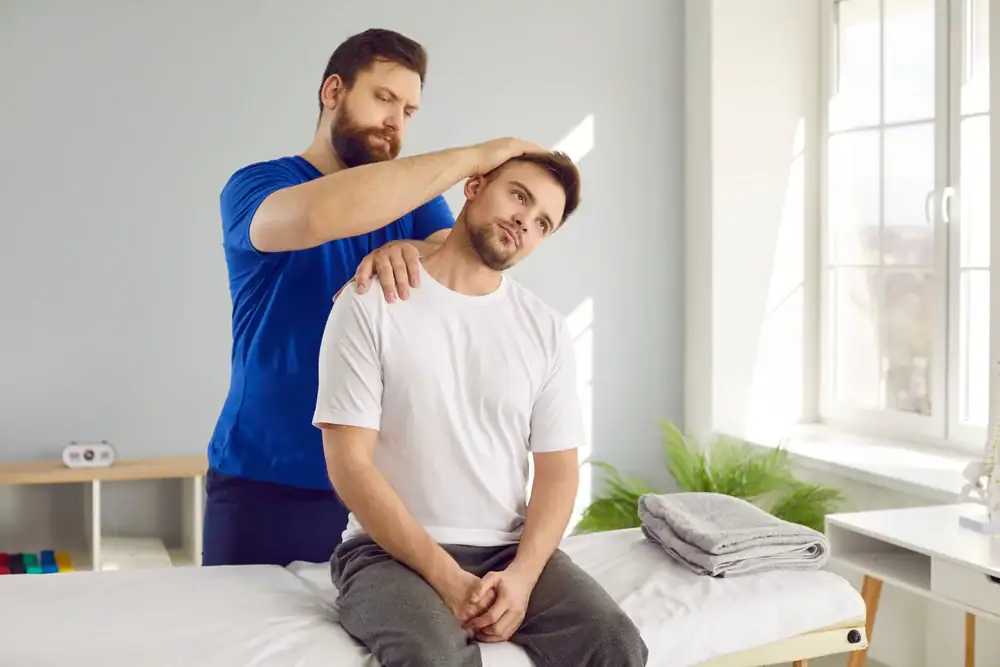
No, you don’t. New York has direct access laws, which means you can see a physical therapist without getting a prescription from your doctor first. You can call and schedule an appointment on your own.
That said, some insurance plans still require a referral for coverage, even though the state doesn’t require one for treatment. It’s worth checking your specific plan before your first visit. We can help you figure that out when you call.
Direct access matters because it means you can start treatment sooner. If you’re dealing with pain or mobility issues, waiting weeks for a doctor’s appointment just to get a referral delays your recovery. The sooner you start physical therapy, the better your outcomes typically are.
It depends on what you’re treating and how severe it is. Some people feel improvement within a few sessions. Others need several weeks or months, especially if they’re recovering from surgery or dealing with chronic conditions.
Acute injuries—like a sprained ankle or pulled muscle—usually respond faster than long-term issues. If you’ve been dealing with back pain for years, it’s going to take longer to address than something that just happened last week. Neurological rehabilitation and stroke recovery typically require longer treatment timelines because you’re retraining your nervous system.
What matters more than timeline is consistency. Showing up to your sessions and doing the exercises at home makes a significant difference in how quickly you progress. We’ll give you a realistic expectation during your evaluation based on your specific situation, and we’ll track your progress so you can see the improvements as they happen.
Wear comfortable clothes that let you move easily. Think workout clothes—athletic shorts or pants, a t-shirt, and sneakers. You’ll be doing exercises, stretches, and movements, so you don’t want anything restrictive.
If we’re working on a specific area, wear something that gives us access to it. Knee problems? Shorts are better than jeans. Shoulder injury? A tank top or loose t-shirt works better than a button-down. If you’re not sure, just wear what you’d wear to the gym.
Bring your sneakers even if you don’t wear them to the appointment. We’ll likely have you doing balance work, gait training, or strength exercises where proper footwear matters. Flip-flops and dress shoes don’t give you the support you need for most physical therapy exercises.
You might feel some discomfort during certain exercises, especially if we’re working on tight muscles or limited range of motion. But physical therapy shouldn’t cause sharp pain or make your condition significantly worse.
There’s a difference between therapeutic discomfort and harmful pain. Stretching a tight muscle might feel uncomfortable, but it shouldn’t feel like you’re injuring yourself. We’ll always ask you about your pain level and adjust what we’re doing based on your feedback. If something hurts in a bad way, speak up immediately.
Some soreness after your first few sessions is normal, similar to how you might feel sore after starting a new workout routine. Your body is moving in ways it hasn’t moved in a while, and muscles that have been weak or inactive are being challenged. That soreness typically decreases as your body adapts. If it doesn’t, or if pain increases, we’ll modify your treatment plan.
Most insurance plans cover physical therapy, but coverage varies significantly depending on your specific plan. Some plans cover a set number of visits per year. Others require you to meet a deductible first. Some need prior authorization before you start treatment.
We handle insurance verification and can tell you what your plan covers before your first appointment. Bring your insurance card when you call or come in, and we’ll contact your insurance company to find out your benefits, copay amounts, and any limitations on coverage.
If you don’t have insurance or your plan doesn’t cover physical therapy, we can discuss payment options. Some people choose to pay out of pocket because they want to start treatment immediately without waiting for insurance approval. Others use health savings accounts or flexible spending accounts to cover costs. We’ll work with you to figure out what makes sense for your situation.
Absolutely. Preventing your first fall is much better than recovering from one. Fall prevention therapy is designed for people who feel unsteady, have balance issues, or are worried about falling—even if they haven’t actually fallen yet.
We’ll assess your balance, gait, strength, and home environment risk factors. Then we’ll create a program that addresses your specific weaknesses. That might include balance training, proprioceptive exercises to improve your body’s sense of where it is in space, strength training for your legs and core, and gait training to improve how you walk.
Given that Nassau County has one of the highest rates of fall-related injuries in New York State, being proactive makes sense. The statistics are clear: falls are the leading cause of injury hospitalizations for adults over 65 here. But fall risk isn’t just an age issue—it’s about strength, balance, medication side effects, vision problems, and environmental hazards. We address all of those factors so you can move confidently and maintain your independence.
Other Services we provide in Harbor Hills