

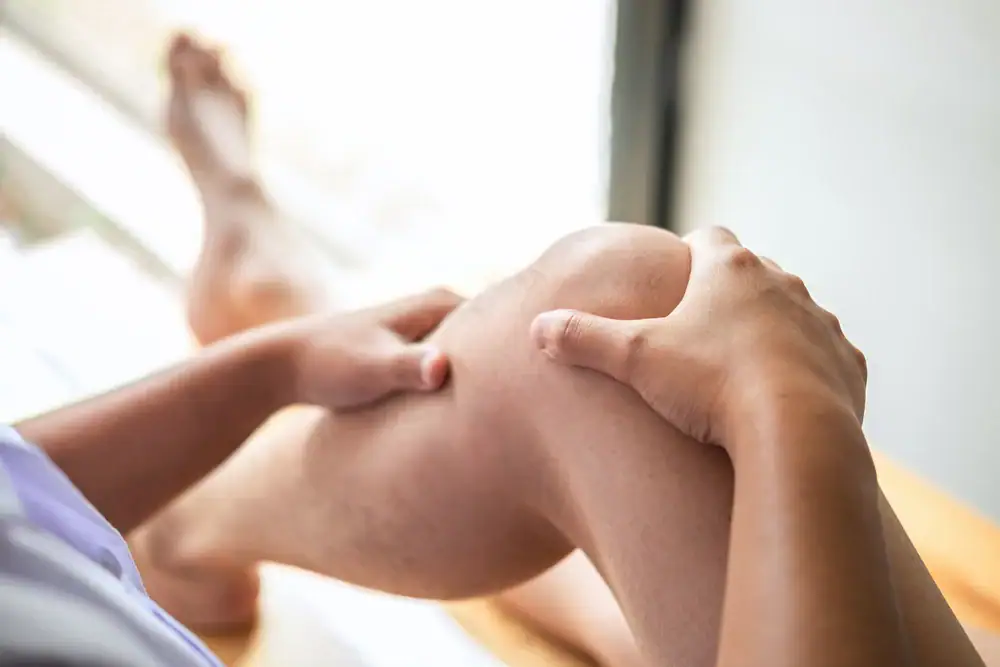
You shouldn’t have to choose between getting the care you need and dealing with the hassle of getting there. That’s the reality for too many people in Greenport West—especially if you’re managing chronic joint pain, recovering from surgery, or worried about falling.
Physical therapy works when you can actually do it consistently. When transportation isn’t an issue. When your treatment plan fits your life, not the other way around.
That’s what in-home physical therapy does. You get one-on-one attention from a licensed physical therapist who comes to you, evaluates your specific condition, and builds a plan around your goals—whether that’s walking without pain, preventing another fall, or getting back to the activities you’ve had to put on hold. No waiting rooms. No rushing. Just focused care that actually moves you forward.
We’ve been serving Long Island communities for years, with established locations in Smithtown and Speonk. We know the North Fork population—where 30% of residents are over 65 and most want to age in place, in their own homes.
That’s not just a preference. It’s a priority. And it requires access to care that actually shows up.
Our physical therapists are licensed, experienced, and focused on outcomes that matter to you: reducing pain, improving balance, building strength, and keeping you independent. We handle insurance coordination, communicate clearly about what’s happening and why, and don’t waste your time with cookie-cutter programs that don’t fit your situation.

First, we schedule an initial evaluation at your home. A licensed physical therapist assesses your mobility, strength, balance, and any pain or limitations you’re dealing with. This isn’t a quick look—it’s a full functional assessment that identifies exactly what’s causing the problem.
From there, we build a personalized treatment plan. If you’re recovering from knee surgery, that might include gait training and therapeutic exercise to restore range of motion. If you’re dealing with stroke rehabilitation or neurological issues, we focus on neuromuscular re-education and coordination. If fall prevention is the goal, we work on balance training and proprioceptive exercises that actually reduce your risk.
Each session happens in your home, on your schedule. You’ll do hands-on therapy, guided exercises, and strength training that progresses as you improve. We track your results, adjust the plan when needed, and keep you informed the whole way. Most patients see measurable improvement within the first few weeks—less pain, better movement, more confidence.

Ready to get started?
Your care includes everything you’d get at a clinic—just without the commute. That means manual therapy, therapeutic exercise, resistance and strength training, and targeted treatment for whatever condition brought you here: joint pain, post-surgery recovery, neurological rehabilitation, or injury rehab.
For older adults in Greenport West, fall prevention is one of the most requested services—and for good reason. Falls are the leading cause of injury for seniors, and the fear of falling can be just as limiting as the fall itself. Our balance and gait training programs address both the physical risk and the confidence issue, so you can move through your home and community without that constant worry.
We also work closely with patients managing chronic conditions like arthritis, recovering from hip or knee replacement, or dealing with the long-term effects of stroke. If you’ve been referred for pre-surgery or post-surgery rehabilitation, we coordinate with your physician to make sure the plan aligns with your medical team’s recommendations. And because we come to you, there’s no gap in care due to transportation or scheduling conflicts.
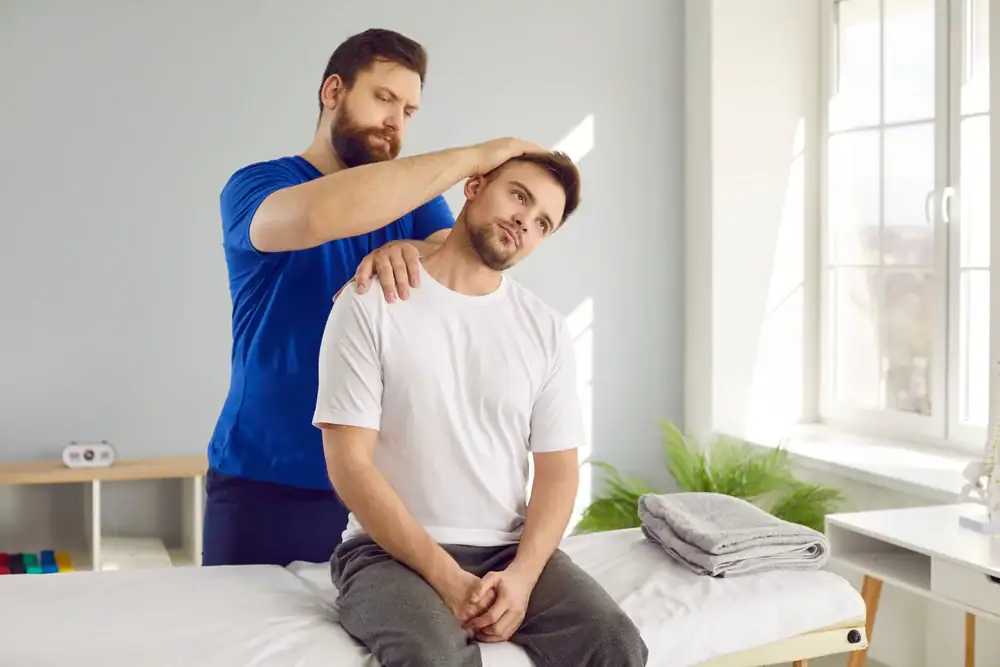
Most insurance plans cover in-home physical therapy when it’s medically necessary, including Medicare, Medicaid, and many private insurers. Medical necessity usually means you have a condition that limits your ability to leave home safely—like recent surgery, severe joint pain, balance issues, or neurological impairment.
We handle the insurance verification and prior authorization process for you. That includes confirming your coverage, submitting documentation to your insurer, and dealing with any approval requirements before we start treatment. You’ll know what’s covered and what your out-of-pocket cost will be before the first session.
If you’re unsure whether your plan covers home-based care, call us. We’ll check your benefits and explain your options in plain terms—no insurance jargon, no surprises later.
Most people notice some improvement within two to three weeks, but the full timeline depends on your condition, how long you’ve had the pain, and how consistently you follow the treatment plan. Acute injuries—like a sprained ankle or post-surgery recovery—often respond faster than chronic issues like arthritis or long-term back pain.
Here’s what actually happens: the first few sessions focus on reducing pain and inflammation using manual therapy, targeted exercises, and sometimes modalities like heat or ice. Once the pain starts to decrease, we shift toward strengthening and mobility work to address the root cause—weak muscles, poor movement patterns, or joint instability.
The key is consistency. If you only do therapy during sessions and skip the home exercises, progress stalls. If you stick with the plan, you’ll typically see measurable gains in pain reduction, range of motion, and function within four to six weeks. Some conditions take longer, and we’ll be upfront about realistic expectations from the start.
Fall prevention therapy focuses on three main areas: balance, strength, and environmental safety. We start with a fall risk assessment that looks at your gait, how you move from sitting to standing, your reaction time, and whether you have any vision or medication issues that increase risk.
From there, the treatment plan includes balance exercises that challenge your stability in controlled ways—standing on one leg, weight shifting, walking on different surfaces. We also do proprioceptive training, which helps your body sense where it is in space and react faster if you start to lose balance. Strength training is critical too, especially for your legs and core, because weak muscles are one of the biggest fall risk factors.
We also walk through your home and identify hazards: loose rugs, poor lighting, clutter in walkways, lack of grab bars in the bathroom. Small changes in your environment can make a huge difference. The goal isn’t just to prevent falls—it’s to give you the confidence to move freely without fear.
Yes. Stroke rehabilitation is one of the most common reasons people need in-home physical therapy, especially in the first few months after a stroke when mobility and coordination are most affected. The brain can rewire itself through repetitive, targeted movement—but only if you’re doing the right exercises consistently.
We focus on neuromuscular re-education, which retrains your brain and muscles to work together again. That might include exercises to improve arm or leg movement, gait training to help you walk more normally, and balance work to reduce fall risk. If you’re dealing with weakness on one side of your body, we’ll work on strengthening the affected side while preventing compensatory patterns that can cause long-term problems.
The earlier you start, the better the outcomes tend to be. But even if it’s been months or years since your stroke, physical therapy can still improve function, reduce pain, and increase independence. We also coordinate with your doctor and any other therapists (like occupational or speech therapy) to make sure everyone’s on the same page.
Your first session is an evaluation, not a full treatment. It usually takes about an hour. The physical therapist will ask about your medical history, current symptoms, what activities are limited by pain or mobility issues, and what your goals are—whether that’s walking without a cane, getting back to gardening, or just moving through your day without discomfort.
Then comes the physical assessment. We’ll watch how you move, test your strength and range of motion, check your balance, and identify any movement patterns that might be contributing to the problem. If you’re recovering from surgery, we’ll look at the surgical site, any swelling, and how well you’re moving the affected joint.
At the end of the evaluation, we’ll explain what we found, what’s causing your symptoms, and what the treatment plan will look like—how many sessions per week, what types of exercises or manual therapy we’ll use, and how long it should take to see results. You’ll leave with a clear picture of what happens next and usually a few exercises to start working on before the next visit.
Yes, and both are important. Pre-surgery rehabilitation—also called “prehab”—prepares your body for the stress of surgery and can actually improve your recovery outcomes. If you’re scheduled for a knee or hip replacement, for example, we’ll work on strengthening the surrounding muscles, improving range of motion, and teaching you the exercises you’ll need to do after surgery. Going into surgery stronger means you’ll recover faster.
Post-surgery rehabilitation is where most people think of physical therapy, and it’s critical for getting full function back. Whether you’ve had orthopedic surgery, a joint replacement, or another procedure, we’ll start with gentle movement to reduce swelling and prevent stiffness, then gradually progress to strengthening and functional exercises that get you back to normal activities.
We work directly with your surgeon’s protocol, so the plan matches their timeline and restrictions. And because we come to your home, you can start therapy as soon as you’re cleared—no waiting until you’re able to drive to a clinic. That early intervention makes a real difference in how well and how quickly you recover.
Other Services we provide in Greenport West