


You’re not looking for a gym membership. You’re looking to walk without wincing, play with your grandkids without worry, or get through your day without that nagging joint pain slowing you down.
That’s what physical therapy actually does. It gives you back the movements you’ve been avoiding and the confidence you’ve been missing. Whether it’s recovering from a stroke, preventing another fall, or finally addressing that knee pain you’ve been ignoring for months—treatment here is built around your specific situation.
You’ll work one-on-one with a licensed physical therapist who takes the time to understand what’s not working and why. Then you’ll get a plan that’s yours—not a photocopy of someone else’s. The goal isn’t just less pain. It’s getting you back to the things you’ve had to put on hold.
We operate right here in Great Neck Gardens, NY, and across Nassau County. We understand the local demographics—nearly half of insured residents in this area are over 64, and many are managing mobility concerns, post-surgical recovery, or chronic pain that limits daily life.
Our team includes licensed physical and occupational therapists who’ve built their careers around helping people regain independence. We manage multiple locations with the same standard: personalized care, transparent communication, and a treatment plan that respects your time and your goals.
You won’t get shuffled through a system here. Your therapist will know your name, your progress, and what you’re working toward. That’s how it should be.

First, you’ll sit down with your therapist for an evaluation. This isn’t a quick glance—it’s a full assessment of your movement, your pain, your balance, and your goals. You’ll talk through what’s been limiting you and what you want to get back to doing.
From there, your therapist builds a treatment plan specific to your condition. That might include therapeutic exercise, gait training if you’re recovering from a stroke, balance and proprioceptive training to reduce fall risk, or manual therapy for joint pain. Every session is one-on-one, and your therapist adjusts the plan as you progress.
Most patients come in two to three times a week, depending on the severity of the issue. You’ll also get exercises to do at home—not busywork, but targeted movements that speed up recovery. And if getting to the clinic is difficult, in-home physical therapy is available so you can receive care in your own space.
You’ll see measurable progress. That’s the point. Less pain, better movement, more confidence. And once you hit your goals, you’re done—no drawn-out treatment plans that don’t make sense.

Ready to get started?
Your care might include fall prevention therapy, which is critical in Nassau County where falls are a leading cause of injury for older adults. Balance training and neuromuscular re-education help you move with more stability and less fear.
If you’re recovering from a stroke, neurological rehabilitation focuses on rebuilding coordination, strength, and gait patterns. Stroke rehabilitation here is personalized to where you are in recovery—not a one-size-fits-all protocol.
Joint pain treatment combines manual therapy, resistance and strength training, and therapeutic exercise to reduce inflammation and restore range of motion. Pre and post surgery rehabilitation prepares your body before a procedure and accelerates healing after. And for those dealing with sports injuries or general injury rehabilitation, treatment is designed to get you back to full function as quickly and safely as possible.
Occupational therapy is also available when daily tasks—dressing, cooking, bathing—have become difficult. The goal is always the same: help you do what you need to do, independently and without pain.
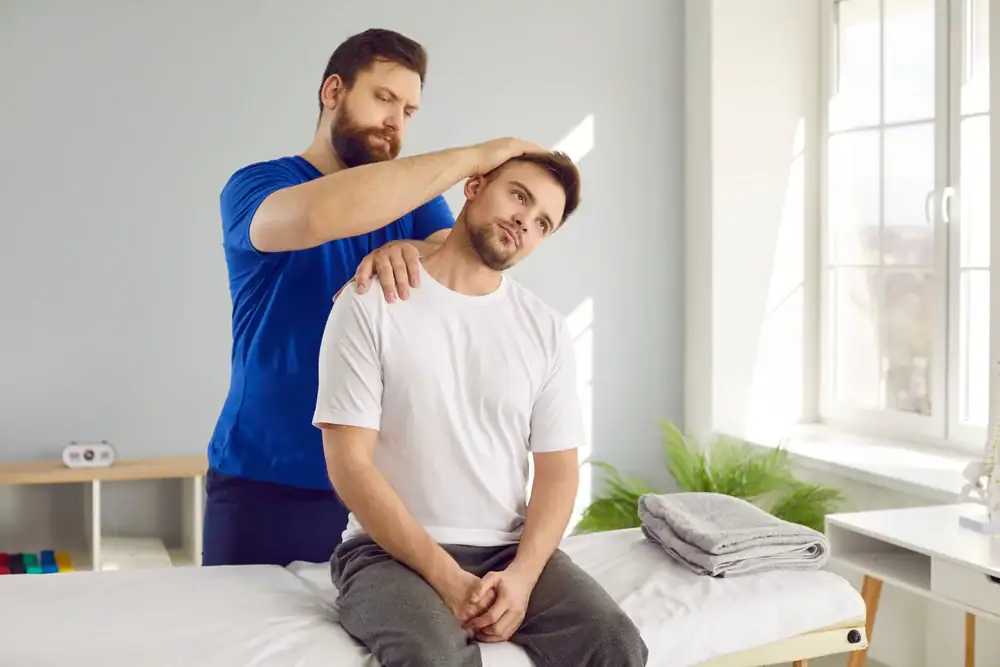
Most insurance plans in New York allow direct access to physical therapy, which means you don’t need a referral from your doctor to start treatment. You can call and schedule an evaluation on your own.
That said, some insurance carriers still require a referral for coverage, so it’s worth checking your specific plan. If you’re unsure, our front desk can help you figure it out before your first visit. Either way, getting started is faster than most people expect.
If you do have a referral, bring it with you. If not, your therapist can coordinate with your physician as needed throughout your care.
It depends on what you’re treating and how severe the issue is. Some people feel improvement after just a few sessions. Others need several weeks of consistent treatment to see real change.
For something like acute joint pain or a minor injury, you might be looking at four to six weeks. Stroke rehabilitation or post-surgery recovery can take longer—sometimes several months—but you’ll see progress along the way. Your therapist will give you a realistic timeline during your evaluation based on your specific condition.
The key is consistency. Patients who show up to their sessions and do their home exercises recover faster. Skipping appointments or ignoring the at-home work stretches out the process and limits results.
Wear something comfortable that lets you move freely. Loose athletic clothing works well—think gym clothes, not jeans or anything restrictive.
If your therapist needs to assess or treat your knee, hip, or shoulder, they’ll need to see and touch the area. So shorts or a tank top can make things easier depending on what you’re being treated for. You don’t need to bring anything fancy. Just wear what you’d wear to exercise.
If you’re coming in for balance training or gait work, bring supportive sneakers. Flip-flops and dress shoes don’t give your therapist an accurate picture of how you move, and they’re not safe for certain exercises.
You might feel some discomfort during certain exercises, especially if you’re working through stiffness or rebuilding strength. But physical therapy shouldn’t cause sharp or lasting pain.
Your therapist will push you enough to make progress, but not so much that you’re in agony. If something hurts in a bad way, speak up. They’ll adjust the exercise or try a different approach. The goal is to reduce your pain over time, not add to it.
Some soreness after a session is normal—similar to what you’d feel after a workout. That usually fades within a day or two. If it doesn’t, let your therapist know at your next visit so they can modify your plan.
We work with most major insurance plans, including Medicare. The best way to confirm coverage is to call our office with your insurance information before your first appointment.
Our team can verify your benefits, let you know what your copay or deductible looks like, and answer any billing questions up front. That way there are no surprises later.
If you don’t have insurance or your plan doesn’t cover physical therapy, ask about self-pay options. Our front desk can walk you through pricing so you know exactly what you’re paying before you commit to treatment.
Yes. In-home physical therapy is available if getting to the clinic isn’t realistic for you. This works well for patients recovering from surgery, dealing with severe mobility limitations, or managing conditions that make travel difficult.
Your therapist will come to your home and provide the same level of care you’d receive in the clinic. They’ll assess your living space, work with the equipment you have, and build a treatment plan that fits your environment.
In-home therapy is especially helpful for fall prevention, since your therapist can identify hazards in your actual home and teach you how to move safely in the spaces you use every day. Insurance often covers home visits if they’re medically necessary, but eligibility varies by plan.
Other Services we provide in Great Neck Gardens