

You stop worrying about falling every time you stand up. That’s what happens when balance training and gait training become part of your routine, not just something you hope improves on its own.
Pain that’s been sitting in your joints for months starts to ease. Not because you’re masking it, but because therapeutic exercise and neuromuscular re-education address what’s actually causing it. You move differently. You feel steadier.
The stairs don’t feel like a risk anymore. Getting out of a chair doesn’t require a strategy. You’re not planning your day around what your body can’t do. That shift—from limitation to capability—is what physical therapy creates when it’s done right. And in Glen Cove, where over 21% of residents are over 65, that shift matters more than ever.
We operate across Long Island with a focus on doing things the right way. That means verified locations, secure patient data, and a team that doesn’t cut corners on care or communication.
Glen Cove has one of the highest senior populations on Long Island. We know that. We also know what that means for fall risk, joint pain, and post-surgery recovery. Our physical therapists work with people who need results, not reassurance.
You’ll find us responsive when you call. Clear when you ask questions. Focused on your progress, not our schedule. We’ve built our reputation here by showing up consistently and delivering care that actually moves the needle.

First, we assess where you are. Not just your pain level, but how you move, what you’re avoiding, and what’s limiting you day-to-day. This isn’t a five-minute intake. We’re looking at balance, strength, gait, range of motion—the full picture.
Then we build a plan. If you’re recovering from a stroke, that means neurological rehabilitation focused on regaining function. If you’re dealing with chronic joint pain, we’re using resistance and strength training combined with manual therapy. If you’ve had surgery, pre and post surgery rehabilitation guides every stage of your recovery.
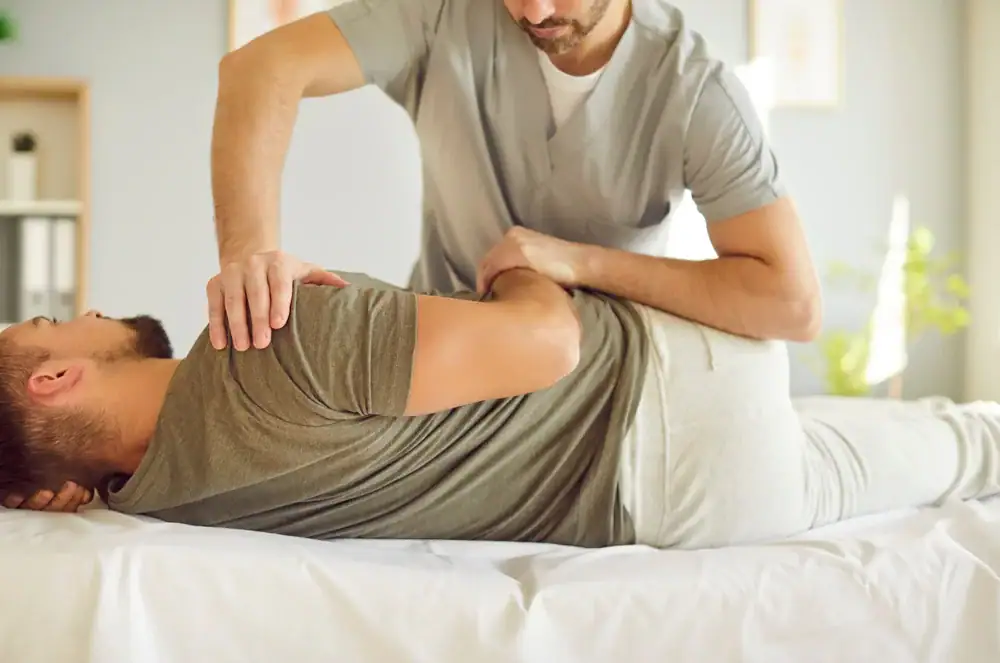
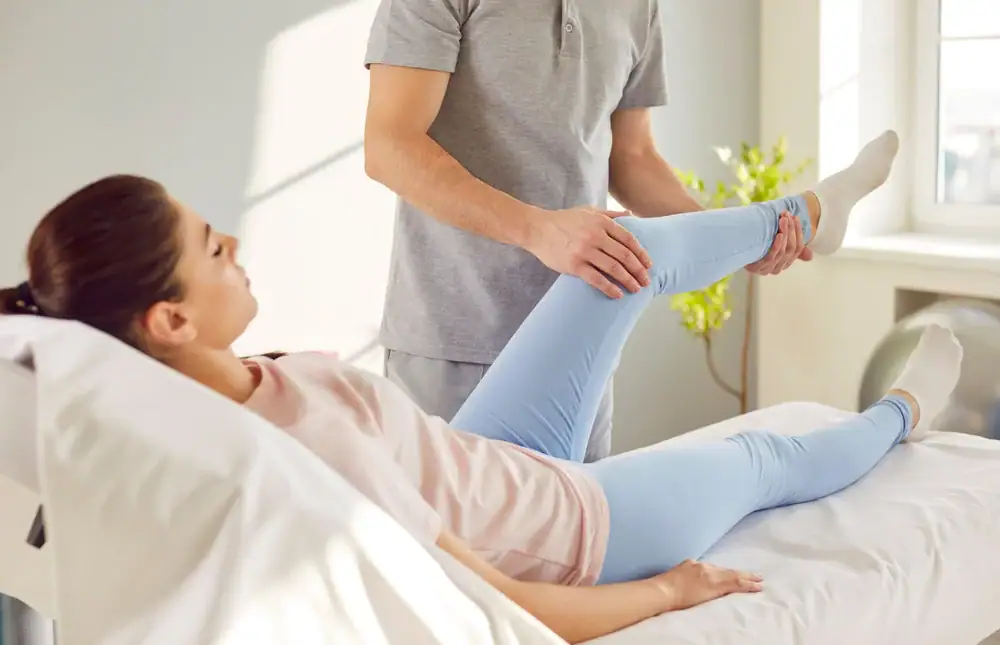
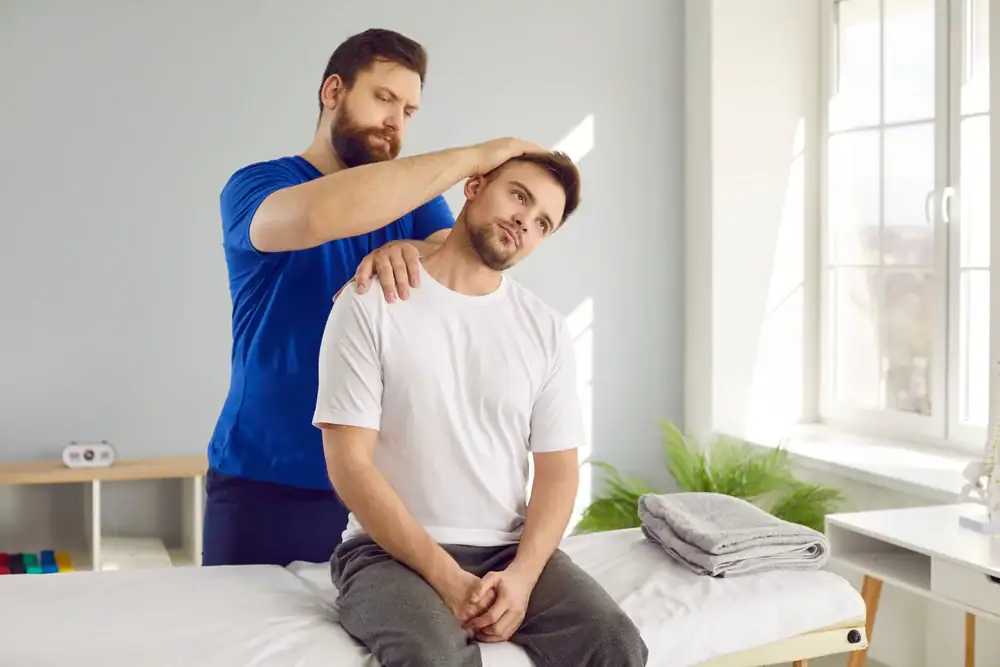
Treatment happens in our clinic or in your home if that’s what works better for you. In-home physical therapy is an option for people who have mobility challenges or prefer the convenience. Sessions are hands-on. You’re not left alone with a printout of exercises. We’re adjusting, correcting, and progressing your program as you improve.
You’ll know if it’s working because you’ll feel the difference. Less pain. Better balance. More confidence when you move. That’s the standard.
Ready to get started?
Fall prevention is a major focus here. Glen Cove’s senior population faces higher fall risk than the national average, and falls are the leading cause of injury-related death among older adults. We use balance and proprioceptive training to reduce that risk by as much as 25%. You learn how to move safely. Your body relearns how to stabilize itself.
Stroke rehabilitation and neurological rehabilitation are core services. About 18% of physical therapy patients are dealing with neurological conditions—Parkinson’s, MS, stroke recovery. This work is slow and specific, but it’s also some of the most impactful. Function comes back in stages, and we’re there for all of them.
Occupational therapy and injury rehabilitation round out the program. You might need help getting back to work after an accident. You might need support managing arthritis or joint pain that’s been limiting your routine. Therapeutic exercise, manual therapy, and neuromuscular re-education all play a role depending on what you’re dealing with. Every plan is built around your goals, your timeline, and your body’s response to treatment.
Most insurance plans in New York don’t require a referral for physical therapy. You can call and schedule directly. That said, some plans do have referral requirements, so it’s worth checking your specific coverage before your first visit.
If you’re on Medicare, you typically don’t need a referral either. Medicare Part B covers physical therapy as long as it’s deemed medically necessary. We handle insurance verification upfront so there are no surprises when it comes to billing.
If you’re unsure, just call. We’ll walk you through what your plan covers and whether a referral is needed. The goal is to get you in and started without unnecessary delays.
Most people start noticing changes within two to three weeks. That might be less pain, better range of motion, or improved balance. But “results” depend on what you’re treating and how consistent you are with the program.
If you’re recovering from surgery, expect a longer timeline—sometimes several months depending on the procedure. Stroke rehabilitation and neurological conditions also take time. Progress is gradual, but it’s measurable. We track it so you can see where you started and where you’re headed.
Chronic pain and joint issues often improve faster, especially when the root cause is addressed through therapeutic exercise and manual therapy. Consistency matters more than intensity. Showing up twice a week and doing your home exercises will get you further than sporadic visits.
In many cases, yes. Physical therapy can reduce the need for surgery by addressing the underlying dysfunction causing your pain or limitation. Studies show that people who try PT first often avoid surgical intervention entirely, especially for conditions like knee osteoarthritis, rotator cuff issues, and lower back pain.
Surgery is sometimes necessary. But if there’s a non-invasive option that works, most people prefer to try that first. PT focuses on strengthening the muscles around the affected area, improving mobility, and reducing inflammation. That combination can eliminate the need for a procedure.
We’re not anti-surgery. We’re pro-function. If PT gets you back to where you need to be, that’s the win. If it doesn’t, at least you tried the conservative route first. And if you do end up needing surgery, pre and post surgery rehabilitation will make your recovery faster and smoother.
Physical therapy focuses on movement—strength, balance, mobility, pain reduction. Occupational therapy focuses on function—helping you perform daily tasks like dressing, cooking, bathing, or getting back to work.
There’s overlap. Both involve exercises. Both help with recovery. But the goals are different. PT asks: can you walk without pain? Can you climb stairs? Can you stand without losing your balance? OT asks: can you button your shirt? Can you open a jar? Can you get in and out of the car safely?
We offer both. Sometimes you need one. Sometimes you need both. If you’ve had a stroke, you might work with a physical therapist on gait training and an occupational therapist on regaining hand coordination. We coordinate care so nothing falls through the cracks.
Yes. Medicare Part B covers physical therapy when it’s considered medically necessary and prescribed by a doctor or provided by a licensed therapist. You’ll pay 20% of the Medicare-approved amount after you meet your deductible.
There used to be a cap on how much therapy Medicare would cover per year, but that’s been removed. Now, coverage is based on medical necessity. Your therapist has to document that you’re making progress and that continued treatment is justified.
We work with Medicare patients regularly. We handle the paperwork, submit claims, and keep you informed about your coverage. If you’re concerned about costs, we’ll go over everything upfront so you know what to expect. No one should skip physical therapy because they’re worried about the bill.
Yes. In-home physical therapy is available and often makes more sense depending on your situation. If you have mobility limitations, live alone, or just feel more comfortable at home, we can bring treatment to you.
Home-based therapy works well for fall prevention, post-surgery recovery, and neurological rehabilitation. Your therapist will assess your living environment, identify fall risks, and design a program that fits your space. You’ll still get hands-on treatment, progress tracking, and exercise instruction—just in a setting that’s more convenient.
Some people prefer the clinic because it gets them out of the house and gives them access to specialized equipment. Others do better at home. Both options deliver results. It’s about what works for your lifestyle and your goals.
Other Services we provide in Glen Cove