

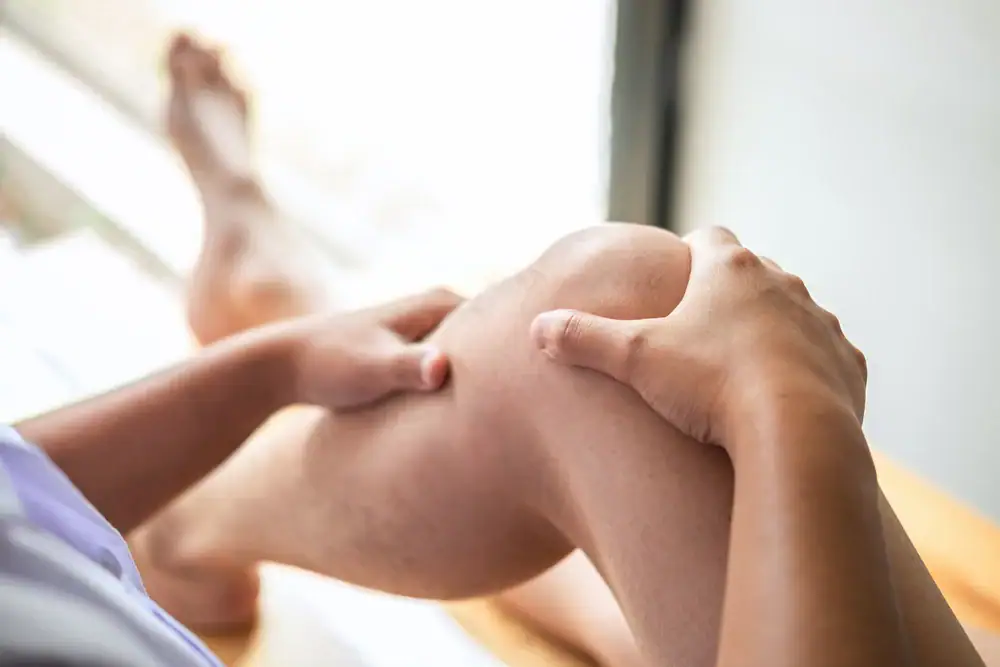
You’re not looking for temporary relief. You want to walk without worrying about falling, sleep without waking up stiff, and get through your day without planning around pain.
That’s what physical therapy should do. Not just manage symptoms, but actually rebuild strength, restore balance, and give you back the confidence to move freely. Whether you’re dealing with joint pain that’s been getting worse, recovering from a stroke or surgery, or you’ve noticed your balance isn’t what it used to be—the right treatment makes a measurable difference.
Most people wait too long. They try to push through, hoping it’ll get better on its own. But the longer you wait, the harder it becomes to regain what you’ve lost. Fall prevention isn’t just about avoiding injury—it’s about maintaining independence. Gait training and balance work aren’t just exercises—they’re what keep you from becoming afraid of your own home.
We’ve been serving Freeport and the surrounding Long Island communities through multiple locations, including affiliations with Physical Therapy Associates of Smithtown and Speonk. That kind of reach doesn’t happen by accident—it comes from consistently helping people get better.
Every therapist on our team is licensed and trained in neurological and orthopedic rehabilitation. But more than credentials, what matters is how we work with you. Treatment plans here aren’t cookie-cutter. They’re built around your specific limitations, your goals, and what’s actually realistic for your situation.
Freeport has a large population of older adults, many dealing with arthritis, diabetes-related complications, and mobility concerns. We understand what’s common here—and what works. You’re not getting a generic approach. You’re getting care that’s shaped by years of treating people in this exact community.

Your first session starts with a full assessment. Not a quick look—an actual evaluation of your movement, strength, balance, and pain levels. We’ll ask about your history, what you’ve tried before, and what’s not working. This isn’t about rushing you into a program. It’s about understanding what’s really going on.
From there, you’ll get a personalized treatment plan. That might include therapeutic exercise to rebuild strength, neuromuscular re-education to retrain how your body moves, or proprioceptive training to improve balance and coordination. If you’re recovering from surgery, the focus will be on pre and post surgery rehabilitation—getting you back to full function safely. If you’ve had a stroke, neurological rehabilitation becomes the priority.
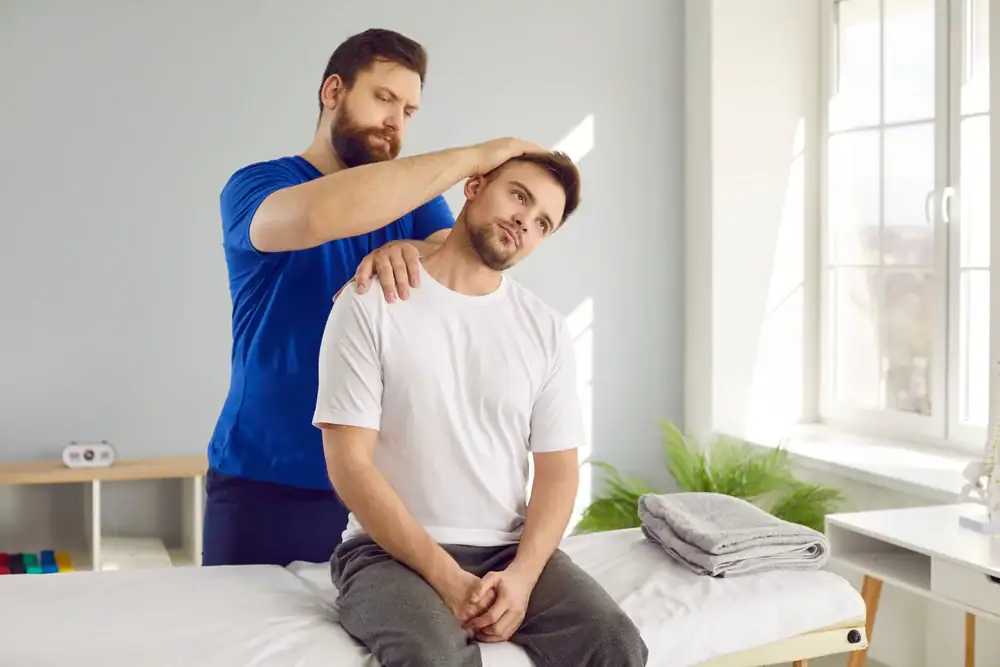
Sessions are hands-on. You’re not left alone with a printout of exercises. We work with you, adjust techniques in real time, and track your progress week to week. If something isn’t working, the plan changes. And if you need in-home physical therapy because getting to an office isn’t realistic, that’s available too.

Ready to get started?
Fall prevention is one of the most requested services—and for good reason. Falls are the leading cause of injury for adults over 65, and in a town like Freeport where many residents are aging in place, balance training can be the difference between independence and a hospital visit. Our program includes gait training, strength work, and exercises that retrain your body’s sense of position and movement.
Joint pain treatment focuses on reducing inflammation, improving range of motion, and strengthening the muscles around problem areas. Whether it’s your knee, hip, shoulder, or back, the goal is to get you moving without compensation patterns that make things worse. Resistance and strength training are built into most plans—not to make you a bodybuilder, but to give your joints the support they need.
Stroke rehabilitation and neurological rehabilitation address the specific challenges that come with brain or nerve injuries. This includes relearning movement patterns, improving coordination, and rebuilding endurance. Occupational rehabilitation helps if your injury is affecting your ability to work or perform daily tasks. And injury rehabilitation covers everything from sports injuries to accidents—getting you back to baseline as quickly and safely as possible.
Most people notice some improvement within two to three weeks, but that depends entirely on what you’re treating and how severe it is. If you’re dealing with acute pain from a recent injury, you might feel relief faster. If you’re working through chronic issues or recovering from a stroke, it takes longer to rebuild strength and retrain movement patterns.
A typical treatment plan runs six to eight weeks, with sessions two to three times per week. But that’s not a hard rule. Some people need more time. Others progress faster than expected. We’ll reassess regularly and adjust based on how you’re responding.
What slows people down is inconsistency. Skipping sessions or not doing the exercises at home makes a difference. Physical therapy isn’t passive—it requires your participation. But if you show up and put in the work, the results follow.
It’s not overstated. Balance training and gait work have been shown to reduce fall risk by as much as 86% in older adults. That’s not a small number—it’s the difference between staying in your home and ending up in a nursing facility after a hip fracture.
Falls happen for specific reasons: weak legs, poor balance, slow reaction time, vision issues, or medication side effects. Physical therapy addresses the mechanical side—strengthening your legs, improving how you shift your weight, and retraining your body to catch itself when you stumble. Proprioceptive training helps your brain and muscles communicate better, so you’re not relying solely on vision to stay upright.
The key is starting before a fall happens. Once you’ve fallen and lost confidence, it’s harder to rebuild. But if you’re already noticing balance issues, catching yourself on furniture, or feeling unsteady on uneven ground—that’s the time to act. Waiting doesn’t make it easier.
No. New York allows direct access to physical therapy, which means you can schedule an evaluation without a doctor’s referral. You can call, book an appointment, and start treatment right away.
That said, insurance coverage can vary. Some plans require a referral for them to cover the sessions, even though the state doesn’t require one for treatment. It’s worth calling your insurance company to confirm what they need before your first visit. Our office can also help you navigate that if you’re not sure.
If you’ve been dealing with pain or mobility issues and you’ve been putting it off because you didn’t want to go through your primary care doctor first, you don’t have to. You can come straight to us and get an assessment. If we determine you need imaging or further medical evaluation, we’ll refer you out. But in most cases, therapy can start immediately.
Physical therapy focuses on movement—improving strength, balance, mobility, and reducing pain. If you’re having trouble walking, standing, climbing stairs, or moving a joint through its full range, that’s physical therapy. The goal is to restore function in how your body moves.
Occupational therapy focuses on daily tasks—getting dressed, cooking, bathing, writing, or using a computer. If an injury or condition is affecting your ability to perform activities of daily living or work-related tasks, occupational therapy helps you adapt or regain those skills. It’s more about function in context, less about raw movement.
There’s overlap. Someone recovering from a stroke might need both. Physical therapy helps them walk again. Occupational therapy helps them use their hand to hold a fork or button a shirt. We offer both, and in many cases, our therapists work together to build a complete plan. You’re not choosing one or the other—you’re getting what you actually need.
Yes, if it’s done right. In-home physical therapy works well for people who have trouble leaving the house—whether that’s due to mobility limitations, transportation issues, or post-surgical restrictions. We bring the equipment and expertise to you, and the treatment happens in the environment where you actually live.
There are some advantages to being at home. We can assess your specific setup—stairs, bathroom layout, furniture placement—and make recommendations that improve safety. We can also work with you on real-world tasks, like getting in and out of your shower or navigating your front steps. That’s harder to replicate in a clinic.
The downside is access to equipment. A clinic has more tools—resistance machines, balance platforms, parallel bars. But a skilled therapist can work around that with resistance bands, body weight exercises, and functional movements. For many people, especially those recovering from surgery or managing chronic conditions, in-home therapy is not only effective—it’s more practical.
Most insurance plans cover physical therapy, including Medicare and Medicaid. But coverage varies depending on your plan, your deductible, and whether you’ve hit your out-of-pocket max for the year. Some plans cover a set number of visits per year. Others cover therapy as long as it’s medically necessary and showing progress.
Copays typically range from $20 to $50 per session, but that depends on your plan. If you haven’t met your deductible yet, you might pay more upfront. Medicare Part B covers physical therapy with a copay after you’ve met your deductible, and there’s no longer a hard cap on visits as long as the therapy is deemed medically necessary.
The best move is to call our office before your first visit and give us your insurance information. We can verify your benefits and tell you what to expect. If you don’t have insurance or your plan doesn’t cover therapy, ask about self-pay rates. Some offices offer payment plans or sliding scale options. Don’t skip treatment because you’re worried about cost—find out what it actually is first.
Other Services we provide in Freeport