


One in four older adults falls each year. That statistic matters because falls don’t just cause injuries—they create fear that keeps you from doing what you love. Research shows balance exercise programs supervised by physical therapists reduce fall rates by 23%. That’s not a small number when you’re the one worried about walking to the mailbox.
Fall prevention therapy works because it addresses the actual causes. Weak muscles, poor balance, gait problems—these aren’t just part of getting older. They’re fixable. Through targeted balance training, proprioceptive exercises, and strength work, you rebuild the stability that lets you move confidently again.
Most patients notice real improvements within 4-6 weeks. Maximum benefits typically show up after 8-12 weeks of consistent work. You’re not committing to years of treatment. You’re investing a few months to regain independence that lasts.
We’ve been serving East Norwich and the surrounding Long Island communities through multiple locations, including our affiliated centers in Smithtown and Speonk. We’re not a corporate chain rotating therapists every visit. You work with professionals who know your name, your goals, and your progress.
East Norwich has access to plenty of healthcare options—12 hospitals nearby with physical therapy specialists. What sets us apart isn’t just clinical expertise. It’s how we run our practice. Every Google Business Profile is verified and secured. Staff access is controlled. Your patient data is protected. These aren’t marketing claims—they’re operational standards we maintain because your trust matters more than convenience.
We keep communication open and responsive. Treatment plans are personalized based on your actual needs, not a template. And we’re transparent about what insurance covers, what treatment involves, and how long recovery typically takes.

Your first visit starts with a real assessment. We’re looking at your movement patterns, balance, strength, pain levels, and what’s actually limiting you in daily life. This isn’t a quick screening—it’s a detailed evaluation that identifies the specific problems we need to address.
From there, we build your treatment plan. If you’re dealing with fall risk, that means balance exercises, gait training, and strength work targeting the muscle groups that keep you stable. For stroke rehabilitation or neurological issues, we focus on neuromuscular re-education and functional movement. Post-surgical patients get targeted rehab that respects healing timelines while preventing stiffness and weakness.
Sessions are hands-on. You’re doing therapeutic exercises, resistance training, and movement drills that directly improve your function. We adjust intensity and approach based on how you’re responding. Between sessions, you’ll have exercises to do at home—not busywork, but specific movements that accelerate your progress.
We track measurable outcomes. Balance scores. Pain levels. Range of motion. Functional abilities like climbing stairs or walking without assistance. You’ll know if treatment is working because the numbers and your daily life will show it.

Ready to get started?
Our physical therapy services cover the conditions East Norwich residents actually deal with. Fall prevention and balance training for older adults who want to stay independent. Stroke rehabilitation and neurological therapy for patients recovering from serious health events. Joint pain treatment that doesn’t rely on medications—important when you consider physical therapy patients have 75% lower treatment costs in the first year compared to those who get an MRI first.
We handle pre and post-surgery rehabilitation, whether you’re preparing for a procedure or recovering from one. Injury rehabilitation for sports injuries, accidents, or overuse problems. Gait training when walking has become difficult or painful. Occupational therapy for patients who need help with daily activities and fine motor skills.
Treatment success rates for physical therapy range between 68% and 72%. That means most patients see meaningful improvements in movement, pain, and function. We also offer in-home physical therapy for patients who can’t easily travel to our office—because accessibility shouldn’t prevent you from getting care.
The physical therapy market is growing at 4.6% annually, driven partly by patients choosing drug-free treatment over opioids. You’re not alone in wanting an alternative to medication. Research consistently shows physical therapy reduces opioid use and provides lasting relief for musculoskeletal conditions.
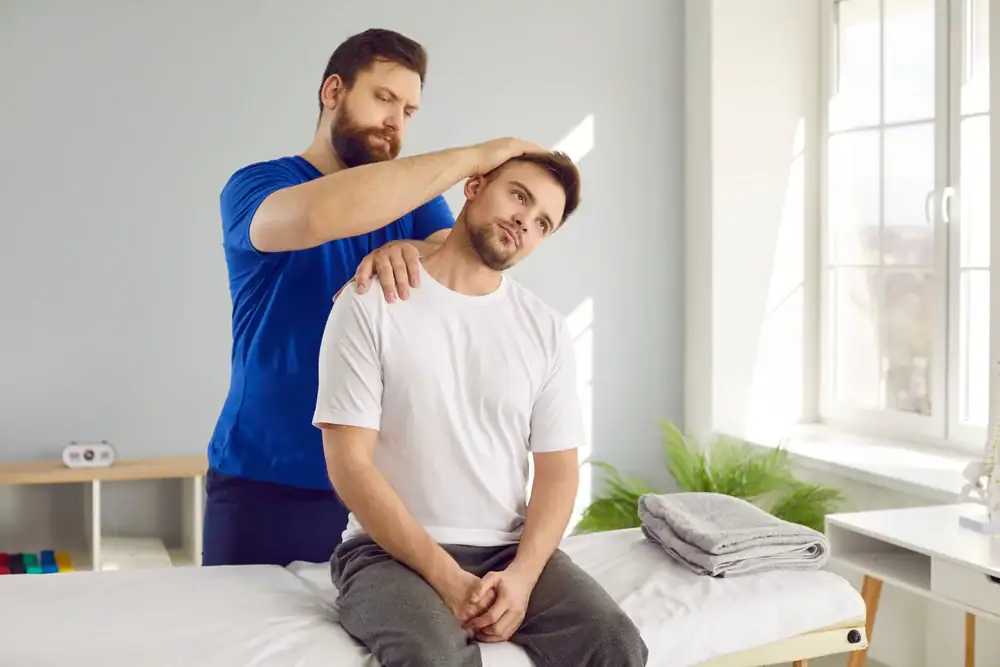
Most patients start noticing better balance and confidence within 4-6 weeks of consistent therapy. Maximum benefits typically appear after 8-12 weeks of regular sessions. That timeline isn’t arbitrary—it’s based on how long your neuromuscular system needs to adapt and strengthen.
Fall prevention isn’t a quick fix because we’re retraining multiple systems. Your muscles need to get stronger. Your balance reflexes need to sharpen. Your gait patterns need to improve. Each of these takes time, but the changes are measurable and lasting.
Research shows multifactorial interventions—combining balance exercises, strength training, and gait work—reduce fall risk by 30-35%. You’re not just doing generic exercises. Each session builds on the last, progressively challenging your balance and stability in ways that translate to real-world situations like walking on uneven surfaces or catching yourself if you stumble.
Most insurance plans cover physical therapy, but your specific coverage depends on your plan type, deductible, and whether you need a referral. Medicare typically covers therapy when it’s medically necessary and prescribed by a doctor. Many private insurance plans cover a set number of sessions per year.
We verify your insurance before you start treatment so you know exactly what you’ll pay. No surprises. If you have questions about coverage, we walk you through it during your first call. Some plans require prior authorization—we handle that paperwork.
Cost shouldn’t be a mystery. Physical therapy is often more cost-effective than alternatives. Studies show patients who see a physical therapist first have about 75% fewer treatment expenses in the initial year compared to those who get imaging or other interventions first. You’re investing in treatment that actually addresses the problem, not just masking symptoms.
Exercise is important, but physical therapy is targeted treatment based on a clinical assessment of your specific problems. We identify exactly which muscles are weak, which movement patterns are faulty, and which functional limitations need addressing. Then we design exercises that fix those specific issues.
Generic exercises might help generally, but they won’t correct the biomechanical problems causing your pain or fall risk. If your gait is off because of weak hip abductors, doing random leg exercises won’t fix it. You need targeted hip strengthening with proper form and progressive resistance—that’s what we provide.
We also adjust your program as you improve. What works in week one won’t challenge you enough in week six. Physical therapy progresses systematically, ensuring you’re always working at the right intensity to drive improvement without risking injury. Plus, we catch compensation patterns—when you’re unknowingly using the wrong muscles or moving incorrectly, which can create new problems.
Yes. Physical therapy is proven to reduce chronic musculoskeletal pain without drugs. Research shows it significantly lowers the risk of future opioid use for pain patients. That matters when you’re dealing with joint pain, back problems, or arthritis that’s been affecting your quality of life.
Pain isn’t always about damage—it’s often about dysfunction. Weak muscles, poor movement patterns, and joint stiffness create pain cycles that medication only masks. Physical therapy breaks that cycle by addressing the mechanical causes. We strengthen supporting muscles, improve mobility, restore proper movement, and reduce the stress on painful areas.
Treatment includes therapeutic exercise, manual therapy, neuromuscular re-education, and functional training. You’re not just managing pain—you’re fixing what’s causing it. Most patients see measurable pain reduction within the first few weeks as strength improves and movement becomes easier. The goal isn’t to make you dependent on ongoing treatment. It’s to give you the tools and strength to manage your condition long-term.
Your first session is an evaluation, not a full treatment. Expect to spend 45-60 minutes with your therapist. We’ll discuss your medical history, current symptoms, what activities are limited, and what your goals are. Be specific—”I want to walk my dog without fear of falling” is more useful than “I want better balance.”
Then comes the physical assessment. We’ll watch how you move, test your strength, check your balance, measure range of motion, and identify pain points. If you’re coming for fall prevention, we’ll assess your gait and use screening tools to measure fall risk. For post-surgical rehab, we’ll evaluate healing progress and current limitations.
By the end, you’ll have a clear treatment plan. We’ll explain what we found, what needs work, and how we’ll address it. You’ll know how many sessions we’re recommending, what exercises you’ll be doing, and what realistic outcomes look like. Most patients start some light therapeutic exercise during that first visit—nothing intense, just initial movements that begin the recovery process.
Yes. In-home physical therapy is available for patients who have difficulty traveling to our office. This is common for stroke recovery patients, those with severe mobility limitations, or anyone who’s recently had surgery and can’t easily get to appointments.
Home-based therapy isn’t less effective—it’s just delivered in your environment. In some ways, it’s more practical because we’re working with you in the space where you actually need to function. We can address real obstacles like stairs, bathroom access, or kitchen mobility that matter in your daily life.
Sessions follow the same clinical standards as office visits. We bring necessary equipment, conduct thorough assessments, and provide the same quality care. The main difference is convenience and context. You’re not dealing with transportation, and we’re seeing firsthand what environmental factors might be affecting your recovery or safety. If in-home therapy makes sense for your situation, we’ll discuss it during your initial consultation.
Other Services we provide in East Norwich