
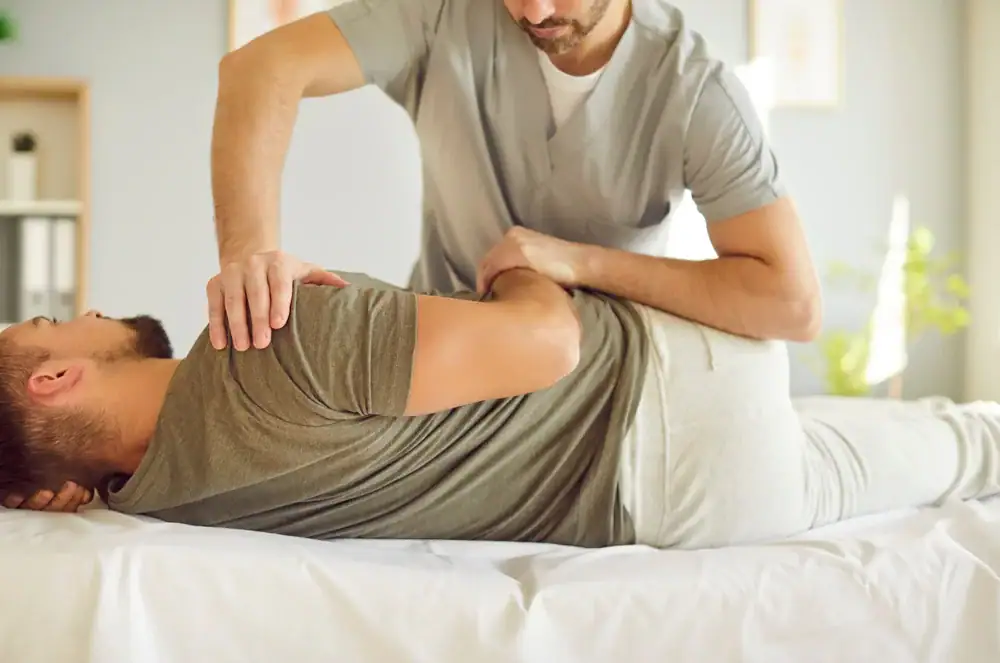
You’re not looking for temporary relief. You want to reach for something without wincing. Walk without worrying about balance. Get through your day without planning around pain.
That’s what happens when physical therapy actually works. Your range of motion improves because we’re addressing why it’s limited in the first place. Pain decreases because the root cause gets treated, not just masked. Strength comes back because you’re doing the right exercises at the right intensity.
Whether you’re recovering from surgery, dealing with a stroke, managing chronic joint pain, or trying to prevent falls, the outcome is the same: you get your independence back. You stop avoiding activities you used to enjoy. You sleep better because you’re not waking up in pain.
Most people see measurable progress within the first few weeks. Not because we’re doing anything magical, but because evidence-based treatment applied consistently gets results. You’ll know it’s working when you stop thinking about the problem every time you move.
Medcare Therapy Services operates multiple locations across Long Island, including right here in East Massapequa. We’re not new to this community or this work.
Our physical therapists hold Doctor of Physical Therapy degrees and have hands-on experience treating everything from post-surgical rehabilitation to neurological conditions. That matters because East Massapequa’s population skews older, and older adults need therapists who understand fall prevention, balance training, and age-related mobility issues without treating you like you’re fragile.
We also know that getting to appointments can be a barrier. That’s why we offer in-home physical therapy when clinic visits aren’t realistic. You shouldn’t have to choose between getting treatment and managing transportation.

First visit is an evaluation. Your physical therapist asks what’s wrong, what you’ve already tried, and what you’re hoping to accomplish. Then they assess your current mobility, strength, balance, and pain levels. This isn’t a quick chat—it’s a thorough look at what’s actually going on.
From there, you get a personalized treatment plan. Not a generic protocol, but a plan built around your specific condition and goals. If you’re recovering from a stroke, that means neurological rehabilitation and neuromuscular re-education. If you’re dealing with joint pain, it’s therapeutic exercise and resistance training. If you’re at risk of falling, it’s balance and proprioceptive training.
Treatment sessions typically run 45-60 minutes. You’ll do hands-on work with your therapist, perform targeted exercises, and learn techniques you can use at home between visits. Progress gets tracked at every session so you can see what’s improving and what needs more attention.
Most people come two to three times per week initially, then taper down as they improve. Total treatment length depends on your condition—post-surgery rehabilitation might take 8-12 weeks, while chronic pain management could be longer. You’re not locked into anything. If it’s not working, we adjust.
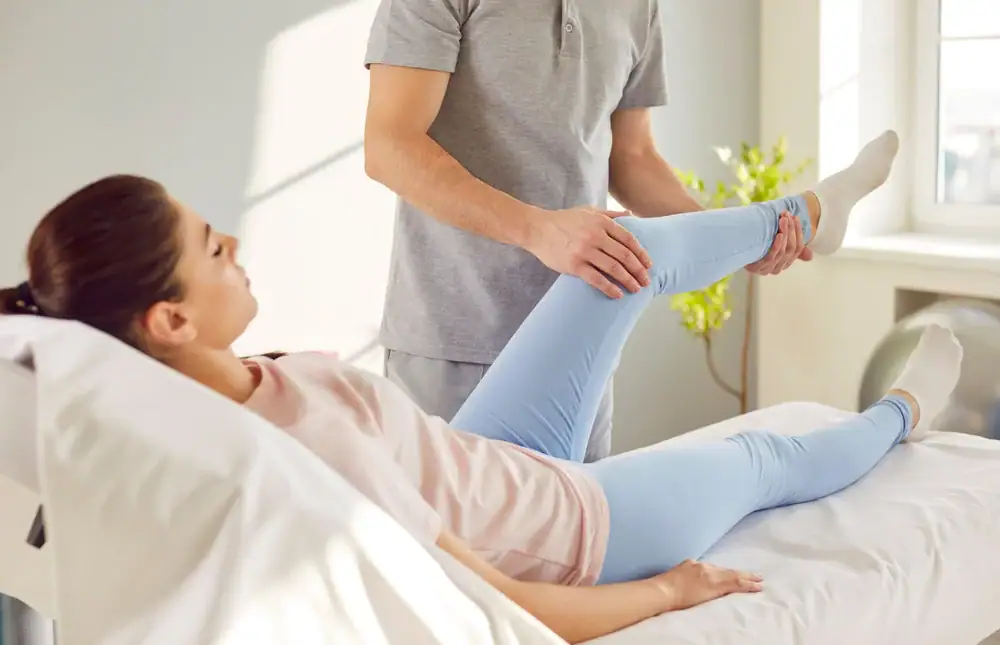
Ready to get started?
You get access to physical therapists who treat stroke rehabilitation, pre and post surgery rehabilitation, injury rehabilitation, and occupational rehabilitation. That covers most of what brings people through the door in East Massapequa.
Fall prevention is a big focus here because Nassau County has a significant elderly population, and falls are the leading cause of injury-related deaths in adults over 65. Our balance training and gait training programs directly address that risk. You learn how to move more safely, build strength in the right muscle groups, and recognize situations where you’re most vulnerable.
For joint pain treatment, we use a combination of therapeutic exercise, resistance and strength training, and manual therapy techniques. The goal isn’t just pain reduction—it’s restoring function so you can do what you need to do without limitation.
Neurological rehabilitation covers stroke recovery, neuromuscular re-education, and other conditions affecting your nervous system’s ability to control movement. This requires specialized training and experience, which our therapists have. Recovery from neurological conditions takes time, but consistent treatment makes a measurable difference.
If you need in-home physical therapy, we bring the same quality of care to your house. That’s particularly useful for people with severe mobility limitations or those in the early stages of post-surgical recovery.
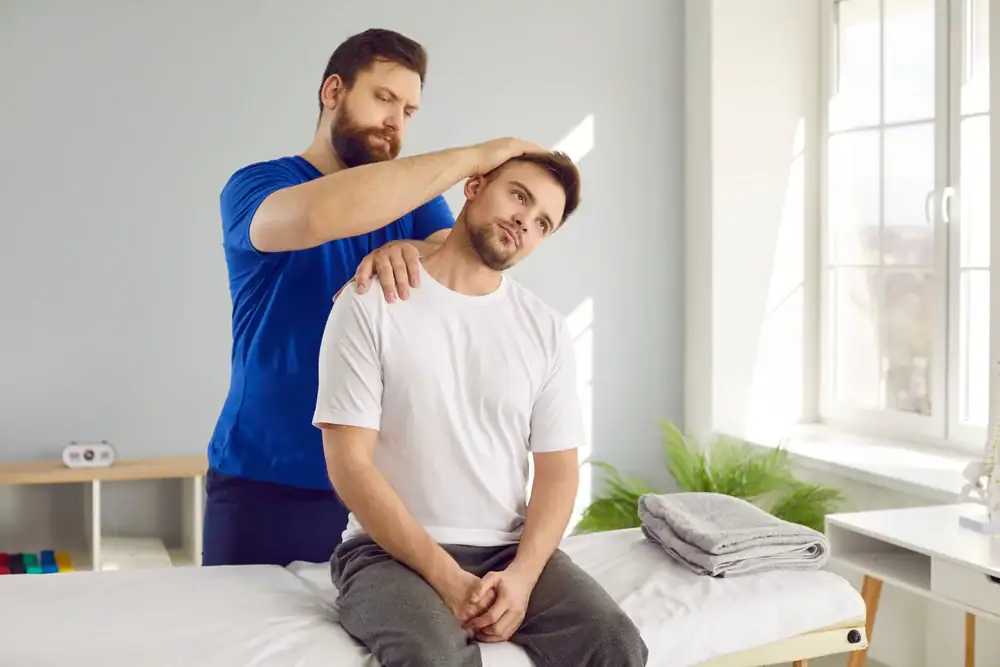
No. New York allows direct access to physical therapy, which means you can book an appointment without a physician referral.
That said, if you’re using insurance, some plans still require a referral or prior authorization for coverage. It’s worth calling your insurance company to check before your first visit. We can also help you figure that out when you schedule.
Direct access matters because it eliminates delays. If you’re dealing with acute pain or recovering from an injury, waiting weeks for a doctor’s appointment just to get a referral doesn’t make sense. You can start treatment faster, which often leads to better outcomes.
Most people notice some improvement within 2-3 weeks, but that depends on what’s causing the pain and how long you’ve had it.
Acute joint pain from a recent injury often responds faster than chronic pain you’ve been dealing with for months or years. Chronic conditions require more time because you’re not just treating pain—you’re rebuilding strength, improving mobility, and changing movement patterns that have been compensating for the problem.
A typical treatment plan for joint pain runs 6-8 weeks with 2-3 sessions per week. Some people need less time, some need more. The key is consistency. Skipping sessions or not doing your home exercises will slow progress significantly. If you’re not seeing any improvement after a month, that’s a signal to reassess the approach.
Stroke rehabilitation focuses on helping you regain movement, strength, balance, and coordination that were affected by the stroke. It typically includes neuromuscular re-education, gait training, balance work, and therapeutic exercises tailored to which areas were impacted.
The sooner you start, the better. Research shows that early rehabilitation—ideally within the first few weeks after a stroke—leads to better recovery outcomes. Your brain is most receptive to relearning movement patterns during this window.
That said, it’s never too late to benefit from stroke rehabilitation. Even if your stroke happened months or years ago, targeted physical therapy can still improve function and independence. Sessions are usually more intensive early on (sometimes 3-5 times per week) and then taper as you progress. Recovery timelines vary widely depending on stroke severity, but consistent treatment makes a real difference in what you’re able to do.
Fall prevention is one of the most effective things physical therapy does, especially for older adults in East Massapequa where fall risk increases with age.
We assess your balance, gait, strength, and home environment to identify specific risk factors. Then we build a program that addresses those risks directly. That might include balance and proprioceptive training to improve stability, strength training to support your joints, and gait training to correct walking patterns that make you more likely to trip or lose balance.
The data backs this up. Structured fall prevention programs can reduce fall risk by 30-40% in older adults. You learn how to catch yourself, how to move more safely, and how to build the strength needed to recover if you do start to fall. It’s not about making you fearful of movement—it’s about making you more confident and capable.
The treatment quality is the same. The difference is location and what equipment is available.
In-home physical therapy makes sense if you have severe mobility limitations, just had surgery and can’t easily travel, or don’t have reliable transportation. Your therapist brings portable equipment and adapts exercises to your home environment. This is particularly useful for gait training and fall prevention because we can assess and address hazards in the space where you actually live.
Clinic-based therapy gives you access to more equipment—resistance machines, specialized balance tools, parallel bars for gait training. It also removes you from distractions at home, which some people find helpful for focusing on their exercises.
Most people start with in-home therapy if they’re in early recovery or have significant mobility issues, then transition to clinic visits as they improve. We can do either or switch between them based on what makes sense for your situation.
If pain is limiting what you can do, lasting more than a few days, or getting worse instead of better, that’s when you should consider physical therapy.
Acute pain from overuse or minor strain often resolves with rest and basic self-care. But if you’re changing how you move to avoid pain, that’s a red flag. Compensation patterns lead to weakness and more problems down the line. If you’re reaching for something and either pushing through pain or avoiding the movement entirely, that’s not going to fix itself.
Chronic pain—anything lasting more than three months—definitely benefits from physical therapy. At that point, your body has adapted to the problem in ways that make it harder to recover without intervention. You need someone to assess what’s actually wrong, address the root cause, and rebuild proper movement patterns. Waiting longer just makes treatment take longer.
Other Services we provide in East Massapequa