

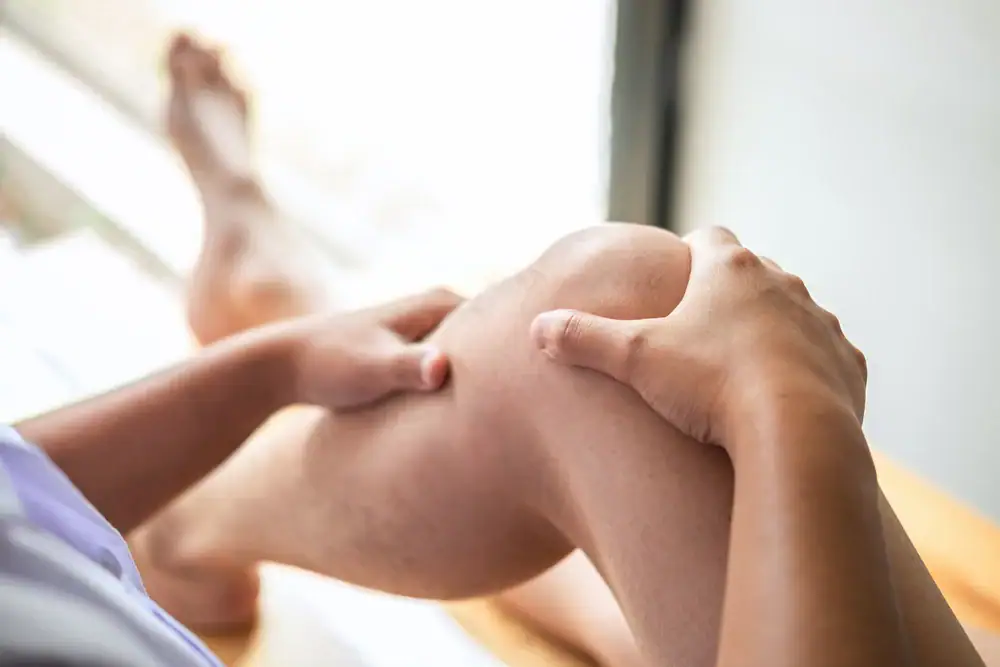
You’re not looking for more appointments to juggle. You want to walk without wincing, climb stairs without second-guessing your balance, or just get through your day without that nagging joint pain slowing you down.
That’s what physical therapy does when it’s done right. It reduces pain—79% of patients report significant improvement. It cuts fall risk by 25%, which matters if you’ve had a close call or you’re worried about losing your independence. And it gets you off the sidelines faster after surgery or injury, so you’re not stuck waiting to feel like yourself again.
This isn’t about managing symptoms forever. It’s about rebuilding strength, retraining movement patterns, and giving you the tools to stay active on your terms. Whether you’re recovering from a stroke, dealing with chronic joint pain, or working through post-surgical rehab, the goal is the same: get you back to doing what you need to do, without constantly thinking about what hurts.
We’ve been serving Cedarhurst and the surrounding Five Towns area with physical therapy that’s built around real people, not cookie-cutter protocols. We know this community—the pace, the expectations, the fact that you don’t have time to waste on treatment that doesn’t work.
Our therapists are licensed, experienced, and focused on one thing: getting you measurable results. We handle the insurance headaches, verify everything upfront, and keep your information secure. No runaround, no surprises.
You’ll work with the same therapist throughout your care, so there’s continuity and accountability. And because we offer in-home physical therapy across Cedarhurst, you don’t have to worry about transportation or timing. We come to you.

First, we assess where you’re at. That means understanding your pain, your limitations, your goals, and what’s realistic given your condition. No fluff—just a clear picture of what’s going on and what needs to happen next.
From there, we build a treatment plan. That might include gait training if your walking pattern is off, balance and proprioceptive training if you’re unsteady, or therapeutic exercise and resistance training to rebuild strength. If you’re recovering from a stroke or dealing with neurological issues, we incorporate neuromuscular re-education to retrain how your body moves.
Sessions happen on your schedule, either in your home or at one of our locations. Each visit builds on the last. We track your progress, adjust as needed, and keep you in the loop the entire time. You’re not guessing whether it’s working—you’ll feel the difference, and we’ll measure it.
Once you hit your goals, we don’t just send you off. We give you a maintenance plan so you can keep the progress you’ve made and avoid setbacks down the road.

Ready to get started?
Every session is one-on-one. You’re not splitting time with other patients or working with a different therapist every week. You get focused attention on what you need, whether that’s fall prevention exercises, joint pain treatment, or pre and post surgery rehabilitation.
In Cedarhurst and across the Five Towns, we see a lot of patients dealing with mobility concerns tied to aging—about 15.5% of the population here is 65 or older. That means fall prevention and balance training aren’t just buzzwords. They’re critical. We also work with younger patients recovering from sports injuries, car accidents, or orthopedic surgeries who need injury rehabilitation that actually gets them back to full function.
Our services include stroke rehabilitation, occupational rehabilitation, and neurological rehabilitation for conditions that affect movement and coordination. We also offer therapeutic exercise programs designed to rebuild strength and endurance, plus resistance and strength training to support long-term mobility.
If you’re dealing with chronic pain, physical therapy can reduce your need for opioid medication by 87%. That’s not a small thing. It’s a real alternative that addresses the root cause instead of masking it.
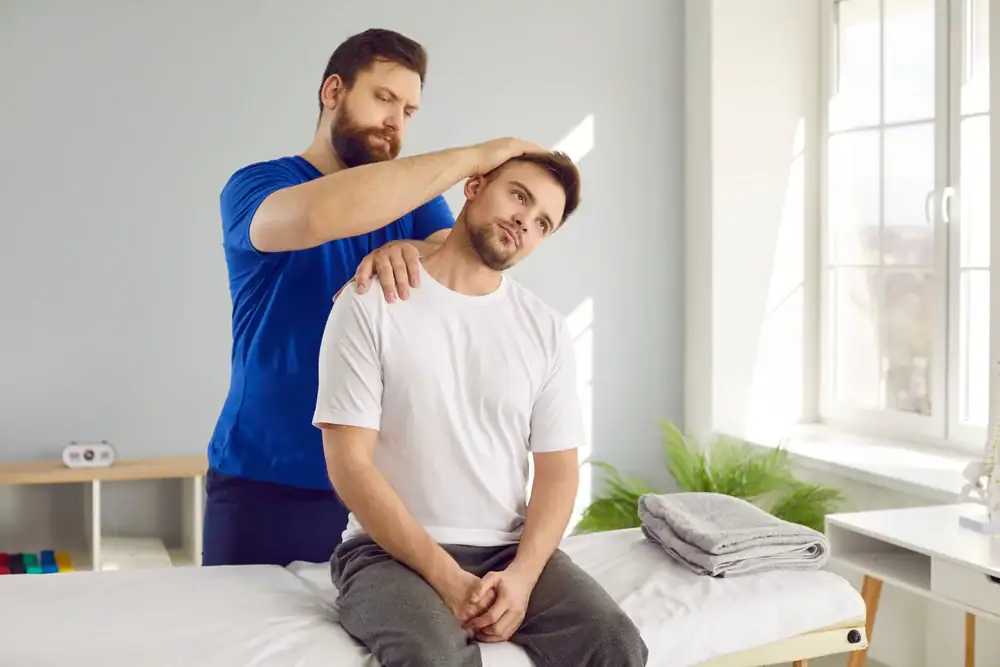
Most patients can start within a few days of their initial call, sometimes sooner depending on availability. We don’t make you wait weeks for an opening.
Once you reach out, we’ll verify your insurance, confirm coverage, and schedule your first evaluation. If you’re doing in-home physical therapy, we’ll coordinate a time that works with your schedule. If you’re coming to one of our locations, same thing—we work around you, not the other way around.
The faster you start, the better your outcomes tend to be. Waiting too long after an injury or surgery can lead to compensatory movement patterns that make recovery harder. So if you’re ready, we’re ready.
In most cases, yes. Medicare, Medicaid, and many private insurance plans cover in-home physical therapy if it’s medically necessary—which it usually is after surgery, a stroke, or if you have mobility limitations that make traveling difficult.
We handle the verification process upfront so you know what’s covered before your first session. That includes checking for prior authorization requirements, confirming your benefits, and making sure there are no surprises when it comes to billing.
If you’re not sure what your plan covers, call us. We’ll walk through it with you and give you a clear answer. We’ve worked with just about every major insurer in the Five Towns area, so we know how to navigate the system and maximize your benefits.
Physical therapy focuses on improving movement, strength, balance, and mobility. It’s about getting you walking better, reducing pain, rebuilding function after an injury, or preventing falls. If you’re recovering from surgery or dealing with joint pain, you’re usually working with a physical therapist.
Occupational therapy focuses on helping you perform daily activities—things like getting dressed, cooking, bathing, or using your hands for fine motor tasks. It’s more about adapting to limitations and regaining independence in everyday life.
There’s overlap, and sometimes you need both. If you’ve had a stroke, for example, you might work with a physical therapist on gait training and balance, and an occupational therapist on regaining hand function or relearning how to do tasks safely at home. We offer both services, and we’ll recommend what makes sense based on your specific situation.
It depends on what you’re treating and how severe it is, but most patients start noticing improvement within two to four weeks. That doesn’t mean you’re done—it means you’re seeing progress.
For something like post-surgical rehab, you might need 6 to 12 weeks of consistent sessions to get back to full function. For chronic pain or balance issues, it could be longer, but you should still feel a difference early on. If you’re not seeing any progress after a few weeks, that’s a red flag, and we’ll adjust the plan.
The key is consistency. Skipping sessions or not doing your home exercises will slow things down. Physical therapy works when you show up and put in the effort between appointments. We’ll give you a realistic timeline based on your condition, and we’ll track your progress so you know exactly where you stand.
Yes. Physical therapy can reduce fall risk by 25%, and that number goes up if you stick with the exercises and make them part of your routine.
Falls are the leading cause of injury in adults over 65, and in Cedarhurst, where a significant portion of the population is in that age group, it’s a real concern. Most falls happen because of weak legs, poor balance, or a lack of coordination—all things physical therapy addresses directly.
We use balance and proprioceptive training to improve your body’s sense of where it is in space. We incorporate gait training to correct walking patterns that increase fall risk. And we build strength in your legs and core so you’re more stable on your feet. It’s not a guarantee you’ll never fall, but it dramatically lowers the odds and gives you more confidence moving around your home and community.
Your first session is an evaluation. We’ll ask about your medical history, what’s bothering you, and what you’re hoping to accomplish. Then we’ll assess your movement—how you walk, your range of motion, your strength, your balance, and where you’re feeling pain.
This isn’t a full treatment session yet. It’s about gathering information so we can build a plan that actually works for you. We’ll also explain what we found, what we think is going on, and what the treatment will look like moving forward.
By the end of that first visit, you’ll know how many sessions you’ll likely need, what exercises or techniques we’ll use, and what your role is in the process. If you have questions, ask them. This is your recovery, and you should understand what’s happening every step of the way.
Other Services we provide in Cedarhurst