
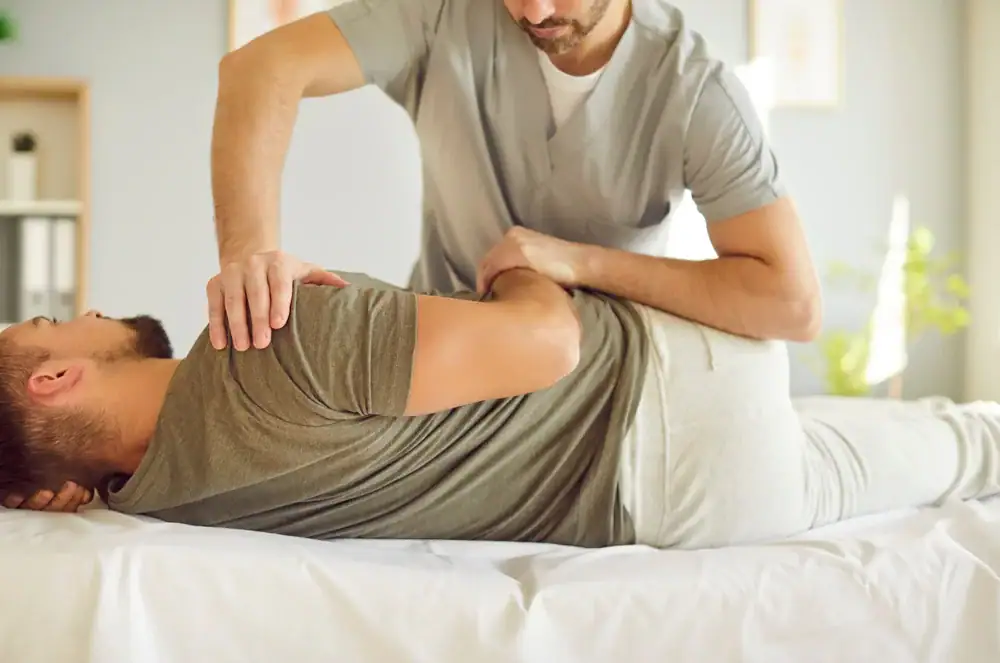
You’re dealing with real limitations right now. Maybe you’re recovering from surgery and the drive to a clinic sounds exhausting. Maybe you’ve noticed your balance isn’t what it used to be, and stairs feel riskier than they should. Or maybe you’ve already fallen once, and the fear of it happening again is keeping you from doing things you used to do without thinking.
Here’s what changes when you start working with a physical therapist who comes to your home in Brookhaven. You stop compensating for pain and start addressing what’s actually causing it. Your strength comes back in ways that matter for your daily routine—not just generic exercises, but movements that help you get in and out of your car, walk your dog, or stand long enough to cook dinner.
Fall prevention isn’t just about balance exercises. It’s gait training that retrains how you walk. It’s strength work that stabilizes your joints. It’s learning how your own home setup might be working against you. When therapy happens where you actually live, your physical therapist sees what you’re navigating every day and builds your program around it.
We operate multiple locations across Long Island, including our affiliated centers in Smithtown and Speonk. We’re not new to Suffolk County, and we’re not new to treating the kinds of conditions that bring people to physical therapy in the first place.
What sets us apart isn’t flashy marketing. It’s how we manage your care from start to finish. Your records stay secure. Your therapist shows up when they’re supposed to. Your treatment plan adjusts when your needs change. We verify every team member, control access to your information, and make sure nothing falls through the cracks.
Brookhaven has one of the largest senior populations on Long Island, and we’ve built our services around what that means. Longer recovery timelines. More complex medical histories. The need for therapy that doesn’t add stress to an already full plate. You’re not getting a one-size-fits-all program here.

First, we talk. You’ll have a conversation with one of our therapists about what’s going on—what hurts, what’s hard, what you’re trying to get back to. This isn’t a sales call. It’s an evaluation to figure out if physical therapy is the right move and what kind of treatment makes sense for your situation.
Then we come to you. Your physical therapist travels to your home in Brookhaven, brings the equipment needed for your session, and starts with a full assessment. They’re looking at your range of motion, your strength, how you move through space, and where compensation patterns have set in. From there, they build a plan that’s specific to your goals—whether that’s post-surgery rehabilitation, stroke recovery, or just getting steady on your feet again.
Each session builds on the last one. You’re not doing random exercises. You’re progressing through a structured program that includes therapeutic exercise, neuromuscular re-education, balance and proprioceptive training, and gait work. Your therapist tracks what’s working, adjusts what isn’t, and keeps you informed the whole way. If something changes—new pain, a setback, faster progress than expected—the plan changes with it.
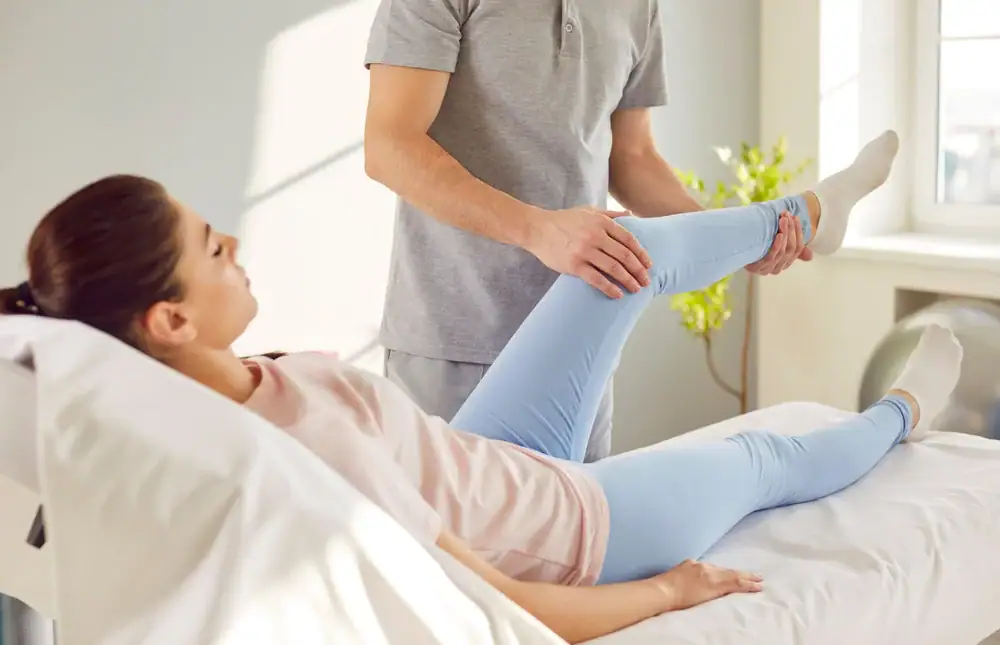
Ready to get started?
A lot of people in Brookhaven come to us for fall prevention. That makes sense when you look at the numbers—by 2030, every baby boomer will be over 65, and falls are one of the biggest threats to independence in that age group. Our fall prevention program combines balance training, resistance and strength work, and gait training to reduce your risk and rebuild confidence in how you move.
We also handle a high volume of neurological rehabilitation, especially stroke recovery. If you’ve had a stroke, you know how frustrating it is when your body doesn’t respond the way it used to. Our therapists are trained in neuromuscular re-education—basically retraining your nervous system to communicate with your muscles again. It’s slow work, but it’s some of the most important work we do.
Joint pain treatment is another big one, especially for knees, hips, and shoulders. Whether it’s arthritis, an old injury that never fully healed, or wear and tear from years of use, we use targeted therapeutic exercise to reduce pain and improve function. And if you’re headed into surgery or just came out of one, our pre and post surgery rehabilitation programs are designed to get you back to baseline faster and with fewer complications.
Occupational rehabilitation and injury rehabilitation round out what we do. If you’re recovering from a work-related injury or dealing with something that’s keeping you from your job, we focus on the specific movements and endurance levels you need to get back to work safely.
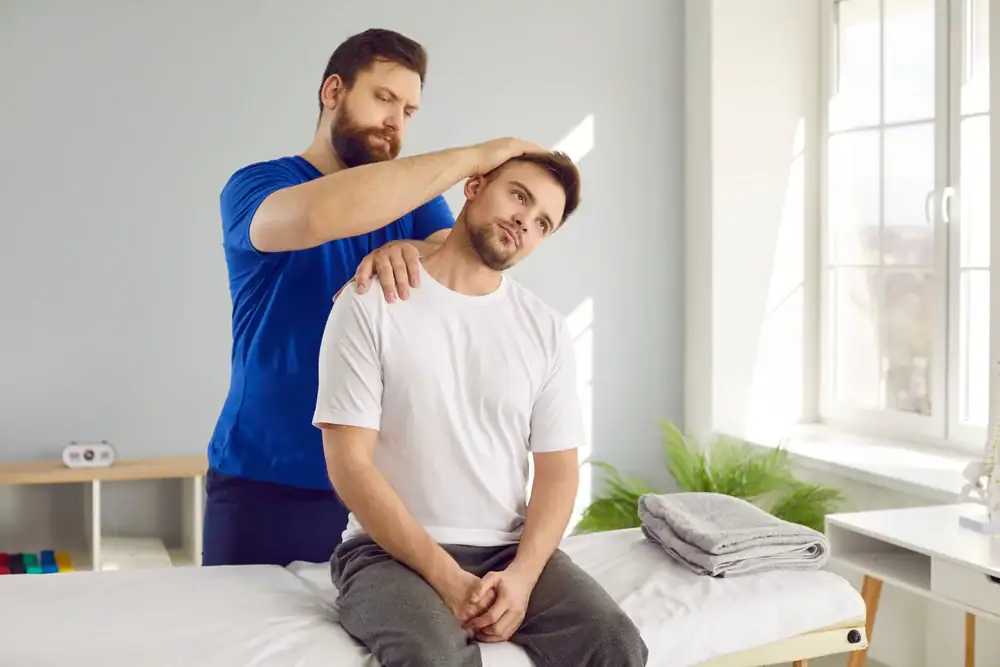
It depends on the surgery, but in most cases, you can start within a few days to a week. Your surgeon will give you clearance, and that’s when we step in. The goal of post-surgery rehabilitation isn’t to push you too hard too fast—it’s to prevent stiffness, maintain circulation, and start rebuilding strength in a controlled way.
Early movement matters more than most people realize. When you stay immobile for too long after surgery, scar tissue builds up, your muscles weaken faster, and your overall recovery timeline gets longer. Starting physical therapy early helps you avoid those complications. Your therapist will work within the restrictions your surgeon sets, but they’ll also make sure you’re progressing at a pace that actually leads to recovery, not just going through the motions.
In-home therapy makes this easier because you’re not dealing with the physical stress of getting to a clinic when you’re still in pain and limited in how you can move. Your therapist comes to you, works with your current setup, and adjusts the program as you heal.
Fall prevention isn’t just about doing balance exercises on one leg. It’s a combination of gait training, strength work, proprioceptive training, and environmental assessment. Your physical therapist looks at how you walk, where you’re unstable, and what’s causing that instability—then builds a program to address it.
Gait training focuses on how you’re moving when you walk. A lot of falls happen because of small things—shuffling instead of picking up your feet, leaning too far forward, not shifting your weight properly. We retrain those patterns so walking becomes safer and more automatic again. Balance and proprioceptive training work on your body’s ability to sense where it is in space and react quickly when you start to tip or stumble.
Strength work is just as important. Weak hips, knees, and ankles make you more likely to fall, and they make it harder to catch yourself if you do start to lose balance. Resistance and strength training rebuild the stability you need to move confidently. We also look at your home setup in Brookhaven—rugs, lighting, furniture placement—and point out changes that could reduce your risk.
Most insurance plans cover in-home physical therapy if it’s medically necessary, which it usually is if you’ve had surgery, a stroke, or a condition that makes it hard to leave your house. Medicare covers it under Part B as long as you’re homebound and your doctor orders it. We handle the verification and billing process, so you’re not stuck figuring it out on your own.
What “homebound” means is pretty straightforward—it takes considerable effort for you to leave your home, whether that’s because of pain, mobility limitations, or another medical reason. You don’t have to be completely bedridden. If getting to a clinic is difficult or risky, you likely qualify.
We work with most major insurance providers in New York, and we’ll confirm your coverage before your first session. If there’s a copay or deductible, we’ll let you know upfront. No surprises, no runaround. If your plan doesn’t cover in-home therapy or you don’t have insurance, we’ll talk through your options and give you a clear cost breakdown.
Stroke rehabilitation focuses on neurological recovery, not just physical recovery. After a stroke, the issue isn’t usually that your muscles are damaged—it’s that the communication between your brain and your muscles has been disrupted. That’s where neuromuscular re-education comes in. Your physical therapist uses specific exercises and techniques to help your brain relearn how to send signals to the affected areas.
This kind of therapy is slower and more repetitive than other types of rehabilitation, because you’re literally rebuilding neural pathways. It might take weeks of practice to regain movement in your hand or to walk without dragging your foot. But the repetition works. Your brain is adaptable, and with consistent work, you can regain function that seemed lost right after the stroke.
We also focus heavily on gait training and balance work, since stroke survivors are at higher risk for falls. Weakness on one side of your body changes how you walk and how stable you are, so we spend time correcting those patterns and building strength where it’s needed most. The goal is to get you moving as independently as possible, whether that’s walking unassisted, using a cane safely, or just being able to stand and transfer without help.
Physical therapy focuses on movement—strength, balance, mobility, pain relief. Occupational therapy focuses on function—how you perform daily tasks like getting dressed, cooking, bathing, or getting in and out of bed. There’s overlap, but the goals are different. If you’re struggling to walk or stand without pain, that’s physical therapy. If you’re struggling to button your shirt or hold a fork, that’s occupational therapy.
A lot of people in Brookhaven need both, especially after a stroke or major surgery. Your physical therapist works on rebuilding the strength and coordination you need to move safely. Your occupational therapist works on adapting how you do things so you can stay independent even if some limitations remain. We offer both services, and in many cases, your therapists will coordinate with each other to make sure your care is consistent.
We don’t push you toward services you don’t need. If physical therapy alone is going to get you where you want to be, that’s what we’ll recommend. If occupational therapy would help, we’ll bring it up and explain why. The decision is always yours.
It depends on what you’re treating and how your body responds. Post-surgery rehabilitation might take six to twelve weeks. Stroke recovery could take several months. Fall prevention and balance training programs usually run eight to twelve weeks, but some people continue with maintenance sessions after that to stay strong and stable.
Your physical therapist will give you a realistic timeline during your evaluation, but it’s not set in stone. Some people progress faster than expected. Others hit plateaus and need more time. We adjust based on how you’re actually doing, not based on some arbitrary schedule. The goal isn’t to keep you in therapy forever—it’s to get you functional, confident, and independent again.
Most people in Brookhaven start with two to three sessions per week, then taper down as they improve. By the end of your program, you’ll have a set of exercises you can do on your own to maintain your progress. We don’t just treat you and send you off—we make sure you know how to keep yourself strong and stable after therapy ends.
Other Services we provide in Brookhaven