


You’re moving around your kitchen without grabbing the counter. You’re getting up from your chair without that hesitation. You’re walking to the mailbox without wondering if today’s the day you lose your balance.
That’s what physical therapy at home is supposed to do. Not just exercises on a sheet of paper, but real improvement in the spaces where you actually live.
When our licensed physical therapists work with you in your own environment, they see what actually matters. The stairs you need to climb. The bathroom you need to navigate safely. The routines you want back. Everything gets built around your real life, not a clinic’s equipment.
You get one-on-one attention for the full session. No sharing time with three other patients. No rushing through exercises because the next appointment’s waiting. Just focused work on what you need to regain strength, balance, and confidence in your daily routine.
We’ve been bringing licensed physical and occupational therapy to homes across Bayville and Long Island for over a decade. We’re connected to established therapy centers including Physical Therapy Associates of Smithtown and Speonk Physical Therapy, so you’re getting expertise backed by years of clinical experience.
Our therapists are Medicare-certified and trained in specialized programs like Otago fall prevention. We know Bayville’s housing stock, from the ranch homes near the water to the split-levels inland, and we understand how to adapt treatment to your specific living situation.
You’re not getting a corporate therapy mill. You’re getting professionals who’ve built their reputation on showing up, doing the work, and helping people in this community stay independent longer.

You call or your doctor refers you. We verify your Medicare coverage and schedule your first evaluation at a time that works for your schedule. No waiting rooms, no intake paperwork in a lobby.
A licensed physical therapist comes to your home in Bayville and does a full assessment. They watch how you move through your actual space, identify what’s limiting you, and build a treatment plan around your goals. Maybe it’s getting strong enough for surgery. Maybe it’s recovering after a stroke. Maybe it’s just not being afraid of falling when you walk to the car.
Sessions happen one-on-one, usually two to three times per week depending on what you need. Your therapist brings any equipment required and guides you through therapeutic exercises, gait training, balance work, or neuromuscular re-education right there in your living room or bedroom. They adjust the plan as you progress.
You’re not locked into some rigid protocol. If something’s not working, it changes. If you’re progressing faster than expected, you advance. The whole process is designed around your improvement, not a predetermined timeline.

Ready to get started?
Your treatment might include fall prevention programs designed by Otago specialists, which matters in Bayville where many homes have stairs, uneven yard access, and older construction. Balance and proprioceptive training help you navigate your actual environment safely.
Gait training restores your walking pattern after injury, surgery, or neurological issues. Therapeutic exercise and resistance training rebuild strength you’ve lost from inactivity or medical events. If you’re dealing with joint pain from arthritis or overuse, treatment focuses on reducing inflammation and improving mobility.
Stroke rehabilitation and neurological rehab address complex movement issues that need specialized attention. Pre and post-surgery rehabilitation prepare you for procedures or help you recover afterward. Injury rehabilitation gets you back to normal after falls, fractures, or soft tissue damage.
Occupational therapy services help with daily tasks like dressing, cooking, and bathing when physical limitations are getting in the way. Neuromuscular re-education retrains your nervous system and muscles to work together properly again. Everything’s covered by Medicare when you meet eligibility requirements, and we accept other insurances too.
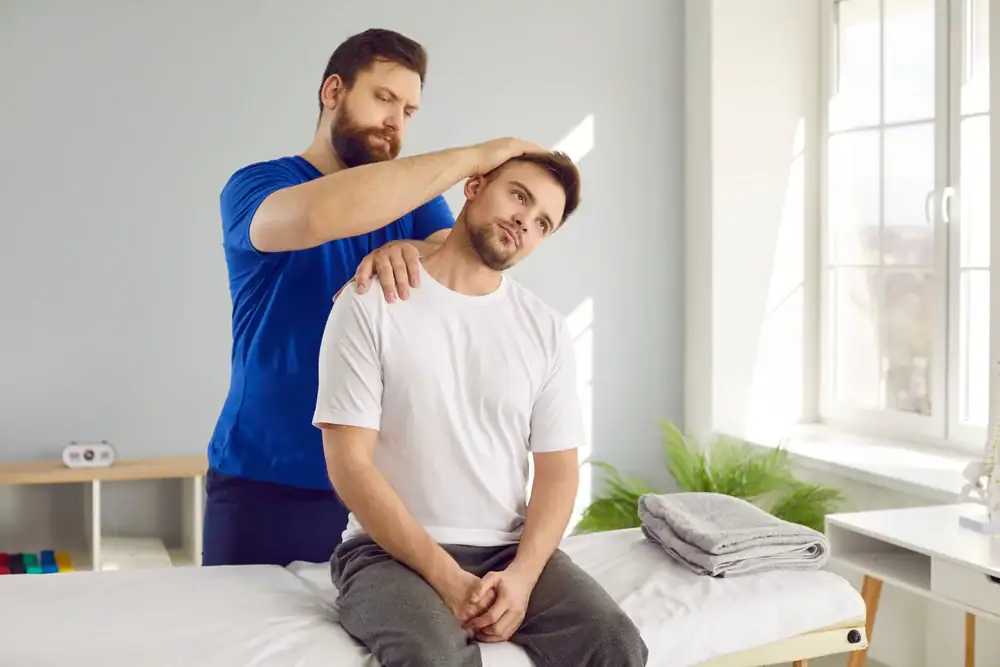
Yes, Medicare Part B covers in-home physical therapy when it’s medically necessary and provided by licensed professionals. You need a doctor’s referral stating that you require skilled therapy services and that leaving your home is difficult due to your medical condition.
Medicare typically covers 80% of the approved amount after you meet your Part B deductible. You’re responsible for the remaining 20% unless you have supplemental insurance that covers it. There’s no limit on the number of sessions as long as your therapist documents that you’re making progress and the treatment remains medically necessary.
The key requirement is homebound status. You don’t have to be bedridden, but leaving home needs to take considerable effort due to your condition. Going to doctor appointments or church occasionally doesn’t disqualify you. Your therapist handles the documentation and works with your physician to keep everything properly authorized.
You qualify if you have mobility limitations, balance issues, or medical conditions that make traveling to a clinic difficult and you need skilled therapy to improve. Common conditions include recovery from hip or knee replacement, stroke rehabilitation, severe arthritis limiting movement, Parkinson’s disease, multiple sclerosis, or recent falls that have left you weak or fearful of moving around.
Post-surgical rehabilitation for orthopedic procedures, cardiac events requiring monitored exercise, chronic pain conditions affecting daily function, and neurological disorders impacting coordination all typically qualify. If you’ve been hospitalized recently and need continued therapy at home, that’s usually covered.
The determining factor isn’t just your diagnosis but whether you need a licensed therapist’s expertise to improve safely. Exercises you could do on your own don’t qualify, but skilled interventions like gait training, neuromuscular re-education, or fall prevention programs do. Your doctor and therapist work together to establish medical necessity based on your specific situation.
Treatment length depends entirely on your condition, goals, and progress. Some people need six to eight weeks after surgery to regain strength and mobility. Others with chronic conditions or neurological issues might benefit from several months of therapy to maximize improvement.
Sessions typically happen two to three times per week, lasting 45 minutes to an hour. Your therapist evaluates your progress regularly and adjusts frequency as you improve. When you’re getting stronger and more independent, sessions might drop to once weekly, then move to a home exercise program you can maintain on your own.
Medicare doesn’t set arbitrary limits, but your therapist needs to document continued progress and medical necessity. If you plateau and aren’t improving further, coverage may end. If you’re still making functional gains, treatment continues. Most people see significant improvement within the first month, with continued gains over the following weeks as strength and confidence build.
Physical therapy focuses on mobility, strength, balance, and pain management. Your physical therapist works on getting you walking better, climbing stairs safely, building muscle strength, and improving your overall movement patterns. They address issues like gait problems, fall risk, joint pain, and recovering function after injury or surgery.
Occupational therapy focuses on daily living activities and fine motor skills. Your occupational therapist helps you regain independence in tasks like dressing yourself, preparing meals, bathing, and managing household activities. They might work on hand strength and coordination, cognitive strategies for memory issues, or adapting your home environment to make tasks easier.
Many people benefit from both. After a stroke, you might need physical therapy to walk again and occupational therapy to use your affected arm for daily tasks. After a hip replacement, physical therapy gets you mobile while occupational therapy helps you safely manage getting dressed or getting in and out of the shower. Your doctor determines which services you need based on your specific limitations and goals.
Absolutely, and it’s often helpful. Having a spouse, adult child, or caregiver present means they learn your exercises and can help you practice between sessions. They see proper technique, understand safety precautions, and can provide support when you’re working on challenging movements.
Your therapist can teach family members how to assist you correctly without risking injury to themselves or you. They learn what to watch for, when to step in, and when to let you work independently. This is especially valuable for fall prevention, where having someone who knows how to help you safely makes a real difference in your confidence.
Some people prefer privacy for certain exercises or treatments, which is completely fine. You control who’s in the room. But most find that involving family creates better outcomes because you have built-in support for your home exercise program. Your therapist adapts the session based on your preference and what will help you progress most effectively.
Most people notice some improvement within the first two to three weeks, though the timeline varies based on your condition and how deconditioned you are starting out. Reduced pain or better balance might show up in the first few sessions. Significant strength gains and functional improvements typically take four to six weeks of consistent work.
Your progress depends on several factors: how severe your condition is, how well you follow your home exercise program between sessions, your overall health, and whether you have other medical issues affecting recovery. Someone recovering from a simple procedure might progress quickly, while someone with multiple chronic conditions or neurological issues may see slower but steady gains.
The advantage of home therapy is your therapist sees you in your real environment and can measure progress by actual functional improvements, not just clinic-based tests. When you can walk to your mailbox without assistance or get up from your favorite chair without using your arms, that’s real progress you’ll notice immediately in your daily life.
Other Services we provide in Bayville